Have you noticed cracks in your walls or doors that don’t close right? Maybe your second floor feels uneven or sagging.
If so, you might need to jack up your second floor to fix the problem before it gets worse. It sounds like a big job, but with the right steps, you can understand how it’s done and what to expect.
You’ll learn simple, clear methods to safely raise your second floor. Keep reading to protect your home and save money on costly repairs down the line.
Assessing The Structure
Before jacking up a second floor, understanding the building’s structure is key. This step helps avoid damage and keeps the process safe. Assessing the structure means checking how strong it is and where support beams are. It involves careful inspection and simple calculations. Proper assessment saves time and money. It also protects the home and the people working on it.
Start by learning about the load capacity and support points. These two factors tell if the floor can handle lifting. Knowing these details prevents accidents and structural problems later.
Checking Load Capacity
Load capacity means how much weight the floor can hold. Every floor has a limit based on its materials and design. Check the floor joists and beams for signs of wear. Old or damaged wood may not support extra weight. Find the size and spacing of joists. This information helps estimate strength. Use simple tools like a tape measure and flashlight. Consult building plans if available. Never guess the load capacity without proper checks.
Identifying Support Points
Support points are where the floor rests on walls or beams. These spots carry the weight during lifting. Identify main beams and load-bearing walls. Look for columns or posts under the floor. Mark these points clearly. Avoid putting jacks in weak or uneven places. Support points must be solid and stable. This ensures the floor lifts evenly and safely. Missing a support point can cause damage or collapse.

Credit: www.diychatroom.com
Gathering Necessary Tools
Gathering the right tools is the first step to safely jack up a second floor. Having all equipment ready saves time and reduces risks. Prepare everything before starting the job to work smoothly and efficiently.
Essential Jacking Equipment
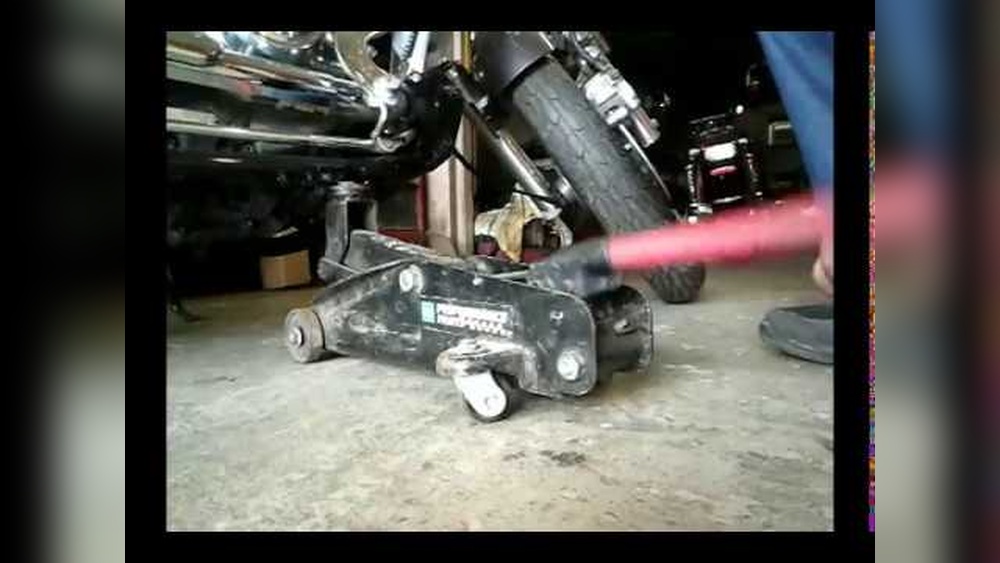
Start with a strong hydraulic bottle jack or a heavy-duty floor jack. These jacks handle heavy loads and provide steady lifting power. Use solid wooden or metal cribbing blocks to support the lifted floor securely. A sturdy steel or wooden beam can help spread the load evenly during lifting. Have a heavy-duty wrench or socket set for adjusting bolts and screws. A tape measure ensures precise placement of jacks and supports. Keep a level nearby to check that the floor stays even throughout the process.
Safety Gear And Materials
Wear a hard hat to protect your head from falling debris. Use thick work gloves to prevent hand injuries while handling tools. Safety goggles shield your eyes from dust and debris. Wear sturdy boots with non-slip soles to avoid slips and falls. Keep a dust mask handy to protect your lungs from harmful particles. Have wooden shims available for fine adjustments between jacking points and supports. Keep a flashlight nearby to illuminate dark areas during the work.
Preparing The Work Area
Preparing the work area is the first step to safely jack up a second floor. Clear, organized space makes the job easier and safer. Take time to get everything ready before starting the work.
Clearing The Space
Remove all furniture and items from the room below the second floor. This clears the floor for tools and equipment. It also prevents damage to your belongings. A clean space helps you move freely and work without obstacles.
Check for any loose objects on the floor or walls. Sweep or vacuum the area to remove dust and debris. This reduces slipping hazards and keeps the work site tidy.
Securing The Surroundings
Block off the work area to keep others safe. Use barriers or signs to warn people of the work in progress. This helps avoid accidents and interruptions.
Turn off electrical power in the area. This prevents shocks or damage from tools. Also, ensure adequate lighting is available to see clearly. Good light reduces mistakes and improves safety.

Credit: www.palmbeachpost.com
Setting Up Jacks
Setting up jacks is a key step to safely raise a second floor. Proper setup helps avoid accidents and damage. Take time to prepare the space and tools before starting.
Check the floor and beams for strong support points. Clear the area around the jacking spots to work freely. Follow safety rules strictly while handling heavy equipment.
Positioning Hydraulic Jacks
Place hydraulic jacks under strong beams or load-bearing walls. Use thick wooden blocks between the jack and the beam for protection. This spreads the pressure evenly and prevents damage.
Keep the jacks straight and stable on solid ground. Avoid soft or uneven surfaces that can cause slipping or tilting. Adjust the jack slowly and watch for any movement in the structure.
Using Screw Jacks Safely
Turn screw jacks slowly to control the lift. Do not rush or force the jack. Stop if you feel resistance or hear unusual sounds.
Place screw jacks on sturdy bases, such as metal plates or thick wood. Check the jack’s threads and handle for damage before use. Keep your hands clear from pinch points during lifting.
Lifting The Second Floor
Lifting the second floor is a careful and precise task. It involves raising the structure evenly to avoid damage. This process requires patience and attention to detail. Every small movement matters. Safety is the top priority throughout the lift.
Operating The Jacks Gradually
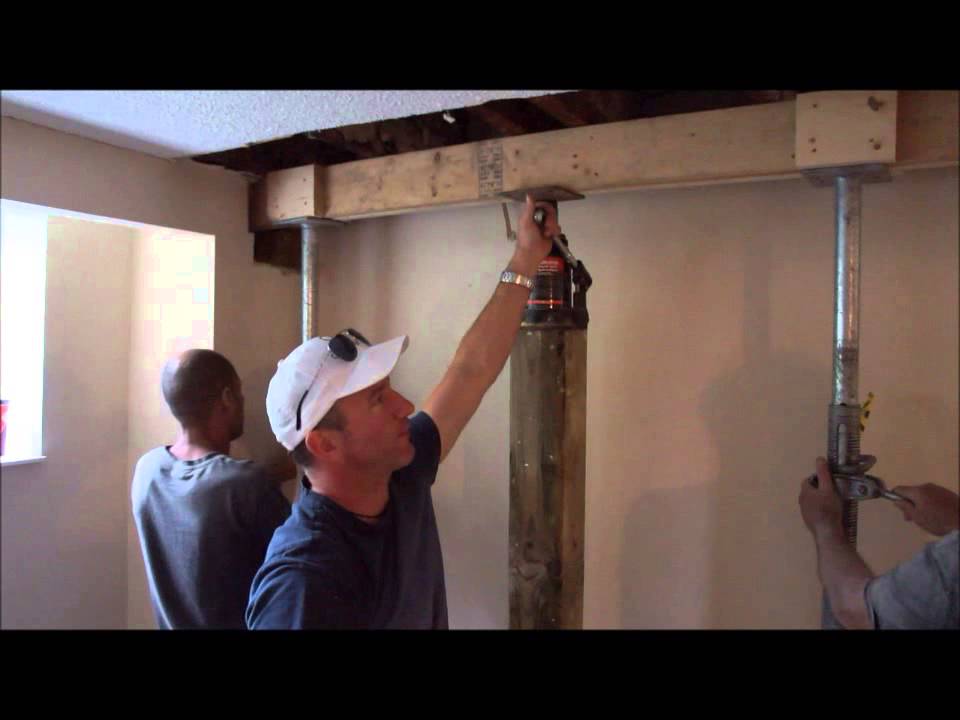
Start by positioning the jacks securely under the floor beams. Turn the jack handles slowly and evenly. Lift the floor just a few millimeters at a time. Stop often to check for any signs of stress. Avoid sudden or large movements. This reduces the risk of cracks or shifts in the building.
Monitoring Structural Movement
Use levels and measuring tools to track changes. Watch the walls, beams, and floors carefully. Look for any tilting or bending. Mark progress on a chart to see the lift’s balance. Pause if uneven movement appears. Adjust the jacks to keep the structure stable. Constant monitoring helps prevent accidents and costly repairs.
Credit: www.youtube.com
Supporting The Raised Floor
Supporting the raised floor is a crucial step when jacking up a second floor. Proper support keeps the structure safe and stable during the process. Without strong support, the floor can shift or collapse, causing damage and injury.
This part of the job requires careful planning and execution. The goal is to hold the floor firmly in place after lifting it. This support holds the weight of the floor and everything on it. Strong, temporary supports must be installed before any permanent work starts.
Installing Temporary Supports
Start by choosing sturdy materials for temporary supports. Steel or heavy-duty wooden beams work best. Place these supports under the raised floor at key points. Focus on load-bearing walls and main beams. Use jacks to lift the floor slowly and evenly. As you lift, slide the temporary supports into place. Check that each support fits tightly and touches the floor above and the ground below. This prevents any movement during the work.
Ensuring Stability
After installing temporary supports, test the floor’s stability. Gently push or rock the floor to see if it moves. No movement means the supports hold well. Add extra supports if there is any wobble. Keep supports vertical and secure to avoid leaning. Regularly inspect supports during the project. Strong, steady support prevents accidents and protects your home.
Common Safety Precautions
Jacking up a second floor is a tough task. Safety is the top priority. Taking the right precautions protects you and the structure. Knowing common safety rules helps avoid accidents and damage. Follow these simple steps to work safely and confidently.
Avoiding Overloading
Do not place too much weight on the jacks. Overloading can cause jacks to fail. Always check the weight limit of each jack. Use enough jacks to spread the load evenly. Keep heavy tools and materials off the jacks. This prevents sudden shifts and possible collapse.
Regular Inspection During Work
Check the jacks and supports often during the job. Look for any signs of slipping or bending. Tighten or adjust jacks if needed. Watch for cracks or damage on the floor and walls. Stop work immediately if something seems wrong. Regular checks keep the work safe and steady.
Troubleshooting Issues
Troubleshooting issues during the process of jacking up a second floor is important. Problems can cause delays or damage. Knowing how to address common challenges helps keep the job safe and efficient.
Some issues involve uneven lifting or resistance from the building structure. Both need careful handling to avoid harm and ensure steady progress.
Handling Uneven Lifting
Uneven lifting happens when one side rises faster than the other. This can stress the building and cause cracks. Watch the lift closely. Use multiple jacks and raise them slowly.
Stop lifting if the floor tilts too much. Adjust the jacks to balance the load. Check the weight distribution often. Make sure all jacks share the load evenly.
Dealing With Structural Resistance
Structural resistance occurs when beams or walls push back against the lift. This can slow or stop the jacking process. Identify the source of resistance first.
Loosen any tight connections or fasteners carefully. Use pry bars or tools to relieve pressure. Avoid forcing the lift, which can damage the structure.
Consult a professional if resistance is too strong. They can suggest safe ways to continue without harm.
Frequently Asked Questions
How Do You Safely Jack Up A Second Floor?
First, use strong support beams and hydraulic jacks. Place jacks evenly under load-bearing walls. Lift slowly and monitor stability. Always use professional equipment and safety gear. Consult a structural engineer before starting the project.
What Tools Are Needed To Jack Up A Second Floor?
You need hydraulic jacks, steel beams, wooden cribbing, a level, and safety equipment. These tools ensure safe and controlled lifting. Using proper tools prevents damage and accidents during the process.
How Long Does It Take To Jack Up A Second Floor?
The process usually takes several hours to a few days. Time depends on the floor size, structure, and crew experience. Proper planning and safety checks can speed up the operation.
Can I Jack Up A Second Floor Myself?
Jacking up a second floor is risky and complex. It requires expertise and proper equipment. It’s best to hire a professional contractor or engineer to avoid hazards and structural damage.
Conclusion
Raising a second floor takes careful planning and steady work. Always follow safety rules to avoid accidents. Use the right tools to make the job easier. Take your time to check each step along the way. With patience and care, you can lift your floor safely.
This guide helps you understand the basics well. Now, you can start your project with confidence. Keep learning and stay safe throughout the process.