Is your floor jack stuck and refusing to lift? It’s frustrating when your tools don’t work right, especially when you need them most.
But don’t worry—you can fix your floor jack yourself. In this guide, you’ll learn simple steps to get your jack back in action quickly. Whether it won’t pump, won’t hold pressure, or just won’t move, we’ve got you covered. Keep reading to save time, avoid costly repairs, and get your floor jack working like new again.

Credit: www.tripadvisor.com
Common Causes Of Floor Jack Failure
Floor jacks sometimes fail to lift or hold weight properly. Knowing the common causes helps fix the problem fast. Many issues come from the hydraulic system or mechanical parts. Understanding these causes saves time and effort.
Hydraulic Fluid Issues
Hydraulic fluid keeps the jack working smoothly. Low fluid levels cause weak lifting power. Old or dirty fluid blocks the system. Leaks reduce fluid and pressure. Check and refill the fluid regularly to avoid problems.
Air In The Hydraulic System
Air trapped inside stops smooth operation. It causes the jack to feel spongy or soft. Air prevents proper pressure build-up. Bleeding the system removes air pockets. This restores firm and steady lifting action.
Worn Or Damaged Seals
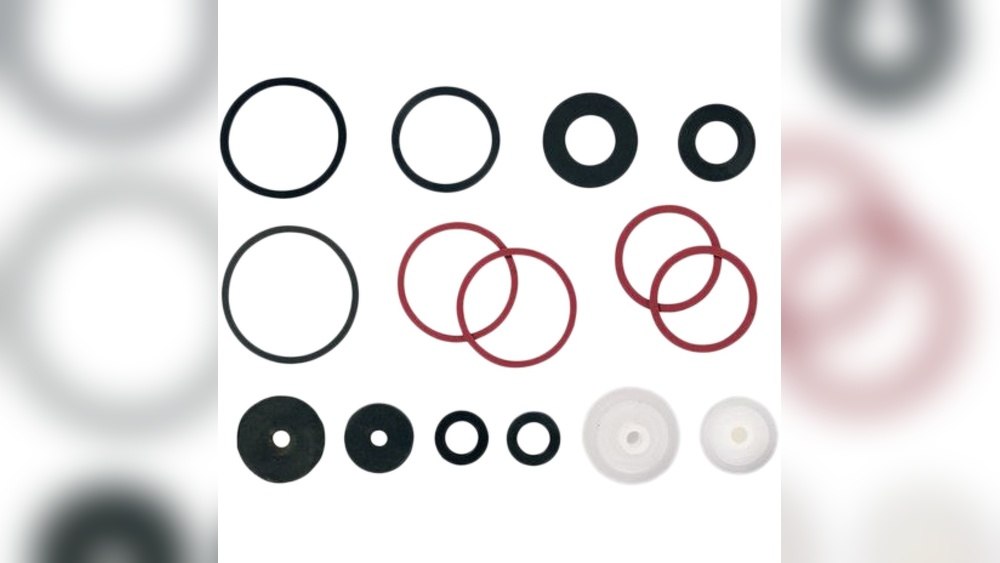
Seals hold hydraulic fluid in place. Over time, seals wear out or crack. Damaged seals cause fluid leaks. This lowers pressure and lifting power. Inspect seals and replace if damaged to keep the jack reliable.
Mechanical Obstructions
Junk or rust inside moving parts blocks smooth action. Dirt can stop the jack from lifting or lowering. Clean and lubricate parts often. Remove any debris to keep the jack working well.
Credit: tide.com
Checking Hydraulic Fluid Levels
Checking the hydraulic fluid level is key to fixing a floor jack that won’t lift properly. The fluid powers the jack’s lifting system. Low or dirty fluid stops the jack from working well. This section shows how to check and refill the fluid. Follow these simple steps to keep your floor jack running smoothly.
Locating The Fluid Reservoir
The fluid reservoir holds the hydraulic oil. Find it by removing the jack’s cover plate or side panel. It usually sits near the pump handle or base. Some models have a small plug or cap on top. Use a flashlight to spot the reservoir easily. Keep the jack on a flat surface before opening the reservoir.
Proper Fluid Types
Use the right hydraulic fluid for your floor jack. Check the owner’s manual for the recommended type. Most floor jacks use hydraulic oil or a special jack fluid. Avoid using brake fluid or motor oil. These can damage the seals and pump. Clean, fresh fluid ensures smooth lifting and long jack life.
Refilling And Bleeding Process
Open the reservoir cap carefully. If fluid is low, add the correct oil slowly. Fill to the recommended level but do not overfill. After refilling, you must remove trapped air. Pump the handle slowly to push air out. Open the release valve to let air escape. Repeat until the jack lifts smoothly and steadily.
Removing Air From The System
Air trapped inside a floor jack can stop it from working properly. This problem is called air lock. The jack may not lift smoothly or might feel weak. Removing the air makes the jack work like new again.
Fixing air lock is simple and does not need special skills. You only need to follow a few steps carefully. This section explains how to find air lock and how to remove the air safely.
Symptoms Of Air Lock
One sign of air lock is the jack lifting slowly or unevenly. It may also fail to hold weight. Another symptom is a spongy or soft feel when pumping the handle. These signs mean air is inside the hydraulic system.
Bleeding Techniques
First, lower the jack fully to release pressure. Then, open the release valve slowly. Pump the handle several times to push out trapped air. Keep the valve open until no more air bubbles appear in the fluid.
Close the valve tight after bleeding. Test the jack by lifting a small load. Repeat the process if the jack still feels weak or soft.
Tools Needed For Bleeding
You need a few basic tools to bleed the jack. Use a wrench to open and close the release valve. A clean cloth helps to wipe any spilled oil. Have a container ready to catch fluid that may leak out.
Also, keep some hydraulic fluid nearby. This helps refill the jack if the fluid level is low. These simple tools make the bleeding process easier and cleaner.
Inspecting And Replacing Seals
Inspecting and replacing seals is a key step in fixing a floor jack that won’t lift properly. Seals keep the hydraulic fluid inside the jack. If they are damaged or worn out, the jack loses pressure and stops working. Checking these seals can save you time and money.
Seals are small but important parts. They prevent leaks and maintain the jack’s strength. Damaged seals cause fluid to leak. This leads to a jack that won’t raise or hold weight. Regular inspection helps catch problems early.
Signs Of Seal Damage
Look for fluid leaks around the jack’s cylinder. Wet spots or puddles mean a seal is broken. You may hear air hissing or see the jack slowly lowering under load. Difficulty in pumping the jack can also signal seal problems. These signs show the seals need replacement.
Seal Replacement Steps
First, lower the jack completely. Remove the release valve to drain all hydraulic fluid. Take off the jack’s top cover to access the seals. Carefully remove the old seals without damaging the metal parts. Clean the area around the seals well. Install new seals in the same position as the old ones. Reassemble the jack and refill it with fresh hydraulic fluid. Test the jack to ensure it lifts and holds weight properly.
Where To Find Replacement Parts
Check the jack’s manual for part numbers. Many hardware stores carry common seal kits. Online retailers offer a wide selection with fast shipping. Choose parts that match your jack’s model and brand. Using the right seals ensures proper function and safety. Keep spare seals handy for future repairs.
Addressing Mechanical Blockages
Mechanical blockages often cause a floor jack to stop working. Dirt, rust, or lack of oil can block moving parts. Fixing these blockages helps the jack move smoothly again. This section explains how to check and clear blockages step by step.
Checking For Debris
Look closely at the jack’s moving parts. Dirt and small stones can get stuck inside. Use a brush or cloth to clean all surfaces. Remove any debris blocking the wheels or joints. Clear space helps the jack move freely.
Lubricating Moving Parts
Apply oil or grease to the jack’s hinges and pistons. Lubrication reduces friction and prevents rust. Use a light machine oil for best results. Move the parts gently to spread the oil evenly. Keep the jack well-lubricated to avoid future blockages.
Testing The Jack After Cleaning
After cleaning and oiling, test the jack carefully. Pump it slowly to see if it rises smoothly. Check for any unusual sounds or stiffness. Repeat cleaning and lubrication if the jack still feels stuck. Proper testing ensures the jack works safely.
Preventive Maintenance Tips
Preventive maintenance helps keep your floor jack working well. It stops problems before they start. Small steps can save time and money. Regular care makes your jack last longer and stay safe to use.
Regular Fluid Checks
Check the hydraulic fluid often. Low fluid causes poor lifting power. Look for leaks around the jack. Use the right type of fluid. Change old fluid to keep the jack smooth.
Proper Storage Practices
Store the jack in a dry place. Keep it away from dirt and dust. Avoid damp areas that cause rust. Lower the jack fully before storing. Cover it to protect from damage.
Routine Cleaning And Inspection
Clean the jack after each use. Remove dirt and grease carefully. Inspect moving parts for wear or damage. Tighten loose bolts and nuts. Replace worn parts quickly for safety.
When To Seek Professional Help
Sometimes, fixing a floor jack yourself is not safe or possible. Knowing when to seek professional help saves time and prevents accidents. Professionals have the right tools and experience to handle serious problems.
Signs Of Major Damage
Look for cracks in the metal frame or bent parts. Hydraulic fluid leaks are serious and need expert repair. If the jack won’t lift or hold weight, it shows major issues. Strange noises or sudden drops are warning signs. These problems can cause injury or damage to your vehicle.
Cost Vs. Replacement Considerations
Repair costs may be high for big damage. Sometimes, buying a new jack is cheaper and safer. Consider the age and condition of your floor jack. If repairs are frequent, replacement is a better choice. A new jack offers better safety and reliability.
Credit: www.flooringinc.com
Frequently Asked Questions
Why Won’t My Floor Jack Lift The Car?
A floor jack may not lift due to low hydraulic fluid or air trapped inside. Check fluid levels and bleed the system to restore pressure.
How Do I Fix A Leaking Floor Jack?
Inspect seals and replace any damaged ones. Tighten all fittings and ensure hydraulic fluid is at the correct level to stop leaks.
What Causes A Floor Jack To Lose Pressure?
Pressure loss often results from worn seals or air in the hydraulic system. Replacing seals and bleeding air can fix this issue.
Can I Repair A Stuck Floor Jack Handle?
A stuck handle might be due to rust or debris. Clean and lubricate the pivot points to restore smooth handle movement.
Conclusion
Fixing a floor jack is easier than it seems. Check for leaks, air, or worn parts first. Tighten and clean the jack regularly to keep it working well. Use the right tools and follow safety steps carefully. A well-maintained floor jack lasts longer and works better.
Keep this guide handy for quick fixes anytime. Don’t let a broken jack slow down your work. Simple care saves time and money. Try these steps, and your jack will lift smoothly again.