If you’ve ever needed to lift your car safely, you know a floor jack is your best friend. But using it the wrong way can lead to accidents, damage, or even injury.
You want to make sure you’re doing it right every time. You’ll discover simple, clear steps to use your floor jack properly. By the end, you’ll feel confident and safe lifting your vehicle like a pro. Keep reading—your safety and your car depend on it.
Credit: www.yourmechanic.com
Choosing The Right Floor Jack
Choosing the right floor jack is important for safe and easy vehicle lifting. The right jack makes your work faster and more secure. Consider the type, weight capacity, and build quality before buying. These factors help find a jack that fits your needs and vehicle.
Types Of Floor Jacks
There are several types of floor jacks. Hydraulic jacks use fluid pressure to lift heavy loads smoothly. Scissor jacks are smaller and manual, good for light tasks. Bottle jacks have a compact shape and strong lifting power. Choose a type based on your vehicle and work style.
Weight Capacity Considerations
Check the weight capacity before choosing a jack. The jack must lift your vehicle’s weight safely. Always pick a jack with a higher capacity than your vehicle’s weight. This prevents accidents and keeps you safe during lifting.
Material And Build Quality
Look for a jack made with strong, durable materials. Steel jacks are sturdy and last long. Some jacks have aluminum parts for lighter weight and easy handling. Good build quality ensures the jack works well and lasts through many uses.
Credit: www.homedepot.com
Preparing The Vehicle
Preparing your vehicle before using a floor jack is crucial for safety and effectiveness. Taking the right steps helps keep the car stable and prevents accidents. This part explains three key actions to prepare your vehicle properly.
Selecting A Level Surface
Choose a flat, hard surface for jacking up your vehicle. Avoid soft ground or slopes that can cause the jack to slip. Concrete or asphalt surfaces are best. A level area ensures stability and reduces the risk of the car moving.
Engaging The Parking Brake
Always set the parking brake before lifting the car. This stops the vehicle from rolling while raised. Make sure the brake is fully engaged and holds the car firmly in place. It adds an extra layer of safety during the process.
Chocking The Wheels
Place wheel chocks or blocks behind the wheels that stay on the ground. This prevents any movement while the car is lifted. Use sturdy chocks made for vehicles. Proper chocking keeps the car secure and stable.
Positioning The Floor Jack
Positioning the floor jack correctly is important for safety and efficiency. A wrong position can damage the vehicle or cause accidents. This step prepares the car for lifting and ensures steady support.
Understanding how to place the jack helps protect both the vehicle and yourself. Let’s break down the key points for proper floor jack positioning.
Locating Jack Points On The Vehicle
Jack points are strong parts under the car designed to hold weight. They are usually near the wheels or along the frame. Check the owner’s manual for exact locations. Using these points prevents damage to the car’s body or engine parts.
Aligning The Jack Correctly
Place the jack under the identified jack point. Make sure the jack’s saddle is centered under the point. Aligning the jack straight keeps the car stable during lifting. Avoid tilting the jack to prevent slipping or falling.
Avoiding Unsafe Contact Areas
Avoid placing the jack on plastic parts, exhaust pipes, or fuel tanks. These areas are weak and can break or cause fire hazards. Keep the jack away from sharp edges and loose parts. A secure base avoids accidents and vehicle damage.
Operating The Floor Jack
Operating a floor jack safely is crucial for lifting a vehicle. Proper use prevents accidents and damage. This section explains how to operate the floor jack step-by-step. Follow these guidelines for a smooth and safe lifting process.
Pumping Technique For Lifting
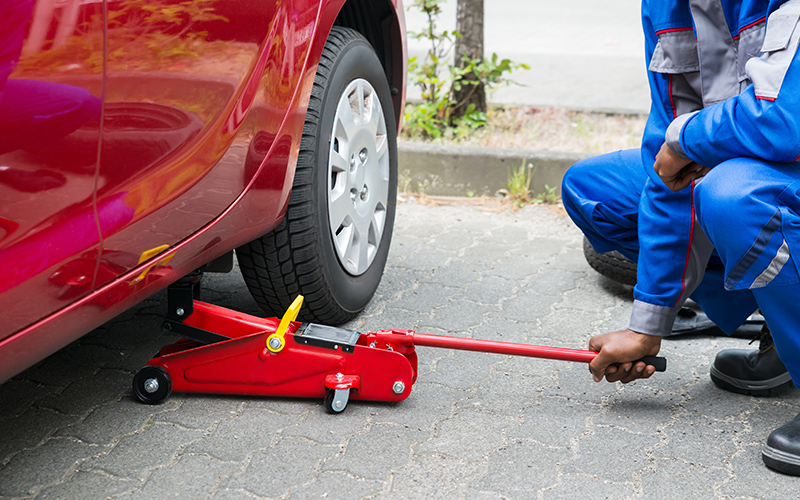
Start by placing the jack under the vehicle’s lifting point. Use slow and steady pumps on the handle. Avoid rushing to prevent slipping. Each pump raises the jack slightly. Keep pumping until the jack contacts the vehicle firmly.
Raising The Vehicle To Desired Height
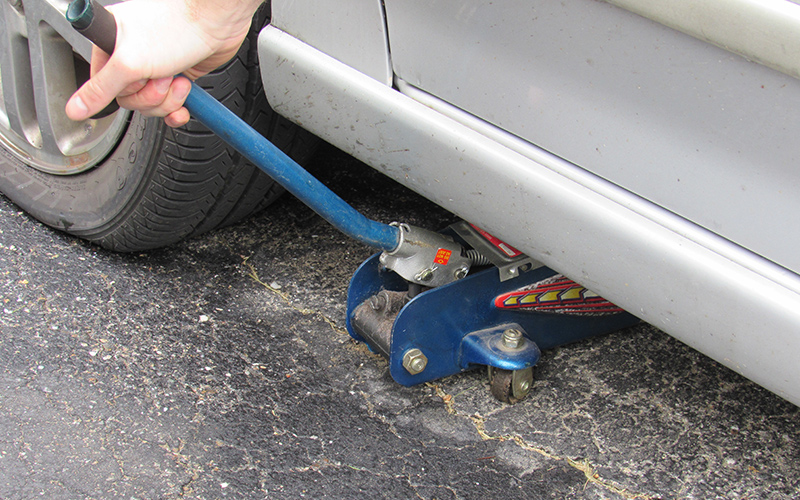
Continue pumping the handle to lift the vehicle. Stop once the vehicle reaches the needed height. Check stability by gently shaking the vehicle. Do not lift the vehicle too high. Keep the height low enough for safe work.
Using Jack Stands For Support
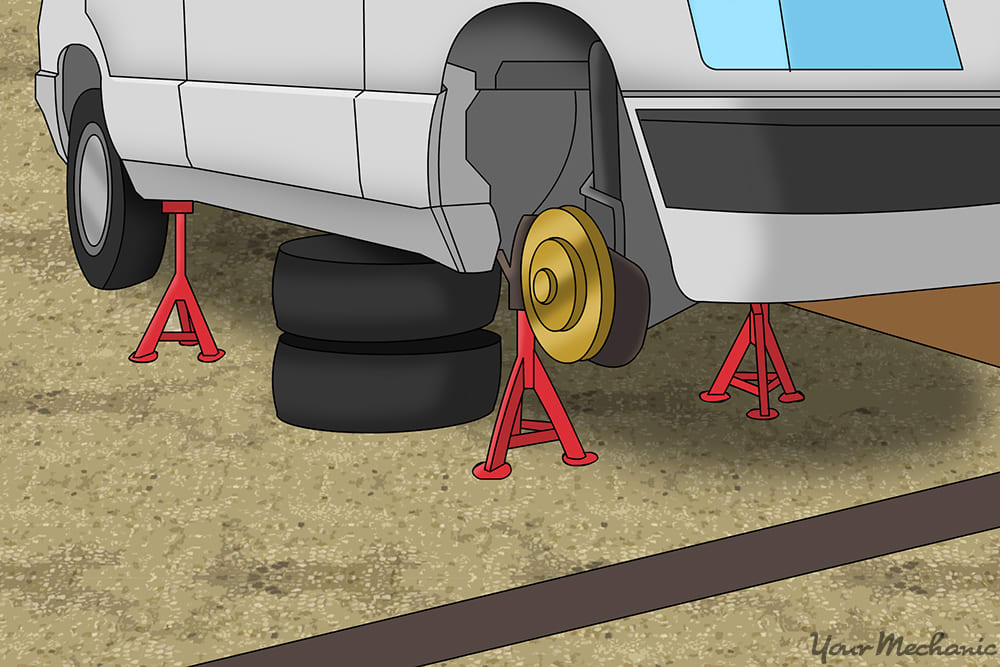
Never rely on the jack alone to hold the vehicle. Place jack stands under strong points on the frame. Slowly lower the vehicle until it rests on the stands. Ensure the stands are stable and secure. Remove the floor jack carefully after the vehicle is supported.
Lowering The Vehicle Safely
Lowering a vehicle safely is crucial after using a floor jack. It prevents accidents and damage. Following the right steps keeps you and your vehicle secure.
Removing Jack Stands
Before lowering, remove the jack stands carefully. Make sure the vehicle rests fully on the jack first. Take out the stands slowly to avoid sudden drops. Keep hands and feet clear from under the vehicle.
Controlled Release Of Hydraulic Pressure
Lower the vehicle by slowly releasing the jack’s hydraulic pressure. Turn the release valve gently. This allows the car to descend steadily. Avoid quick drops to prevent damage or injury.
Ensuring Vehicle Stability
Check that the vehicle is stable as it lowers. Watch for any tilting or movement. Stop lowering if the vehicle shifts. Make adjustments to keep it balanced and secure.
Credit: www.homedepot.com
Maintenance And Inspection
Proper maintenance and inspection keep your floor jack safe and working well. Regular care helps avoid accidents and costly repairs. Check it before every use to catch problems early.
Checking For Hydraulic Leaks
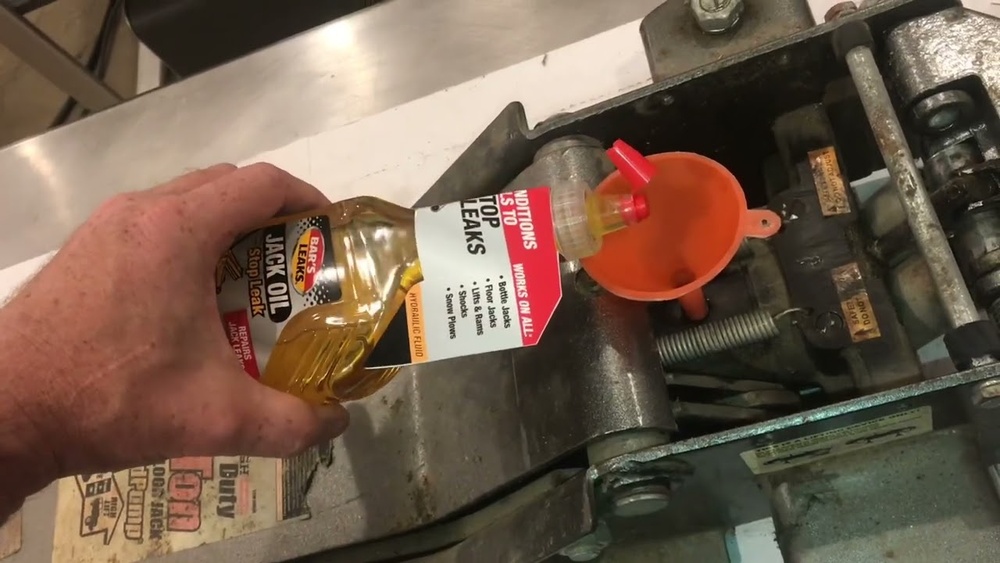
Look under the jack for any wet spots or oil stains. Hydraulic fluid leaks reduce lifting power and can cause failure. Clean the jack and watch for fresh leaks after use. Replace seals or fluid if you find leaks.
Lubricating Moving Parts
Apply oil or grease to joints and wheels to keep them moving smoothly. Dry parts wear out faster and may seize up. Lubricate regularly to reduce friction and extend the jack’s life. Use the recommended lubricant for best results.
Storing The Floor Jack Properly
Store the jack in a dry, clean place away from dust and moisture. Keep it lowered to relieve pressure on the hydraulic system. Avoid storing in direct sunlight or freezing temperatures. Proper storage prevents rust and damage.
Common Mistakes To Avoid
Using a floor jack safely is key to avoiding accidents and damage. Many users make common mistakes that put themselves and their vehicles at risk. Learn these errors to keep your work safe and efficient.
Overloading The Jack
Never lift more weight than the jack’s limit. Overloading can cause the jack to fail or break. Always check the weight rating before use. Using a jack that is too small is dangerous. It can collapse and cause serious injury.
Skipping Safety Equipment
Safety gear is not optional. Always wear gloves and eye protection. Use jack stands to support the vehicle after lifting. Relying only on the jack is risky. The jack can slip or lose pressure unexpectedly.
Ignoring Vehicle Manufacturer Guidelines
Each vehicle has specific jacking points. Find these in the owner’s manual. Lifting in the wrong spot can damage the car’s frame. Follow the recommended procedures for your vehicle model. This ensures safe and stable lifting every time.
Frequently Asked Questions
How Do I Safely Position A Floor Jack?
Place the floor jack under the vehicle’s designated lift point. Ensure the jack is on a flat, stable surface. Avoid lifting near suspension parts or soft areas. Proper positioning prevents damage and enhances safety during lifting.
What Is The Correct Way To Lift A Car With A Floor Jack?
Pump the jack handle smoothly to raise the car. Lift slowly until the tire is off the ground. Never exceed the jack’s weight limit. Always use jack stands to support the car after lifting.
Can I Use A Floor Jack On Uneven Ground?
No, using a floor jack on uneven ground is unsafe. It can cause the vehicle to slip or the jack to tip. Always use the jack on a flat, solid surface to ensure stability.
How Do I Lower A Vehicle Safely With A Floor Jack?
Slowly turn the release valve counterclockwise to lower the jack. Lower the vehicle gently and steadily. Ensure no one is under the vehicle during this process. Remove the jack only after the car is fully supported.
Conclusion
Using a floor jack safely protects you and your vehicle. Always check the jack’s condition before use. Place it on a flat, stable surface for balance. Position the jack under the car’s recommended lift points. Lift slowly and watch for any movement or slipping.
Never go under a car supported only by a jack. Use jack stands for extra safety. Regular practice improves your skill and confidence. Follow these steps to work with a floor jack properly every time. Safety first, always.