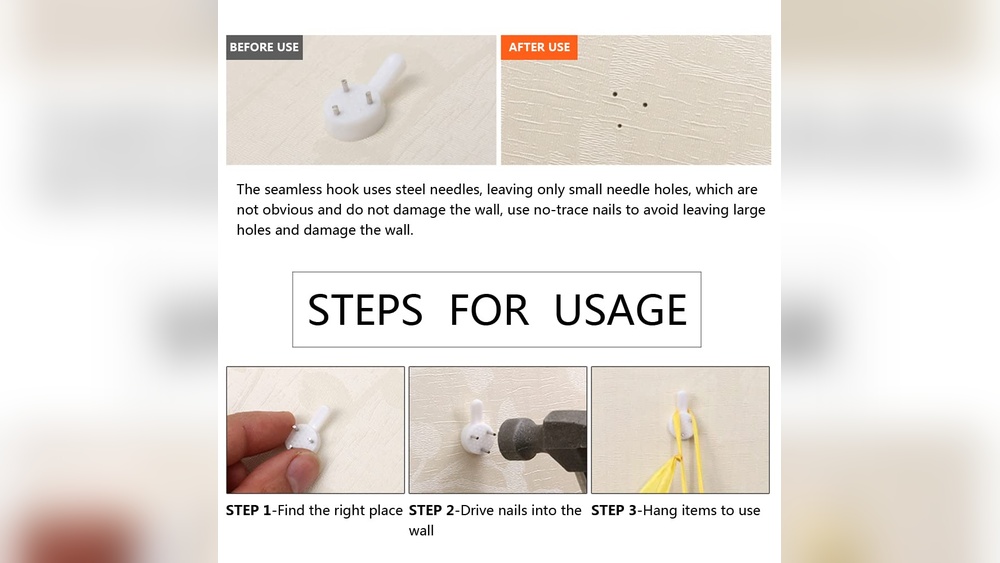
Are you looking to hang something on your wall but unsure how to install a screw hook properly? Putting a screw hook in your wall might seem tricky, but with the right steps, you can do it quickly and securely.
Whether you want to hang plants, pictures, or tools, knowing how to place a screw hook will save you time and frustration. Keep reading, and you’ll learn the simple tricks to get the job done right the first time. Your walls will thank you!
Choosing The Right Screw Hook
Choosing the right screw hook is important for a secure and lasting hold. Different hooks fit different needs. Picking the correct type, size, and material helps avoid damage and keeps items safe. Consider the wall type and what you want to hang before selecting a hook.
Types Of Screw Hooks
Screw hooks come in many shapes. Common types include open hooks, closed hooks, and cup hooks. Open hooks are easy to hang things on quickly. Closed hooks offer more security and stop items from slipping off. Cup hooks are good for hanging cups or light objects. Choose the type that best matches your task.
Material And Size Selection
Hooks are made from steel, brass, or stainless steel. Steel hooks are strong but can rust. Brass hooks resist rust and look nice. Stainless steel lasts longest, especially in damp places. Size matters too. Small hooks hold light items like keys. Large hooks hold heavier things like plants or tools. Match the hook size to your hanging item.
Weight Capacity Considerations
Every screw hook has a weight limit. Exceeding this limit can cause the hook to bend or pull out. Check the package for the weight rating. Use heavier hooks for heavier items. Also, consider the wall type; drywall needs anchors for heavy loads. Always choose a hook that supports more than your item’s weight for safety.

Credit: www.wikihow.com
Gathering Necessary Tools
Before starting to put a screw hook in the wall, gather all necessary tools. Having the right tools makes the job easier and safer. It saves time and avoids mistakes. You will feel more confident with everything ready. Below are the tools you need for this task.
Essential Tools List
- Screw hook – choose the right size and type.
- Drill or screwdriver – for making holes or turning the hook.
- Drill bits – use the correct size for your wall type.
- Wall anchors – support the screw hook in drywall or hollow walls.
- Measuring tape – to mark the exact spot on the wall.
- Pencil – for marking the drill point clearly.
- Level – ensures the hook is straight if needed.
- Safety glasses – protect your eyes while drilling.
Optional Tools For Difficult Walls
- Masonry drill bit – needed for brick or concrete walls.
- Hammer – to tap in wall anchors or plugs.
- Stud finder – locates wooden studs behind drywall for stronger support.
- Vacuum or brush – cleans dust from drill holes for better grip.
- Gloves – protect your hands during drilling or handling rough materials.
Preparing The Wall
Preparing the wall is the first step to putting a screw hook safely and securely. This step helps avoid damage and ensures the hook holds well. Taking time to prepare the wall makes the process easier and faster.
Locating The Ideal Spot
Choose a spot that suits the hook’s purpose. It should be easy to reach and strong enough to hold weight. Avoid places near edges or corners. These areas may not support the hook well.
Checking For Studs And Wiring
Use a stud finder to locate wooden studs behind the wall. Studs provide strong support for heavy items. Avoid areas with electrical wiring or plumbing. This keeps you safe and prevents damage.
Marking The Drill Point
Mark the exact point where you want the hook. Use a pencil for clear, light marks. Check the mark twice before drilling. This helps place the hook accurately on the wall.
Drilling The Pilot Hole
Drilling a pilot hole is a key step for placing a screw hook securely in the wall. This small hole guides the hook and stops the wall from cracking. It makes the job easier and ensures a tight fit for your hook. You need the right tools and methods for a clean, safe hole.
Choosing The Right Drill Bit
Select a drill bit that matches the screw hook size. The bit should be slightly smaller than the hook’s diameter. This helps the hook grip well in the wall. For wood walls, use a wood drill bit. For drywall, a standard twist bit works fine. Masonry walls need a special masonry bit for drilling through hard surfaces.
Drilling Techniques
Hold the drill steady and straight to avoid angled holes. Start drilling slowly to prevent the bit from slipping. Apply gentle pressure and let the drill do the work. Drill only as deep as the hook needs. Mark the drill bit with tape to keep track of depth. Stop drilling if you feel resistance or the drill heats up.
Dealing With Different Wall Types
Wood walls are soft and easy to drill. A small pilot hole is enough to guide the hook. Drywall is fragile; drill gently to avoid damage. Use anchors with screw hooks for extra support. For concrete or brick walls, use a hammer drill and masonry bit. Drill slowly and clear dust from the hole before inserting the hook.
Installing The Screw Hook
Installing a screw hook in the wall is simple and useful for hanging items. This process requires a few clear steps to ensure the hook stays secure. Follow these methods for a strong, straight installation.
Manual Installation Steps
Start by marking the spot on the wall where you want the hook. Use a pencil for a clear mark. Hold the screw hook and turn it clockwise. Apply steady pressure while turning. The hook will begin to bite into the wall. Keep turning until the hook is tight and stable. Avoid forcing it too hard to prevent damage.
Using Tools For Easier Insertion
Use a drill with a small bit to make a pilot hole first. This makes turning the hook easier. Insert the drill bit where you marked the wall. Drill a shallow hole, about half the screw hook’s length. Then screw the hook into the hole by hand or with pliers. Pliers help grip the hook and reduce effort. Stop turning when the hook feels secure.
Ensuring Stability And Alignment
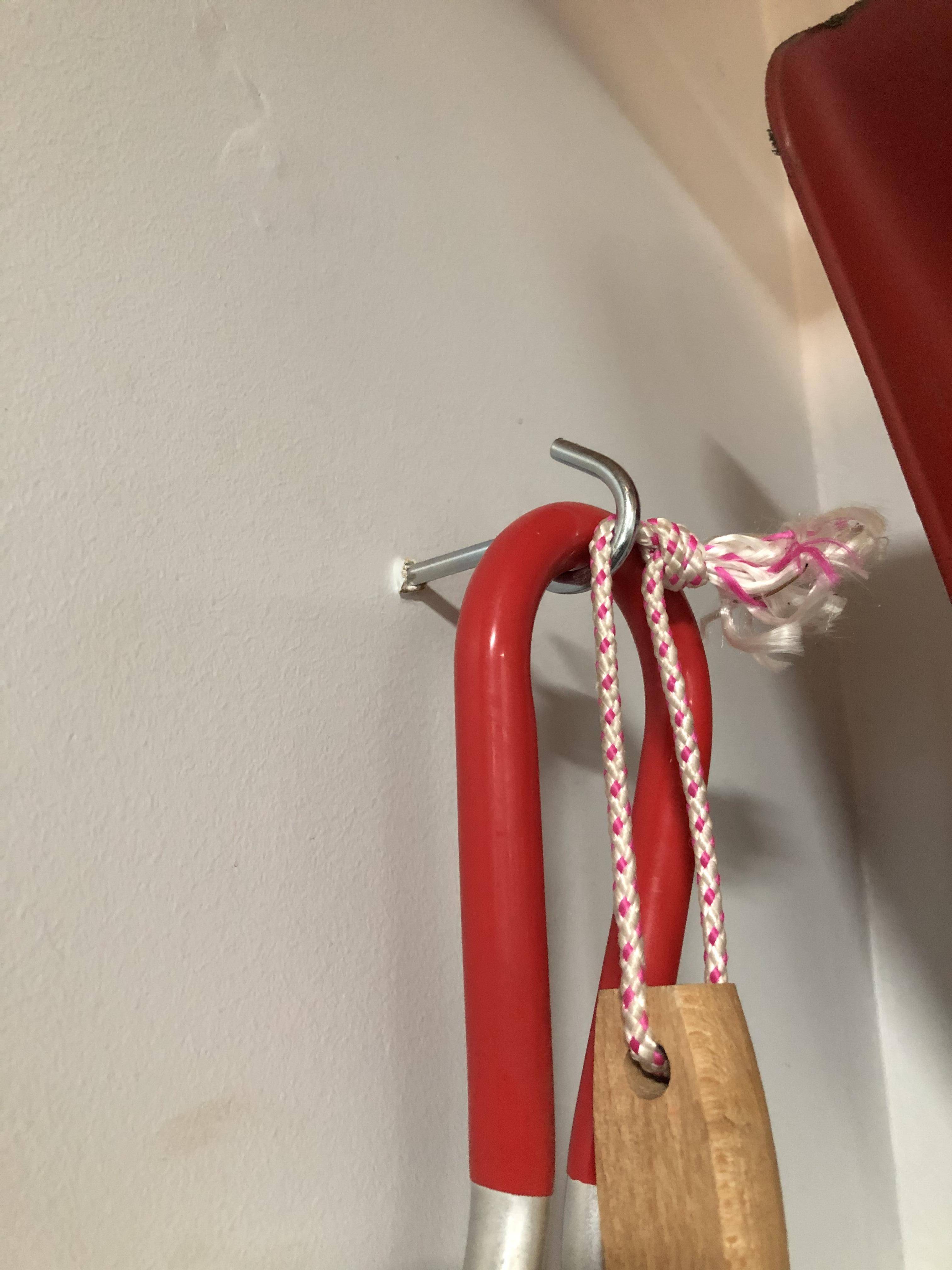
Check the hook’s angle after installation. It should be straight and face upwards. A crooked hook can weaken its hold. Test by gently pulling on the hook. If it moves or feels loose, tighten it more. For heavy items, consider using a wall anchor. This adds extra support and prevents damage.
Testing The Installation
Testing the installation of a screw hook in the wall is important. It ensures the hook is safe and works well. This step helps avoid accidents and damage. You must check the hook’s strength and position before using it fully.
Checking Weight Support
Start by hanging a light item on the screw hook. Notice if the hook holds the weight without moving. Try gently pulling down on the hook. It should feel steady and not wiggle or loosen. If the hook holds light weight well, test with a heavier item. Keep increasing weight slowly. Stop immediately if the hook starts to bend or shift. This confirms the hook’s weight limit and safety.
Adjusting The Hook If Needed
If the hook moves or feels loose, it needs adjustment. Turn the hook slightly deeper into the wall for better grip. Use a screwdriver or pliers for better control. Avoid over-tightening, which can damage the wall. Check again by gently pulling on the hook. Repeat the weight test after each adjustment. Adjust until the hook feels firm and stable. This ensures the hook stays secure during use.
Tips For Maintenance And Safety
Maintaining screw hooks in walls ensures safety and long-lasting use. Proper care prevents accidents and damage. Follow simple steps to keep hooks secure and reliable.
Regular Inspection
Check screw hooks often for signs of wear or rust. Look for any bending or loosening in the hook. Tighten hooks if they feel loose. Replace hooks that show damage. Regular checks avoid accidents and keep items safe.
Avoiding Common Mistakes
Do not overload the screw hook beyond its weight limit. Avoid using hooks in weak or crumbly walls. Use the right size hook for your needs. Drill a pilot hole before screwing in hooks. These steps protect walls and hooks from damage.

Credit: www.youtube.com
Credit: diy.stackexchange.com
Frequently Asked Questions
How Do I Choose The Right Screw Hook For My Wall?
Select a screw hook based on wall type and weight needs. Use heavy-duty hooks for drywall and lighter ones for plaster. Consider hook size and material for durability and support.
What Tools Are Needed To Install A Screw Hook?
You need a drill, screwdriver, pencil, and a wall anchor if required. A tape measure helps with accurate placement. Safety goggles protect your eyes during drilling.
Can I Install Screw Hooks Without Wall Anchors?
Yes, if the wall is solid wood or studs are available. For drywall, use anchors to prevent hooks from pulling out. Anchors provide extra grip and stability for heavier items.
How Deep Should I Drill Before Inserting A Screw Hook?
Drill a pilot hole slightly smaller than the hook’s diameter. This ensures easy insertion and prevents wall damage. Typically, a hole 1-2 inches deep works for most screw hooks.
Conclusion
Putting a screw hook in the wall is simple and useful. Start with the right tools and mark your spot. Drill a small hole for easy twisting. Turn the screw hook until it feels tight and secure. Test it gently to make sure it holds well.
This method works for wood, drywall, and plaster walls. Taking time and care helps avoid damage. Now, you can hang pictures, plants, or lights easily. A little effort brings big benefits to your space. Try it yourself and see how handy it can be.