If you want to add extra security to your home, installing a deadbolt is a smart move. But drilling a hole in your door for a deadbolt can feel tricky if you haven’t done it before.
Don’t worry—you don’t need to be an expert or spend a lot of money to get it right. In this guide, you’ll learn exactly how to drill a hole in your door safely and accurately. By the end, you’ll have the confidence and skills to secure your door like a pro.
Keep reading, because a simple drill and a few easy steps are all it takes to make your home safer today.
Tools And Materials Needed
Drilling a hole in a door for a deadbolt requires the right tools and materials. Using proper equipment makes the job easier and more accurate. It also helps prevent damage to your door. Prepare all items before starting the work. This saves time and keeps the process smooth.
Essential Drilling Tools
You need a power drill with a comfortable grip. A cordless drill offers better mobility. A drill guide or jig keeps holes straight and true. A tape measure helps mark the exact spot for drilling. A pencil or marker is useful for precise marking. A hammer and chisel may be needed to adjust the hole edges.
Choosing The Right Drill Bits
Select drill bits designed for wood or metal, depending on your door type. Hole saw bits work best for large holes like deadbolt holes. Use a spade bit or Forstner bit for clean, flat-bottomed holes. A smaller bit is needed to start pilot holes. Sharp bits reduce splintering and create smooth cuts.
Safety Gear And Accessories
Wear safety glasses to protect your eyes from dust and debris. Use ear protection if the drill is loud. Gloves can protect your hands from splinters and sharp edges. Keep a dust mask handy to avoid inhaling particles. Have a vacuum or brush ready to clean up after drilling.
Credit: www.youtube.com
Preparing The Door
Preparing the door is the first step in drilling a hole for a deadbolt. This stage sets the foundation for a clean and accurate installation. Taking time to prepare helps avoid mistakes and ensures the deadbolt fits perfectly.
Marking The Deadbolt Position
Start by choosing the right spot for the deadbolt. Usually, this is about 6 to 12 inches above the doorknob. Use a pencil to mark the center point on the door’s edge. This mark shows where you will drill the hole for the deadbolt latch.
Next, mark the center of the door face where the deadbolt cylinder will go. Use the deadbolt template or the actual lock to guide your marks. Double-check these points before drilling to avoid errors.
Measuring Backset And Height
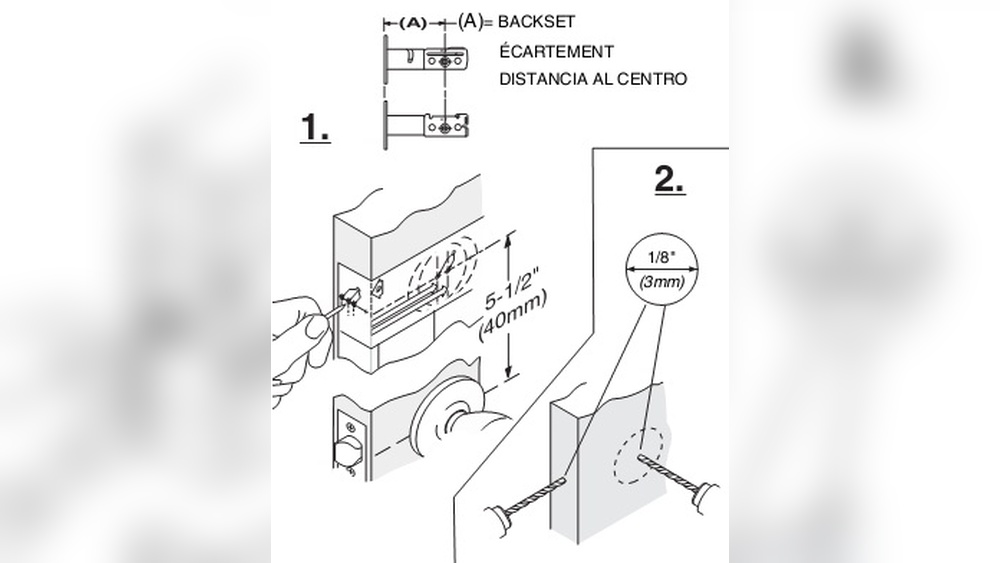
The backset is the distance from the door’s edge to the center of the deadbolt hole. Common backset sizes are 2 3/8 inches or 2 3/4 inches. Measure this carefully and mark it clearly on the door face.
Also, measure the height where the deadbolt will sit. Make sure it aligns well with the door’s design and is comfortable for use. Correct measurements prevent misalignment and ensure smooth operation.
Protecting The Door Surface
Protect the door surface to avoid scratches and dents during drilling. Use painter’s tape over the spots where you will drill. This helps keep the wood intact and reduces splintering.
Place a scrap piece of wood behind the drilling area if possible. It supports the door and prevents blowout on the back side. Protecting the door keeps it looking new and professional after installation.
Drilling The Face Hole
Drilling the face hole is a key step in installing a deadbolt. This hole fits the lock’s main part on the door’s face. Proper drilling ensures a tight fit and smooth operation. Accuracy matters to keep the door strong and secure.
Setting Up The Drill
Choose a drill with a hole saw bit matching the deadbolt size. Mark the exact spot on the door face using a template or ruler. Secure the door to prevent movement. Wear safety goggles to protect your eyes.
Drilling Through The Door
Start drilling slowly at the marked point. Keep the drill straight to avoid crooked holes. Apply steady pressure without forcing the drill. Drill through until you see light on the other side. Check the hole size before stopping.
Avoiding Splintering
Place masking tape over the drilling spot. This helps reduce wood splintering. Drill from one side halfway, then finish from the other side. Use a sharp bit to make clean cuts. Sand the edges gently to smooth rough spots.

Credit: www.familyhandyman.com
Drilling The Edge Hole
Drilling the edge hole in a door is a key step for fitting your deadbolt properly. This hole holds the latch, the part that slides into the door frame. Precise drilling ensures the deadbolt works smoothly and stays secure. Take your time and follow each step carefully.
Aligning The Drill
Start by marking the spot on the door’s edge where the latch will go. Use the deadbolt template or measure the right height from the floor. Hold the drill bit straight and steady. Align it exactly with the mark. Keep the drill level to avoid angled holes. A wrong angle can cause the latch to fit poorly.
Creating The Latch Hole
Choose a drill bit size that matches your latch. Begin drilling slowly to avoid splintering the wood. Drill all the way through the edge until you reach the inside face of the door. Stop and check the hole depth. It should be deep enough for the latch to sit flush with the door edge. Adjust your drilling if needed.
Cleaning The Drilled Holes
Remove any wood chips and dust inside the hole. Use a small brush or compressed air for cleaning. Clean holes help the latch fit better and prevent jamming. Check the edges for rough spots. Sand lightly to smooth out splinters. Clean and smooth holes improve deadbolt function and door appearance.
Installing The Deadbolt
Installing the deadbolt is a key step for door security. This process involves placing the latch, securing the deadbolt body, and testing the lock. Each part must fit correctly to ensure smooth operation.
Fitting The Latch Mechanism
Start by inserting the latch into the hole on the door edge. Make sure the latch faceplate sits flush with the door. Use screws to fasten the latch firmly. Check that the latch moves freely without sticking.
Securing The Deadbolt
Align the deadbolt body on the door’s exterior side. Insert the spindle through the latch mechanism. Attach the interior side of the deadbolt to the spindle. Tighten all screws to hold the lock securely in place. Avoid over-tightening to prevent damage.
Testing The Lock Functionality
Turn the key or thumb turn to extend and retract the bolt. The bolt should slide smoothly into the strike plate. Check both sides of the door for proper lock action. Make adjustments if the bolt sticks or feels loose.
Troubleshooting Common Issues
Drilling a hole in a door for a deadbolt can be tricky. Small mistakes can cause issues that stop the lock from fitting right. Troubleshooting these problems helps ensure the deadbolt works well and keeps the door secure. Here are common problems and how to fix them.
Fixing Misaligned Holes
Misaligned holes make the deadbolt hard to install. The holes for the latch and the lock must line up perfectly. To fix this, mark the correct spot with a pencil. Use a drill guide or template to keep the drill steady. Drill slowly and check the alignment often. If the hole is slightly off, widen it carefully with a file or sandpaper.
Dealing With Splinters And Cracks
Splinters and cracks weaken the door around the hole. Use a sharp drill bit to reduce splintering. Drill from both sides of the door to avoid splinters on one side. If cracks appear, fill them with wood filler or glue. Let it dry completely before sanding smooth. This will keep the door strong and neat.
Adjusting For Different Door Types
Doors come in wood, metal, or fiberglass. Each needs a different drill bit and speed. Wood doors need a standard wood bit. Metal doors require a metal bit and slow drilling. Fiberglass doors need extra care to avoid cracking. Check the door thickness before drilling to choose the right hole size. Adjust your tools and method for the door type to get the best results.

Credit: www.youtube.com
Frequently Asked Questions
How Do I Measure Where To Drill A Deadbolt Hole?
Measure the door’s thickness and mark 6 to 7 inches from the edge. Use a template for accuracy. This ensures proper alignment for the deadbolt installation.
What Drill Bit Size Is Needed For A Deadbolt?
Use a 2 1/8-inch hole saw bit for the main hole. For the latch, use a 1-inch spade bit. These sizes fit standard deadbolt locks perfectly.
How Deep Should I Drill The Deadbolt Hole?
Drill through the door completely for the main hole. For the latch hole, drill about 1 inch deep. This depth secures the lock properly.
Can I Drill A Hole Without Damaging The Door?
Yes, use painter’s tape over the drilling spot. Drill slowly to prevent splintering. This protects the door surface and ensures a clean hole.
Conclusion
Drilling a hole for a deadbolt is easier than it seems. Follow each step with care and take your time. Use the right tools and measure twice before drilling. This helps avoid mistakes and keeps your door strong. A properly installed deadbolt adds safety to your home.
Practice patience and focus. Soon, you will have a secure door with a neat hole. Simple steps, good tools, and careful work make all the difference. Keep this guide handy for your next project.