Are you looking to hang something sturdy on your stucco wall but unsure how to do it without causing damage? Installing wall anchors in stucco might seem tricky, but with the right steps, you can secure your items safely and confidently.
In this guide, you’ll learn exactly how to choose the right anchors and install them properly, so your shelves, frames, or decorations stay put. Keep reading to discover simple tips that will save you time, avoid common mistakes, and give your walls the support they need.
Your next project just got a lot easier!
:max_bytes(150000):strip_icc()/how-to-hang-things-on-stucco-5209896_12-7c1c67e980204aae9b8677f39c709198.JPG)
Credit: www.thespruce.com
Choosing The Right Wall Anchors
Choosing the right wall anchors is key for a strong hold in stucco walls. Stucco is a tough but brittle surface. Using the wrong anchor can cause cracks or a weak hold. This section helps you pick anchors that fit your needs. Consider the type, weight, and material of the anchors.
Types Of Anchors For Stucco
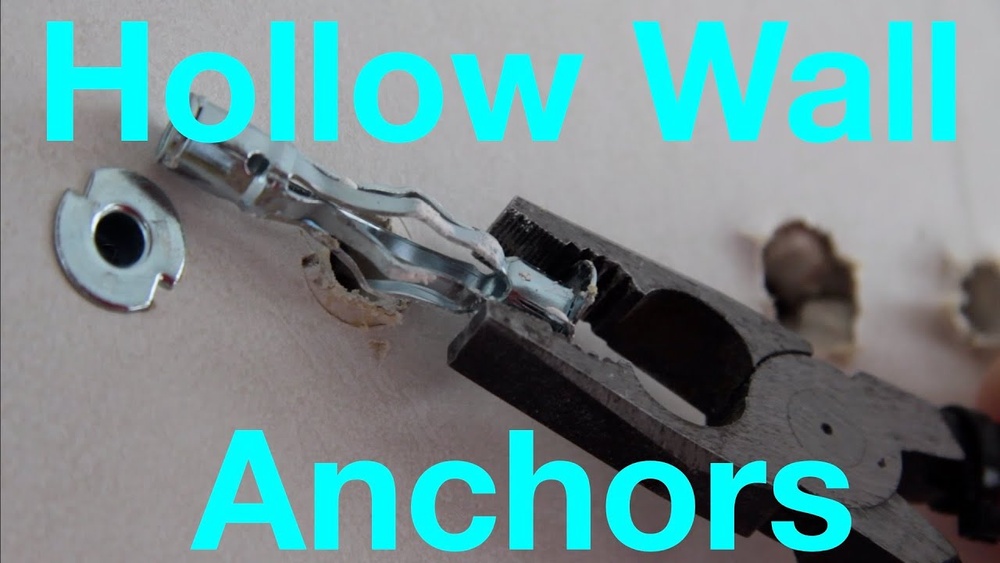
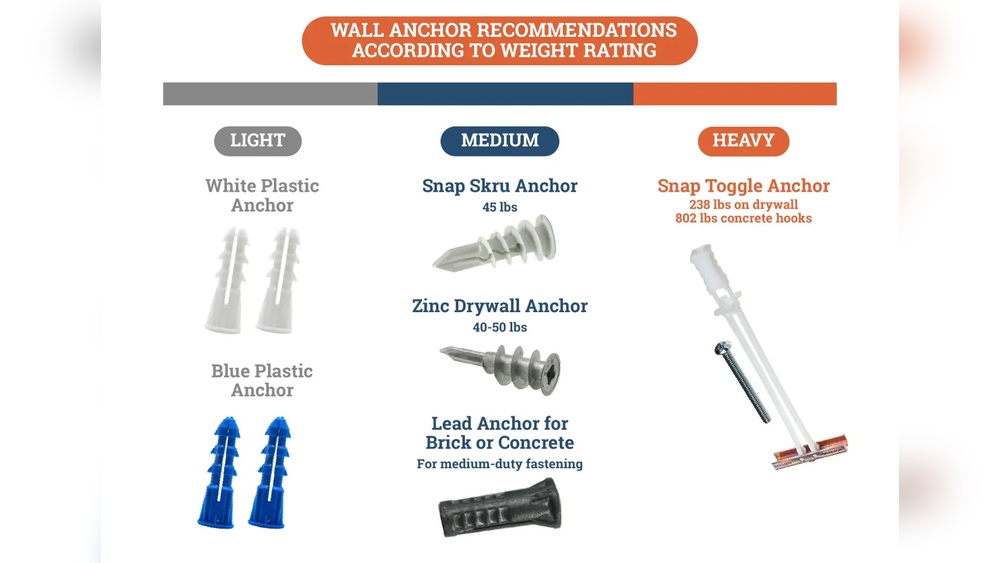
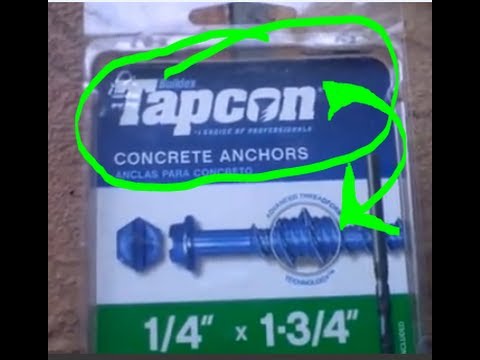
Stucco walls need special anchors made for brittle surfaces. Plastic anchors work for light items. Metal anchors offer more strength. Sleeve anchors expand inside the hole for a firm grip. Toggle bolts spread the load behind the wall. Choose anchors designed for stucco or masonry.
Weight Capacity Considerations
Know how much weight the anchor must hold. Light anchors suit small decorations or picture frames. Heavy anchors fit shelves or large fixtures. Always check the anchor’s weight limit on the package. Use anchors that can hold more than your item’s weight for safety.
Material Compatibility
Match anchor material to the stucco and fastener. Metal anchors resist rust and last longer outdoors. Plastic anchors may break or degrade over time outside. Stainless steel anchors resist corrosion well. Choose anchors that fit the environment and your stucco type.
Tools And Materials Needed
Preparing to install wall anchors in stucco requires specific tools and materials. Having the right items makes the job easier and safer. Gather everything before starting to avoid interruptions.
Drill And Drill Bits
A power drill is essential for making holes in stucco. Use masonry drill bits that match the size of your anchors. These bits are designed to cut through hard surfaces like stucco and concrete.
Pick drill bits that fit the anchor diameter. Using the wrong size can damage the wall or cause a weak hold.
Screwdrivers And Screws
Choose screwdrivers that fit your screws well. A good fit prevents stripping the screw heads during installation. Both flathead and Phillips screwdrivers might be needed.
Use screws that match the wall anchors. The right screws ensure a tight and secure fit. Check the length and thickness before buying.
Safety Gear
Safety gear protects you from dust and debris. Wear safety goggles to shield your eyes during drilling. Use a dust mask to avoid breathing in fine particles.
Gloves protect your hands from rough surfaces and sharp edges. Always use safety gear to work comfortably and avoid injuries.
Preparing The Stucco Surface
Preparing the stucco surface is the first step before installing wall anchors. A clean and solid surface ensures the anchors hold firmly. Careful preparation helps avoid damage to the stucco and keeps your installation safe.
Locating Studs Or Solid Backing
Find the studs or solid backing behind the stucco. Use a stud finder for accuracy. Anchors hold best when attached to a solid structure. Mark the spots where you find studs. Avoid weak or hollow areas to prevent anchor failure.
Marking Anchor Points
Mark the exact points where you want to place anchors. Use a pencil or masking tape for clear marks. Double-check measurements for even spacing. Precise markings help guide drilling and keep the installation neat.
Cleaning The Area
Clean the marked area before drilling. Remove dust, dirt, and loose stucco pieces. Use a brush or a damp cloth for cleaning. A clean surface improves anchor grip and prevents slipping. Let the area dry fully before continuing.
Credit: www.youtube.com
Drilling The Hole
Drilling the hole in stucco is a crucial step when installing wall anchors. It requires care and the right tools to avoid damage. Proper drilling ensures the anchor fits well and holds firmly. Follow these tips to drill safely and effectively into stucco walls.
Choosing The Right Drill Bit Size
Select a drill bit that matches the anchor size exactly. Too large a bit makes the hole loose. Too small a bit can cause the stucco to crack. Check the anchor package for the recommended drill bit size. Use a masonry bit designed for stucco and concrete.
Drilling Techniques For Stucco
Start drilling slowly to create a small guide hole. Increase speed gradually but keep control. Hold the drill steady and straight to avoid widening the hole. Drill just deep enough for the anchor length. Clear dust from the hole with a brush or air blower.
Avoiding Stucco Cracks
Apply light pressure while drilling. Let the drill bit do the work. Avoid pushing hard or twisting the drill too much. Drill at a low speed to reduce heat and stress. Stop if you hear cracking sounds and reposition the bit slightly. These steps help keep stucco intact.
Installing The Wall Anchor
Installing wall anchors in stucco requires careful steps to ensure a strong hold. This process supports items securely on the rough surface. Follow these clear instructions for proper anchor placement.
Inserting Plastic Or Metal Anchors
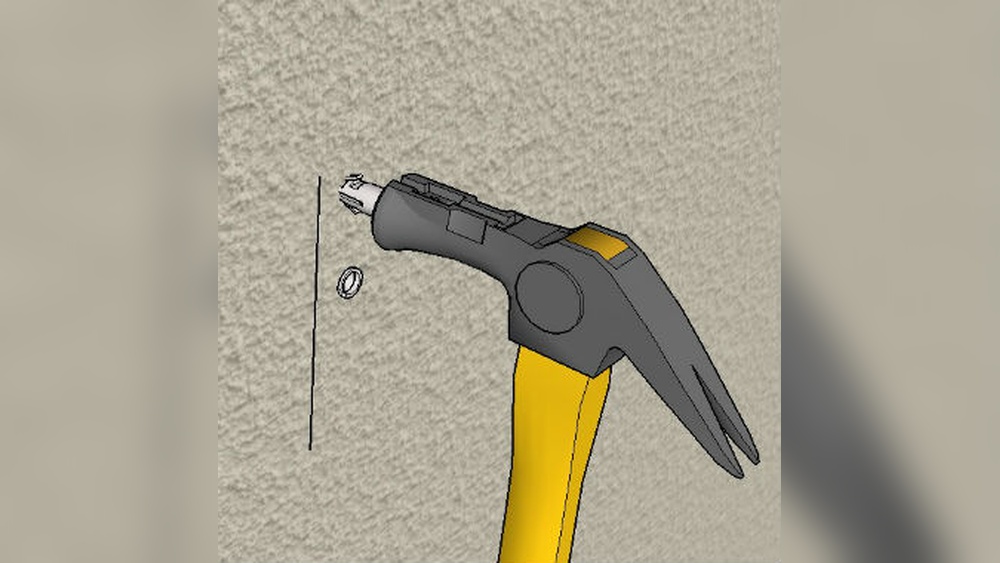
Start by drilling a hole that matches the anchor size. Gently push the plastic or metal anchor into the hole. Use a hammer lightly if the anchor feels tight. Avoid forcing to prevent stucco damage. The anchor should sit flush with the surface.
Using Expansion Or Sleeve Anchors
Expansion anchors work by spreading inside the hole. Insert the anchor, then tighten the bolt to expand it. Sleeve anchors fit into the hole and expand outward when tightened. Both types need the correct hole size for a firm fit. Tighten slowly to avoid cracking stucco.
Securing Anchors Firmly
Check the anchor for movement before attaching items. Tighten screws or bolts until the anchor feels solid. Do not overtighten to avoid breaking the stucco. A firm anchor ensures safe and lasting support. Test the hold by gently pulling on the fixture.
Attaching Fixtures To Anchors
Attaching fixtures to wall anchors in stucco requires careful steps. Proper attachment ensures the fixture stays secure and safe. This part guides you through aligning, screwing, and checking stability.
Aligning Fixtures Correctly
Place the fixture over the wall anchors carefully. Match the screw holes on the fixture with the anchors. Use a level to keep the fixture straight. Adjust until the fixture fits perfectly on the anchors.
Screwing Into Anchors
Choose screws that fit your wall anchors well. Insert screws slowly and turn them by hand first. Use a screwdriver to tighten screws firmly but gently. Avoid over-tightening to prevent damage to the anchors or stucco.
Ensuring Stability
After screwing, check the fixture for any movement. Push or pull gently to test its hold. If it moves, tighten screws a little more. A stable fixture stays firmly in place without wobbling.
Tips For Long-lasting Support
Ensuring wall anchors hold strong in stucco needs care and smart steps. Good support lasts longer and keeps things safe. This section shares simple tips to help anchors stay solid over time.
Avoiding Over-tightening
Do not tighten anchors too much. Over-tightening can crack stucco around the anchor. Cracks reduce the anchor’s grip and strength. Tighten anchors just enough to hold firm. Stop once you feel resistance.
Regular Inspection
Check your anchors often for any damage or looseness. Stucco can shift or crack, affecting anchor support. Inspect especially after storms or heavy winds. Early fixes prevent bigger problems later.
Weatherproofing Anchors
Protect anchors from rain and moisture. Use sealant around the holes after installation. This stops water from entering and damaging the wall. Weatherproofing keeps anchors stable and extends their life.

Credit: atlasstucco.com
Frequently Asked Questions
What Tools Are Needed To Install Wall Anchors In Stucco?
You need a drill with a masonry bit, wall anchors, screws, a screwdriver, and safety goggles. These tools ensure precise and safe installation in stucco walls.
How Do You Drill Holes In Stucco Without Cracking It?
Use a masonry bit and drill slowly with light pressure. Avoid pushing too hard to prevent cracking the stucco surface.
Which Type Of Wall Anchor Works Best For Stucco?
Plastic expansion anchors or sleeve anchors work well in stucco. They provide a secure hold without damaging the fragile surface.
Can I Install Wall Anchors On Painted Stucco Surfaces?
Yes, you can install anchors on painted stucco. Drill carefully to avoid chipping the paint and use anchors suitable for masonry.
Conclusion
Installing wall anchors in stucco is simple with the right steps. Start by choosing the correct anchor for your wall type. Drill carefully to avoid cracking the stucco. Insert the anchor firmly for strong support. Tighten screws gently to hold items securely.
These steps help hang things safely on stucco walls. Practice patience and take your time for best results. You can now hang shelves, pictures, or decorations with confidence. Enjoy your sturdy and well-installed wall anchors.