Is your deadbolt stuck and refusing to budge? It’s frustrating when you can’t unlock your door, especially when you need quick access.
But don’t worry—you don’t have to call a locksmith just yet. You’ll discover simple, effective steps to remove that stubborn deadbolt yourself. By the end, you’ll feel confident handling the problem safely and save time and money. Keep reading to unlock the solution and regain control over your door!

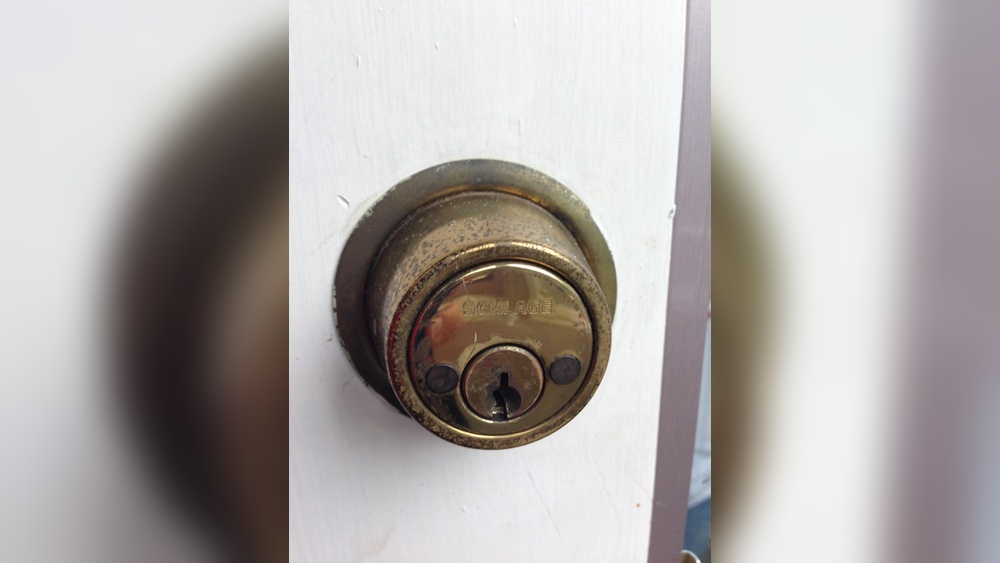
Credit: diy.stackexchange.com
Tools Needed
Removing a stuck deadbolt can be tricky without the right tools. Using proper tools makes the job easier and safer. Prepare these tools before starting to avoid delays and frustration.
Screwdriver Set
A screwdriver set is essential. Most deadbolts have screws that hold them in place. A flathead and a Phillips screwdriver cover most screw types.
Lubricant Spray
Lubricant spray helps loosen the stuck parts. It reduces friction inside the lock mechanism. Spray it into the keyhole and around the bolt.
Pliers
Pliers give a strong grip on small parts. Use them to turn or pull stubborn pieces. Needle-nose pliers work best for tight spaces.
Drill With Drill Bits
A drill can remove screws quickly or bore through the lock. Choose drill bits that match the screw size. Use this tool carefully to avoid damage.
Hammer
A hammer can tap loose parts gently. Use it with a screwdriver or punch to free stuck components. Light taps work better than heavy hits.
Identify The Cause
Before removing a stuck deadbolt, find out what causes the problem. Identifying the cause helps fix the issue faster. It also prevents damage to the lock or door. Take time to check different parts of the lock carefully. This step saves effort and tools later.
Check For Rust
Rust often causes deadbolts to stick. Look at the lock’s metal parts closely. If you see brown or orange spots, rust is likely the problem. Rust stops the lock from moving smoothly. Clean the rust with a wire brush or rust remover. This can free the lock without removing it.
Inspect The Lock Mechanism
Open the lock cover to see inside the lock. Dirt or debris can block the moving parts. Check if the latch or bolt moves freely. Small pieces or broken springs may jam the lock. Clear out any dust or dirt. If parts are damaged, prepare to replace them.
Examine The Door Alignment
Sometimes, the door itself causes the deadbolt to stick. Look at how the door fits in the frame. If the door is crooked or swollen, the bolt may not line up. Test the door by closing it slowly. Notice any tight spots near the lock. Fixing the door alignment can solve the problem without lock removal.
Lubricate The Deadbolt
Lubricating a stuck deadbolt helps ease its movement. It reduces friction inside the lock. This step often frees the bolt without extra tools. Proper lubrication can extend the lock’s life. It keeps the mechanism working smoothly.
Choose The Right Lubricant
Use a lubricant made for locks or small mechanisms. Graphite powder works well because it does not attract dust. Silicone spray is another good choice. Avoid oil-based lubricants like WD-40. They can cause buildup inside the lock over time. Read labels to find a lubricant safe for metal parts.
Apply And Test
Spray or sprinkle a small amount into the keyhole. Insert and turn the key gently several times. This helps spread the lubricant inside the lock. Wipe off any excess from the surface. Test the deadbolt’s movement by sliding it back and forth. Repeat the process if the bolt still feels stiff.

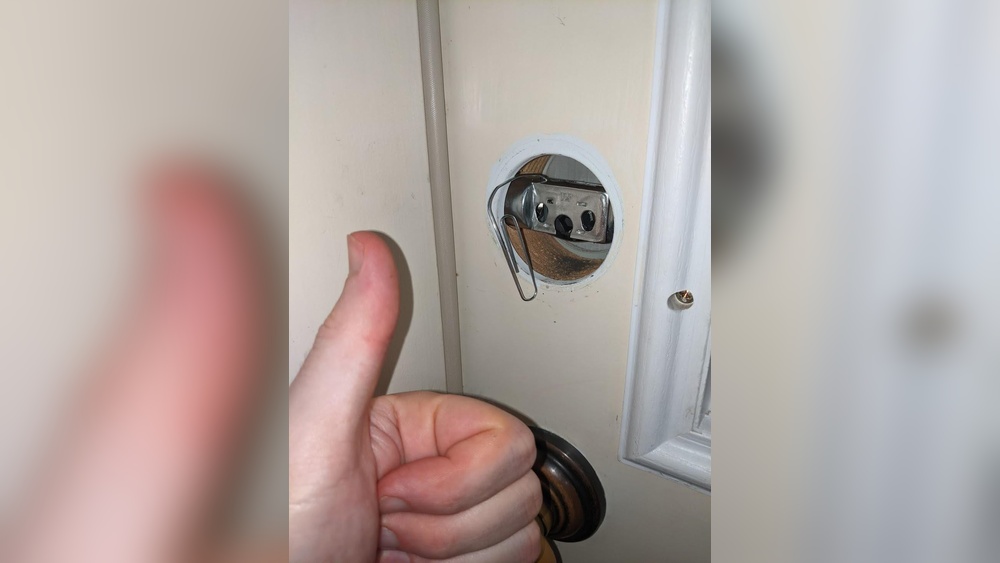
Credit: www.reddit.com
Remove The Deadbolt Screws
Removing the screws from a deadbolt is an important step to free it from the door. This step requires care and the right tools. Missing any screws can make the deadbolt stay stuck. Take your time to find all screws before trying to remove them.
Locate All Screws
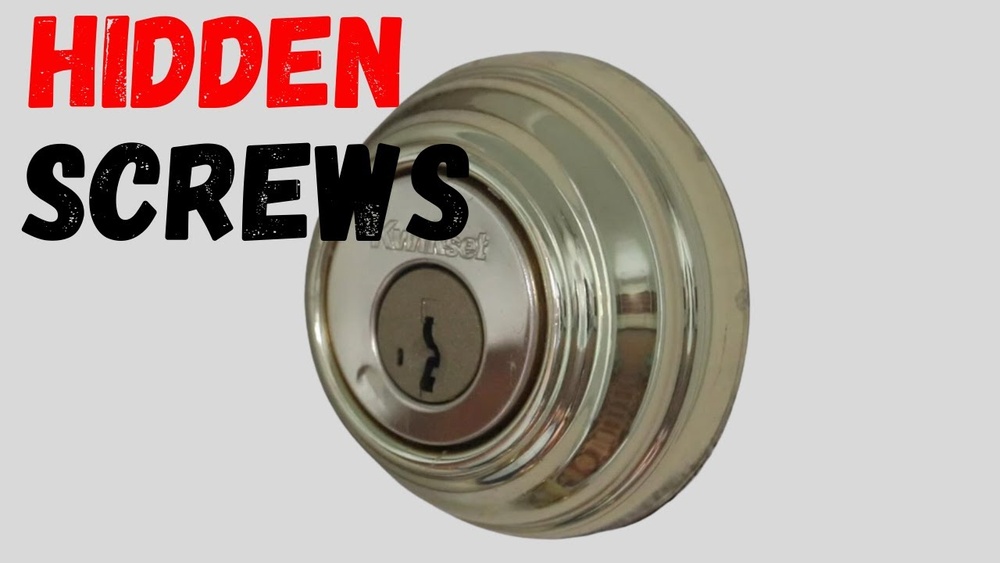
Look on both sides of the door for screws. Screws hold the deadbolt plate and lock together. Check around the faceplate and the inside knob or thumb turn. Some screws might be hidden under small covers. Use a flat tool to gently pry off covers if needed. Count all screws before starting to remove them.
Use Proper Screwdrivers
Use a screwdriver that fits the screws well. Most deadbolt screws use a Phillips head screwdriver. Using the wrong tool can strip the screw heads. Stripped screws are hard to remove and may damage the door. Turn screws slowly and steadily to avoid slipping. Keep the screws safe after removal for reassembly.
Free The Stuck Deadbolt
A deadbolt can get stuck for many reasons, such as dirt, rust, or misalignment. Freeing the stuck deadbolt is the first step to removing it safely. This part explains simple ways to loosen the deadbolt without causing damage.
Gentle Tapping Techniques
Start by tapping the deadbolt gently with a small hammer or a wooden block. Tap around the edges to avoid damage. This method can help loosen dirt or rust inside the lock. Do not use too much force. Light taps often work better than hard hits.
Try tapping while turning the key or knob slowly. The vibration may free stuck parts inside the lock. Repeat this process a few times. Patience is key to avoid breaking the lock.
Using A Flat Tool To Pry
Use a flat tool like a putty knife or flathead screwdriver to pry the deadbolt. Insert the tool gently between the door and the deadbolt edge. Apply slight pressure to move the bolt.
Move the tool slowly and carefully to avoid scratching the door. Work around the bolt’s edge to find the tight spot. This method helps when the bolt is jammed in the door frame.
Stop if you feel strong resistance. Force can damage the door or lock. Try tapping again or use lubricant before prying more.
Disassemble The Lock
Disassembling the lock is the next step to fix a stuck deadbolt. It helps to see inside the lock and find the problem. You need to take apart the lock carefully. This lets you check each part and remove any stuck pieces. Follow these steps to disassemble the lock safely.
Remove The Faceplate
Start by locating the faceplate on the door edge. Use a screwdriver to take out the screws holding it. Keep the screws safe for later. Pull the faceplate off gently. This exposes the bolt and the inside parts of the lock. Be careful not to damage the door or the lock parts.
Extract Internal Components
Look inside the lock after removing the faceplate. Find the bolt and other small parts. Use tools like pliers or a screwdriver to take them out. Note how the pieces fit together for reassembly. Clean any dirt or rust you find. Removing these parts helps fix the stuck mechanism quickly.
Clean And Repair Parts
Cleaning and repairing the deadbolt parts is key to fixing a stuck lock. Dirt and rust block smooth movement. Worn parts stop the lock from working well. Fixing these issues can help the deadbolt work like new.
Start with cleaning to clear out grime and rust. Then check for broken pieces. Replace any parts that look worn or damaged. This process makes the deadbolt easier to remove and use again.
Remove Debris And Rust
Use a small brush to clear dirt from the deadbolt. Pay close attention to crevices and moving parts. Rust loosens the mechanism and makes it stick. Apply a rust remover or a mix of vinegar and baking soda. Let it sit for a few minutes, then scrub gently. Wipe everything clean with a dry cloth. Repeat if needed until the metal shines.
Replace Damaged Components
Look closely at the deadbolt parts for cracks or bends. Check the bolt, screws, and cylinder. Broken parts cause the lock to jam. Buy exact replacements from a hardware store. Use a screwdriver to remove old screws and parts carefully. Fit the new pieces firmly in place. Tighten screws just enough to hold parts steady. Test the lock to ensure smooth operation.

Credit: www.reddit.com
Reinstall The Deadbolt
Reinstalling the deadbolt is a key step after fixing or removing a stuck lock. Proper reinstallation ensures the lock works smoothly and keeps your door secure. Take your time to fit each part carefully. This helps avoid future problems with the lock.
Align Components Properly
Start by placing the deadbolt into the door hole. Make sure the bolt slides into the strike plate on the door frame. Check that the inner and outer parts line up perfectly. Misaligned parts cause the lock to jam or not turn. Test the bolt by sliding it in and out before tightening anything.
Secure Screws Tightly
Use a screwdriver to fasten all screws firmly. Loose screws can make the deadbolt wobble or fail. Tighten each screw evenly to keep everything stable. Avoid over-tightening as it can damage the lock or door. After securing screws, test the lock by turning the key or thumb turn several times.
Prevent Future Sticking
Preventing a deadbolt from sticking saves time and frustration. Small actions keep your lock working smoothly. This section shares simple ways to avoid future problems with your deadbolt.
Regular Maintenance Tips
Clean the deadbolt regularly with a soft cloth. Dirt and dust build-up causes sticking. Use a graphite lubricant or silicone spray for smooth movement. Avoid oil-based lubricants; they attract dirt. Check the screws and tighten them if loose. Test the lock monthly to catch early issues. These steps keep your deadbolt in good shape.
Environmental Considerations
Weather affects deadbolt performance. Moisture can cause rust and swelling. Install a weather shield or door sweep to block rain. Keep the area around the lock dry. Avoid exposing the lock to extreme cold or heat. Adjust maintenance frequency based on your climate. Protecting your lock from the environment extends its life.
Frequently Asked Questions
How Do I Unlock A Stuck Deadbolt Safely?
To unlock a stuck deadbolt, apply graphite lubricant to the keyhole. Avoid forcing the key to prevent damage. Gently jiggle the key while turning. If it remains stuck, use a screwdriver to remove the lock carefully.
What Tools Are Needed To Remove A Stuck Deadbolt?
You need a screwdriver (usually Phillips or flathead), lubricant, and possibly pliers. A drill might be required if screws are stripped. These tools help you loosen and remove the deadbolt without damaging the door.
Can Lubrication Fix A Jammed Deadbolt?
Yes, lubrication often resolves jammed deadbolts. Use graphite powder or silicone spray for best results. Avoid oil-based lubricants as they attract dirt. Apply lubricant inside the keyhole and bolt mechanism, then work the lock to free it.
When Should I Call A Locksmith For A Stuck Deadbolt?
Call a locksmith if the deadbolt won’t turn after lubrication and gentle force. Also, seek help if screws are stripped or the lock is damaged. Professionals ensure safe removal without harming your door or lock.
Conclusion
Removing a stuck deadbolt can seem tough. Take your time and follow each step carefully. Use the right tools and stay patient throughout the process. Small mistakes can cause more damage. If the deadbolt still won’t budge, consider asking a professional for help.
Keeping your door locks in good shape is important for safety. Regular maintenance can prevent future problems. Now, you have the knowledge to handle a stuck deadbolt with confidence. Don’t rush—work slowly and safely for the best results.