Are you looking to hang something heavy or secure a fixture to your concrete wall but unsure how to do it right? Putting an anchor in a concrete wall might sound tricky, but with the right steps, you can do it yourself quickly and safely.
Imagine the confidence you’ll feel once you know exactly how to drill, insert, and tighten anchors that hold strong without cracking or slipping. Keep reading, and you’ll discover simple tips that save you time, avoid common mistakes, and make your project a success from start to finish.
Your walls—and your peace of mind—will thank you!

Credit: www.picturehangsolutions.com
Choosing The Right Anchor
Choosing the right anchor is key to a strong hold in concrete walls. Each project needs a specific type of anchor. The correct choice prevents damage and ensures safety. Understanding anchor types and factors helps pick the best option.
Types Of Concrete Anchors
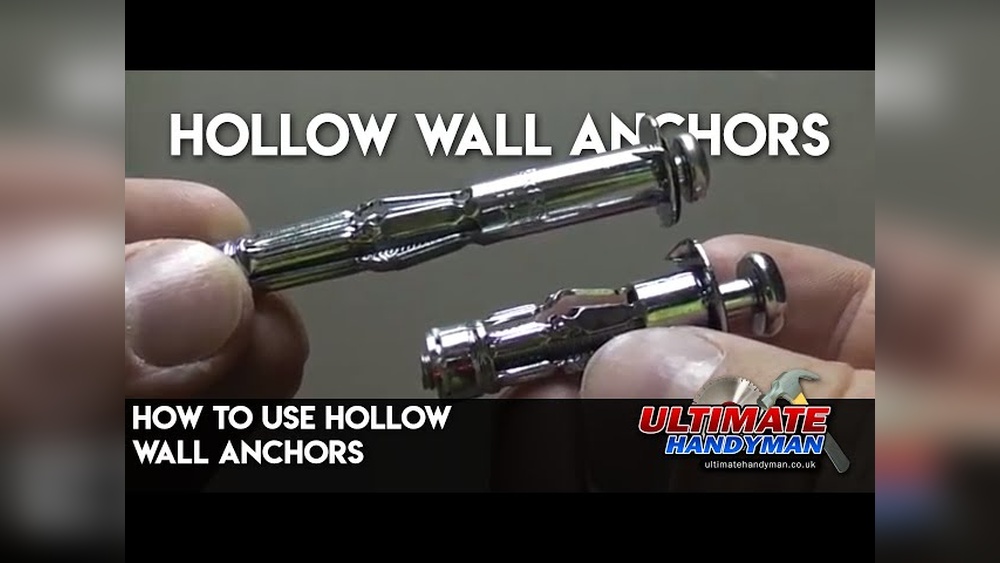
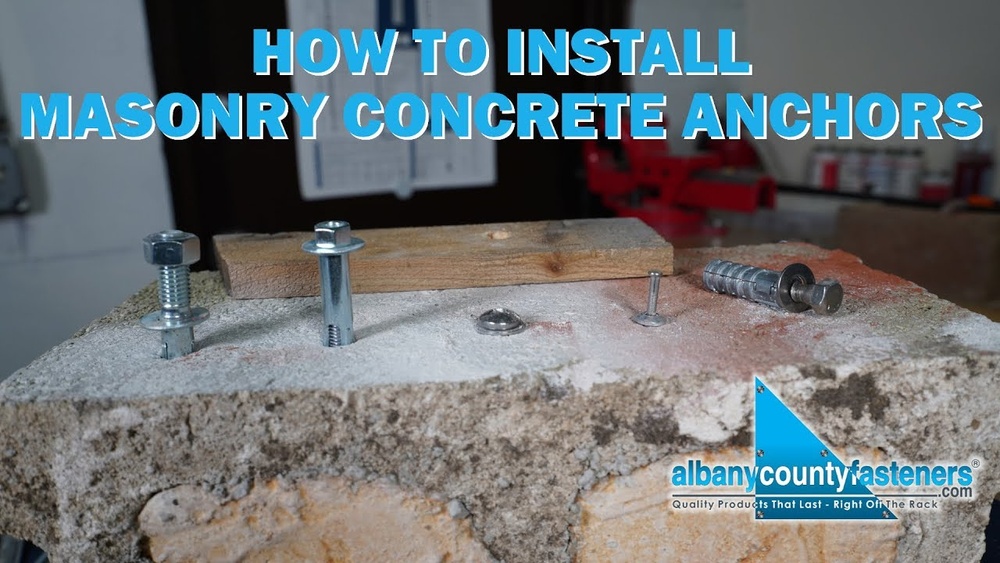
Concrete anchors come in many forms. Wedge anchors expand inside the hole for a tight fit. Sleeve anchors use a metal sleeve that grips the wall. Drop-in anchors sit flush and hold bolts inside. Plastic anchors work for light loads and small holes.
Factors To Consider
Think about the weight of what you will hang. Harder concrete may need stronger anchors. Check the size of the hole required. Consider moisture or weather if outside. The anchor’s length and diameter matter for strength.
Tools And Materials Needed
Gather a drill with a masonry bit. Have the right anchor size ready. Use a hammer to tap anchors into place. A wrench or screwdriver helps tighten bolts. Safety glasses protect your eyes during drilling.
Credit: resources.tannerbolt.com
Preparing The Wall
Preparing the wall is the first step in installing an anchor in concrete. This stage ensures the anchor holds firmly and lasts long. It involves finding the right spot, marking it clearly, and taking safety steps.
Locating The Anchor Spot
Choose a solid area on the concrete wall. Avoid places near cracks or edges. The spot must support the weight of the item you will hang. Use a stud finder or tap the wall to check for hollow spaces.
Marking The Drilling Point
Use a pencil or marker to mark the exact drilling point. Measure twice to be sure. The mark guides the drill bit for accurate placement. Clear, visible marks prevent mistakes during drilling.
Safety Precautions
Wear safety glasses to protect your eyes from dust. Use gloves to avoid hand injuries. Keep the area clean to stop slips. Follow tool instructions carefully to prevent accidents.
Drilling The Hole
Drilling the hole is the key step to secure an anchor in a concrete wall. It needs care and the right tools. A properly drilled hole will hold the anchor firmly. Doing this right makes the whole job last longer and stay safe.
Selecting The Drill Bit
Choose a drill bit made for concrete. Masonry bits work best for tough surfaces. Match the bit size to the anchor diameter. A bit too small or large will weaken the hold. Look for carbide tips for better durability.
Drilling Technique
Mark the spot clearly before drilling. Hold the drill steady and straight. Start slow to avoid slipping. Use a hammer drill if available for faster results. Drill to the depth recommended by the anchor’s instructions.
Cleaning The Hole
Remove dust and debris from the hole. Use a brush or compressed air to clean it well. A clean hole helps the anchor grip tightly. Avoid leaving loose particles inside the hole.
Installing The Anchor
Installing an anchor in a concrete wall requires careful steps. The process ensures the anchor holds firmly and supports the load. Precision and the right tools make the job easier and safer.
Placing The Anchor Properly
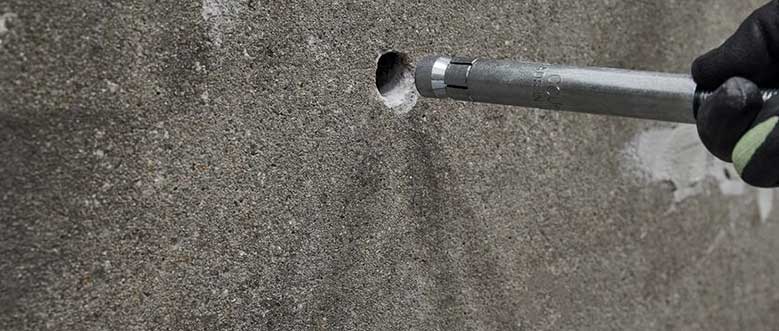
First, clean the hole from dust and debris. A clean hole helps the anchor grip better. Insert the anchor straight into the hole. Avoid tilting or forcing it in. The anchor should sit flush with the wall surface.
Securing The Anchor
Next, tighten the anchor using a wrench or screwdriver. Turn slowly and steadily. Tightening expands the anchor inside the hole. This locks it in place. Stop tightening when the anchor feels firm. Over-tightening can damage the wall or anchor.
Checking Anchor Stability
After securing, test the anchor’s hold. Gently pull or wiggle it to check stability. It should not move or loosen. If loose, remove and try a new anchor. A stable anchor ensures safety and strength for your project.
Tips For Best Results
Getting the best results when putting an anchor in a concrete wall requires care and attention. Small steps can make a big difference in strength and safety. Follow these simple tips to avoid problems and keep your anchors secure.
Use the right tools and anchors for your wall type. Measure carefully and drill straight holes. Clean the holes to remove dust before inserting anchors. These actions help the anchor hold better and last longer.
Avoiding Common Mistakes
Do not use the wrong size drill bit for the anchor. Holes that are too big or small cause weak holds. Avoid drilling too deep or shallow. Make sure anchors fit snugly in the hole. Check that the wall is solid and not cracked. Avoid using anchors in damaged concrete.
Maintenance And Inspection
Check anchors regularly for looseness or damage. Tighten any loose screws or bolts. Look for cracks or rust around the anchor area. Clean off dirt or debris to keep anchors secure. Replace any anchors that show signs of wear or failure.
When To Call A Professional
Call a professional for large or heavy loads. Seek help if the wall is old or damaged. A pro can choose the right anchor and install it safely. Avoid risks by getting expert advice for tricky jobs. Professionals have tools and skills for strong, safe anchors.

Credit: www.youtube.com
Frequently Asked Questions
What Tools Do I Need To Anchor In A Concrete Wall?
You need a drill with a masonry bit, anchors, screws, a hammer, and a screwdriver. Safety goggles are also essential.
How Do I Choose The Right Anchor For Concrete?
Select anchors based on weight, hole size, and wall thickness. Common types include expansion, sleeve, and wedge anchors.
Can I Install An Anchor Without Drilling?
No, drilling is necessary to create a hole for the anchor in concrete walls.
How Deep Should I Drill For A Concrete Anchor?
Drill a hole slightly deeper than the anchor length to ensure proper fit and secure hold.
Conclusion
Putting an anchor in a concrete wall is simple with the right steps. Choose the correct anchor for your project. Drill the hole carefully and clean out the dust. Insert the anchor firmly and tighten as needed. Taking your time helps avoid mistakes.
This way, your anchor will hold strong and last long. Try it yourself and see how easy it can be. Safety and patience make all the difference. Now, you are ready to hang or fix items securely on concrete walls.