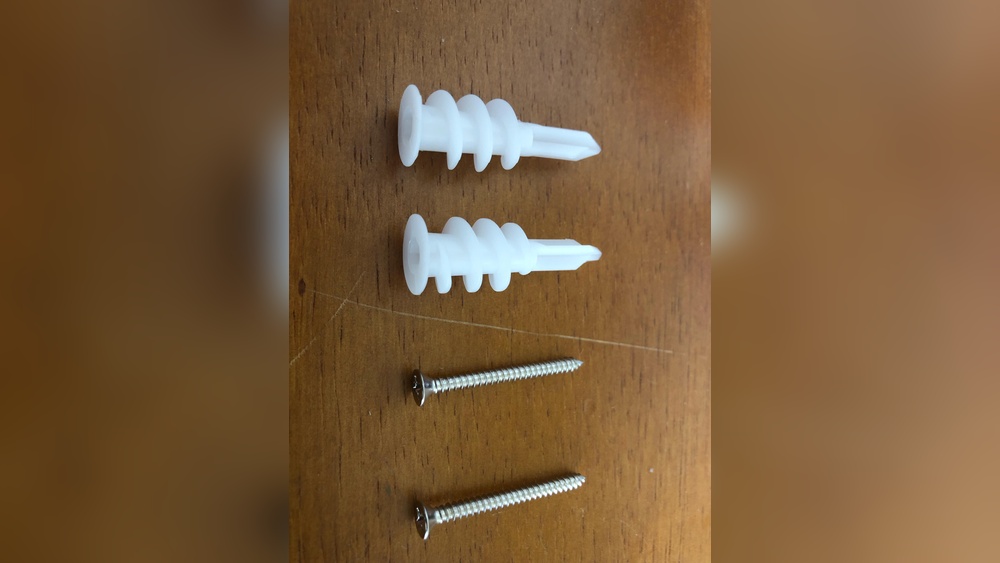
Are you struggling to hang shelves, pictures, or mirrors on your plaster walls without them falling down? Using plastic anchors is the secret to making your fixtures stay strong and secure.
But if you’ve never worked with them before, the process can seem tricky. Don’t worry—this guide will walk you through every step, so you can confidently install plastic anchors and keep your walls damage-free. Keep reading to discover simple tips and tricks that will make your next home project a success.
Credit: www.youtube.com
Choosing The Right Plastic Anchors
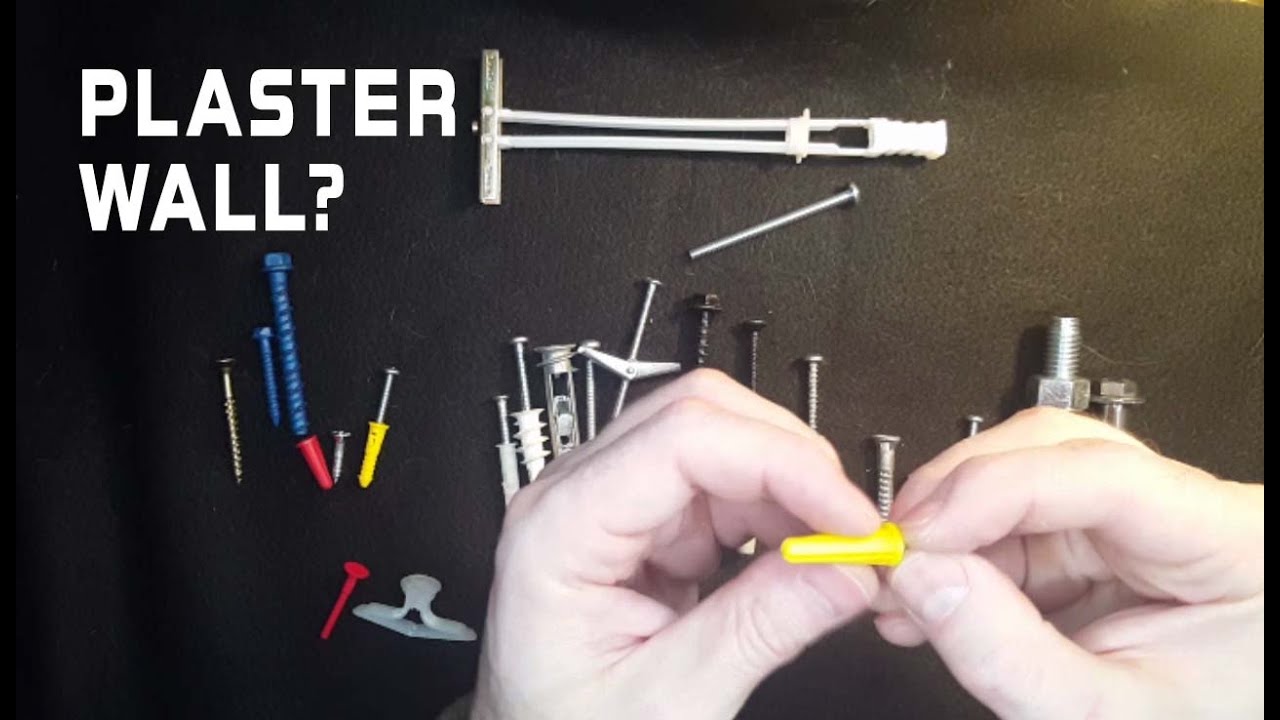
Choosing the right plastic anchors is key for a strong hold in plaster walls. The wrong type can cause damage or fail to support the item. Knowing the types, sizes, and materials helps pick the best anchor for your project. This guide breaks down what to consider before buying plastic anchors.
Types Of Plastic Anchors
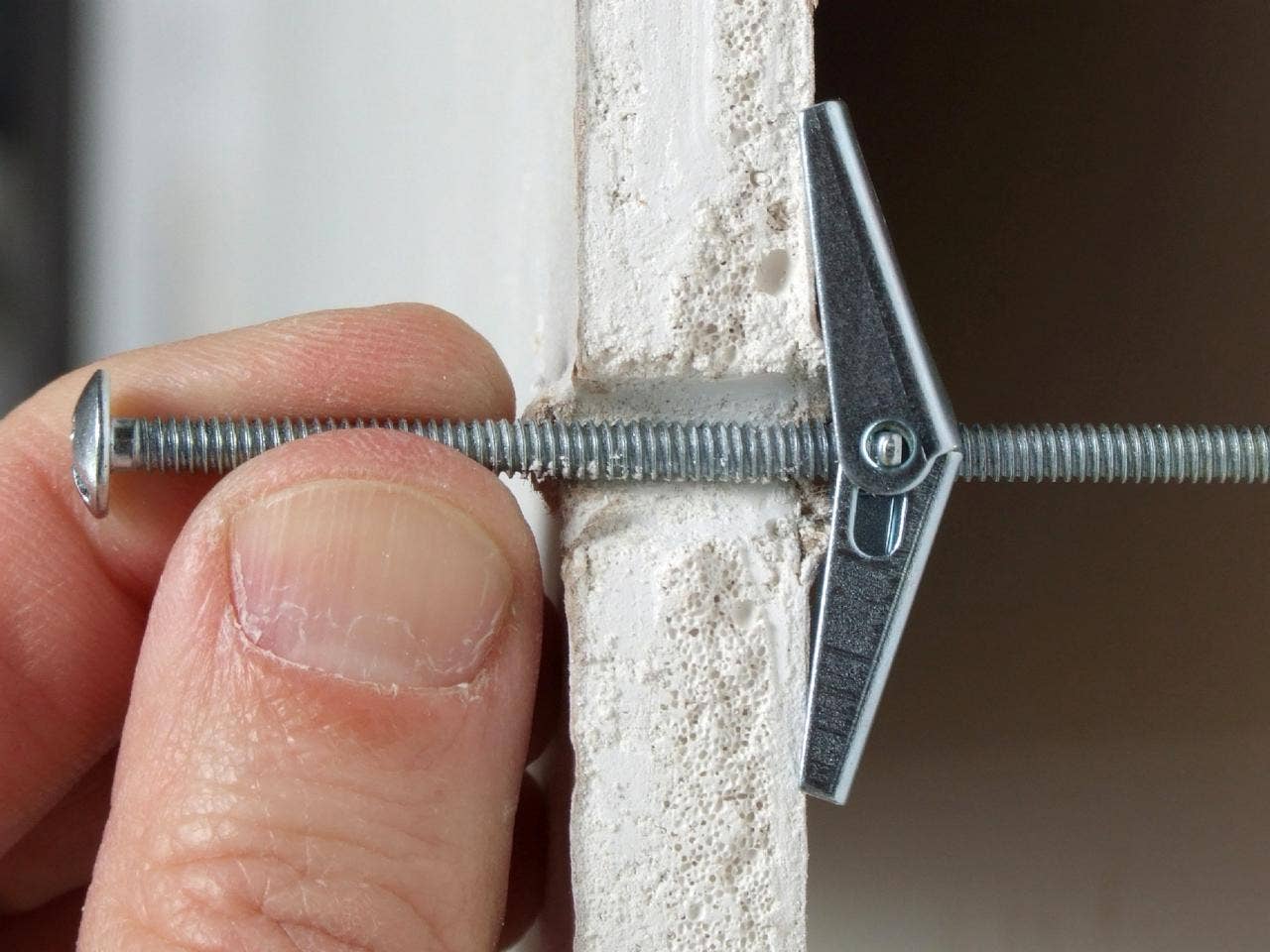
Plastic anchors come in several types. Expansion anchors spread out inside the wall to hold firmly. Some have wings that open behind the plaster for extra grip. Others are self-drilling, making installation faster. Choose an anchor type that matches the wall thickness and the item’s weight.
Size And Weight Considerations
Anchor size matters. Bigger anchors hold more weight but need larger holes. Smaller anchors suit light items like pictures. Check the weight of the object to match the anchor size. Using an anchor too small risks falling or wall damage.
Anchor Material And Quality
Not all plastic anchors are equal. Strong plastic resists breaking during installation and use. Cheap anchors may crack or lose grip over time. Pick anchors made from durable materials for long-lasting support. Quality anchors save time and prevent repairs later.
Credit: www.ashanging.com
Tools Needed For Installation
Using plastic anchors in plaster walls needs the right tools. The correct tools make the job easier and safer. You can avoid damage to your wall and get a strong hold for your screws.
Prepare all tools before starting. It saves time and helps you work smoothly. Here are the essential tools for installing plastic anchors in plaster walls.
Drills And Drill Bits
A drill is needed to make holes in plaster walls. Choose a drill with a steady speed for better control. Use a drill bit that matches the size of your plastic anchor. A bit too big or small can cause poor fitting or wall damage. A standard twist drill bit works well for plaster.
Screwdrivers And Screws
Screwdrivers help drive screws into the plastic anchors. Use the right type of screwdriver, either flathead or Phillips, depending on your screws. Screws should match the anchors in length and thickness. Too long screws can break the wall; too short screws won’t hold well. Manual or electric screwdrivers both work fine.
Measuring And Marking Tools
Measure carefully where you want to place the anchors. Use a tape measure or ruler for accurate distance. Mark spots with a pencil for precise drilling. A level tool ensures your marks are straight, especially for shelves or pictures. Proper marking prevents mistakes and uneven hanging.
Preparing Plaster Walls
Preparing plaster walls is an important step before using plastic anchors. Plaster can be fragile and may crack if not handled carefully. Taking time to prepare helps the anchor hold firmly and prevents damage. Follow these steps to get your wall ready for anchors.
Locating Studs And Avoiding Obstacles
Start by finding wall studs. Studs provide strong support for heavy items. Use a stud finder to locate them. Avoid drilling into pipes or electrical wires. These can be dangerous and cause damage. Check the wall carefully to spot any obstacles behind the plaster.
Marking Anchor Points
Mark the exact spots for your anchors with a pencil. Measure twice to be sure. Marks help guide your drilling and keep holes straight. Avoid making marks too close to edges or corners. This reduces the risk of cracking the plaster.
Drilling Pilot Holes Safely
Use a small drill bit to make pilot holes first. This helps control the hole size and prevents plaster from chipping. Drill slowly and gently. Keep the drill steady and avoid pressing hard. Stop if you feel resistance or cracking sounds.
Credit: www.youtube.com
Installing Plastic Anchors
Installing plastic anchors in plaster walls helps secure screws safely. It prevents wall damage and holds items firmly. Proper installation is important for strong support and a neat finish.
Inserting The Anchor Correctly
First, drill a hole slightly smaller than the anchor. Clean dust from the hole with a brush or cloth. Push the anchor gently until it sits flush with the wall. Avoid forcing the anchor to keep the plaster intact.
Securing Screws Without Damage
Use a screwdriver to insert the screw slowly. Stop tightening when the screw feels firm. Do not overtighten, or the anchor can crack the plaster. A steady hand keeps the wall safe and the screw secure.
Testing Anchor Stability
Pull gently on the screw to check the hold. The anchor should not move or wiggle. If loose, remove and try a larger anchor or different spot. Stable anchors give confidence in hanging shelves or frames.
Common Mistakes To Avoid
Using plastic anchors in plaster walls can be tricky. Many make simple mistakes that cause anchors to fail. Avoiding these errors saves time and keeps your walls safe. Here are common mistakes to watch out for.
Overdrilling Or Undrilling Holes
Drilling the wrong hole size is a common problem. A hole too big makes the anchor loose. It will not hold the screw firmly. A hole too small can crack the plaster. It also makes inserting the anchor very hard. Measure carefully and use the right drill bit size.
Using Wrong Anchor Types
Not all anchors suit plaster walls. Some anchors work only for drywall or masonry. Using the wrong type leads to poor grip. Choose plastic anchors designed for plaster walls. Check the package or product details before buying.
Ignoring Weight Limits
Each anchor has a weight limit. Exceeding this limit can cause damage. The anchor may pull out or break the wall. Always check the weight rating. Match it to the object’s weight you want to hang.
Maintenance And Removal Tips
Proper care keeps plastic anchors strong in plaster walls. Regular checks and careful removal help protect your wall. Follow simple steps to maintain anchors and fix holes after removing them.
Checking For Looseness Over Time
Plastic anchors may loosen after some time. Gently wiggle the item attached to the anchor. If it moves or feels weak, the anchor might be loose. Tighten screws slightly to secure it again. Avoid overtightening to prevent damage.
Removing Anchors Without Wall Damage
Start by unscrewing any attached screws. Pull the anchor out slowly using pliers. If it resists, push it inside the wall carefully. Avoid forcing the anchor to stop plaster from cracking. Use gentle pressure for safe removal.
Repairing Holes After Removal
Fill holes with spackle or plaster patch. Apply the filler using a putty knife and smooth it flat. Let it dry completely before sanding. Paint over the repair to match your wall color. This restores your wall to a clean look.
Frequently Asked Questions
What Are Plastic Anchors Used For In Plaster Walls?
Plastic anchors provide strong support for screws in plaster walls. They prevent screws from pulling out and help hang items securely.
How Do You Install Plastic Anchors In Plaster Walls?
First, drill a hole matching the anchor size. Insert the plastic anchor, then screw into it. This ensures a tight, stable fit.
Can Plastic Anchors Hold Heavy Items On Plaster Walls?
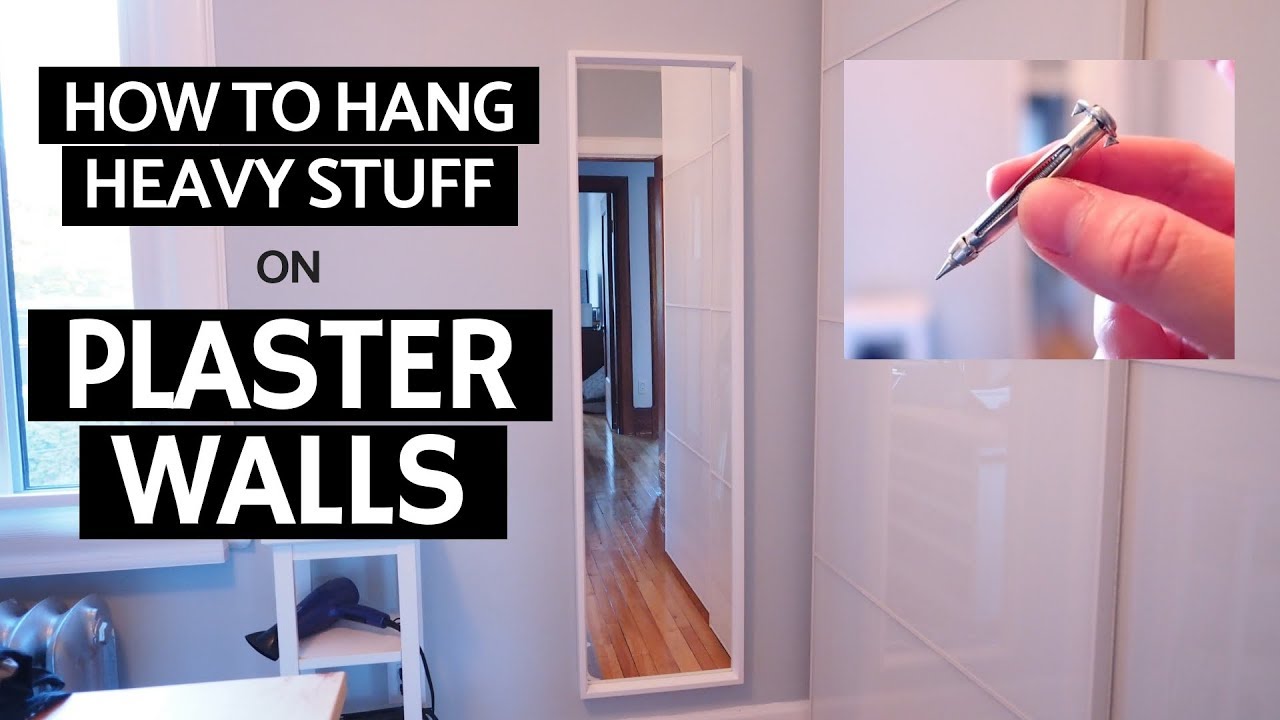
Plastic anchors can hold light to medium-weight items. For heavier objects, use metal anchors or wall studs for better support.
Do Plastic Anchors Damage Plaster Walls?
Plastic anchors cause minimal damage if installed correctly. Using the right drill bit size reduces cracking or chipping in plaster walls.
Conclusion
Using plastic anchors in plaster walls makes hanging items much easier. Choose the right anchor size for your wall and the object’s weight. Drill a small hole, insert the anchor, and then screw in your fixture. This method keeps your walls safe and strong.
With practice, you will hang pictures, shelves, and more with confidence. Simple steps lead to great results. Try it yourself and see how secure your items stay on plaster walls.

