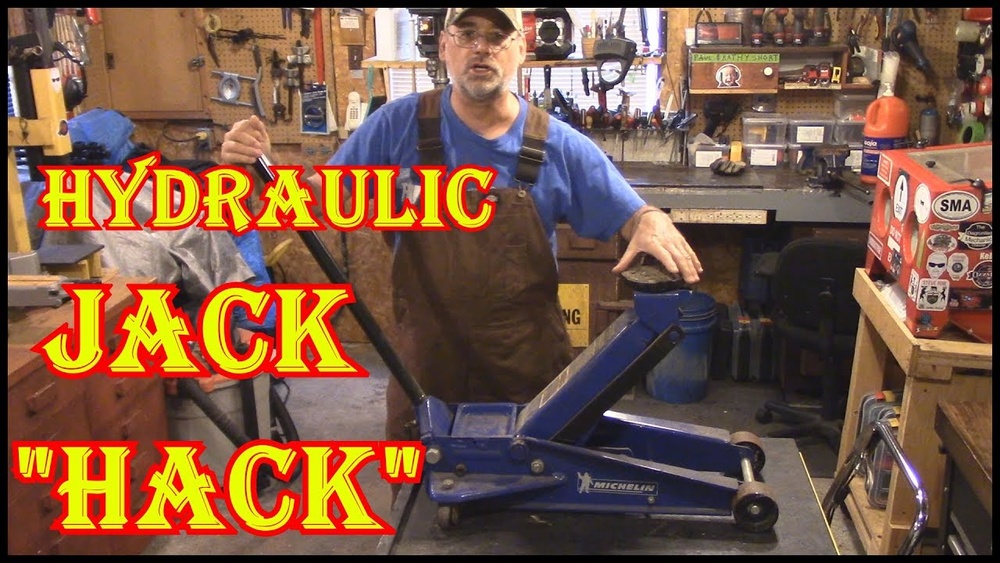
Is your floor jack losing pressure and leaving you stuck mid-lift? You’re not alone, and fixing it might be easier than you think.
When your jack won’t hold pressure, it can put your projects on hold and create safety risks. But don’t worry—this guide will walk you through simple steps to get your floor jack working like new again. By the end, you’ll know exactly how to repair your jack, save money, and avoid frustration.
Keep reading to take control and get your tools back in top shape.

Credit: www.youtube.com
Common Causes Of Pressure Loss
Pressure loss in a floor jack can stop it from holding weight properly. This problem makes the jack unsafe and hard to use. Understanding why the jack loses pressure helps fix it fast. Common causes include worn parts, leaks, and broken mechanisms. Each issue affects the jack’s ability to hold pressure securely.
Worn Seals And O-rings
Seals and O-rings keep the hydraulic fluid inside the jack. Over time, these parts wear out or crack. When this happens, fluid can escape. The jack loses pressure and cannot lift heavy loads. Replacing old seals and O-rings often solves the problem.
Air Or Hydraulic Fluid Leaks
Leaks let air or fluid escape from the jack. Air in the system causes it to lose pressure quickly. Fluid leaks reduce the amount needed to lift the load. Check all connections and hoses for cracks or holes. Fixing leaks helps restore full pressure.
Damaged Release Valve
The release valve controls pressure inside the jack. If it breaks or gets stuck, pressure will drop. A damaged valve may not hold the load safely. Testing and replacing the valve can stop pressure loss.
Faulty Pump Mechanism
The pump moves fluid to create pressure. A broken or worn pump cannot build enough pressure. This makes the jack weak and unreliable. Repairing or replacing the pump restores proper pressure and function.
Tools And Materials Needed
Fixing a floor jack that won’t hold pressure needs the right tools and materials. Using proper items makes the repair easier and safer. Prepare all tools before starting the job. This saves time and helps avoid mistakes.
Basic Hand Tools
You need simple hand tools like wrenches and screwdrivers. A set of pliers helps to grip small parts. A hammer can assist in loosening stuck components. Have a clean cloth ready to wipe parts. These tools help you open and check the jack.
Replacement Seals And O-rings
Damaged seals cause pressure loss in floor jacks. Get new seals and O-rings that fit your model. These parts stop hydraulic fluid from leaking. Make sure to buy high-quality replacements. Proper seals restore the jack’s pressure hold.
Hydraulic Fluid Types
Use the correct hydraulic fluid for your floor jack. Check your jack’s manual for recommended fluid types. Using the wrong fluid can damage the system. Common fluids include mineral oil and synthetic hydraulic oil. Clean fluid ensures smooth jack operation.
Cleaning Supplies
Keep cleaning supplies ready to remove dirt and old fluid. Use rags, brushes, and a container for waste fluid. A degreaser helps clean metal parts well. Clean parts prevent contamination and improve repair success. Proper cleaning is key to good maintenance.
Step-by-step Repair Process
Repairing a floor jack that won’t hold pressure needs careful steps. Follow this guide to fix your jack safely and correctly. Each step helps you find and solve common problems. Keep your tools ready and work slowly.
Safety Precautions
Work in a clean, flat area. Wear gloves and safety glasses. Do not use the jack under a heavy load. Release all pressure before starting. Keep children and pets away during repair.
Inspecting The Floor Jack
Check the jack for visible damage. Look for leaks or worn parts. Pump the handle and watch for slow lifting. Listen for unusual noises. Note any parts that seem loose or broken.
Replacing Seals And O-rings
Remove the jack’s hydraulic cylinder carefully. Find old seals and O-rings inside the cylinder. Remove them with a small tool. Clean the area with a cloth. Install new seals and O-rings of the same size. This stops leaks and keeps pressure.
Fixing The Release Valve
Locate the release valve near the handle. Turn it to check if it moves smoothly. Clean any dirt or rust around it. Replace the valve if it is damaged. Proper valve function keeps pressure steady.
Refilling Hydraulic Fluid
Open the fluid fill plug. Use the right hydraulic oil for your jack. Pour slowly to avoid air bubbles. Fill to the recommended level. Close the plug tightly. Pump the handle to spread the fluid inside.

Credit: stonedesignbysantos.com
Testing And Maintenance Tips
Testing and maintenance are important for a floor jack that won’t hold pressure. They help find the problem and keep the jack working well. Regular checks avoid bigger issues and save time and money.
Pressure Testing The Jack
Start by raising the jack slowly with a small load. Watch if it holds the weight without dropping. If it lowers quickly, air or fluid may be inside. Check the release valve and seals. Tighten or replace parts that leak pressure.
Regular Maintenance Routines
Clean the jack after each use to remove dirt and dust. Check the oil level often and add hydraulic fluid if low. Lubricate moving parts to avoid rust and friction. Inspect seals and replace damaged ones to stop leaks.
Preventing Future Pressure Loss
Store the jack in a dry place to prevent rust. Avoid overloading beyond the jack’s limit. Close the release valve tightly after use. Test pressure regularly to catch problems early. Proper care keeps the jack safe and reliable.
When To Seek Professional Help
Knowing when to seek professional help for a floor jack that won’t hold pressure is important. Some problems need expert tools and skills to fix properly. Trying to repair serious issues alone can be dangerous and costly.
Experts can quickly find hidden damage and fix it safely. They also ensure the jack works correctly after repair. This avoids accidents and saves time in the long run.
Signs Of Major Damage
Look for cracks or broken parts on the jack frame. Leaking hydraulic fluid is a clear sign of a serious problem. If the jack handle feels loose or does not pump smoothly, it may need expert attention. Strange noises during use also indicate internal damage. These signs show the jack may be unsafe to use until fixed.
Costs Vs. Replacement
Repair costs can add up, especially for major damage. Sometimes, buying a new floor jack is more affordable than fixing an old one. Consider the age and condition of your jack before deciding. A professional can advise if repair is worth the cost. Safety and reliability should guide your choice between repair and replacement.

Credit: stonedesignbysantos.com
Frequently Asked Questions
Why Won’t My Floor Jack Hold Pressure?
A floor jack won’t hold pressure due to air leaks or worn seals. Check for damaged O-rings, faulty valves, or low hydraulic fluid. Replacing these parts usually restores pressure retention effectively.
How Do I Fix A Leaking Floor Jack?
To fix a leaking floor jack, identify the leak source first. Tighten loose fittings or replace damaged seals and O-rings. Refill hydraulic fluid to the recommended level and test for leaks.
What Causes A Floor Jack To Lose Pressure?
Loss of pressure in a floor jack often stems from worn seals or air trapped in the system. Hydraulic fluid contamination or low fluid levels also reduce pressure retention.
Can I Repair A Floor Jack Without Professional Help?
Yes, you can repair a floor jack yourself by replacing seals, O-rings, and hydraulic fluid. Follow safety guidelines and use proper tools for effective DIY repairs.
Conclusion
Fixing a floor jack that won’t hold pressure takes patience and care. Check seals, oil levels, and valves carefully. Clean or replace parts that look worn or damaged. Test the jack often during repairs for safety. A working floor jack saves time and protects you.
Keep tools ready and follow steps one by one. Small fixes make a big difference. Now you can handle this repair with confidence.