Hanging hooks on a brick wall might seem tricky, but it doesn’t have to be. If you want to add storage or display space without damaging your wall, this guide is for you.
You’ll learn simple, step-by-step methods that anyone can follow, even if you’ve never done this before. By the end, you’ll have the confidence and know-how to hang hooks securely and neatly. Ready to transform your space? Let’s get started!
Choosing The Right Hooks
Choosing the right hooks for a brick wall is important. The wrong hooks can damage the wall or fail to hold your items. You need hooks that fit the brick’s texture and weight needs. This helps your hooks last longer and hold better.
Types Of Hooks For Brick Walls
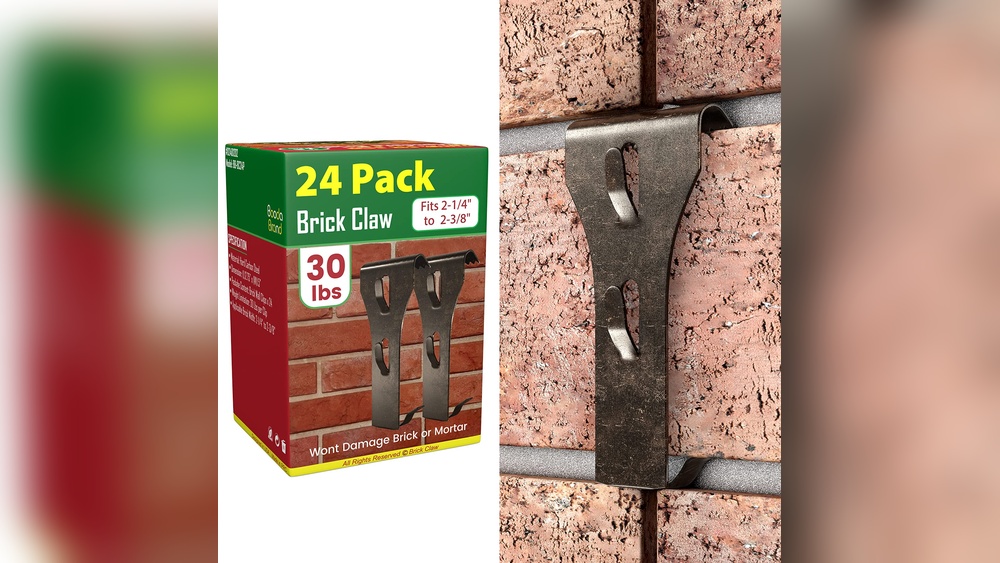
There are several hook types made for brick walls. Masonry hooks have strong nails to go into the brick. Adhesive hooks stick to the surface but suit only light items. Screw-in hooks need a drill and anchor for a firm hold. Choose based on how permanent and strong you want the hook.
Weight Capacity Considerations
Hooks come with different weight limits. Small hooks hold a few pounds, good for keys or light decor. Larger hooks can hold heavy items like tools or plants. Always check the hook’s weight capacity before use. Overloading hooks can damage both the hook and wall.
Material And Finish Options
Hooks come in metals like steel, brass, and aluminum. Steel hooks are strong and last long. Brass hooks resist rust and look nice. Aluminum hooks are light but less strong. Finishes like chrome or powder coat protect hooks from weather and wear. Choose a finish that fits your wall style and weather conditions.

Credit: www.amazon.com
Tools And Materials Needed
Hanging hooks on a brick wall needs the right tools and materials. Choosing proper tools makes the job easier and safer. Having everything ready saves time and avoids mistakes.
Below, find the list of tools, safety gear, and workspace preparation tips. These help you start your project with confidence and care.
Essential Tools List
- Drill with a masonry bit
- Hammer
- Wall anchors or sleeve anchors
- Screwdriver
- Measuring tape
- Level
- Pencil or marker
- Wire brush or small broom
- Vacuum cleaner or dustpan
Safety Gear To Use
- Safety goggles to protect your eyes
- Dust mask to avoid inhaling brick dust
- Work gloves for hand protection
- Ear protection if using a loud drill
Preparing Your Workspace
Clear the area around the wall. Remove furniture and objects that block access.
Clean the brick surface with a wire brush. Remove dust and loose particles.
Lay down a drop cloth or tarp. This catches falling dust and debris.
Preparing The Brick Wall
Preparing the brick wall is the first step to hang hooks safely and securely. The wall must be clean and dry. This helps the hooks stick better and last longer. You also need to find strong spots on the wall to drill. Marking the exact drill points ensures the hooks go in straight. Follow these steps to get the brick wall ready.
Cleaning The Surface
Start by removing dust and dirt from the brick surface. Use a stiff brush to scrub the area well. Clean the wall with water and mild soap. Let the wall dry completely before drilling. A clean surface prevents slipping and poor grip.
Locating Suitable Mounting Spots
Look for solid bricks, not the mortar between them. Bricks provide better support for hooks. Tap the wall gently to find hollow spots. Avoid these weak areas. Choose places that can hold the hook’s weight safely.
Marking Drill Points Accurately
Use a pencil to mark where to drill. Measure carefully to keep marks level and spaced. Double-check the spots before drilling holes. Correct marking saves time and prevents mistakes. This step ensures your hooks hang straight and strong.
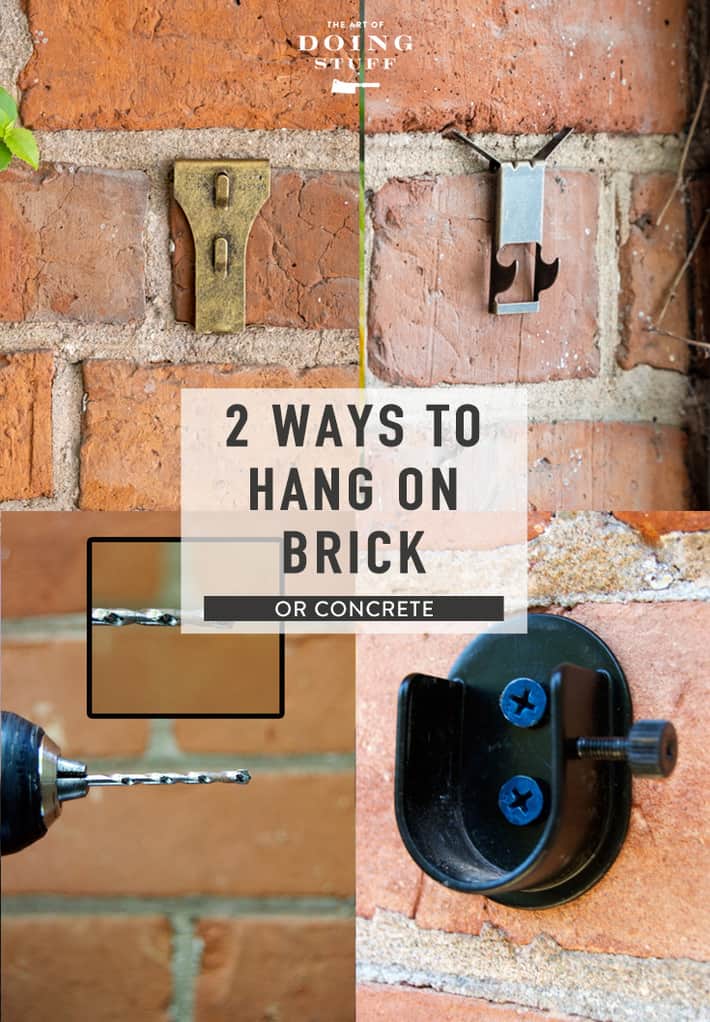
Credit: www.theartofdoingstuff.com
Drilling Into Brick
Drilling into a brick wall can seem tough. It needs the right tools and careful steps. Without the right method, you might damage the brick or your drill bit. This guide explains how to drill safely and cleanly into brick. Follow these tips for strong, secure hooks on your brick wall.
Selecting The Right Drill Bit
Use a masonry drill bit for brick walls. These bits have a special tip made to cut through brick and mortar. Check the size of the hook or anchor you want to hang. Match the drill bit size to the anchor for a tight fit. Avoid using regular drill bits; they can wear out fast.
Drilling Techniques For Brick
Start with a small pilot hole to guide your drill. Hold the drill steady and perpendicular to the wall. Drill slowly at first to avoid cracking the brick. Use steady pressure without pushing too hard. Let the drill bit do the work. Clear dust from the hole often to keep drilling smooth.
Avoiding Common Mistakes
Do not drill into mortar joints; they are weaker than brick. Avoid using too much force; this can break the brick. Do not rush; drilling too fast causes overheating. Keep the drill bit cool by pausing between drilling. Always wear safety glasses to protect your eyes from dust and chips.
Installing Anchors And Hooks
Installing anchors and hooks on a brick wall is key to a strong hold. The right steps make your hooks safe and stable. This section explains how to choose anchors, place them, and fix hooks securely.
Choosing The Correct Anchors
Select anchors made for brick walls. Plastic anchors suit light items. Metal or sleeve anchors hold heavier objects. Match anchor size to your hook and wall thickness. This ensures the hook stays fixed and does not damage the brick.
Inserting Anchors Properly
Start by drilling a hole slightly smaller than the anchor. Use a masonry drill bit for clean holes. Clean out dust from the hole with a brush or air. Push the anchor gently into the hole until flush with the wall. Tap lightly with a hammer if needed. Avoid forcing the anchor to prevent cracking bricks.
Securing Hooks Firmly
Screw the hook into the anchor slowly. Tighten until the hook feels solid. Do not overtighten as this can break the anchor or wall. Check the hook’s stability by pulling lightly. A firm hook will hold your items safely and last long.
Alternative Hanging Methods
Hanging hooks on brick walls can be tricky. Drilling holes may not always be an option. Alternative hanging methods offer easy and damage-free solutions. These options save time and effort while holding your items securely. Explore three practical ways to hang hooks without drilling.
Using Adhesive Hooks
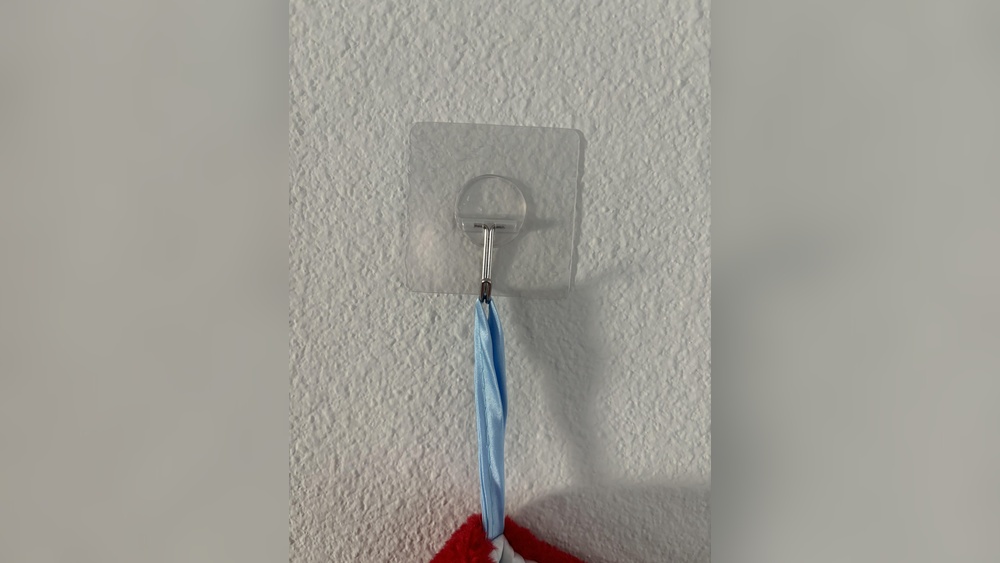
Adhesive hooks stick directly to the brick surface. They use strong glue that holds light to medium weights. Clean the brick well before applying the hook. Press firmly and wait for the glue to set. These hooks are simple to remove without damage. Perfect for small tools, decorations, or keys.
Magnetic Hooks For Brick
Magnetic hooks work well on metal bricks or brick walls with metal parts. They attach quickly and can hold heavier items than adhesive hooks. No glue or drilling needed. Just place the hook where you want it. Move or remove easily without marks. Great for garden tools or hanging lights.
Wire And Clamp Solutions
Wire and clamp methods wrap around the brick. Use strong wire or cable ties with clamps to secure hooks. These hold larger or heavier objects safely. No holes or adhesives involved. Check the wire tightness regularly for safety. This method suits outdoor areas or rough brick surfaces.
Maintaining And Removing Hooks
Maintaining hooks on a brick wall ensures they stay strong and safe. Removing hooks carefully protects the brick surface. Both tasks need care and the right methods. Follow these steps to keep your wall and hooks in good shape.
Checking Hook Stability
Check hooks regularly to see if they are loose. Give each hook a gentle tug. If it moves or feels weak, tighten it or replace it. Loose hooks can cause damage or fall unexpectedly. Keep an eye on the weight your hooks hold. Do not overload them. This helps avoid accidents and wall damage.
Safe Removal Techniques
Remove hooks slowly to protect the brick. Avoid pulling or twisting too hard. Use a screwdriver or pliers to unscrew or pull out nails or anchors gently. If the hook is glued, warm the area with a hairdryer to soften the glue. Peel the hook off carefully. Never yank hooks from the brick. This prevents cracks and chips.
Repairing Brick Surface
After removing hooks, check the brick for holes or damage. Fill small holes with a brick repair filler or mortar. Use a putty knife to apply the filler evenly. Let it dry completely before painting or sealing. For bigger cracks, consult a professional. Repairing quickly keeps the wall strong and looking good. It also stops water from entering the bricks.

Credit: www.youtube.com
Frequently Asked Questions
How Do You Hang Hooks On A Brick Wall?
First, mark the spot on the brick, not the mortar. Drill a hole with a masonry bit. Insert a wall plug, then screw the hook in securely.
What Tools Are Needed To Hang Hooks On Brick?
You need a hammer drill with masonry bits, wall plugs, screws, a pencil for marking, and a screwdriver or drill for fastening.
Can You Hang Heavy Items On Brick Wall Hooks?
Yes, but use strong anchors and screws. Ensure the hook is firmly fixed into the brick, not the mortar, to support heavy weights safely.
Is Drilling Into Brick Walls Safe?
Yes, if done carefully. Use appropriate masonry tools and avoid drilling too close to edges to prevent brick damage.
Conclusion
Hanging hooks on a brick wall is easier than it seems. Choose the right tools and anchors for strong support. Drill carefully to avoid cracking the bricks. Take your time and check each step. With patience, your hooks will hold well and look great.
Now, you can hang items safely and add style to your space. Give it a try and enjoy the results!