Are you struggling to remove big Command hooks from your walls without damaging the paint? You’re not alone.
These handy hooks are great for hanging things, but getting them off cleanly can feel tricky and nerve-wracking. What if you pull too hard and leave marks or peel paint? Don’t worry—this guide will show you simple, proven steps to safely take those hooks down.
Keep reading, and you’ll learn how to protect your walls and keep your space looking perfect.
Why Command Hooks Can Damage Walls
Command hooks are popular for hanging items without nails or screws. They seem safe for walls but can still cause damage. This happens because the adhesive pulls on the wall surface. The strength needed to hold heavy items can sometimes harm paint or drywall. Knowing why damage occurs helps you remove hooks carefully. Protect your walls by understanding the risks.
Types Of Wall Damage
Peeling paint is the most common damage from Command hooks. The adhesive can lift paint off the wall when removed. Sometimes small pieces of drywall come off with the paint. This leaves rough patches that need repair. In rare cases, the wall surface may crack. Damage depends on wall type and how long the hook stayed.
Common Mistakes When Removing Hooks
Pulling hooks off quickly causes most damage. The sudden force strips paint and wall material. Pulling the hook straight down adds pressure to the wall. Not stretching the adhesive strip slowly also leads to damage. Removing hooks without following instructions increases risk. Using sharp tools to pry hooks can create holes.

Credit: www.youtube.com
Tools Needed For Safe Removal
Removing big Command hooks from walls needs the right tools. These tools help protect your wall and make the process easy. Using the right items stops damage and keeps your wall smooth.
Below are the tools you need for safe removal. Some are must-haves. Others can help but are not required.
Essential Items
- Command hook removal strip – The main tool to release the adhesive.
- Hair dryer – Softens the glue for easier pulling.
- Plastic card or spatula – Helps gently lift the hook edges.
- Soft cloth – For cleaning the wall after removal.
- Rubbing alcohol – Removes leftover adhesive residue.
Optional Helpers
- Gloves – Protect your hands from sticky glue.
- Step stool – Reach high hooks safely.
- Flathead screwdriver – Use carefully to pry stubborn hooks.
- Spray bottle with warm water – Softens glue without heat.
Step-by-step Removal Process
Removing big Command hooks from walls can seem tricky. Follow the right steps to avoid damage and make removal easy. This guide breaks down the process into clear actions. Each step ensures safe and clean removal.
Preparing The Area
Clear the space around the hook. Remove objects that might get in the way. Lay down a soft cloth or towel under the hook. This protects your floor or furniture from scratches or drops. Make sure your hands are clean and dry to keep a good grip.
Proper Pulling Technique
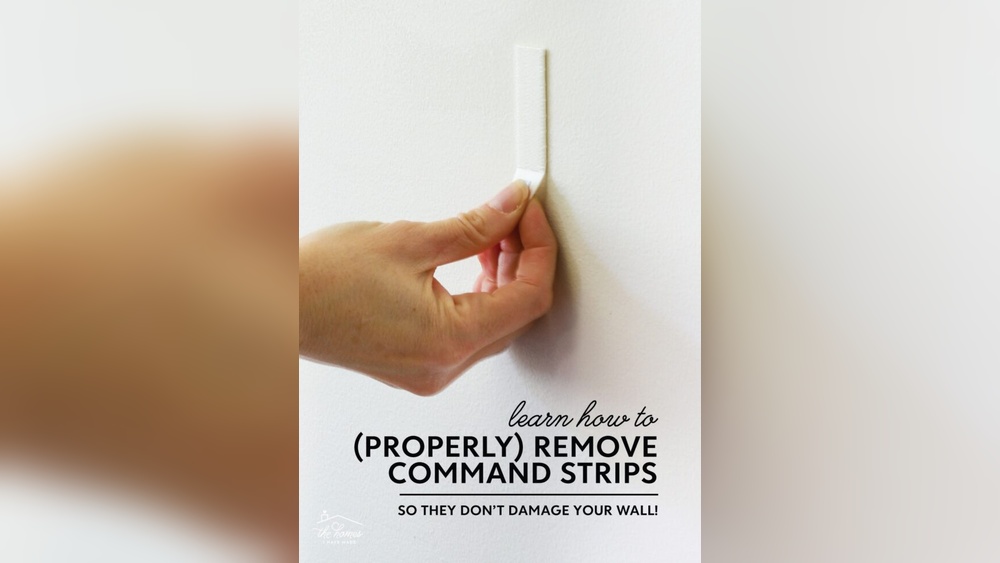
Hold the hook firmly. Pull the tab straight down, not out. Stretch the adhesive strip slowly and evenly. Keep pulling until the strip releases from the wall. Avoid yanking or pulling sideways. This prevents wall damage and keeps the hook intact.
Dealing With Stubborn Hooks
Try warming the adhesive with a hairdryer for 30 seconds. Heat softens the glue and makes removal easier. Gently pull the tab again after heating. If the hook still resists, use dental floss or fishing line. Slide it behind the adhesive strip and saw back and forth slowly. This cuts through the glue without harming the wall.
Tips To Avoid Wall Damage
Removing big Command hooks from walls can be tricky. The goal is to avoid peeling paint or leaving marks behind. Use the right methods to keep your walls safe and looking good.
Follow simple tips to protect your wall surface. Patience and the right tools make a big difference. Here are key tips to avoid wall damage.
Temperature Considerations
Warm the wall and the adhesive before removal. Use a hairdryer on low heat for about 30 seconds. Heat softens the glue, making the hook easier to pull off. Avoid high heat that may damage paint or wallpaper. A gentle warm-up reduces the chance of peeling paint.
Using Dental Floss Or Fishing Line
Slide dental floss or thin fishing line behind the hook. Use a gentle sawing motion to cut through the adhesive. This method works without pulling or bending the wall surface. It helps separate the hook cleanly. Keep the floss close to the wall to avoid damage.
Slow And Steady Approach
Pull hooks slowly and evenly. Quick or forceful yanks can peel paint or plaster. Apply steady pressure to stretch the adhesive gently. Take breaks if the hook feels stuck. Slow removal lowers the risk of wall damage and leaves a clean surface.
Removing Adhesive Residue
Removing adhesive residue from walls can be tricky. Leftover sticky patches spoil the look of your paint or wallpaper. It is important to clean these spots gently to avoid damage. The right methods help clear residue without harming the surface. Use soft tools and mild cleaners for best results.
Safe Cleaning Methods
Start with a warm, damp cloth to soften the adhesive. Rub gently in small circles. Use a small amount of dish soap mixed with water if needed. A plastic scraper or old credit card helps lift residue carefully. Avoid hard scrubbing to protect the wall’s finish. Dry the area with a clean cloth after cleaning.
Products To Avoid
Do not use harsh chemicals like bleach or ammonia. These can ruin paint or wallpaper. Avoid abrasive scrubbers that scratch surfaces. Stay away from acetone or nail polish remover, as they cause discoloration. Skip strong solvents that eat through paint layers. Stick to mild, safe cleaners for best results.

Credit: www.command.com
Preventing Damage When Using Hooks Again
Preventing damage when using Command hooks again is important for keeping walls clean. Walls can peel or lose paint if hooks are not used properly. Taking simple steps can protect your walls and help hooks stick better next time. This saves time and money on repairs.
Choosing The Right Hook Size
Select hooks that match the weight of your items. Bigger hooks hold heavier things. Using a small hook for a heavy item causes it to fall and damage walls. Pick hooks that fit your needs. This reduces the chance of wall marks or holes.
Preparing Walls Before Application
Clean walls with rubbing alcohol before placing hooks. Dirt or oil stops hooks from sticking well. Do not use water or cleaners with lotion. Let the wall dry fully before applying hooks. A smooth, dry surface helps hooks stay strong and prevents paint from peeling.

Credit: www.command.com
Frequently Asked Questions
How Do I Remove Big Command Hooks Without Damaging Walls?
Gently pull the tab straight down, stretching the adhesive strip slowly. Avoid pulling outward to prevent wall damage. Use heat from a hairdryer to soften adhesive if needed.
Can I Reuse Command Hooks After Removal?
No, Command hooks use one-time adhesive strips. Once removed, the strips lose stickiness. You must use new adhesive strips for reapplication.
What If The Adhesive Strip Breaks While Removing Hooks?
If the strip breaks, slowly pull the remaining adhesive down. Use a hairdryer to soften it. Avoid sharp tools to protect the wall surface.
Are There Alternative Methods To Remove Command Hooks Safely?
Yes, using heat from a hairdryer or rubbing alcohol can loosen the adhesive. Always pull the strip downward to avoid wall damage.
Conclusion
Removing big Command hooks from walls does not have to be hard. Gently pull the tab down slowly to avoid damage. Use heat from a hairdryer if the adhesive is tough. Take your time and work carefully for best results.
These simple steps help keep your walls clean and smooth. Now you can hang and remove hooks without worry. Small effort, big difference. Try these tips next time you need to take down a hook.