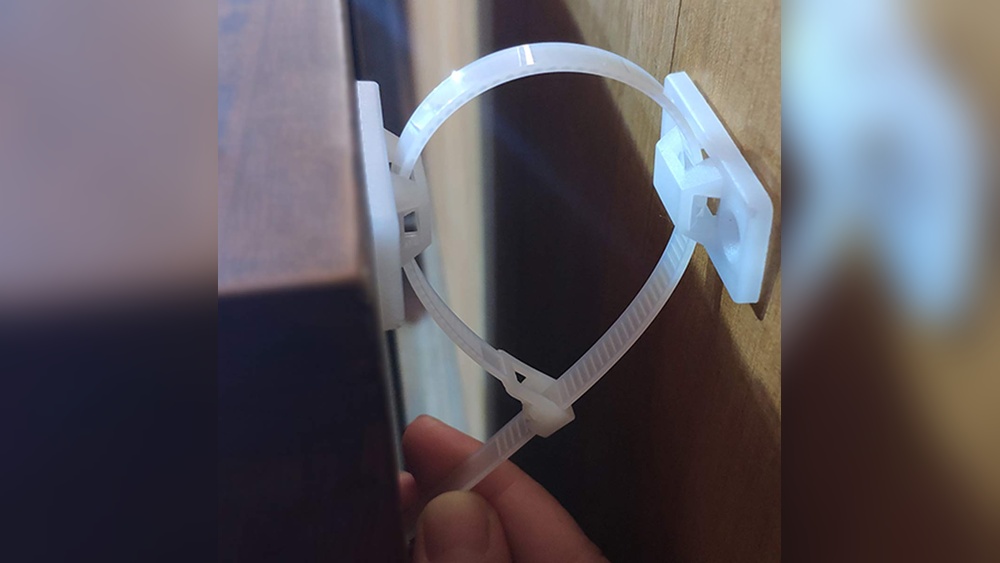
Have you ever worried about your bookshelf tipping over and causing damage or injury? Securing your bookshelf to the wall is one of the simplest and smartest ways to keep your space safe and organized.
You don’t need to be a DIY expert to do this, and with the right steps, you can protect your home and loved ones in no time. In this guide, you’ll learn exactly how to anchor a bookshelf to the wall quickly and securely.
Keep reading—your safety and peace of mind depend on it.

Credit: ikeahackers.net
Choose The Right Location
Choosing the right location to anchor your bookshelf is very important. A good spot keeps the shelf steady and safe. It also protects your wall and your items from damage. Take your time to pick the best place before you start.
Focus on spots that offer strong support and avoid risky areas. This helps your bookshelf stay in place for years. Safety and stability go hand in hand with the right location.
Find Wall Studs
Wall studs are vertical wooden beams behind your drywall. They hold the weight of heavy items. Use a stud finder tool to locate these beams. Mark the stud spots with a pencil. Anchoring into studs gives your shelf strong support. Avoid just using drywall anchors alone. They do not hold heavy shelves well.
Avoid Hazards
Check the wall for electrical wires and plumbing pipes. These can be dangerous if drilled into. Use a wire detector or stud finder with hazard detection. Stay away from areas with cables or pipes. Also, avoid spots near doors or windows. These places may not hold shelves well and can block access.
Select Proper Anchors
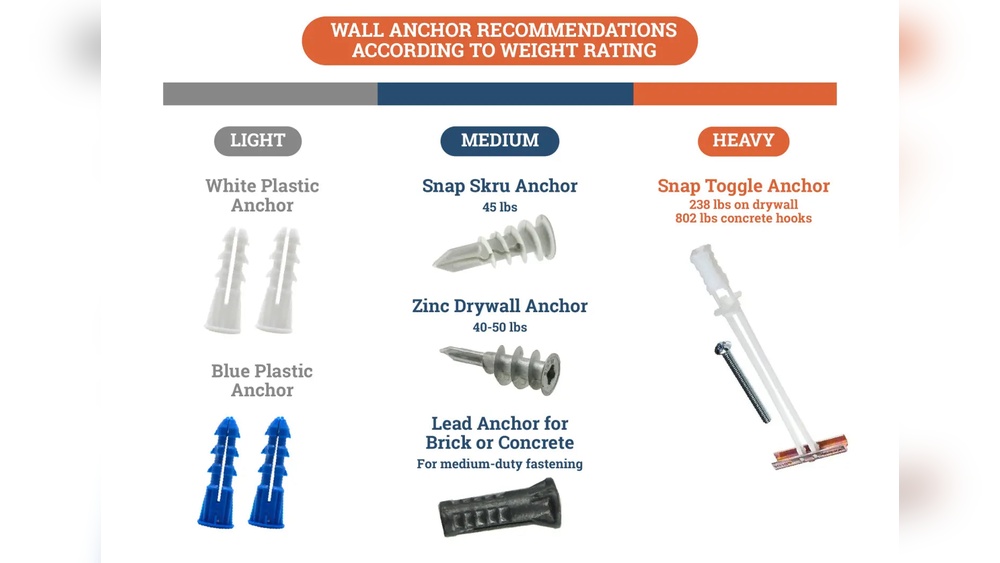
Selecting the right anchors is key to safely securing your bookshelf to the wall. The anchor type depends on your wall material and the weight of the shelf. Proper anchors prevent the shelf from tipping or falling.
Choosing the wrong anchor can cause damage or accidents. Use anchors that match your wall’s strength and thickness. This step ensures stability and safety.
Use Stud Anchors
Stud anchors are the strongest option for wood-frame walls. Locate the wall studs with a stud finder. Attach the bookshelf directly to the studs using long screws.
Stud anchors hold heavy loads well. They reduce the risk of the shelf pulling out. Always drill pilot holes to avoid splitting the wood.
Use Wall Plugs Or Toggle Bolts
Wall plugs and toggle bolts work for drywall or plaster walls without studs. Wall plugs expand inside the wall for a firm grip. They suit medium-weight shelves.
Toggle bolts spread weight across a larger area. They are good for heavier shelves or uneven walls. Insert toggle bolts through the shelf bracket holes, then tighten.
Gather Necessary Tools
Gathering the right tools is the first step to safely anchor a bookshelf to the wall. Having everything ready makes the job faster and easier. It also helps avoid mistakes and ensures the bookshelf stays secure.
Before starting, check your tools and safety gear. This preparation protects you and improves your work quality.
Tools Checklist
Start with a drill for making holes in the wall. Use screws and wall anchors that fit your wall type. A screwdriver or a drill bit for screws is essential. A stud finder helps locate wall studs for strong support. A tape measure measures distances accurately. A level ensures the bookshelf is straight. A pencil marks the spots for drilling. These tools cover all basic needs.
Safety Gear
Wear safety glasses to protect your eyes from dust and debris. Use gloves to keep your hands safe from sharp edges. A dust mask can prevent breathing in dust particles. Closed-toe shoes protect your feet from dropped tools. Safety gear reduces the risk of injury during the process.
Prepare The Bookshelf
Start by clearing the area around the bookshelf for easy access. Gather tools like a drill, screws, and wall anchors before beginning. Check the wall type to choose the right anchors for a secure hold.
Clear The Shelf
Start by removing everything from the bookshelf. Empty shelves make the process safer and easier. Loose items can fall and cause injury or damage. A clear shelf also helps you see the wall and find the best spots to anchor. Take a moment to clean the surface. Dust and dirt can hide important details on the wall and shelf.
Mark Anchor Points
Next, find the right places to attach the anchors. Use a pencil to mark spots on the bookshelf back. These marks show where screws will go. Focus on areas that meet wall studs for strong support. Use a stud finder to locate these studs behind drywall. Mark the wall to match the points on the bookshelf. Accurate marks keep the shelf steady and safe.
Install Anchors On The Wall
Installing anchors on the wall is a key step to secure your bookshelf safely. Anchors hold the screws tight and prevent the bookshelf from falling. This process needs care and the right tools. Follow clear steps to get it right.
Drill Pilot Holes
Start by marking the spots on the wall where the anchors will go. Use a pencil to make small marks. Choose a drill bit that matches the size of your anchors. Drill straight holes at the marks. Drill only as deep as the anchor needs. Clean dust out of the holes with a brush or air.
Insert Anchors Securely
Push the anchors into the pilot holes gently. Use your fingers or a hammer to tap them in. Make sure anchors sit flush with the wall surface. They should fit tightly without moving. This firmness keeps the screws strong. Avoid forcing anchors too hard; it may damage the wall.

Credit: www.reddit.com
Attach Bookshelf To Wall
Attaching your bookshelf to the wall keeps it steady and safe. This step prevents tipping and protects your items. Follow simple steps to secure your bookshelf firmly.
Use the right tools and take care with measurements. A well-attached bookshelf adds style and safety to your room.
Align Brackets
Place the brackets on the back of the bookshelf. Match them with the wall studs for strong support. Use a level to keep the brackets straight. Mark the spots where screws will go. Proper alignment is key for safety and balance.
Secure With Screws
Choose screws long enough to reach the studs. Drill pilot holes to avoid splitting the wood. Screw the brackets tightly to the wall and bookshelf. Check the shelf is firm and does not move. Tight screws ensure your bookshelf stays in place.
Test Stability
Testing the stability of your bookshelf after anchoring it to the wall is very important. This step ensures the shelf stays safe and secure. A stable bookshelf prevents accidents and protects your books and valuables.
Take your time to carefully check the shelf’s strength. Small movements or wobbles can cause problems later. Testing stability helps catch these issues early.
Check For Movement
Gently push the bookshelf from different sides. Try to move it forward, backward, and sideways. Watch for any shaking or shifting. Even slight movement means the shelf is not fully secure.
Stand back and observe the base of the shelf. Look for gaps between the shelf and wall. Check the anchor points closely to see if they hold firm. This simple check shows if the shelf needs more support.
Make Adjustments If Needed
Find any loose screws or anchors and tighten them. Use a screwdriver to secure all fasteners properly. If the wall anchors are weak, replace them with stronger ones. Consider adding more anchors for better hold.
Re-test the shelf after each adjustment. Keep checking until no movement appears. This process guarantees your bookshelf stays steady and safe. A few small fixes can make a big difference.

Credit: www.reddit.com
Safety Tips
Anchoring a bookshelf to the wall is important for safety. It stops the shelf from tipping over. This is especially important in homes with children or pets. Follow these safety tips to keep your space secure and your shelf steady.
Regular Inspections
Check the bookshelf anchors often. Look for loose screws or brackets. Tighten any parts that feel weak. Watch for cracks in the wall near the anchors. Fix any problems right away to prevent accidents.
Weight Distribution
Place heavy items on the bottom shelves. Keep lighter items higher up. This balance helps the shelf stay stable. Avoid overloading any single shelf. Spread the weight evenly to reduce stress on the anchors.
Frequently Asked Questions
How Do I Safely Anchor A Bookshelf To The Wall?
To safely anchor a bookshelf, use wall studs for secure attachment. Locate studs with a stud finder, then use appropriate screws and anchors. This prevents tipping and ensures stability, especially in homes with children or during earthquakes.
What Tools Are Needed To Anchor A Bookshelf?
You need a stud finder, drill, screws, anchors, a screwdriver, and a level. These tools help you find studs, secure the bookshelf properly, and keep it straight. Using the right tools ensures a safe and professional installation.
Can I Anchor A Bookshelf To Drywall Only?
Anchoring to drywall alone is not recommended for heavy bookshelves. Use drywall anchors rated for your shelf’s weight or find studs behind the drywall for better support. This prevents accidents and damage to both the wall and shelf.
How High Should I Anchor A Bookshelf To The Wall?
Anchor the bookshelf near its top for the best stability. This reduces the risk of tipping by securing the upper part firmly to the wall. The exact height depends on the bookshelf’s size and design.
Conclusion
Anchoring a bookshelf to the wall keeps it steady and safe. It stops tipping and protects your family. Using the right tools makes the job easier and stronger. Always check the wall type before you start. Taking small steps can save you big trouble later.
Now, you can enjoy your organized space without worry. Simple and secure—just how it should be.