Have you ever tried to remove a wall anchor from a screw and ended up frustrated or confused? You’re not alone.
Wall anchors can be tricky, especially when you want to take them out without damaging your wall. But don’t worry—this guide will show you simple, effective steps to get that anchor out smoothly. Whether you’re fixing a picture frame, changing decorations, or preparing your walls for a fresh look, knowing how to remove a wall anchor the right way can save you time and stress.
Keep reading, and you’ll learn exactly what to do to make the job easy and mess-free.
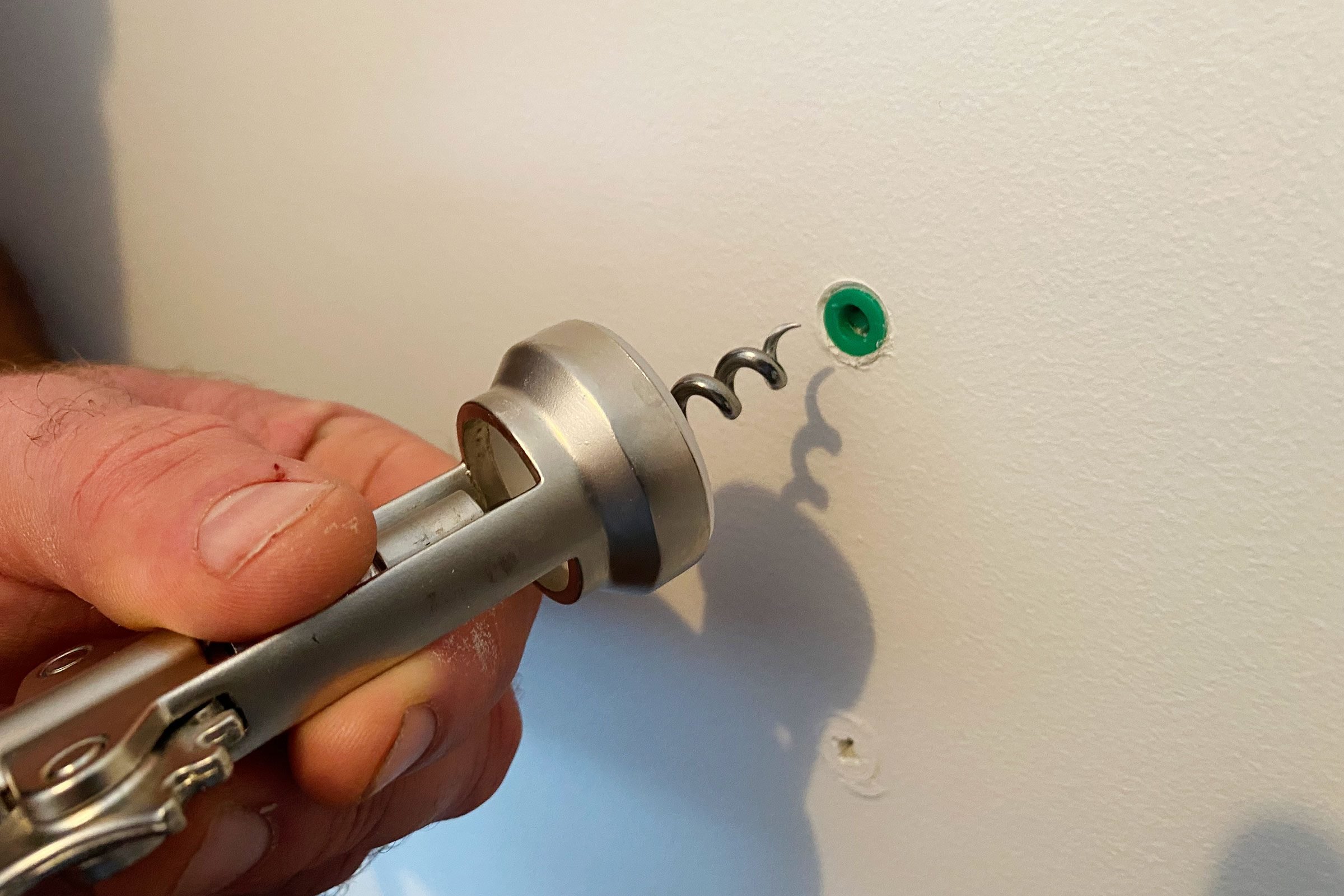
Credit: www.familyhandyman.com
Types Of Wall Anchors
Wall anchors come in different types. Each type holds screws in walls differently. Knowing these types helps remove anchors safely. It also protects your wall from damage. Here are the most common types of wall anchors.
Plastic Expansion Anchors
Plastic expansion anchors are the simplest kind. They expand when you insert a screw. This expansion holds the anchor tight inside the wall. They work best in drywall and plaster. These anchors are easy to remove with little effort.
Toggle Bolts
Toggle bolts have metal wings that open inside the wall. These wings give strong support for heavy objects. The wings fold to fit inside the wall hole. Once inside, they open up to hold firmly. Removing toggle bolts needs careful handling to avoid wall damage.
Molly Bolts
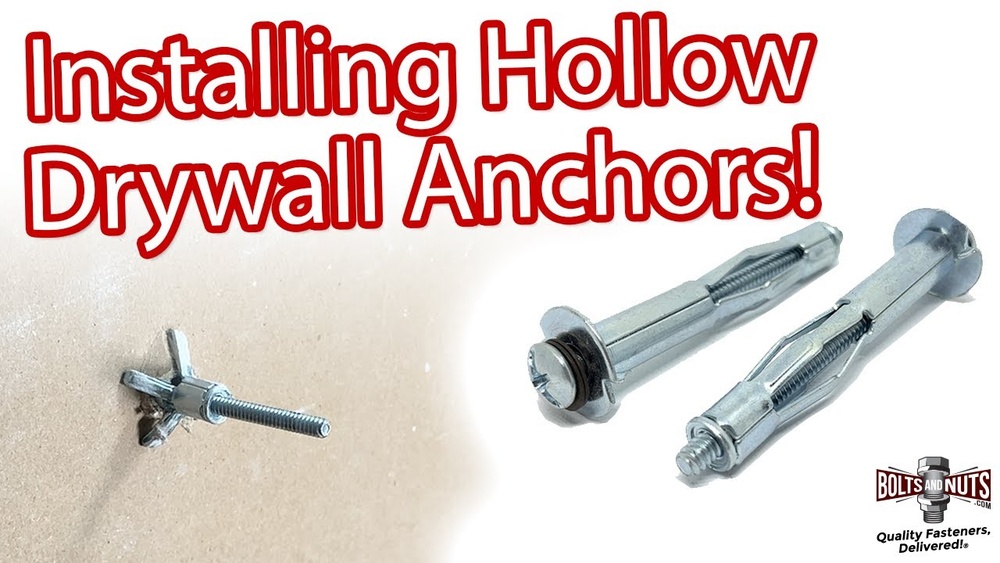
Molly bolts are metal anchors with legs that spread inside the wall. They provide a strong grip in drywall. When you tighten the screw, the legs expand behind the wall. This makes them very secure for medium-weight items. Removing molly bolts can be tricky but possible.
Threaded Drywall Anchors
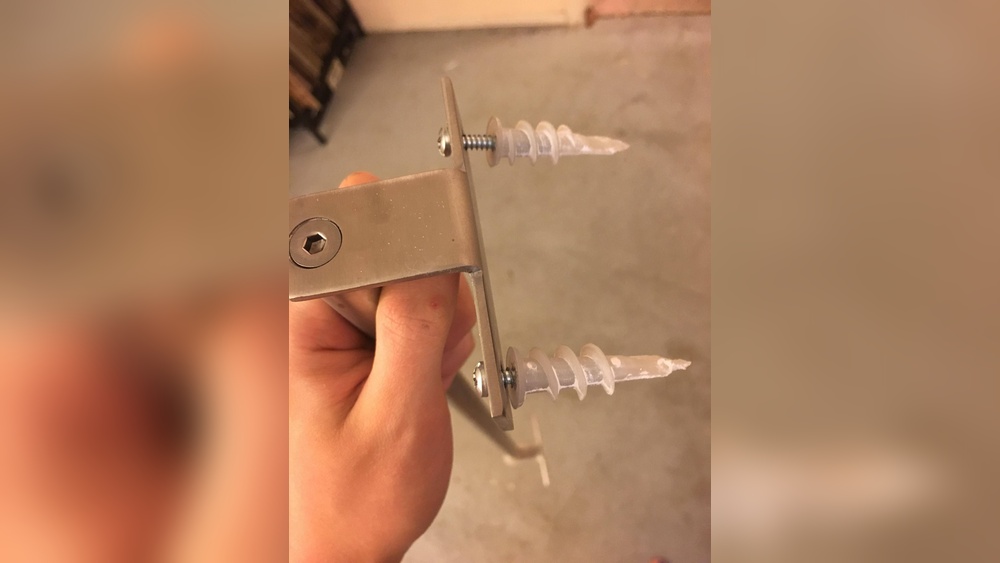
Threaded drywall anchors look like large screws. You screw them directly into drywall without pre-drilling. Their threads grip the wall firmly. They hold light to medium loads well. These anchors can be unscrewed and removed easily.

Credit: www.tjlituo.com
Tools Needed For Removal
Removing a wall anchor from a screw needs the right tools. Using proper tools makes the task easier and safer. It also protects your wall from damage. Prepare a few common tools before you start. These tools help you pull out the screw and the anchor smoothly.
Screwdriver Options
A screwdriver is the first tool to try. Choose one that fits the screw head well. Use a flathead screwdriver for slotted screws. A Phillips screwdriver works for cross-shaped screws. Good grip and correct size reduce slipping. Turn the screw slowly to loosen it.
Pliers And Wrenches
Pliers are useful if the screw head is above the wall. Grip the screw tightly with needle-nose pliers. Pull the screw straight out with steady force. Adjustable wrenches can also help if the screw is stuck. These tools give better control and strength.
Utility Knife And Drill
A utility knife helps to cut around the anchor if needed. Score the wall surface gently to avoid damage. A drill can remove tough anchors by drilling into them. Use a small drill bit and go slow. Drilling breaks the anchor for easier removal.
Step-by-step Removal Methods
Removing a wall anchor from a screw can seem tricky. Follow these simple steps to do it safely and cleanly. Each method suits different anchor types and wall conditions. Choose the one that fits your situation best.
Removing Anchors With The Screw
Start by turning the screw counterclockwise. Pull the screw out slowly as you turn. The anchor may come out with it. If the anchor stays in the wall, try to grip it gently with pliers. Pull it straight out without damaging the wall. This method works best for plastic anchors that are loose.
Pulling Out Anchors Without Screws
Remove the screw first if it is still inside. Use needle-nose pliers to grab the anchor’s edge. Pull the anchor out slowly and steadily. Wiggle it gently if it feels stuck. Avoid forcing it hard to prevent wall damage. This works well for metal and plastic anchors that don’t come out easily with the screw.
Using Drilling For Stubborn Anchors
Choose a drill bit slightly smaller than the anchor’s diameter. Drill carefully into the center of the anchor. This will break or enlarge it for easier removal. After drilling, use pliers to pull out the broken pieces. Clean the hole to prepare it for patching. This method helps with anchors stuck too tight to pull out by hand.
Handling Common Challenges
Removing a wall anchor from a screw can bring unexpected problems. Some common issues may slow you down or damage your wall. Knowing how to handle these challenges saves time and keeps your walls neat. Below are simple steps for frequent problems during wall anchor removal.
Dealing With Stripped Screws
A stripped screw has a worn-out head, making it hard to turn. Use a rubber band for extra grip on the screw head. Press the band into the screw slot and turn slowly. Another way is to try pliers for better control. If the screw is very damaged, drill a small hole to insert a screw extractor.
Fixing Damaged Drywall
Drywall can break around the anchor spot. Use a putty knife to clear loose pieces. Apply spackle or joint compound over the hole. Let it dry completely before sanding it smooth. For bigger holes, use a drywall patch for stronger repair. Paint the area to match the wall color after fixing.
Removing Broken Anchor Pieces
Sometimes anchors break inside the wall, leaving parts behind. Use needle-nose pliers to pull out visible pieces. If pieces are deep, gently widen the hole with a utility knife. Push out the pieces with a small screwdriver or hook tool. Clean the hole and patch it with drywall compound once clear.
Preventing Wall Damage
Removing a wall anchor from a screw without causing damage takes care and the right method. Walls can crack or crumble if you pull too hard or use wrong tools. Protect your wall by following easy steps that reduce harm and keep the surface smooth.
Proper Technique Tips
Start by loosening the screw slowly. Use a screwdriver that fits well. Turn the screw counterclockwise to remove it gently. If the anchor stays, try pushing it deeper with a screwdriver. Pull out the anchor carefully with pliers once it is loose. Avoid forcing the anchor out. This reduces wall damage and keeps holes small.
Using The Right Anchor For The Job
Choose anchors suited to your wall type. Drywall anchors work best for drywall. Use heavy-duty anchors for brick or concrete. Picking the right anchor prevents extra holes and cracks. It also makes removal easier. A proper anchor fits snugly and holds firmly without hurting the wall.

Credit: www.hgtv.com
Repairing After Anchor Removal
Removing a wall anchor often leaves a hole or damage on the wall surface. Repairing this area restores the wall’s smooth look. It also prepares the wall for painting or new decoration. The repair process is simple and quick. Two main steps follow anchor removal: filling holes and sanding and painting.
Filling Holes
Start by cleaning the hole and removing loose debris. Use a putty knife to apply wall filler or spackling paste. Press the filler firmly into the hole to fill it completely. Smooth the surface with the knife, removing extra filler. Let the filler dry fully before the next step. Drying time depends on the product used, usually 30 minutes to a few hours.
Sanding And Painting
Once the filler is dry, lightly sand the area with fine-grit sandpaper. Sand until the surface is even with the surrounding wall. Wipe away dust with a damp cloth. Apply primer if needed, especially on repaired spots. Finally, paint over the area to match the wall color. Use a small brush or roller for best results. This restores the wall’s original look and protects it.
Frequently Asked Questions
How Do You Remove A Wall Anchor From A Screw?
To remove a wall anchor, first unscrew the screw completely. Then, gently pull or pry the anchor out using pliers or a flathead screwdriver. If the anchor is stubborn, push it into the wall cavity carefully.
What Tools Are Needed To Remove Wall Anchors?
Common tools include a screwdriver, needle-nose pliers, and a flathead screwdriver. Sometimes a utility knife or hammer helps to loosen the anchor. These tools make removal safe and efficient without damaging the wall.
Can I Reuse A Wall Anchor After Removal?
Wall anchors generally can’t be reused once removed. They may lose grip or get damaged during extraction. It’s best to use a new anchor for secure and stable wall mounting.
How To Avoid Wall Damage When Removing Anchors?
Remove screws slowly and use gentle prying tools to avoid wall damage. Filling holes with spackle and sanding smooth helps restore the wall’s surface after anchor removal.
Conclusion
Removing a wall anchor from a screw is easier than it seems. Take your time and use the right tools. Gently pull or twist the anchor to avoid wall damage. Small holes can be fixed quickly with some filler and paint.
Practice these steps to keep your walls neat and safe. Now, you can handle this task with confidence and care. Simple actions lead to great results.