Have you ever tried to remove a screw from a wall anchor, only to find it stuck fast? It can be frustrating when your simple task turns into a stubborn challenge.
Whether you’re redecorating, fixing a loose fixture, or just clearing out old hardware, knowing how to get screws out of wall anchors quickly and safely is a skill you need. You’ll discover easy, step-by-step methods that anyone can follow. Say goodbye to damaged walls and wasted time—let’s get that screw out the right way.
Keep reading, and you’ll have the solution in no time.

Credit: www.tjlituo.com
Tools Needed
Removing screws from wall anchors needs the right tools. Using proper tools makes the job easier and protects your walls. Some tools are common in most homes. Others are made just for this task. Knowing what tools to use helps you finish quickly.
Common Household Tools
A screwdriver is the basic tool for removing screws. Choose a flathead or Phillips, based on the screw type. Pliers help grip and pull screws stuck in anchors. A drill with a screwdriver bit speeds up the process. A utility knife can cut around damaged anchors carefully. These tools are easy to find at home.
Specialized Removal Tools
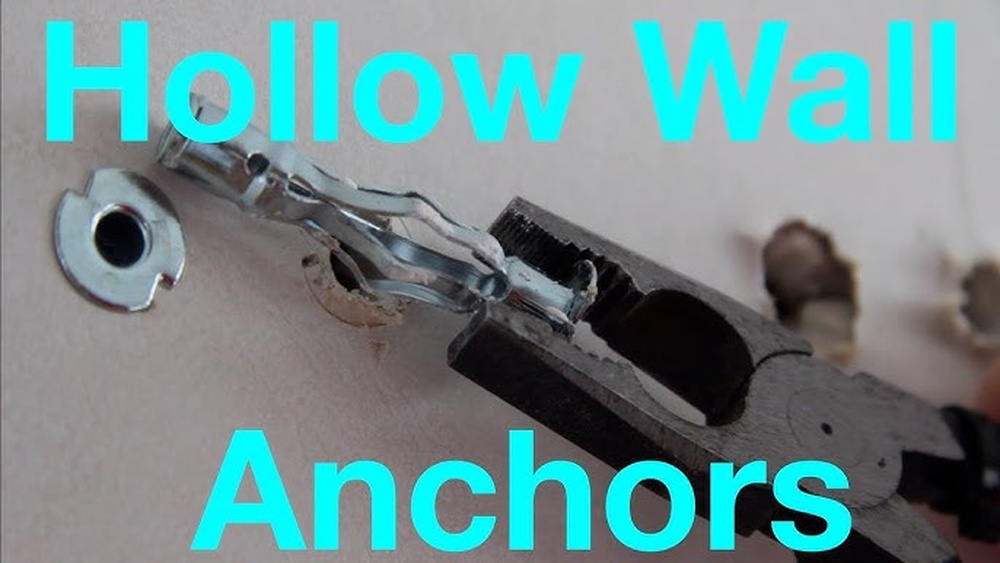
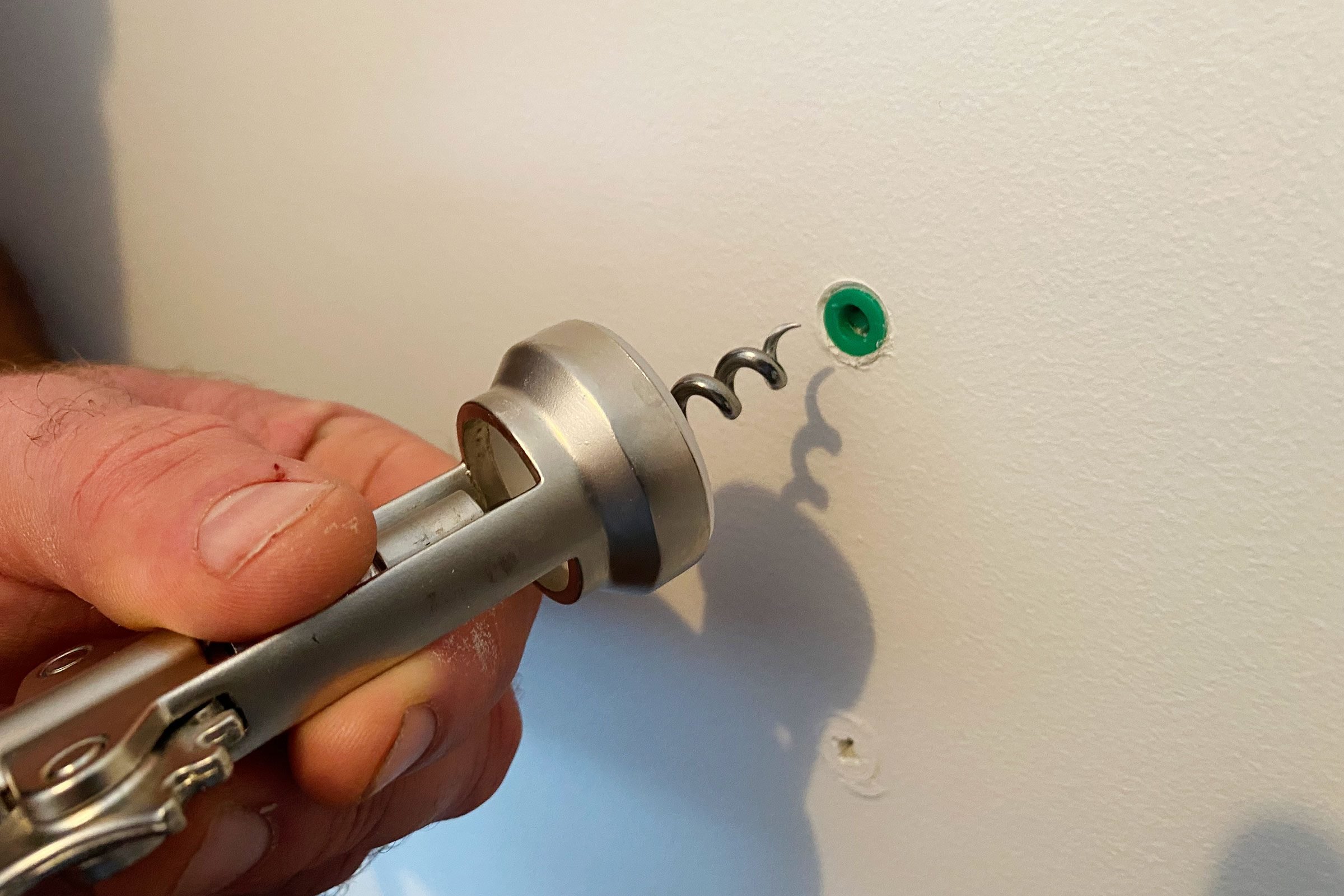
An anchor removal tool fits into the wall anchor and pulls it out. It works well for plastic or metal anchors. A screw extractor is useful for stripped or broken screws. It grips the screw tightly for easy removal. Sometimes, a small pry bar helps to loosen tough anchors. These tools are found at hardware stores or online.
Credit: www.familyhandyman.com
Types Of Wall Anchors
Wall anchors hold screws firmly in walls. They come in several types. Each type works best for different wall materials and weights. Knowing the type helps remove screws safely and easily.
Plastic Expansion Anchors
Plastic expansion anchors are common and easy to use. They expand as the screw goes in, gripping the wall tightly. Usually, they work well in drywall or plaster. Removing screws from these anchors is usually simple.
Toggle Bolts
Toggle bolts have metal wings that open behind the wall. They hold heavy items securely. The wings spread the load inside the wall cavity. Removing screws from toggle bolts needs care to avoid damage.
Molly Bolts
Molly bolts are metal anchors that expand inside the wall. They provide strong support in drywall. The sleeve expands when the screw tightens. Removing screws from molly bolts can be tricky but doable.
Self-drilling Anchors
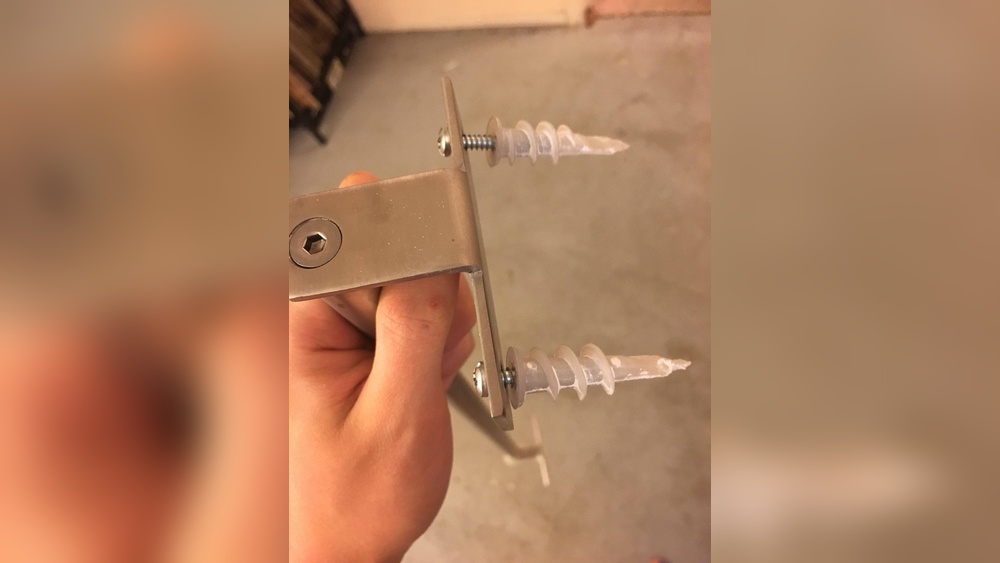
Self-drilling anchors screw directly into drywall without pre-drilling. They have sharp tips for easy installation. These anchors hold medium-weight items well. Removing screws from self-drilling anchors is usually straightforward.
Preparation Steps
Before removing screws from wall anchors, preparation is key. Proper steps help avoid damage and make the job easier. Take time to prepare your workspace and ensure safety. This section covers essential preparation steps.
Clear The Area
Remove any objects or furniture near the wall. This prevents accidents and provides enough room to work. Clear space helps you reach the screw and anchor easily. Cover the floor with a drop cloth to catch dust or debris. Good lighting is important. Use a lamp or natural light to see clearly.
Safety Precautions
Wear safety glasses to protect your eyes from dust and small particles. Gloves can protect your hands from sharp edges or tools. Use a dust mask if the wall is old or dusty. Keep children and pets away from the work area. Have a first aid kit nearby in case of minor injuries. Follow these safety steps to avoid accidents.
Methods For Plastic Expansion Anchors
Plastic expansion anchors are common in walls. Removing screws from these anchors can be tricky. The right method depends on the anchor’s condition and the tools you have. Below are three simple ways to get screws out of plastic expansion anchors.
Using Pliers
Grip the screw head firmly with pliers. Turn the screw slowly counterclockwise. The anchor may come out with the screw. If it stays, pull gently to remove the screw alone. Pliers work well for screws that stick out.
Using A Screwdriver
Choose a screwdriver that fits the screw head. Press it firmly into the screw slot. Turn the screwdriver left to loosen the screw. Keep steady pressure to avoid stripping the screw. This method works best if the screw is flush with the anchor.
Pushing The Anchor In
If the screw is stuck, push the anchor into the wall. Use a blunt tool or the screwdriver handle. This clears the anchor from the surface. After pushing, patch the hole with filler. This method is quick when the anchor is damaged.
Removing Toggle Bolts
Removing toggle bolts from walls can be tricky. These anchors hold heavy items securely. The key is to be patient and careful. This section explains how to remove toggle bolts safely.
Unscrewing The Bolt
Start by turning the screw counterclockwise. Use a screwdriver that fits well. Keep steady pressure to avoid stripping the screw head. If the screw turns easily, keep going.
Sometimes the bolt is tight. Try applying a little oil to loosen it. Wait a few minutes before trying again. Avoid forcing the screw to prevent wall damage.
Handling The Toggle
Once the screw is out, the toggle will stay inside the wall. The toggle is spring-loaded and won’t pull out easily. Push the toggle through the wall cavity if possible.
If the toggle won’t move, try to pull it gently with pliers. Wiggle it slowly to avoid breaking the wall. If necessary, patch the hole after removing the toggle.
Credit: theturquoisehome.com
Extracting Molly Bolts
Extracting molly bolts from walls requires careful steps. These anchors hold tightly, making removal a bit tricky. You need the right approach to avoid wall damage. Follow these simple methods to get the job done safely and efficiently.
Loosening The Bolt
Start by turning the screw counterclockwise. Use a screwdriver that fits the screw head well. If the screw is stuck, apply steady pressure while turning. Avoid forcing it too hard to prevent stripping. Loosening the bolt helps release the anchor’s grip inside the wall.
Pulling Out The Anchor
Once the bolt is loose, grip the anchor with pliers. Pull gently but firmly to remove the anchor from the wall. If the anchor resists, wiggle it slightly while pulling. This action loosens the anchor’s hold inside the drywall. After removal, patch the hole with spackle or filler for a smooth finish.
Dealing With Self-drilling Anchors
Self-drilling anchors make hanging objects easier and faster. They do not need a pre-drilled hole. Instead, they create their own hole as you screw them into the wall. Removing screws from these anchors needs care to avoid wall damage. The process differs from other anchor types. Understanding how to deal with self-drilling anchors helps keep your walls safe and smooth.
Backing Out The Screw
Start by turning the screw counterclockwise. Use a screwdriver that fits well to avoid stripping the screw head. Turn slowly and steadily. Stop if you feel strong resistance. Pulling hard may break the screw or damage the wall. If the screw comes out easily, continue until it is fully removed.
Removing The Anchor
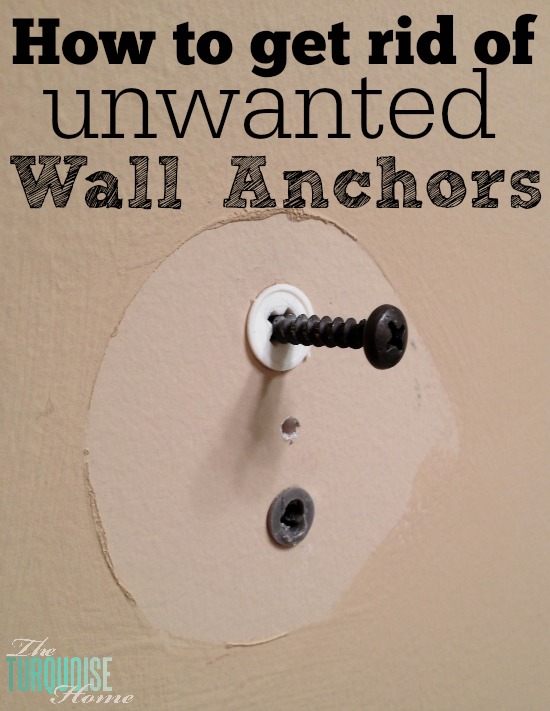
Once the screw is out, check the anchor. Some anchors will stay inside the wall. Try to gently pull the anchor out with pliers. Twist it slightly while pulling. If it does not come out, push it deeper into the wall. This method hides the anchor and avoids wall damage. Fill the hole with spackle or putty. Let it dry and sand smooth before painting or hanging again.
Fixing The Wall After Removal
Removing screws and wall anchors often leaves small holes or marks. Fixing these spots helps your wall look clean and smooth again. Proper repair keeps walls ready for new decorations or paint.
Patching Small Holes
Start by cleaning the holes of dust and debris. Use a putty knife to apply wall filler or spackle. Press the filler into the hole gently. Smooth the surface with the knife for an even finish. Let the filler dry completely, usually for a few hours.
Sanding And Painting
After the filler dries, sand the patch with fine sandpaper. Sand until the area feels smooth and flat. Wipe away dust with a dry cloth. Choose paint that matches your wall color. Apply paint over the patched area using a brush or roller. Let the paint dry and apply a second coat if needed.
Tips To Avoid Wall Damage
Removing screws from wall anchors can easily damage your wall. Knowing how to avoid this damage helps keep walls smooth and clean. Careful steps protect paint and drywall from peeling or breaking. Follow these tips for safe removal and a neat finish.
Use The Right Tools
Choose a screwdriver that fits the screw head perfectly. A loose tool can slip and harm the wall. A drill with a proper bit works well for stuck screws. Avoid using pliers or tools that can twist the wall anchor.
Apply Gentle Pressure
Turn the screw slowly and steadily. Too much force can tear the drywall. If the screw won’t move, stop and try another method. Gentle pressure helps keep the wall intact.
Protect The Wall Surface
Place painter’s tape around the screw before starting. Tape shields paint and drywall from scratches. It also marks the area, so you stay focused. This small step makes a big difference in wall care.
Remove Anchors Carefully
Pull wall anchors out with pliers but gently. Twist and pull slowly to avoid wall damage. If the anchor is deep, push it inside the wall. This avoids large holes and keeps the wall strong.
When To Call A Professional
Removing screws from wall anchors can be tricky. Sometimes, the task seems simple but gets complicated fast. Knowing when to call a professional saves time and prevents damage. Professionals have the right tools and skills to handle tough cases. They avoid making holes bigger or ruining the wall.
Calling a professional is smart if the screw is stuck very tight. Also, if the wall material looks weak or crumbly, experts can help. They know how to protect your walls from extra damage. If you do not have the right tools, a pro can work safely and quickly. Safety is important, especially if wires or pipes are inside the wall.
Signs The Screw Or Anchor Is Too Damaged
If the screw head is stripped or rounded off, removal is hard. Wall anchors that break inside the wall need expert help. A professional can remove parts without hurting the wall’s surface. Trying to fix this yourself may cause bigger holes or cracks.
When Wall Material Is Fragile
Some walls, like drywall or plaster, break easily. If the wall feels soft or crumbly around the anchor, avoid DIY methods. Professionals know how to support these walls during removal. They reduce the chance of cracks or extra repairs later.
Complex Or Hidden Wall Situations
Wires, pipes, or insulation behind the wall make removal risky. Professionals use special tools to detect these hazards. They prevent accidents like electric shock or water leaks. If you suspect hidden wiring or plumbing, call a pro first.
Time And Effort Are Too High
Sometimes, removing screws and anchors takes too much time. If you have many anchors or complex walls, a pro can finish faster. This saves frustration and prevents mistakes. Professionals work efficiently with proper tools and skills.
Frequently Asked Questions
How Do You Safely Remove Screws From Wall Anchors?
To safely remove screws, first turn the screw counterclockwise using a screwdriver. If it resists, try applying gentle pressure. Avoid forcing to prevent wall damage. Once loose, pull the screw out carefully, leaving the anchor in place if needed for reuse.
Can I Reuse Wall Anchors After Removing Screws?
Yes, you can reuse wall anchors if they remain intact. Check for damage or cracks. If the anchor is loose or broken, replace it with a new one. Reusing anchors helps maintain wall stability and secures new screws properly.
What Tools Are Best For Removing Screws From Anchors?
A Phillips or flat-head screwdriver works best for most screws. For stubborn screws, use pliers or a drill with a screwdriver bit. Using the right tool prevents stripping the screw head and makes removal easier and safer.
How To Remove Wall Anchors After Screw Extraction?
After removing the screw, gently pull the anchor out with pliers if possible. If the anchor is flush or stuck, push it into the wall cavity or drill it out carefully. Repair the hole afterward for a smooth wall surface.
Conclusion
Removing screws from wall anchors can be simple with the right steps. Use basic tools like a screwdriver and pliers carefully. Take your time to avoid damage to the wall. Small mistakes can make the task harder. Follow the methods shared, and you will do it well.
Practice helps you get better and faster. Keep safety in mind during the process. Now, you can handle this task without stress or confusion.