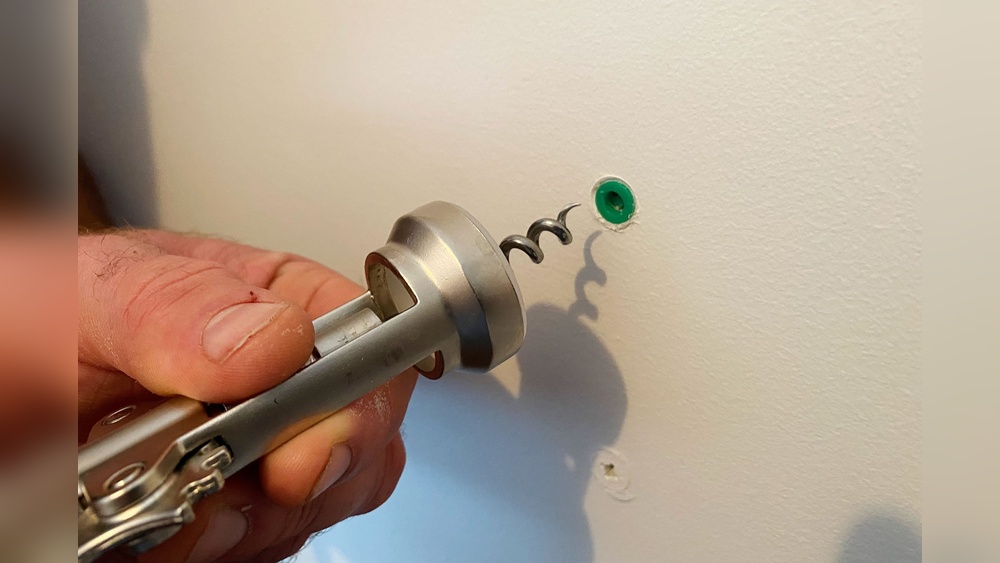
Are you struggling to hang shelves, pictures, or fixtures on hollow walls without worrying they’ll fall? Using plastic hollow wall anchors can be your simple and reliable solution.
These small tools hold your screws firmly in place, even when the wall itself can’t support much weight. But how do you install them correctly to make sure your items stay secure? In this guide, you’ll discover easy, step-by-step instructions that anyone can follow.
By the end, you’ll feel confident tackling your wall projects and enjoying the results without stress or guesswork. Keep reading to learn how to put in plastic hollow wall anchors the right way!

Credit: www.picturehangsolutions.com
Choosing The Right Anchor
Choosing the right plastic hollow wall anchor is key for a strong hold. The correct anchor keeps your items secure and prevents damage to walls. Different anchors fit different needs and wall types. Knowing what to pick helps avoid common mistakes and saves time.
Types Of Plastic Hollow Wall Anchors
Plastic hollow wall anchors come in various shapes and sizes. Some have expanding wings that open inside the wall. Others use a screw that pushes the anchor tight. There are also anchors with ribs that grip the drywall. Each type suits different wall conditions and weight loads.
Matching Anchor To Wall Material
Drywall, plaster, and hollow block walls need different anchors. Choose an anchor designed for your wall type. Drywall anchors work well in soft walls but not in hard plaster. Hollow block requires stronger anchors with wider grips. Picking the right anchor stops it from slipping or falling out.
Weight Capacity Considerations
Every anchor has a weight limit. Always check the anchor’s weight capacity before use. Heavy items need anchors that hold more weight. Light anchors can fail under heavy loads, causing damage. Use anchors rated for at least the weight of your object plus extra safety margin.
Tools And Materials Needed
Installing plastic hollow wall anchors requires a few basic tools and materials. Having the right items makes the job easier and ensures a secure hold. Prepare your workspace and gather everything before you start.
Drill And Drill Bits
A power drill is essential for creating holes in the wall. Choose a drill bit that matches the size of the anchor. Using the correct drill bit helps the anchor fit tightly. This prevents the anchor from spinning or falling out.
Screwdriver Selection
Select a screwdriver that fits your screw head perfectly. Most anchors use Phillips or flathead screws. Using the right screwdriver reduces the risk of stripping the screw. A comfortable handle also helps during installation.
Additional Supplies
Keep a hammer nearby for tapping anchors into place gently. A pencil helps mark the drilling spot accurately. A level can ensure your anchor positions are straight and even. Safety glasses protect your eyes from dust and debris.
Preparing The Wall
Preparing the wall is the first step before installing plastic hollow wall anchors. It helps ensure the anchor fits well and holds strong. Take your time to prepare the wall carefully. This will make the installation easier and safer.
Locating The Spot
Choose the exact spot where you want to place the anchor. Use a tape measure to find the right position. Check that the spot is on a flat surface for better hold. Avoid placing anchors too close to edges or corners.
Marking The Hole
Mark the spot clearly with a pencil or marker. Make a small dot where the hole will go. This mark guides your drill and helps avoid mistakes. Double-check the mark before drilling to stay accurate.
Checking For Obstacles
Look behind the wall for pipes, wires, or studs. Use a stud finder or knock lightly to detect obstacles. Avoid drilling into anything that can cause damage or danger. Clear the area to keep the installation safe and smooth.
Credit: www.do-it-yourself-help.com
Drilling The Hole
Drilling the hole is the first key step in installing plastic hollow wall anchors. The hole must be the right size and clean to hold the anchor firmly. Careful drilling ensures the anchor fits well and supports the weight of the item you want to hang. Follow clear steps to drill a perfect hole for your anchor.
Selecting Drill Bit Size
Choose a drill bit that matches the anchor size exactly. Check the anchor packaging for the recommended drill bit diameter. Using a drill bit too large will make the anchor loose. A drill bit too small will make it hard to insert the anchor. Pick a bit that fits the anchor snugly for best results.
Drilling Techniques
Hold the drill steady and straight to the wall. Start drilling slowly to avoid slipping. Apply steady pressure but do not force the drill. Drill at a steady speed to make a clean hole. Stop drilling as soon as you reach the right depth. Mark the depth on the drill bit with tape if needed.
Cleaning The Hole
Remove dust and debris from the drilled hole. Use a small brush or a vacuum cleaner to clean inside. Dust can stop the anchor from gripping the wall properly. Clean holes help anchors hold weight securely. Check the hole again before placing the anchor inside.
Installing The Anchor
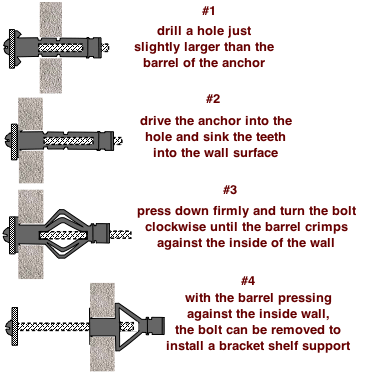
Installing a plastic hollow wall anchor is a simple process that strengthens your wall fixings. This step helps the anchor hold tight inside the wall. Follow each part carefully for a strong and secure fit.
Inserting The Anchor
Start by pushing the anchor into the drilled hole. Use gentle pressure to avoid damaging the anchor. The anchor should slide in smoothly until it is flush with the wall surface. If it is too tight, slightly widen the hole.
Ensuring Proper Fit
Check that the anchor sits firmly in the wall. It should not wobble or move when you touch it. The anchor must be flush with the wall and aligned straight. A loose fit can cause the anchor to fail.
Expanding The Anchor
Insert the screw into the anchor slowly. As you tighten, the anchor will expand behind the wall. This expansion locks the anchor in place. Tighten until the screw is secure but do not over-tighten.
Securing The Screw
Securing the screw in a plastic hollow wall anchor is crucial for a strong hold. This step ensures the anchor expands inside the wall and grips tightly. Proper screw placement prevents damage and keeps your fixture safe.
Choosing The Right Screw
Select a screw that matches the anchor size. Too small screws won’t expand the anchor properly. Too big screws may crack the anchor or wall. Use screws with a length that fits your wall thickness plus the object.
Screw Insertion Tips
Start by turning the screw slowly into the anchor. Use a screwdriver or drill on low speed. Stop when you feel resistance as the anchor expands. Keep the screw straight to avoid loosening the anchor.
Avoiding Over-tightening
Stop tightening once the screw feels firm. Over-tightening can break the anchor or damage the wall. A snug fit holds better than a forced one. Check the screw regularly to keep it secure but not too tight.
Testing The Installation
Testing the installation is a key step after placing plastic hollow wall anchors. It ensures your anchor holds tight and supports the weight you plan to hang. Skipping this step can lead to loose fittings or damage to your wall. Follow these tips to check and adjust your installation properly.
Checking Stability
Gently pull or push the anchor to check if it moves. A well-installed anchor will stay firm and not wiggle. If it feels loose, it may not hold the item securely. Also, try screwing in the fastener slowly. Notice if it tightens without resistance. This means the anchor grips the wall correctly.
Making Adjustments
If the anchor feels loose, remove the screw and inspect the hole. Sometimes the hole is too big or the anchor is not fully expanded. Try using a larger anchor or a different type if needed. Reinsert the anchor and screw it in carefully. Avoid overtightening, which can damage the wall or anchor.
Common Troubleshooting
Loose anchors often result from wrong hole size or weak wall material. If the anchor spins freely, the hole might be too large. Use a bigger anchor or fill the hole with wall repair compound before trying again. If the wall crumbles, choose a different anchor designed for hollow or fragile surfaces.

Credit: www.reddit.com
Safety Tips And Best Practices
Working with plastic hollow wall anchors requires care and attention. Safety should be a top priority to avoid injuries and damage. Follow these tips and best practices to ensure a smooth and safe installation process.
Handling Tools Safely
Always wear safety glasses to protect your eyes from debris. Use gloves to avoid cuts and scrapes. Keep your hands away from drill bits and sharp edges. Hold tools firmly and use them for their intended purpose only. Stop using any tool that feels loose or broken.
Protecting Wall Surfaces
Place painter’s tape over the area before drilling to reduce wall damage. Drill slowly and steadily to prevent cracks or holes from widening. Use the right drill bit size for the anchor to avoid making the hole too big. Clean dust and debris from the hole to help the anchor hold better.
Maintaining Equipment
Check your drill and other tools before starting. Make sure drill bits are sharp and in good condition. Clean tools after use to prevent rust and dirt buildup. Store tools in a dry place to keep them safe and ready for the next job.
Frequently Asked Questions
What Tools Do I Need For Plastic Hollow Wall Anchors?
You need a drill, drill bit, screwdriver, hammer, and the plastic hollow wall anchors. These tools help secure anchors properly and ensure stability.
How Do I Choose The Right Drill Bit Size?
Select a drill bit matching the anchor’s diameter. This ensures a snug fit and prevents the anchor from spinning or falling out.
Can Plastic Hollow Wall Anchors Hold Heavy Items?
They support light to medium-weight items like pictures and shelves. For heavy loads, use metal anchors or toggle bolts for better strength.
What Steps Ensure Secure Anchor Installation?
Drill the hole, insert the anchor flush with the wall, then screw in the fastener. Avoid over-tightening to prevent wall damage.
Conclusion
Plastic hollow wall anchors hold items securely on drywall. Follow the steps carefully for a strong hold. Choose the right size anchor for your project. Drill a proper hole and insert the anchor firmly. Tighten the screw without overdoing it.
This keeps your items safe and stable. Practice makes the process easier and faster. Now you can hang shelves, pictures, and more with confidence. Simple tools and steps lead to great results. Try it today and see the difference.