Keeping your valuables safe is important, and a First Alert firesafe is a great choice for protecting what matters most. But if it’s not anchored properly to your wall, it can be easy for someone to carry it away.
You might be wondering, “How do you anchor a First Alert firesafe to the wall securely and easily? ” This guide will walk you through simple steps that anyone can follow. By the end, you’ll feel confident that your safe is firmly in place, giving you extra peace of mind.
Keep reading to find out exactly what you need to do to protect your belongings the right way.

Credit: www.weldingstore.com
Choosing The Right Location
Choosing the right location to anchor your First Alert firesafe to the wall is very important. A good spot keeps the safe secure and easy to access. It also helps protect your valuables from theft or damage.
Think about where the safe will be most useful and safe. The wall must support the safe’s weight. Avoid places that are hard to reach or crowded with things. This makes sure the safe stays put and works well.
Assessing Wall Material
Check what type of wall you have. Drywall, brick, or concrete all need different anchors. Drywall alone is weak. Use studs or special anchors for strength. Brick and concrete require drill bits and masonry anchors.
Look for solid parts of the wall. These will hold the safe better. Avoid hollow or thin areas. Proper wall material helps keep the safe steady.
Finding A Secure Spot
Pick a spot that is hard for thieves to reach. Near the floor or in a closet works well. Avoid places near windows or doors. These are easier to break into.
Make sure the safe does not block exits or walkways. It should be easy for you to open and close. A secure spot means the safe stays in place and safe.
Avoiding Obstacles
Look around the wall for pipes or wires. Drilling into these can cause damage or danger. Use a stud finder or similar tool to check.
Clear the area of furniture or decorations. These can get in the way of anchoring the safe. A clear wall keeps installation simple and safe.
Gathering Necessary Tools
Before anchoring a First Alert firesafe to the wall, gather all necessary tools. This step is important to complete the job safely and quickly. Having everything ready helps avoid interruptions. It also ensures the safe stays secure and stable on the wall.
Below is a list of essential hardware and recommended tools. These items make the installation process easier and more efficient.
Essential Hardware
- Wall anchors suitable for your wall type
- Screws that fit the safe’s mounting holes
- Mounting brackets if your safe requires them
- Washers to distribute pressure evenly
- Safety bolts to prevent theft or removal
Recommended Tools
- Power drill for quick and precise holes
- Drill bits matching anchor size
- Stud finder to locate wall studs
- Level to ensure straight installation
- Measuring tape for exact placement
- Socket wrench or screwdriver for tightening screws
Preparing The Wall
Start by cleaning the wall surface to remove dust and dirt. Choose a solid spot, like a stud, to ensure strong support. Mark the holes carefully before drilling to keep the safe stable.
Marking Drill Points
Start by choosing the right spot on your wall for the safe. Ensure it is solid and near a power source if needed. Hold the safe against the wall at the desired height. Use a pencil to mark the drill points through the mounting holes. Double-check the marks before drilling. Clear marks help keep the installation straight and secure.
Using A Level For Accuracy
Place a level on top of the safe to check alignment. Adjust the safe until the bubble centers perfectly. This step prevents tilting and ensures a neat look. Mark the drill points again if needed after leveling. Accurate placement means the safe will open and close smoothly. Take your time with this step for the best results.
Drilling Holes
Drilling holes is a key step to anchor a First Alert firesafe securely to a wall. Proper drilling ensures the safe stays firmly in place and protects your valuables. This process requires the right tools and careful handling to avoid damage to the wall or the safe.
Selecting Drill Bits
Choose drill bits based on the wall type. For concrete or brick walls, use masonry drill bits. For wooden walls, standard wood drill bits work best. Match the drill bit size with the anchor size provided with the safe. Using the wrong bit size can cause weak anchoring or wall damage.
Drilling Safely
Wear safety goggles to protect your eyes from dust and debris. Mark the drilling spots clearly on the wall before you start. Use a steady hand and drill straight into the wall. Avoid rushing to prevent cracks or holes that are too big. Clean dust from the holes before inserting anchors for a tight fit.
Installing Anchors
Installing anchors is a key step to secure your First Alert Firesafe to the wall. It keeps the safe stable and protects your valuables from theft or falling. Proper installation prevents damage to the wall and the safe itself. Follow clear steps and choose the right anchors for a strong hold.
Types Of Anchors To Use
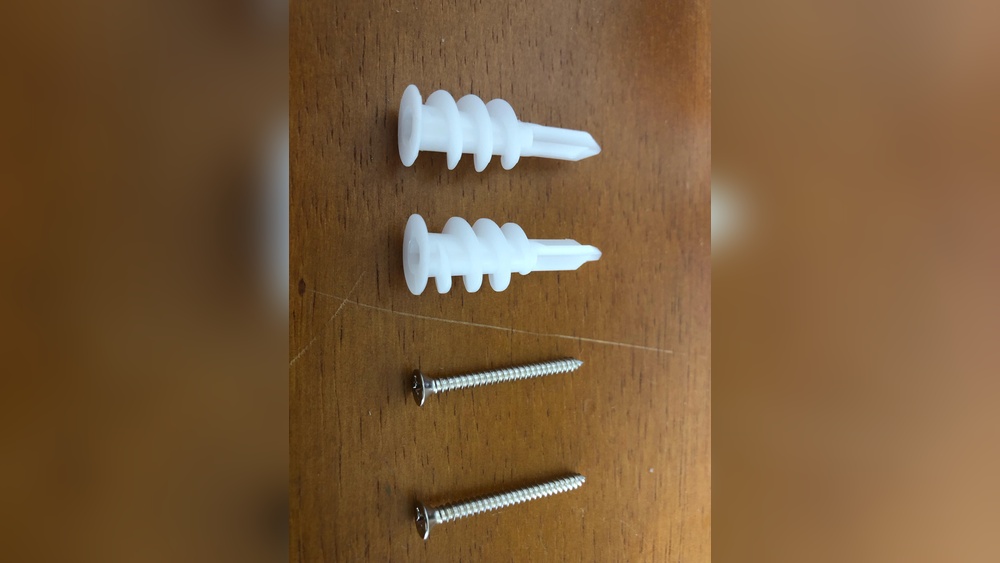
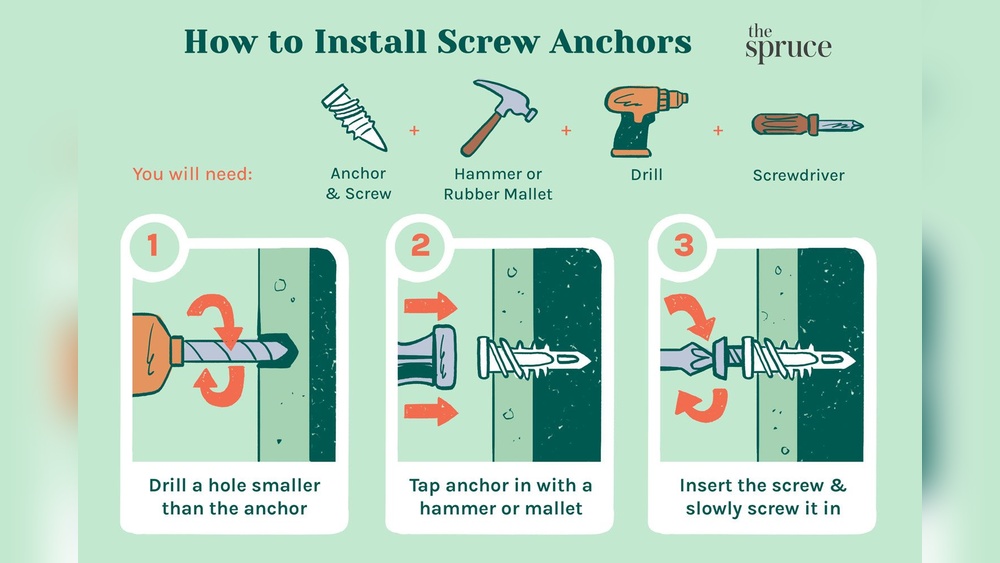
Choose anchors based on your wall type. For drywall, use toggle bolts or molly bolts. These expand behind the wall for better grip. For concrete or brick walls, use sleeve anchors or masonry anchors. Plastic anchors work for light loads but avoid them for heavy safes. Pick anchors that fit the weight and size of your firesafe.
Securing Anchors Properly
Start by marking holes on the wall using the safe’s mounting holes. Drill pilot holes that match the anchor size. Insert anchors fully into the holes. Use a screwdriver or drill to tighten screws into anchors. Tighten screws firmly but avoid over-tightening to prevent wall damage. Check that the safe holds tightly and does not wobble. Proper securing ensures safety and peace of mind.

Credit: www.walmart.com
Mounting The Firesafe
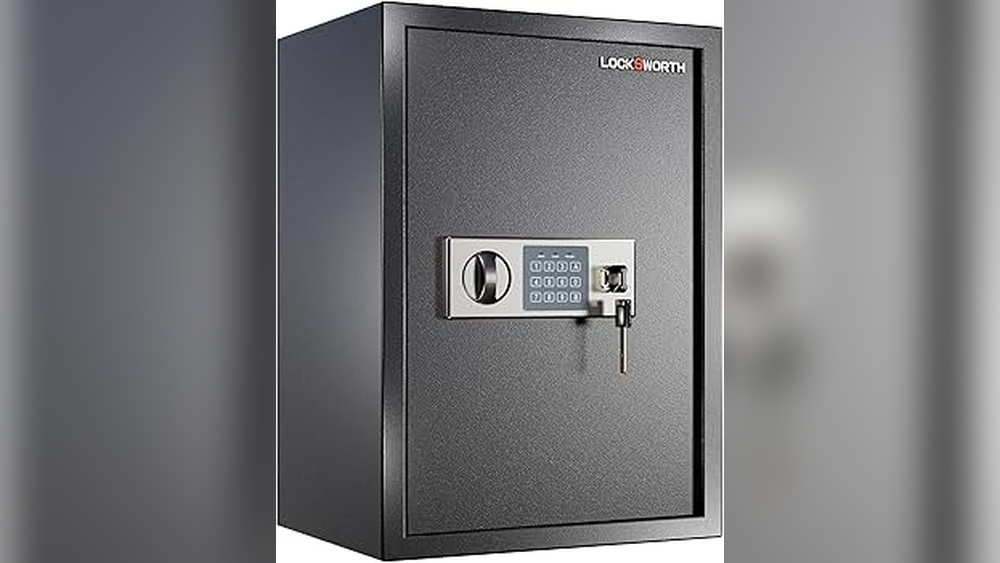
Mounting your First Alert firesafe securely to a wall keeps it stable and safe. It prevents theft and stops the safe from tipping over. Proper mounting also ensures the safe works correctly during emergencies. Follow these steps carefully to attach your safe to the wall.
Aligning The Safe
Place the safe against the wall where you want to mount it. Use a level to check if the safe is straight. Mark the wall through the holes at the back of the safe. Make sure the marks line up with wall studs for strong support. Avoid mounting on drywall alone as it may not hold well.
Tightening Screws
Use heavy-duty screws and wall anchors suitable for your wall type. Insert the screws into the marked spots and tighten them securely. Do not overtighten to avoid damaging the safe or wall. Check that the safe feels firm and does not wobble. Properly tightened screws keep the safe anchored during emergencies.
Testing Stability
Testing the stability of your First Alert Firesafe after anchoring it to the wall is important. It ensures the safe stays secure during emergencies or accidental bumps. A stable safe protects your valuables and gives you peace of mind. This step takes only a few minutes but adds great safety.
Checking Firmness
Start by gently shaking the safe. It should not move or wobble. Press on different sides to feel for any looseness. Use your hands to test the bolts and anchors. They must feel tight and solid. If the safe shifts or tilts, it needs more secure anchoring. A firm safe stays fixed in one position.
Making Adjustments If Needed
If the safe is loose, tighten the bolts with a wrench. Check the wall anchors and screws for proper fit. Replace any damaged parts with stronger anchors. Use a level to ensure the safe is straight. Adjust the position slightly and retighten the fasteners. Repeat the firmness check until the safe feels secure. These small fixes improve stability significantly.

Credit: www.amazon.com
Maintenance Tips
Maintaining your First Alert Firesafe after anchoring it to the wall is crucial. Proper care keeps it secure and ready to protect your valuables. Small actions can prevent bigger problems later.
Regular Inspections
Check the anchors and screws every few months. Look for signs of rust, loosening, or damage. Tighten any loose screws immediately. Rust can weaken the metal, making the safe less secure. Clean the area around the anchors to avoid dust build-up.
Reinforcing Anchors Over Time
Over time, anchors can wear down or become less effective. Replace old screws or bolts with stronger ones if needed. Use wall anchors designed for your wall type. Adding extra anchors can improve stability. This helps keep the safe firmly attached and prevents movement during impacts.
Frequently Asked Questions
How Do You Securely Anchor A First Alert Firesafe?
Use wall anchors and screws suitable for your wall type. Mark holes on the wall, drill pilot holes, insert anchors, then screw the safe firmly.
What Tools Are Needed To Mount A First Alert Firesafe?
You need a drill, screwdriver, level, pencil, wall anchors, and screws. These tools help ensure a secure and level installation.
Can I Install A First Alert Firesafe On Drywall?
Yes, use heavy-duty drywall anchors to ensure the safe is stable and secure. Avoid just screwing into drywall without anchors.
Where Is The Best Wall Location For A First Alert Firesafe?
Choose a hidden but accessible spot, away from moisture. Studs in walls provide stronger support for mounting heavy safes.
Conclusion
Anchoring your First Alert firesafe to the wall keeps it secure and steady. It helps prevent accidents and protects your valuables. Using the right tools and following steps makes the job easy and safe. Check the wall type before choosing anchors.
Tighten screws firmly, but don’t overdo it. A well-anchored safe adds peace of mind at home or office. Simple care and correct installation make a big difference. Keep your important items safe and avoid unexpected damage.