Locked out and staring at a stubborn deadbolt can be frustrating and stressful. You might feel stuck, unsure of what to do next, or worried about damaging your door.
But don’t worry—you’re not alone, and there are simple, effective ways to get through a deadbolt without breaking the bank or your nerves. You’ll discover practical tips and tricks that anyone can use to regain access quickly and safely. Keep reading—you’re just a few steps away from solving your lock problem with confidence.

Credit: www.wikihow.com
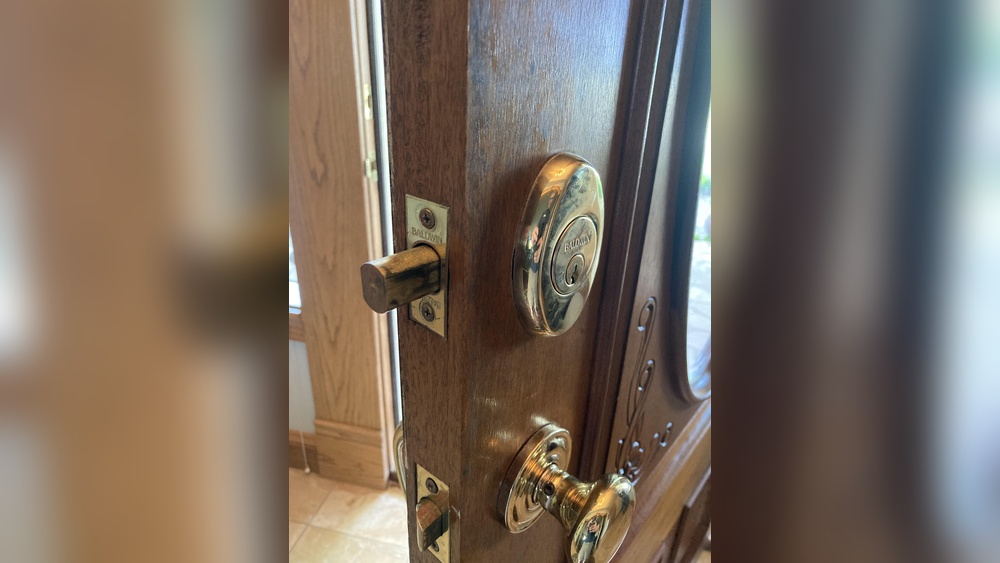
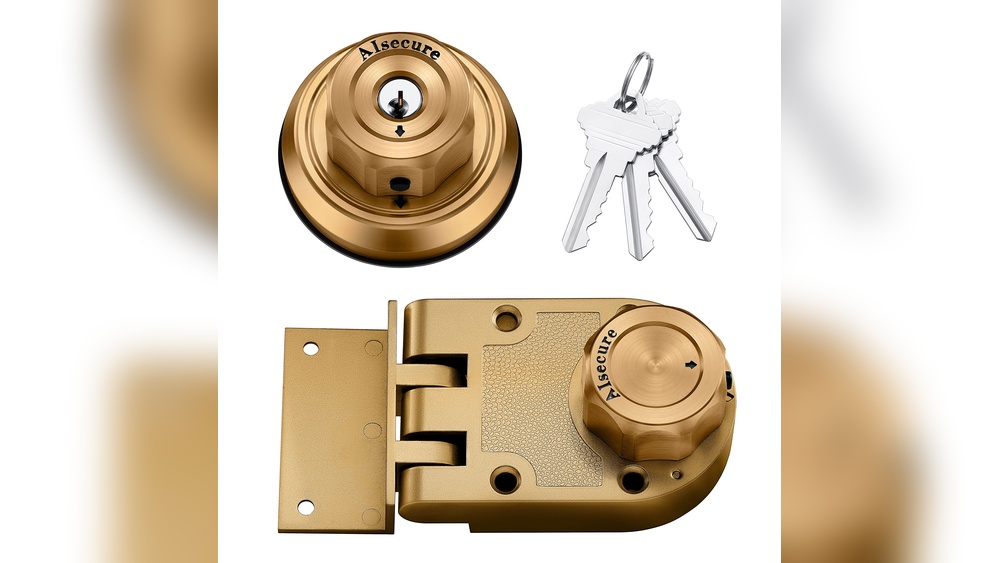
Types Of Deadbolts
Deadbolts come in several types, each with unique features and uses. Knowing these types helps you understand how to get through a deadbolt in different situations. Some deadbolts offer simple security, while others provide more protection or convenience. Here are the main types of deadbolts you might encounter.
Single Cylinder Deadbolts
Single cylinder deadbolts have a keyhole on the outside. Inside, there is a thumb turn to lock or unlock the door. This type is common in homes and easy to use. It offers good security but can be risky if there is glass near the door. Someone can break the glass and reach in to turn the thumb lock.
Double Cylinder Deadbolts
Double cylinder deadbolts need a key to open from both sides. There is no thumb turn on the inside. This adds extra security, especially for doors with glass panels. It prevents burglars from unlocking the door by breaking glass. But it can be dangerous in emergencies where quick exit is needed.
Keyless Deadbolts
Keyless deadbolts use a keypad or fingerprint scanner. No physical key is needed. You enter a code or use your fingerprint to unlock the door. This type is convenient and quick. It reduces the risk of losing keys. Some models allow you to change codes easily for better security.
Credit: www.reddit.com
Tools Needed For Entry
Getting through a deadbolt requires specific tools. These tools help manipulate the lock mechanism. Knowing each tool’s function improves your chances. Safety and legality should always be considered before use.
Lock Picks
Lock picks are thin metal tools. They help move the pins inside the lock. Different shapes exist for different lock types. Using picks takes practice and patience. Beginners should start with basic sets. Quality picks last longer and perform better.
Bump Keys
Bump keys look like regular keys. They have specially cut teeth. When tapped, they push lock pins up. This allows the lock to turn. Bump keys require a small hammer or tool. They work best on standard locks. Not all deadbolts respond to bump keys.
Tension Wrenches
Tension wrenches apply pressure inside the lock. This pressure holds pins in place. It allows picks to move pins easily. They come in various sizes and shapes. Proper tension is key for successful entry. Too much or too little pressure fails.
Alternative Tools
Other tools include credit cards and screwdrivers. Credit cards slide between door and frame. They push the latch back if not deadbolted. Screwdrivers can remove lock plates or screws. These tools work only in certain situations. Always use tools responsibly and legally.
Basic Techniques To Bypass Deadbolts
Deadbolts are strong locks designed to keep doors secure. Sometimes, there is a need to bypass them. Knowing basic techniques can help in emergencies or for legal purposes. These methods vary in skill and tools needed. Some require practice, others need simple household items.
Lock Picking Basics
Lock picking uses tools to move pins inside the lock. A tension wrench applies pressure while a pick lifts pins. The goal is to set all pins to the right height. This lets the lock turn and open. It takes patience and steady hands. Simple lock picks can be bought or made at home.
Bump Key Method
A bump key fits many locks of the same type. Insert the key and tap it with a small tool. The tapping causes pins to jump briefly. Turning the key quickly can open the lock. This method is fast but needs a special key and timing. It works best on older locks.
Using A Credit Card
A credit card can slide between the door and frame. The card pushes the latch back to open the door. This works only on spring bolt locks, not deadbolts. The card must be flexible and sturdy. Wiggle the card while pushing the door handle. This method is simple but limited.
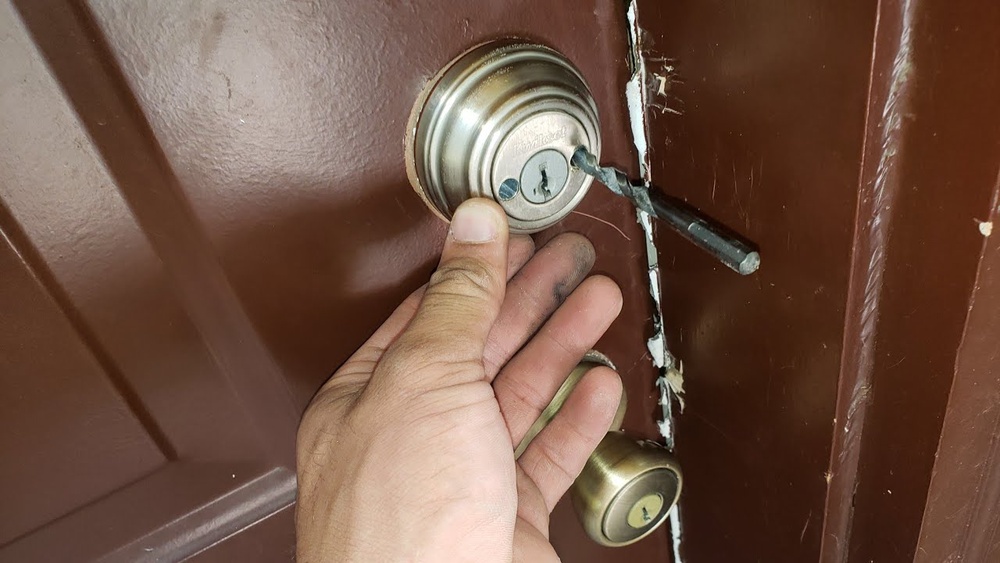
Drilling The Lock
Drilling destroys the lock mechanism to open the door. Use a power drill with a metal bit. Drill near the keyhole where the pins are located. This stops the pins from holding the lock. Drilling ruins the lock, so replace it after. This method is noisy and should be a last choice.
Advanced Methods For Tough Locks
Advanced methods help open tough deadbolts without damage. These techniques require skill and special tools. They work best on high-security locks or electronic deadbolts.
Learn about the impressioning technique, bypassing electronic locks, and using locksmith tools. Each method offers a unique way to handle difficult deadbolts.
Impressioning Technique
Impressioning creates a working key by shaping a blank key. Insert the blank key into the lock and turn it slightly. The lock marks the blank key where pins touch. Remove and file the marks carefully. Repeat until the key turns smoothly. This method takes patience and precision. It works well on standard pin tumbler deadbolts.
Bypassing Electronic Deadbolts
Electronic deadbolts use codes or cards instead of keys. Bypassing requires knowledge of the lock’s wiring or battery. Some models have mechanical key overrides. Others can be reset by disconnecting power briefly. Use a small tool to access reset buttons. Understanding the lock’s design helps avoid permanent damage. This method suits those familiar with electronics.
Using A Locksmith’s Tools
Professional locksmith tools include tension wrenches, picks, and plug spinners. Tension wrenches apply pressure inside the lock. Picks lift pins to the correct height. Plug spinners rotate the lock cylinder quickly. Together, these tools open many tough deadbolts. Training improves success and reduces lock damage. Tools are available for purchase but require practice to use correctly.
Legal And Safety Considerations
Getting through a deadbolt can be tricky and risky. Knowing the legal and safety rules is very important before trying. This helps avoid trouble with the law and keeps everyone safe. This section explains key points to think about before attempting entry.
When Entry Is Legal
Only enter with permission from the owner or legal authority. Emergency situations like fire or medical help allow entry. Police or locksmiths need proper paperwork to unlock doors. Breaking in without consent is against the law and can cause serious problems.
Avoiding Damage
Use gentle methods to protect the door and lock. Forcing the lock can break the deadbolt and door frame. Damage costs more money to fix later. Tools designed for lock picking cause less harm than brute force. Always try non-destructive ways first.
Hiring Professionals
Experts have the right tools and skills for safe entry. Locksmiths know how to open deadbolts without damage. Hiring a pro saves time and stress. They follow legal rules and ensure no harm to property. Always check credentials before hiring a locksmith.

Credit: www.youtube.com
Preventing Lockouts
Preventing lockouts is key to avoid stress and wasted time. Simple steps can save you from being stuck outside your home. Planning ahead helps keep your day smooth and safe.
Spare Keys And Key Management
Keep spare keys in safe, accessible places. Give a copy to trusted friends or family members. Avoid hiding keys in obvious spots like under mats. Use a secure lockbox if needed. Check your spare keys often to ensure they work well.
Smart Lock Solutions
Smart locks offer easy entry without physical keys. Use codes or smartphone apps to unlock doors. Some models allow temporary codes for guests or service workers. Choose smart locks with good security ratings. Regularly update passwords to keep your home safe.
Routine Maintenance Tips
Check your deadbolt regularly for smooth operation. Clean the lock with a dry cloth to remove dirt. Lubricate moving parts with graphite powder or silicone spray. Avoid using oil-based lubricants that attract dust. Fix any sticking or hard-to-turn locks immediately.
Frequently Asked Questions
How Can I Unlock A Deadbolt Without A Key?
You can use lock picking tools or a bump key to unlock a deadbolt. Alternatively, try a credit card for spring bolts, but it rarely works on deadbolts. Calling a locksmith is the safest and most effective option if you cannot unlock it yourself.
What Tools Are Needed To Bypass A Deadbolt Lock?
Common tools include a lock pick set, tension wrench, bump key, and sometimes a drill. For non-destructive methods, lock picks and bump keys are preferred. Drilling should be a last resort as it damages the lock.
Can A Deadbolt Be Forced Open Easily?
Deadbolts are designed to resist forced entry and are tough to break. However, using heavy tools like a crowbar or drill can compromise them. Reinforcing door frames and using high-quality deadbolts improves security.
Is Lock Bumping Effective On Deadbolt Locks?
Lock bumping can work on some deadbolts but is less effective on high-security models. It requires a bump key and skill to perform. Many modern deadbolts have anti-bump features to prevent this method.
Conclusion
Getting through a deadbolt takes patience and the right tools. Stay calm and follow the steps carefully. Avoid forcing the lock to prevent damage. Practice these methods in safe situations first. Knowing how to handle a deadbolt can save time and stress.
Keep your tools ready and learn each technique well. This knowledge helps in emergencies and everyday problems. Always respect property and use skills responsibly. Deadbolts may be tough, but you can manage them.