You need to secure your home quickly, but picking a deadbolt can feel tricky and time-consuming. What if you could learn a fast, effective way to do it yourself?
Imagine saving money, avoiding locksmith delays, and feeling confident every time you lock your door. You’ll discover simple steps and insider tips to pick a deadbolt fast—without stress or confusion. Keep reading, and take control of your home’s security right now.

Credit: www.lockpickworld.com
Types Of Deadbolts
Deadbolts come in different types. Each type offers unique features and security levels. Choosing the right deadbolt helps protect your home quickly and effectively.
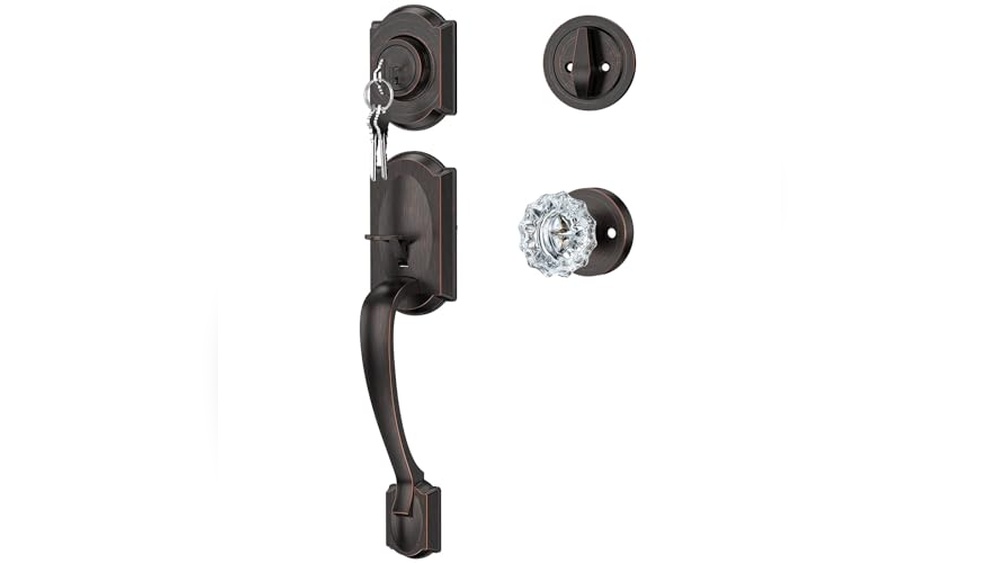
Single Cylinder Deadbolts
Single cylinder deadbolts have a key hole on the outside. Inside, they use a thumb turn to lock or unlock. These are easy to use and common in many homes. They provide good security but need a key to open from outside.
Double Cylinder Deadbolts
Double cylinder deadbolts require a key on both sides. They offer extra security for doors with glass near the lock. This design stops someone from breaking the glass and opening the door. It can be harder to use in emergencies, so think carefully.
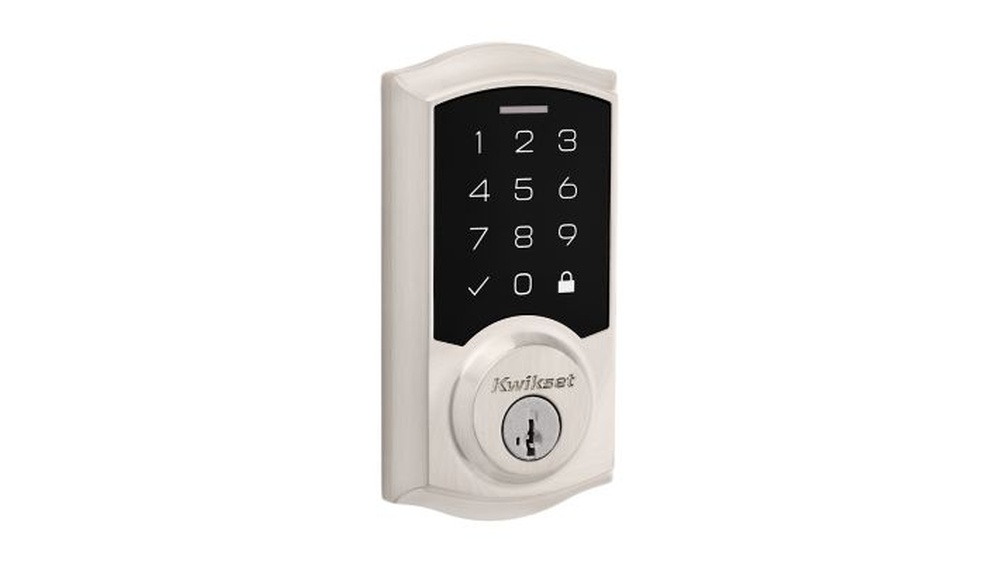
Keyless Deadbolts
Keyless deadbolts use a code or fingerprint to unlock. No physical key is needed, which means no lost keys. They are quick to open and easy to program. These deadbolts work well for families or busy homes.
Credit: practicalselfreliance.com
Tools Needed For Quick Picking
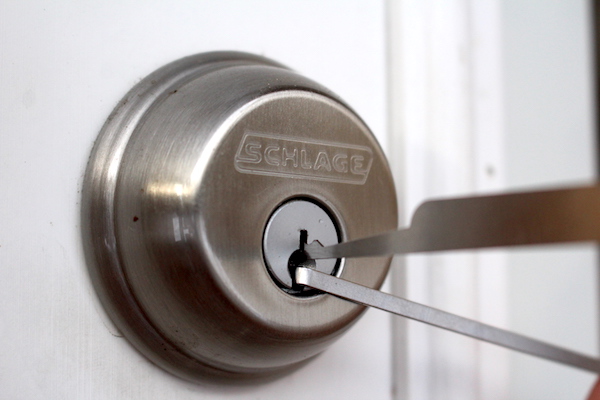
Picking a deadbolt fast requires the right tools. These tools help you apply the correct pressure and move the pins inside the lock smoothly. Without the right tools, the process takes longer and becomes frustrating.
This section explains the basic tools needed to pick a deadbolt quickly. Each tool has a specific role. Understanding these will make your task easier and faster.
Tension Wrench
The tension wrench applies turning force to the lock cylinder. This force holds pins in place while you lift them. A thin, strong piece of metal works best for this tool. Without a tension wrench, pins will not stay in the correct position.
Pick Tools
Pick tools help lift the pins inside the lock. They come in many shapes and sizes. A hook pick is common and easy to use for beginners. The right pick tool fits the lock size and pin arrangement. Using a pick tool carefully avoids damaging the lock.
Alternative Household Items
Household items can work if you lack proper tools. A small paperclip can serve as a pick tool. A bobby pin can act as a tension wrench after bending it. These items are less effective but useful in a pinch. Be gentle to avoid breaking these makeshift tools inside the lock.
Basic Picking Techniques
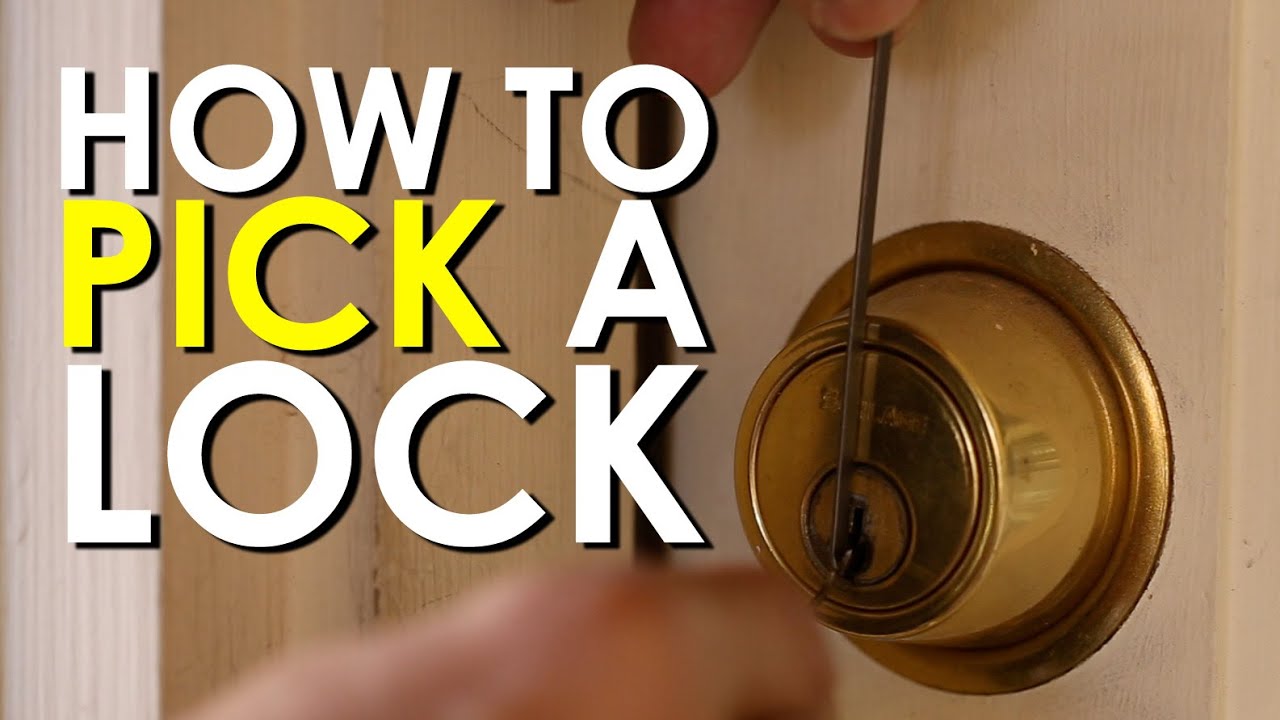
Picking a deadbolt fast requires knowing some basic techniques. These methods help you open locks without keys. Each technique uses different tools and skills. Learning them improves your chances of quick success. Practice is key to becoming confident.
Raking Method
The raking method is simple and quick. Use a rake pick to move pins inside the lock. Insert the pick and slide it back and forth fast. This action pushes several pins at once. When pins set correctly, the lock turns open. This method works best on low-security locks.
Single Pin Picking
Single pin picking is slower but more precise. Use a hook pick to lift each pin one by one. Feel each pin’s resistance carefully. Set each pin at the right height. This technique requires patience and a steady hand. It works well on high-security locks.
Bump Key Approach
The bump key approach uses a special key cut to fit many locks. Insert the bump key into the lock. Tap it lightly with a small tool to move pins quickly. This sudden movement sets the pins, allowing the lock to open. This method needs a bump key and some practice.
Common Challenges
Picking a deadbolt fast is not always easy. Many locks have features that slow down or stop picking attempts. Understanding these common challenges helps you know what to expect and how to deal with them.
Spool Pins And Security Pins
Spool pins look like tiny spools inside the lock. They create false feedback when you try to pick them. This makes it hard to tell if the pin is set correctly. Security pins confuse the picker by binding at different points. They require careful handling and more patience.
Tight Keyways
Tight keyways are narrow openings where the key goes in. They limit the space to insert tools. This makes it tricky to move the pick or apply tension. You need slim and precise tools to work inside tight keyways.
Anti-pick Features
Many deadbolts have anti-pick features. These include special pin shapes, blocked paths, or extra pins. They make it harder to feel the correct pin positions. Anti-pick designs slow down the picking process significantly.
Safety And Legal Considerations
Picking a deadbolt fast requires more than skill. Safety and legal rules matter. Knowing these helps avoid trouble and keeps you safe. This section covers key points about laws, ethics, and when to get help.
Legal Restrictions
Many places have laws about lock picking. Some say only locksmiths can pick locks. Breaking these laws can lead to fines or worse. Always check local rules before trying to pick a deadbolt. Using lock picking tools in public may be illegal. Keep tools private and use them only on your property.
Ethical Use
Only pick locks you own or have permission to open. Picking locks without permission is theft or trespassing. Respect other people’s property and privacy. Use lock picking skills for emergencies or learning only. Ethical use means not harming others or breaking trust.
When To Call A Professional
Some deadbolts are hard to pick fast. Complex locks need special tools and skills. Calling a locksmith saves time and damage to your lock. Professionals know how to open locks safely and legally. If you doubt your skill, call a pro instead of risking mistakes.
Tips For Faster Access
Getting into your home quickly matters. Faster access saves time and eases stress. Simple habits and smart tools help you pick a deadbolt fast. Follow these tips to improve your speed and confidence.
Practice Regularly
Practice makes perfect. Spend time trying to pick your deadbolt. This builds muscle memory. Your fingers learn the right movements. Over time, you will pick the lock faster. Practice in a quiet place without rush.
Use Quality Tools
Good tools make a big difference. Cheap picks bend or break easily. Buy tools made from strong materials. They fit better in the lock. Better tools reduce frustration and speed up picking. Keep your tools clean and organized.
Know Your Lock
Each lock has its own feel. Study your deadbolt’s design carefully. Learn how the pins move inside. This knowledge helps you sense when pins set correctly. Understanding the lock cuts down guessing time. It makes picking faster and smoother.
Credit: www.youtube.com
Frequently Asked Questions
What Factors Should I Consider When Choosing A Deadbolt?
Consider security level, lock type, material quality, and ease of installation. Also, check compatibility with your door and budget.
How Do I Measure My Door For A Deadbolt?
Measure the door thickness, backset distance, and hole diameter to ensure the deadbolt fits perfectly and functions well.
What Is The Difference Between Single And Double Cylinder Deadbolts?
Single cylinder deadbolts use a key outside and a thumb turn inside. Double cylinder deadbolts require a key on both sides, offering extra security.
How Can I Quickly Install A Deadbolt Lock?
Follow the manufacturer’s instructions, use proper tools, and pre-drill holes if needed. Practice safety and test the lock after installation.
Conclusion
Choosing a deadbolt fast does not have to be hard. Focus on the lock’s strength and ease of use. Pick a model that fits your door well. Check reviews to see what others say. Remember, a good deadbolt keeps your home safe.
Trust your judgment and take your time. Your safety matters most.