Have you ever found yourself locked out and wished you had a simple trick to open a deadbolt without a key? Knowing how to pick a deadbolt with a card can save you from stressful moments and unexpected lockouts.
It’s easier than you think, and with the right steps, you can unlock a door quickly and safely. Keep reading, and you’ll learn a practical skill that might just come in handy when you least expect it.

Credit: cnyglock.com
Tools Needed
Picking a deadbolt with a card requires specific tools. Having the right tools makes the process easier and faster. It also helps avoid damage to the lock or door. Knowing what you need is the first step to success.
Choosing The Right Card
Not all cards work for picking deadbolts. A plastic card like a credit or gift card is best. The card must be thin and flexible. It should bend without breaking. Old or expired cards work well. Avoid metal or thick cards as they can damage the lock or door.
Additional Items To Have
Besides the card, some extra tools help a lot. A tension wrench is useful to apply pressure inside the lock. A small flathead screwdriver can help adjust the lock pins gently. Having a flashlight is good for better visibility. Gloves protect your hands from injury. Keep a cloth nearby to clean the lock area if needed.
Preparing The Lock
Preparing the lock is an important first step in picking a deadbolt with a card. This process helps you understand the type of lock and how to position yourself for the best chance of success. Taking time to prepare makes the task easier and safer.
Identifying The Deadbolt Type
Start by looking closely at the deadbolt. Some deadbolts have a keyhole on one side only. Others might have a thumb turn inside. Knowing the type helps you decide how to use the card. Some deadbolts are more resistant to picking. Recognizing these saves time and effort.
Positioning The Door And Lock
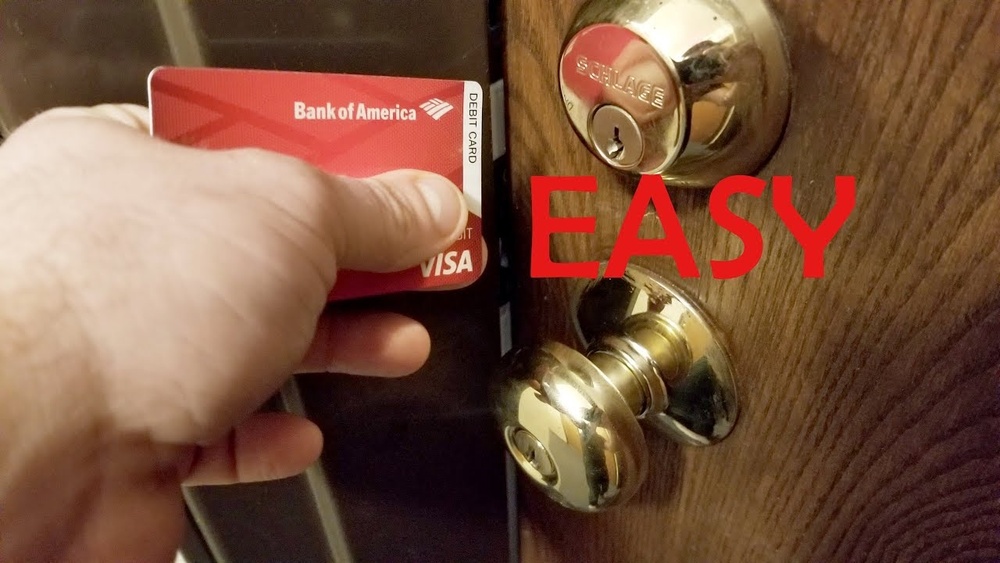
Stand on the side of the door where the lock is located. The door should be slightly open. This creates space to slide the card between the door and frame. Hold the card firmly and at an angle. Proper positioning makes it easier to push the bolt back.
Card Insertion Techniques
Card insertion techniques are key to picking a deadbolt with a card. They help the card slide in smoothly and work properly. Using the right method can make the process easier and faster. Small movements and the right angle make a big difference. Practice will improve your skill over time.
Sliding The Card Between Door And Frame
Start by holding the card flat and thin. Slide it gently between the door and the frame. Push the card down near the latch or bolt. Keep the card straight and steady. Avoid bending the card too much. Slide slowly to find the right gap. The card should go in without much force.
Wiggling And Applying Pressure
Once the card is in, wiggle it slightly. Move it up and down or side to side. Add light pressure to push the bolt back. Do not force the card hard. Gentle movements help the bolt move. Watch and listen for any small clicks. These sounds show the bolt is shifting. Keep trying different angles and pressure levels.
Turning The Deadbolt
Turning the deadbolt is the key step in opening a locked door using a card. This process involves carefully moving the card to shift the internal parts of the lock. Success depends on gentle, precise movements that can guide the bolt to release. Understanding how to turn the deadbolt helps you use the card effectively.
Manipulating The Lock Mechanism
The lock mechanism has small parts inside that keep the bolt in place. Using a card, you need to push these parts slightly. This action loosens the bolt, making it ready to move. Apply light pressure with the card between the door and frame. Feel for the bolt and the pins inside the lock. Move the card slowly to avoid damage or breaking it.
Using Card Movement To Unlock
Slide the card up and down or wiggle it gently. This motion helps the bolt slide back into the door. Stop if the card gets stuck or the door does not budge. Repeat the movements carefully, changing the angle of the card. The goal is to find the right spot where the bolt shifts. Patience is important to successfully turn the deadbolt using a card.
Common Challenges
Picking a deadbolt with a card is not always simple. Several common challenges can make the process tricky. Understanding these difficulties helps you stay calm and try different methods. Patience and practice matter a lot in this skill.
Dealing With Tight Deadbolts
Tight deadbolts resist the card’s movement. They block the card from sliding between the door and the frame. Forcing the card can damage it or the lock. Use a thin, flexible card for better chances. Wiggle the card gently to find the right angle. Small, slow movements work best.
When The Card Gets Stuck
A card may get stuck inside the lock gap. This happens if the card bends too much or catches on metal parts. Pull the card out slowly and carefully to avoid tearing it. Try a different card if the first one gets damaged. Avoid quick jerks or strong pulls to protect your card and lock.
Safety And Legal Considerations
Using a card to pick a deadbolt requires careful thought about safety and law. This method can open a door without a key. But it can also cause harm or break rules. Knowing when and how to use this skill is very important. It protects you and others from trouble.
When To Use This Method
Only use this method if you own the door or have permission. It helps if you lose your key or lock yourself out. Use it to avoid damage to the lock or door. It can be useful in emergencies. Always be sure you are not breaking any rules.
Avoiding Illegal Use
Do not use this method on doors you do not own. Avoid using it to enter places without permission. Breaking in is against the law and can lead to fines or jail. Respect other people’s property and privacy. Using this method responsibly keeps you safe and legal.
Alternative Diy Unlocking Methods
There are several ways to open a deadbolt without using a card. Some methods use common household items. Others need special tools or skills. These alternative DIY unlocking methods may help in emergencies. Always stay careful and gentle to avoid damage.
Using Paperclips And Other Tools
Paperclips can work as simple lock-picking tools. Straighten two paperclips. One acts as a tension wrench. The other pushes the pins inside the lock. Insert the tension wrench at the bottom of the keyhole. Turn it slightly to apply pressure. Then, use the second paperclip to lift the pins one by one. This process needs patience and a steady hand.
Other tools like bobby pins or small screwdrivers can also help. Some people use thin metal strips for sliding the bolt. These methods do not always work on every deadbolt. Practice is important to improve skill and success rate.
Contacting Professionals
Professional locksmiths have the right tools and knowledge. They can open deadbolts quickly and safely. Calling a locksmith is a good choice if DIY methods fail. They reduce the risk of damage to the lock or door.
Locksmiths also offer advice on lock maintenance and upgrades. Their services might cost money but save time and stress. Keep contact information of a trusted locksmith handy for emergencies.

Credit: www.youtube.com

Credit: www.wikihow.com
Frequently Asked Questions
What Tools Do I Need To Pick A Deadbolt With A Card?
You need a thin, flexible plastic card like a credit card. Avoid rigid or thick cards. No additional tools are required. A steady hand and patience are essential.
Can Any Card Open A Deadbolt Lock?
Not all cards work. Flexible plastic cards are best. Thick or metal cards can damage the lock. Some deadbolts are designed to resist card picking. Results vary based on lock quality.
Is Picking A Deadbolt With A Card Legal?
Picking your own lock is legal. Using this method on others’ property is illegal. Always get permission before attempting. Laws vary by region; check local regulations. Responsible use is crucial.
How Does Card Picking A Deadbolt Work?
Sliding the card between door and frame pushes the latch. It tricks the lock into opening. This method works on spring-latch deadbolts, not deadlocks. Success depends on lock type and door fit.
Conclusion
Picking a deadbolt with a card takes patience and practice. Each lock is different, so try gently and carefully. Use the right card, not a hard or thick one. Keep your movements slow to avoid damage. Remember, this skill helps in emergencies only.
Always respect others’ property and the law. With time, you can improve your technique. Stay safe and responsible when handling locks.