Are you ready to hang shelves, pictures, or heavy decor but worried about your walls holding up? Using wall anchors with a drill is the secret to making sure your items stay secure and safe.
If you’ve ever struggled with loose screws or damaged walls, this guide is for you. By learning the simple steps to use wall anchors correctly, you’ll save time, avoid frustration, and get professional-looking results every time. Keep reading, and you’ll discover how to make your walls stronger and your projects easier than ever before.
Choosing The Right Wall Anchors
Choosing the right wall anchors is important for a strong hold. Anchors keep screws firm in walls. Using the wrong anchor can cause damage or failure. Pick the right type for your wall and weight needs. This helps your project stay safe and secure.
Types Of Wall Anchors
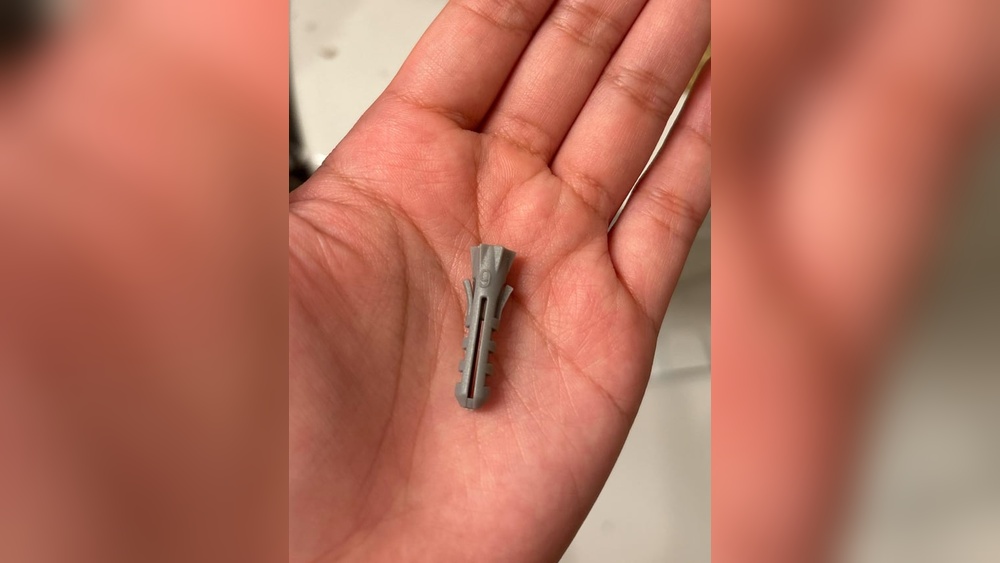
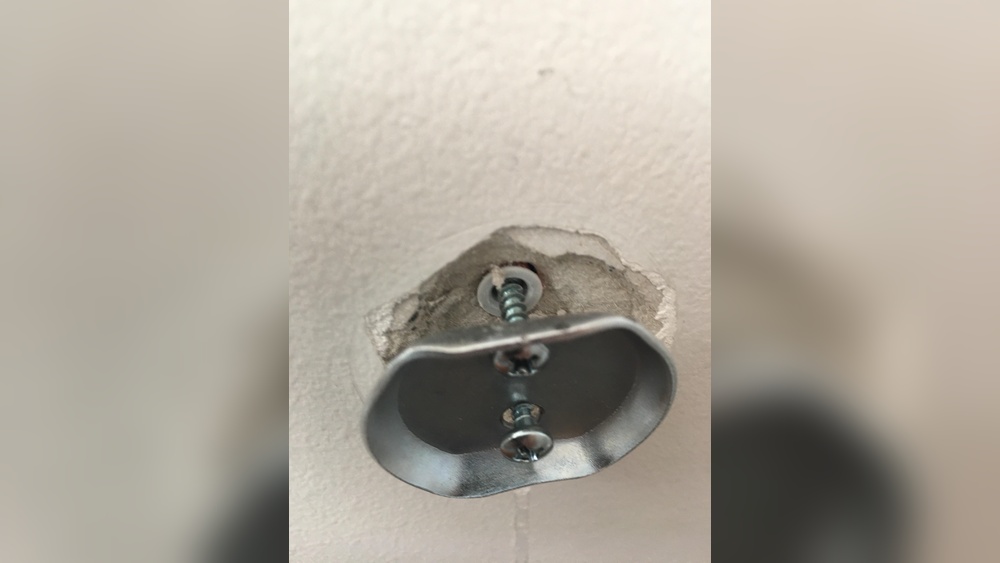
Plastic anchors are common for light loads. They expand as the screw goes in. Metal anchors offer more strength for medium loads. Toggle bolts work well for hollow walls. They spread the load behind the wall. Choose anchors based on the job size.
Matching Anchors To Wall Material
Drywall needs special anchors like plastic or toggle bolts. Masonry walls require anchors made for concrete or brick. Use sleeve anchors or masonry screws here. Wood walls often do not need anchors. Screws can go directly into studs. Always match the anchor to your wall type.
Anchor Weight Limits
Check the weight limits on anchor packages. Light anchors hold less than 20 pounds. Medium anchors handle up to 50 pounds. Heavy-duty anchors support over 100 pounds. Never exceed the limit to avoid accidents. Know the weight of your item before choosing.
Credit: www.homedepot.com
Tools Needed For Installation
Installing wall anchors with a drill requires the right tools. Using proper equipment makes the job easier and safer. It helps you achieve a strong, stable hold in the wall. Below are the key tools needed for installation.
Selecting The Drill And Drill Bits
Choose a drill with adjustable speed settings. A cordless drill offers good control and mobility. Pick drill bits that match the anchor size. Use a masonry bit for concrete or brick walls. For drywall, a standard twist bit usually works well. Ensure bits are sharp to avoid damaging the wall.
Additional Tools And Materials
Gather a hammer to tap anchors gently into the wall. Use a screwdriver for driving screws into anchors. A tape measure helps mark the correct spot. A pencil or marker works for making guide marks. Have a level ready to keep holes straight. Safety glasses protect your eyes from dust and debris.
Preparing The Wall
Preparing the wall is the first step to using wall anchors with a drill. A well-prepared wall ensures strong support for whatever you hang. Taking time now saves trouble later. It helps you avoid mistakes and damage.
Locating The Drill Spot
Find the exact spot where you want to drill. Use a stud finder to check for studs behind the wall. Wall anchors work best in drywall, not studs. Mark the spot clearly with a pencil. Make sure it fits the item you plan to hang.
Marking And Measuring
Measure the distance between your drill spots carefully. Use a tape measure for accuracy. Mark each spot with a small pencil dot. Check the marks to confirm they align with your project needs. Proper marking helps keep your hanging level and secure.

Credit: www.alwateenhome.com
Drilling The Hole
Drilling the hole is a key step when using wall anchors. The hole must be clean and the right size. This helps the anchor hold tightly and keeps your item secure. Take your time and drill carefully for the best results.
Drill Speed And Pressure Tips
Use a medium drill speed to avoid overheating. Too fast can damage the wall or drill bit. Apply steady pressure but do not push too hard. Let the drill do the work. This reduces the chance of cracking the wall.
Ensuring The Correct Hole Depth
Measure the anchor length before drilling. Mark the drill bit with tape to show the needed depth. Drill until the tape reaches the wall surface. This keeps the hole just deep enough for the anchor. Avoid drilling too deep or shallow.
Inserting Wall Anchors
Inserting wall anchors is a key step to ensure your mounted items stay secure. Anchors provide strong support in drywall, plaster, or hollow walls. Proper insertion prevents damage and holds weight safely. Using a drill makes the process quicker and cleaner. Follow simple steps for best results.
Proper Anchor Placement
Choose the right spot on the wall before drilling. Look for a flat area without cracks or bumps. Mark the exact point where the anchor will go. Hold the drill steady and drill a hole that matches the anchor size. Drill slowly to avoid making the hole too big. Clean out any dust or debris from the hole. This helps the anchor fit tightly and hold well.
Techniques For Different Anchor Types
Plastic anchors need a hole drilled just their size. Push them gently into the hole until flush with the wall. Screw anchors require a pre-drilled hole, but screw them in with a screwdriver or drill bit. Toggle anchors need a larger hole for the toggle to pass through. Insert the toggle, then pull it tight inside the wall before tightening the screw. Each anchor type fits different wall materials and weight needs.
Securing Screws For Strong Holds
Securing screws properly is key to strong holds with wall anchors. The right screw size and careful driving ensure stability. This section guides you through these steps clearly and simply.
Choosing The Right Screw Size
Select screws that match your wall anchor size exactly. Too small screws slip and cause weak holds. Too large screws can damage the anchor or wall.
Check the anchor packaging or instructions for recommended screw sizes. Use screws long enough to reach deep into the wall stud or material.
Driving Screws Safely
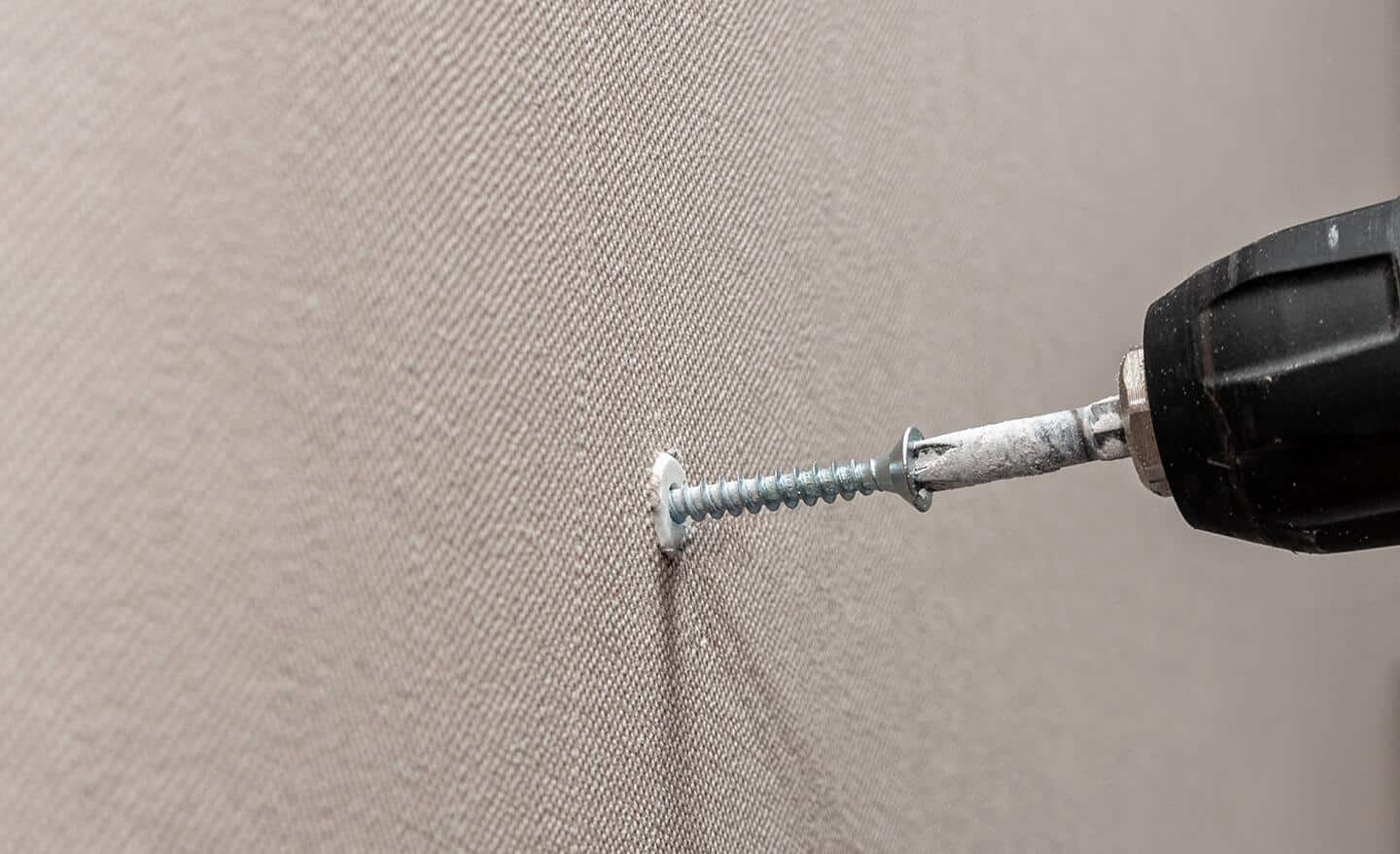
Use a drill with adjustable speed to control screw driving. Start slow to avoid stripping the screw head or anchor.
Keep the drill straight aligned with the anchor hole. Push gently but firmly to secure the screw fully.
Stop drilling once the screw is flush or slightly recessed. Over-tightening can crack the anchor or damage the wall.
Troubleshooting Common Issues
Troubles with wall anchors are common. Knowing how to fix these issues saves time and effort.
This section covers two main problems: loose anchors and over-drilled holes. Follow simple steps to solve them and keep your project strong.
Dealing With Loose Anchors
Loose anchors can cause your fixture to fall. Often, the hole is too big or the anchor is not tight enough.
Start by removing the loose anchor carefully. Use a slightly bigger anchor for the same hole size. This helps the anchor grip better.
If the hole is too large, fill it with a wooden toothpick or matchstick. Add some glue for extra hold. Let it dry, then insert the anchor again.
Check the anchor tightness by gently pulling. If it feels firm, you are ready to hang your item.
Fixing Over-drilled Holes
Over-drilled holes make anchors loose and weak. The hole size must match the anchor size for a strong fit.
To fix this, fill the hole with a strong filler like epoxy or wall putty. Let it dry completely before drilling again.
Drill a new hole slightly smaller than the anchor size. This ensures the anchor fits snugly and holds well.
If the wall is soft, consider using a larger anchor or a different type designed for weak walls.
:max_bytes(150000):strip_icc()/how-to-use-and-discard-anchor-screws-1822671_01_3222-d91010bb83f841aa8c626ff057e8f318.jpg)
Credit: www.thespruce.com
Safety Tips While Using A Drill
Using a drill can be simple and quick for fixing wall anchors. Safety is key to avoid injuries. Follow these tips to protect yourself and work safely with your drill.
Protective Gear Recommendations
Wear safety glasses to protect your eyes from dust and debris. Gloves help protect your hands from sharp edges and slipping. Use ear protection if the drill noise is loud. Wear closed-toe shoes to protect your feet from dropped tools or materials.
Handling Electrical Hazards
Check for wires inside the wall before drilling. Use a stud finder with wire detection if possible. Turn off power in the room to avoid shocks. Never drill near exposed electrical wires or outlets. Keep the drill dry and avoid using it in wet conditions.
Frequently Asked Questions
What Types Of Wall Anchors Work Best With A Drill?
Plastic expansion anchors and toggle bolts work best when using a drill. They provide strong support and are easy to install. Choose anchors based on wall material and weight requirements for optimal results.
How Do I Drill Holes For Wall Anchors Correctly?
Use a drill bit matching the anchor size. Drill straight into the wall at the marked spot. Avoid drilling too deep or wide to ensure a snug anchor fit.
Can I Use A Drill For All Wall Anchor Types?
No, some anchors like adhesive or self-drilling anchors may not require a drill. Always check the anchor instructions to determine if drilling is needed for installation.
How Deep Should I Drill For Wall Anchors?
Drill holes slightly deeper than the anchor length. This ensures the anchor fits fully and holds securely. Avoid shallow holes that can weaken the anchor’s grip.
Conclusion
Using wall anchors with a drill makes hanging items much easier. Always pick the right anchor for your wall type. Drill a clean hole first, then insert the anchor carefully. Tighten screws slowly to avoid damage. This simple process keeps your shelves and pictures secure.
Practice a few times to build confidence. Small steps lead to great results. You can now hang things safely without worry. Try it yourself and see how smooth the task becomes.