Getting your deadbolt lock lined up perfectly can save you from frustrating jams and keep your home secure. If your lock isn’t working smoothly, it’s often because the bolt and strike plate aren’t aligned just right.
But don’t worry—this guide will show you exactly how to line up a deadbolt lock quickly and easily. By following these simple steps, you’ll avoid common mistakes and make sure your lock works every time you turn the key. Keep reading, and you’ll have peace of mind knowing your door is locked tight and hassle-free.
Tools Needed
To line up a deadbolt lock properly, having the right tools is important. These tools help make the process smooth and accurate. Without the correct tools, the lock may not fit well or work correctly. Below is a list of tools that you will need and some optional accessories that can help make the job easier.
Essential Tools
- Screwdriver (flathead and Phillips) – to tighten and loosen screws.
- Measuring tape – to measure the door and lock placement accurately.
- Pencil – to mark the door where the lock will be installed.
- Chisel – to carve out space for the lock and strike plate.
- Hammer – to help with chiseling and fitting parts.
- Drill with drill bits – to create holes for screws and the lock cylinder.
- Level – to ensure the lock is straight and aligned properly.
Optional Accessories
- Wood filler – to fix any mistakes or holes in the door.
- Utility knife – to clean up edges and cut materials.
- Safety glasses – to protect your eyes during drilling and chiseling.
- Masking tape – to mark drilling points without damaging the door surface.
- Clamp – to hold parts steady while working.
Credit: www.homedepot.com
Prepare The Door
Preparing the door is the first step to line up a deadbolt lock correctly. This step helps the lock fit well and work smoothly. Taking time to prepare the door can prevent problems later on.
Check Door Alignment
Start by checking if the door fits well in the frame. The door should close evenly without gaps. Look for any parts that stick out or do not meet the frame properly. A misaligned door makes it hard to line up the deadbolt. Adjust the hinges or the frame if needed. The door must sit straight and close firmly.
Clear The Lock Area
Remove any dirt, paint, or old hardware near the lock area. Clean the surface so the deadbolt can attach tightly. Check the edges of the door and the frame for any damage. Fix cracks or splinters to ensure a smooth fit. A clean and clear area helps the lock work without sticking or jamming.
Mark The Strike Plate Position
Marking the strike plate position is a key step in lining up a deadbolt lock. It ensures the bolt fits perfectly into the door frame. This prevents any sticking or misalignment when locking the door. Taking time here saves future trouble and improves security.
Close The Door Gently
Close the door slowly to avoid jamming the bolt. This helps you see where the deadbolt hits the frame. A gentle close lets you find the exact point for the strike plate. It also protects the door and frame from damage.
Mark The Deadbolt Spot
Use a pencil to mark the spot where the bolt touches the frame. This mark shows where to place the strike plate. Make sure the mark is clear and easy to see. Accurate marking helps the deadbolt lock smoothly every time.
Adjust The Strike Plate
Adjusting the strike plate is a key step to ensure your deadbolt lock works smoothly. The strike plate is the metal piece on the door frame where the deadbolt slides into. If it is not aligned correctly, the lock may stick or not close fully. This section explains how to adjust the strike plate properly for a secure fit.
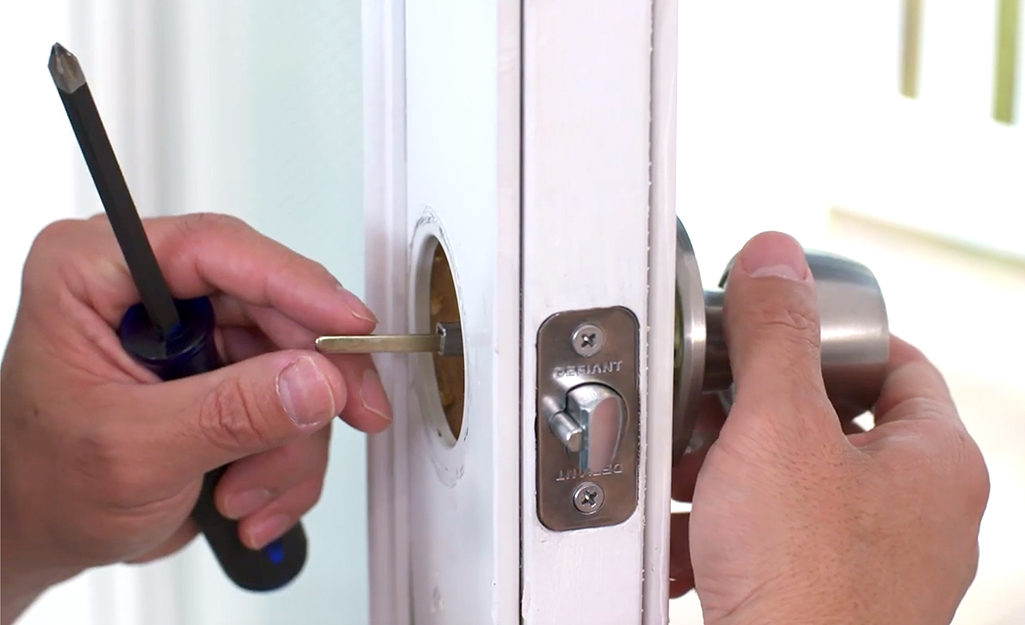
Loosen Screws
First, find the screws holding the strike plate. Use a screwdriver to loosen them slightly. Do not remove the screws completely. Loosening the screws lets you move the strike plate easily. This step prepares you to adjust the plate’s position.
Align With Deadbolt
Next, check the deadbolt’s position when extended. Move the strike plate so the deadbolt fits perfectly into the hole. Make small adjustments and test the lock by turning the key. The deadbolt should slide smoothly into the strike plate without resistance.
Secure The Plate
After alignment, tighten the screws firmly. Make sure the plate stays in the new position. Test the lock again to confirm it works well. A tightly secured strike plate keeps the deadbolt strong and reliable.
Test The Deadbolt
Testing the deadbolt is a vital step after installation. It ensures the lock works correctly and keeps your home secure. This step shows if the deadbolt aligns perfectly with the strike plate. Proper testing helps avoid future problems like jamming or difficulty locking the door.
Lock And Unlock Smoothly
Turn the key or thumb turn to lock the door. The deadbolt should slide in easily without force. Try unlocking the door the same way. Both actions must feel smooth and natural. If the deadbolt sticks or feels rough, alignment is off. Repeat the test several times to be sure.
Make Final Adjustments
If the deadbolt does not work smoothly, adjust the strike plate. Loosen screws slightly and move the plate up, down, or sideways. Tighten screws once the deadbolt slides easily. Test the lock again after each change. Small tweaks often fix most alignment issues. Keep adjusting until the deadbolt locks and unlocks without trouble.

Credit: www.youtube.com
Tips For Enhanced Security
Securing your deadbolt lock goes beyond just fitting the parts together. Small changes can make your door much stronger. These tips help protect your home from forced entry. Easy steps can boost your lock’s power and keep you safer.
Use Longer Screws
Replace short screws with longer ones for the strike plate and lock. Screws that reach the door frame’s wood hold the lock tighter. This makes it harder for intruders to break the door. Aim for screws at least 3 inches long. Use a drill to fit them firmly in place.
Consider Reinforced Plates
Reinforced plates add extra metal around the lock and strike plate. They spread force over a larger area during a break-in attempt. This reduces the chance of the door frame splitting. Look for plates made of strong steel. Install them with long screws for best results.

Credit: support.shopyalehome.com
Frequently Asked Questions
How Do You Align A Deadbolt Lock Properly?
To align a deadbolt, ensure the bolt slides smoothly into the strike plate. Adjust the strike plate or lock position if needed for perfect fit.
What Tools Are Needed To Line Up A Deadbolt Lock?
You typically need a screwdriver, measuring tape, pencil, and possibly a chisel for adjustments when lining up a deadbolt lock.
Why Is Deadbolt Alignment Important For Security?
Proper alignment ensures the deadbolt locks securely, preventing forced entry and enhancing your door’s overall security and durability.
How Can I Test If My Deadbolt Is Aligned Correctly?
Lock and unlock the deadbolt several times. It should move smoothly without resistance or sticking to confirm proper alignment.
Conclusion
Properly lining up a deadbolt lock keeps your home safe and secure. Take your time to measure and adjust the lock and strike plate. Small changes make a big difference in how smoothly the lock works. Test the lock several times before finishing the job.
This simple task can save you from frustration later. Remember, a well-aligned deadbolt helps protect your home every day. Keep tools handy and stay patient during the process. Your effort will pay off with a lock that fits perfectly.