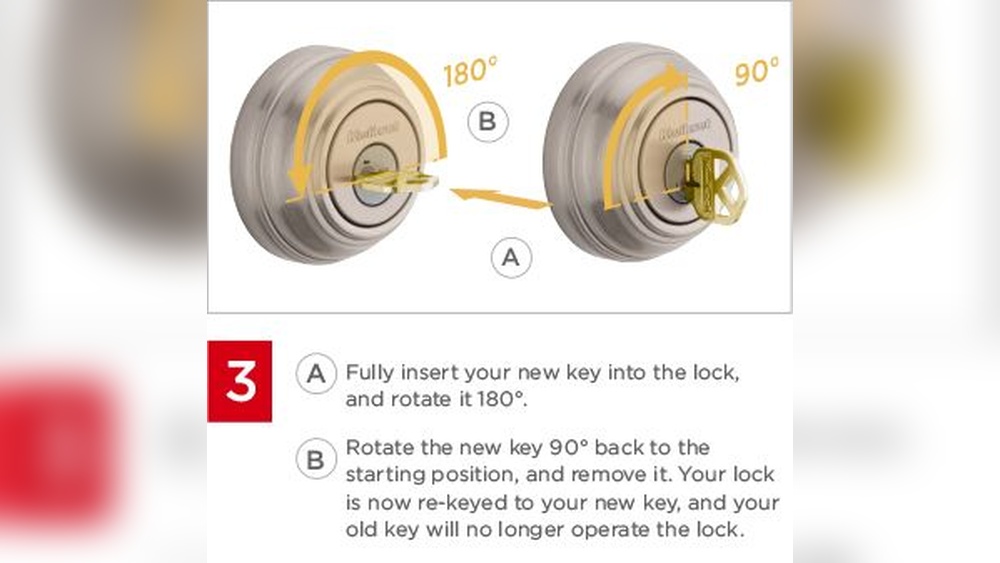
Have you ever faced the frustration of a stubborn deadbolt lock that just won’t budge? Whether you’re upgrading your security or fixing a jammed lock, knowing how to remove a deadbolt from your door can save you time, money, and stress.
In this guide, you’ll discover simple, step-by-step instructions anyone can follow—even if you’re not a DIY expert. By the end, you’ll feel confident handling your lock like a pro. Ready to unlock the secret? Let’s get started!
Tools Needed
Removing a deadbolt lock requires some basic tools. Having the right tools helps the job go smoothly. It also prevents damage to the door or lock. These tools are common and easy to find. You might already have most of them at home.
Screwdriver
A screwdriver is the main tool needed. Usually, a Phillips head screwdriver works best. It helps remove the screws holding the lock parts. Flathead screwdrivers may be useful for some locks too.
Allen Wrench
Some deadbolts use small screws that need an Allen wrench. This tool fits into hexagonal screw heads. It comes in different sizes, so choose the right one.
Drill
A drill speeds up screw removal. It is useful if screws are tight or stuck. Use a drill bit that matches the screw size. Be careful to avoid damaging the door.
Pliers
Pliers help grip and turn small parts. Use them to pull out broken screws or parts. Needle-nose pliers work well for tight spaces.
Utility Knife
A utility knife cuts around the lock faceplate. It loosens paint or sealant that holds the lock. This makes it easier to remove the lock cleanly.
Credit: www.reddit.com
Identify Lock Type
First, check the type of deadbolt on your door. Different locks need different tools and steps to remove. Knowing the lock type makes the process easier and faster.
Removing a deadbolt lock starts with knowing its type. Different locks need different tools and steps. Identifying the lock helps avoid damage and saves time.
Look closely at the lock on your door. Notice its shape, size, and how it works. This information guides you through the removal process smoothly.
Single Cylinder Deadbolt
This lock has a keyhole on the outside and a thumb turn inside. It is the most common deadbolt type. The thumb turn lets you lock or unlock the door from inside easily.
Check if your lock matches this design. If yes, you will need a screwdriver to remove screws from the inside plate.
Double Cylinder Deadbolt
This lock uses a key on both sides. It offers more security but can be harder to remove. Both sides have keyholes, so no thumb turn is present.
To remove it, you must unlock both sides first. Then unscrew the interior and exterior plates carefully.
Keyless Or Electronic Deadbolt
These locks use a keypad or fingerprint sensor instead of keys. They have batteries and wiring inside. Removing this type requires extra caution to avoid damage.
Locate the battery compartment and screws hidden behind the keypad. Disconnect power before unscrewing the lock.
Remove Interior Knob Or Thumb Turn
Start by locating the screws on the interior knob or thumb turn. Remove these screws carefully to detach the knob. This step allows access to the deadbolt mechanism inside the door.
Start by locating the interior knob or thumb turn on the door. This part controls the lock from inside the room. Removing it is the first step to take off the deadbolt lock.
Check the knob or thumb turn for a small screw. This screw holds the piece tightly to the door. Use a screwdriver to loosen and remove this screw carefully. Keep the screw safe for later use.
Once the screw is out, gently pull the knob or thumb turn away from the door. It should come off easily without force. If it feels stuck, wiggle it slightly while pulling.
Removing the interior knob or thumb turn exposes the inner parts of the lock. This access makes it easier to remove the entire deadbolt from the door.
Unscrew Interior Plate
Removing a deadbolt lock starts with unscrewing the interior plate. This plate covers the lock’s inner mechanism. Taking it off gives access to the lock’s screws and parts. It is the first step in removing the entire deadbolt from the door. Doing this carefully prevents damage to the door and lock.
Locate The Screws On The Interior Plate
Look closely at the interior plate. You will see two or more screws holding it in place. These screws are usually visible on the plate’s surface. Sometimes, the screws might be hidden under small covers. Use a flat tool to gently pop off any covers.
Choose The Right Screwdriver
Pick a screwdriver that fits the screws well. Most deadbolts use Phillips head screws. Using the wrong tool can strip the screw heads. A tight fit lets you turn the screws easily. This helps avoid damage and speeds up the removal.
Unscrew The Interior Plate Carefully
Turn the screws counterclockwise to loosen them. Keep steady pressure on the screwdriver. Remove all screws completely. Hold the plate with one hand while unscrewing. This stops it from falling and scratching the door. After all screws are out, gently pull the plate away from the door.
Detach Exterior Lock Cylinder
Detaching the exterior lock cylinder is an important step to remove a deadbolt. This part is the keyhole side on the outside of your door. Removing it carefully prevents damage to the door and lock parts.
Start by finding the screws that hold the cylinder in place. These screws are usually on the edge of the door. Removing them allows the cylinder to come out smoothly.
Locate The Cylinder Retaining Screws
Look at the edge of the door near the deadbolt. You will see small screws holding the lock cylinder. Use a screwdriver to remove these screws carefully.
Pull Out The Exterior Cylinder
After removing the screws, gently pull the lock cylinder from the door. Sometimes it may feel tight, so wiggle it slightly. Avoid using force to prevent damage.
Keep The Cylinder Safe
Place the removed cylinder on a clean surface. Keep all screws and parts together. This helps during reinstallation or replacement of the lock.
Credit: www.youtube.com
Take Out Deadbolt Mechanism
Removing the deadbolt mechanism is the main step in taking out a deadbolt lock. It involves getting the lock parts off the door so you can replace or fix them. The process needs care to avoid damage to the door or lock.
Tools such as a screwdriver are usually needed. Knowing the lock type helps to work faster and easier. Follow simple steps for a smooth removal.
Locate And Unscrew The Interior Thumbturn
Start by finding the screws on the inside part of the deadbolt. These hold the thumbturn and inside plate in place. Use a screwdriver to remove these screws carefully. Keep the screws safe for later use.
Remove The Interior Assembly
After unscrewing, gently pull the thumbturn and the inside plate off the door. This exposes the deadbolt mechanism inside the door edge. Be gentle to avoid bending or breaking parts.
Unscrew The Deadbolt Faceplate
Look at the edge of the door to find the faceplate. It covers the deadbolt latch. Use the screwdriver to remove the screws holding the faceplate. Then, take off the faceplate to free the latch.
Pull Out The Deadbolt Latch
With the faceplate removed, pull the latch straight out from the door edge. This part slides in and out to lock and unlock the door. Removing it clears the way to take out the whole lock.
Remove Strike Plate
The strike plate holds the deadbolt latch securely in the door frame. Removing it is a key step before taking out the deadbolt lock. This step ensures the door frame is free from any lock parts. It also makes room for new hardware if you plan to install one.
Removing the strike plate is simple but requires care. Follow the steps below to do it safely and quickly.
Gather Necessary Tools
Start by gathering a screwdriver that fits the strike plate screws. Usually, a Phillips head screwdriver works best. Have a flashlight ready to see the screws clearly. Keep a small container nearby to hold the screws safely.
Locate The Strike Plate
Open the door and find the strike plate on the door frame. It is a small metal plate with a hole where the deadbolt fits in. The plate is usually fastened with two screws.
Unscrew The Strike Plate
Use the screwdriver to turn the screws counterclockwise. Turn gently to avoid stripping the screw heads. Remove both screws completely and keep them in the container. Carefully pull the strike plate away from the door frame.
Check For Damage Or Debris
Inspect the door frame around the strike plate area. Clean any dust or debris from the frame. Check for any cracks or damage that might need repair before installing a new lock.
Tips For Stubborn Locks
Removing a deadbolt lock can be tricky, especially if the lock is old or stuck. Some locks resist turning or unscrewing. Patience and the right approach help a lot. The following tips make dealing with stubborn locks easier and safer.
Using proper tools and gentle force prevents damage to the door. Small steps lead to success in removing tough deadbolts.
Use Lubricant To Loosen The Lock
Spray a small amount of lubricant into the keyhole and around screws. Wait a few minutes to let it work. Lubricant reduces rust and grime, making parts move smoothly. Try turning the key or screws again after applying lubricant.
Apply Heat Carefully
Heat can expand metal parts stuck by rust. Use a hairdryer to warm the lock gently. Avoid using open flames to prevent damage or fire risk. Heat loosens rust and makes screws easier to remove. Test the lock after heating.
Tap Lightly With A Hammer
Use a small hammer or rubber mallet to tap the lock lightly. Tap near the screws or keyhole to shake loose rust or dirt. Do not hit hard to avoid breaking the lock or door. Gentle taps can free stuck components.
Check For Hidden Screws
Some deadbolts have screws hidden under covers or plates. Look carefully for small slots or caps that hide screws. Use a flathead screwdriver to pry covers off gently. Removing all screws is key to taking the lock off easily.
Use The Correct Screwdriver
Using the wrong screwdriver can strip screws and cause frustration. Match the screwdriver type and size to the screws on your lock. A proper fit lets you apply enough force without damage. This makes removing screws faster and safer.

Credit: www.youtube.com
Frequently Asked Questions
How Do You Remove A Deadbolt Lock From A Door?
To remove a deadbolt lock, first unscrew the interior screws holding the lock. Then, pull both lock sides away from the door. Finally, remove the latch mechanism from the door edge by unscrewing its screws.
What Tools Are Needed To Remove A Deadbolt Lock?
You typically need a Phillips screwdriver and a flathead screwdriver. Sometimes, an Allen wrench or drill may be required if screws are stripped or hidden.
Can You Remove A Deadbolt Without The Key?
Yes, you can remove a deadbolt without a key by unscrewing the interior lock assembly from inside the door. However, you must have access to the lock’s interior side.
How Long Does It Take To Remove A Deadbolt Lock?
Removing a deadbolt lock usually takes 10 to 15 minutes. Time depends on your experience and if any screws are difficult to remove.
Conclusion
Removing a deadbolt lock from a door is simple with the right steps. Start by gathering basic tools and following each step carefully. Take your time and avoid forcing parts to prevent damage. Once removed, you can replace or repair the lock easily.
This task saves money and keeps your home secure. Practice makes the process quicker and less stressful. Trying it yourself builds confidence for future repairs. Remember, safety and patience go hand in hand for best results.