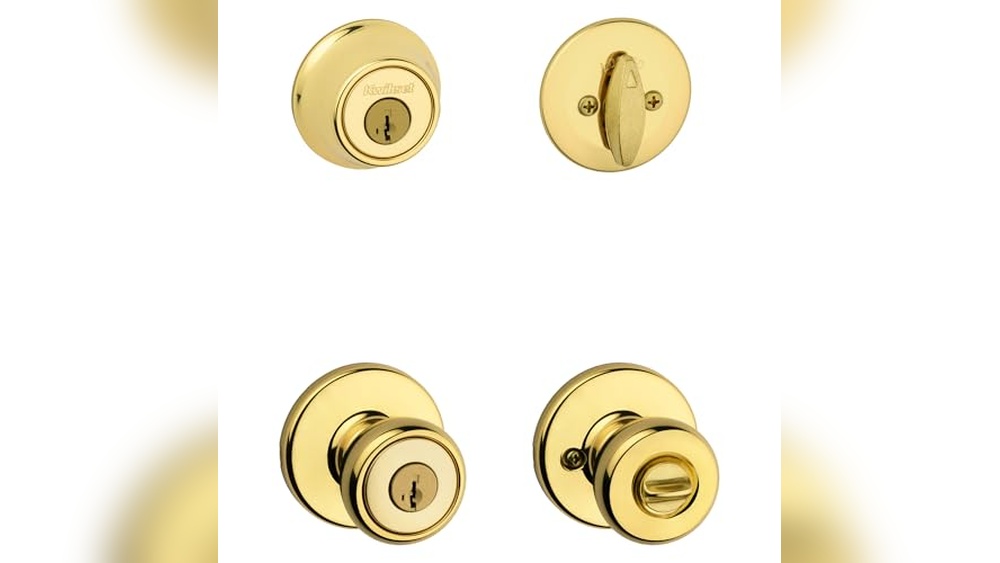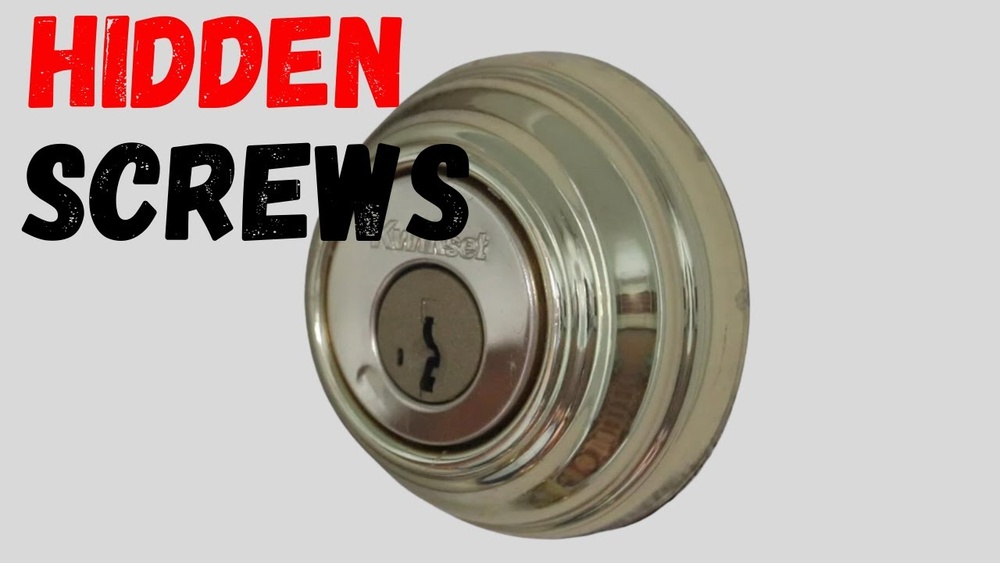
Have you ever faced the frustration of trying to remove a deadbolt lock, only to find there are no visible screws? It can feel like a puzzle with no solution, leaving you stuck and unsure of what to do next.
But don’t worry—removing a screwless deadbolt lock is easier than you think. In this guide, you’ll discover simple, step-by-step methods to get that lock off quickly and safely. Keep reading, and you’ll have your deadbolt removed before you know it.
Identify The Lock Type
Start by checking the deadbolt’s design to know its type. Some locks hide screws inside or use snap-in parts. Recognizing the lock type helps decide the best way to remove it safely.
Removing a deadbolt lock without visible screws starts with knowing the lock type. Different locks have different removal methods. Identifying the lock helps avoid damage and saves time.
Look closely at the lock’s exterior and interior parts. This gives clues about the design and mounting style. Some deadbolts hide screws under covers or inside the lock housing.
Examine The Exterior Plate
Check the front plate of the deadbolt on the door’s outside. Some locks have a smooth plate without screws. Others have small holes or slots that hide screws beneath.
Try to spot any removable covers or trims. These often snap off or lift gently. Removing these covers may reveal hidden screws or fasteners.
Inspect The Interior Turn Piece
Look at the thumb turn or knob on the inside. Some deadbolts use a twist-and-pull mechanism. Others have a set screw hidden under the turn piece.
Carefully remove the turn piece by twisting or pulling it. This can expose the internal screws holding the lock to the door. Use a flat tool if needed to pry it gently.
Check For Specialty Lock Designs
Some deadbolts have unique mounting styles. Examples include electronic locks or privacy locks with no visible screws. These may use clips, tabs, or hidden fasteners.
Search for small indentations or seams on the lock body. These marks may indicate where to press or pry. A gentle push or slide can sometimes release the lock.

Credit: diy.stackexchange.com
Gather Necessary Tools
Gathering the right tools makes removing a deadbolt lock easier. Without screws, the lock may seem tricky to take off. The right tools help you handle the parts safely and quickly.
Prepare all tools before starting. This saves time and avoids frustration. Each tool has a role in loosening or prying the lock components.
Flathead Screwdriver
A flathead screwdriver helps pry off covers or trim plates. It fits into small gaps between the lock and door. Use it gently to avoid scratching the door surface.
Allen Wrench
Some deadbolts use hidden set screws. An Allen wrench fits these screws. Check the lock for tiny holes that hide these screws. It allows you to loosen parts without visible screws.
Putty Knife
A putty knife slides under the lock plate to separate it from the door. It works well for locks without visible screws. Use it carefully to avoid damage.
Needle-nose Pliers
Needle-nose pliers grip small parts or pins inside the lock. They help pull out stuck pieces. Their thin tips reach tight spaces easily.
Lubricant Spray
Lubricant spray loosens stuck mechanisms inside the lock. It reduces friction and helps parts move smoothly. Spray lightly around the edges before removing the lock.
Remove The Door Handle Or Knob
Removing the door handle or knob is the first step in taking off a deadbolt lock without screws. This step gives you access to the lock’s inner parts. The handle or knob often hides release points that help remove the lock easily.
Understanding how to remove the handle or knob saves time and avoids damage. The process is simple with the right tools and knowledge. Focus on finding hidden release parts and using a small tool carefully.
Locate Hidden Release Mechanisms
Many door handles have hidden release buttons or holes. These are not visible at first glance. Look closely around the base of the knob or handle. Sometimes a small hole or slot appears on the side or under a cover plate.
Press or push these release points gently. This action frees the handle or knob from the door. Use a flashlight to see better if needed. Take your time to find the exact spot.
Use A Flathead Screwdriver Or Pin
A flathead screwdriver or a thin pin works well to press release buttons. Insert the tool into the hole or slot. Push it firmly but gently to unlock the handle or knob. Avoid forcing it to prevent damage.
After pressing the release, pull the handle or knob straight out. It should come off smoothly. If it resists, check for another release point or try pressing harder. Removing the handle reveals the deadbolt’s inner parts for the next step.

Credit: www.youtube.com
Detach The Interior Lock Cylinder
Detaching the interior lock cylinder is a key step in removing a deadbolt lock without screws. This part holds the key mechanism and connects the lock to the door. Removing it carefully prevents damage to the door and lock. The process requires patience and simple tools. Understanding how to access and remove the cylinder helps you continue with the lock removal.
Accessing The Lock Cylinder
Start by locating the small hole or slot on the interior side of the lock. This hole usually hides the cylinder retaining pin. Insert a thin tool like a paperclip or a small screwdriver into the hole. Push gently to release the pin holding the cylinder in place. You might need to wiggle the tool slightly to feel the pin move. Once the pin is free, the cylinder can slide out easily. Take care not to force the cylinder, as it can cause damage.
Twisting And Pulling Techniques
After releasing the retaining pin, hold the interior cylinder firmly. Twist it slowly while pulling outward. The cylinder may feel stuck at first. Keep twisting and pulling with steady pressure. If it does not move, try applying a little lubricant around the edges. This helps loosen any tight spots. Avoid using too much force to prevent breaking the lock. Once the cylinder comes free, set it aside carefully for reinstallation or replacement.
Extract The Deadbolt Mechanism
Extracting the deadbolt mechanism is the key step in removing a screwless deadbolt lock. This part holds the bolt and allows it to slide in and out. Removing it carefully helps you take out the entire lock without causing damage. You need to work slowly and pay attention to how the parts fit together.
Slide Out The Bolt
Start by pushing the bolt fully into the door. This makes it easier to access the mechanism. Look for a small gap or slot near the bolt. Use a flat tool like a screwdriver to gently pry the bolt out. Slide it straight out along the door’s edge. Avoid forcing it to prevent bending or breaking the parts.
Dealing With Stuck Components
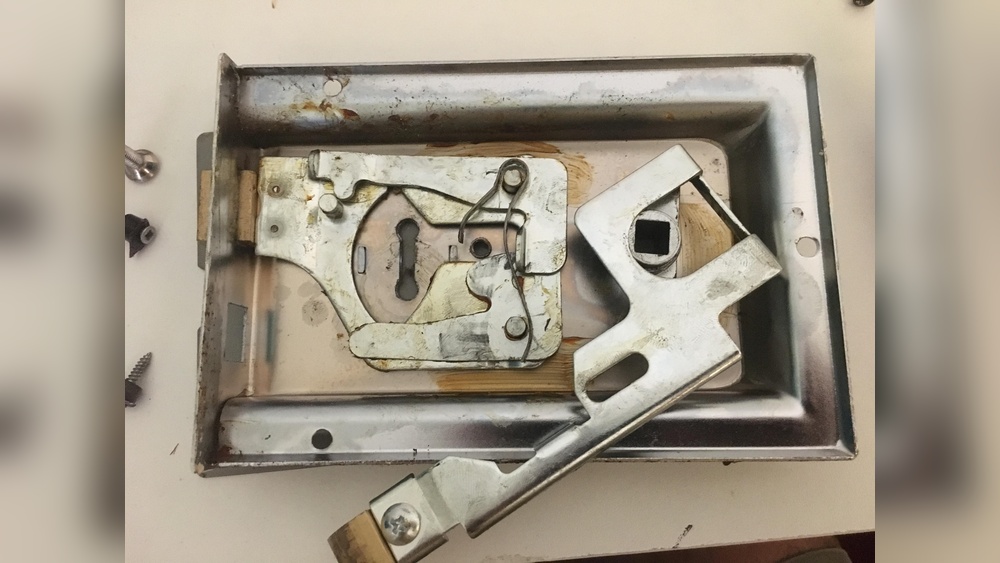
Sometimes, the bolt or mechanism gets stuck inside the door. Spray a little lubricant into the gap. Wait a few minutes to let it work. Tap gently with a rubber mallet to loosen parts. Use a flat tool to wiggle the mechanism free. Patience is important here. Forcing the parts may cause damage.

Credit: diy.stackexchange.com
Alternative Removal Methods
Removing a deadbolt lock without visible screws can be tricky. Many locks hide their fasteners for better security. This makes traditional removal methods useless. Alternative methods help you take out the lock without damage. These techniques need patience and the right tools.
Using A Lock Pick Set
A lock pick set lets you manipulate the lock’s pins. It requires skill and steady hands. Insert the tension wrench into the keyway and apply slight pressure. Then, use the pick to lift each pin to the correct height. When all pins are set, the lock cylinder will turn.
This method avoids damaging the lock or door. Practicing on spare locks improves your skill. Take your time and stay calm during the process. Lock picking can be satisfying and effective.
Drilling The Lock As A Last Resort
Drilling should be the final option. It destroys the lock cylinder but removes the deadbolt quickly. Use a power drill with a metal drill bit. Start drilling at the center of the keyhole. Drill slowly to avoid damaging the door frame.
Wear safety glasses to protect your eyes from metal shards. After drilling, use pliers to pull out the broken pieces. Replace the lock immediately to keep your home secure. Drilling is loud and permanent but sometimes necessary.
Tips To Avoid Damage
Removing a deadbolt lock without screws can be tricky. You must be careful to avoid damage to your door and lock parts. Taking some simple precautions helps keep everything safe and intact. Small steps make a big difference.
Follow these tips to protect your door and handle parts carefully during removal.
Protecting The Door Surface
Cover the door area near the lock with painter’s tape. This stops scratches and dents from tools. Use a soft cloth or cardboard under your tools for extra protection. Avoid using sharp tools directly on the door surface. Work slowly and gently to keep the door looking good.
Handling Lock Parts Carefully
Keep all lock parts organized as you remove them. Place screws, plates, and small pieces in a container. Avoid dropping or forcing parts out, which may bend or break them. Use the right tools for the task. Take your time to avoid damage and make reassembly easier.
When To Call A Locksmith
Removing a deadbolt lock without visible screws can be tricky. Sometimes, the lock hides its fasteners or uses a special mechanism. Trying to force it open may cause damage. Knowing when to call a locksmith saves time and avoids costly repairs.
Signs You Need Professional Help
The lock does not budge with gentle effort. Tools do not fit well around the lock. You cannot find any way to remove the faceplate. The lock feels stuck or jammed beyond simple fixes. These signs suggest calling a locksmith.
Risks Of Diy Removal Without Screws
Forcing the lock can break the door or lock parts. You might damage the door frame or surrounding wood. Broken locks may cause security issues later. Poor removal can lead to extra repair costs.
Benefits Of Hiring A Locksmith
Locksmiths have the right tools and skills for hidden locks. They remove deadbolts without damaging doors or hardware. Professionals can replace or rekey locks quickly. Calling a locksmith ensures your home stays secure.
Frequently Asked Questions
How Do You Remove A Deadbolt Without Visible Screws?
To remove a deadbolt without visible screws, locate the hidden release mechanism. Usually, it involves pressing a small pin or sliding a cover to access mounting screws. Use a flathead screwdriver to gently pry open any covers and then unscrew the lock components carefully.
Can A Deadbolt Be Removed Without Special Tools?
Yes, you can remove a deadbolt without special tools. Common household items like a flathead screwdriver, a paperclip, or an Allen wrench often work. These help release hidden catches or remove covers, allowing you to access the screws and remove the lock easily.
Why Does My Deadbolt Have No External Screws?
Some deadbolts have no external screws to improve security and aesthetics. Manufacturers hide screws under covers or inside the lock mechanism to prevent tampering. This design requires finding and releasing hidden components to remove the lock safely.
What Is The First Step To Remove A Screwless Deadbolt?
The first step is to identify and remove any decorative covers. Use a flathead screwdriver to gently pry off the cover plate. This reveals the hidden screws or release pins that hold the deadbolt in place, allowing you to proceed with removal.
Conclusion
Removing a deadbolt without screws can seem tricky at first. Step-by-step, it becomes clear and doable. Use the right tools and stay patient during the process. Avoid forcing the lock to prevent damage. This simple approach helps keep your door safe and functional.
Now, you can handle similar locks with confidence. Practice makes the task easier every time. Remember, careful work leads to the best results.