Are you tired of nails that won’t hold or screws that just spin in place? Knowing how to use a wall anchor can change everything when it comes to hanging items securely.
Whether you want to hang a heavy mirror, a shelf, or even a TV, the right wall anchor can make sure your walls stay safe and your belongings don’t fall. In this guide, you’ll discover simple, step-by-step tips that anyone can follow.
By the end, you’ll feel confident tackling your next project without worry. Ready to get started and make your walls work for you? Keep reading!
Types Of Wall Anchors
Wall anchors help secure objects to walls safely. They provide extra grip in drywall, plaster, or masonry. Choosing the right anchor depends on the wall type and weight of the item. Different anchors work better for different tasks.
Plastic Expansion Anchors
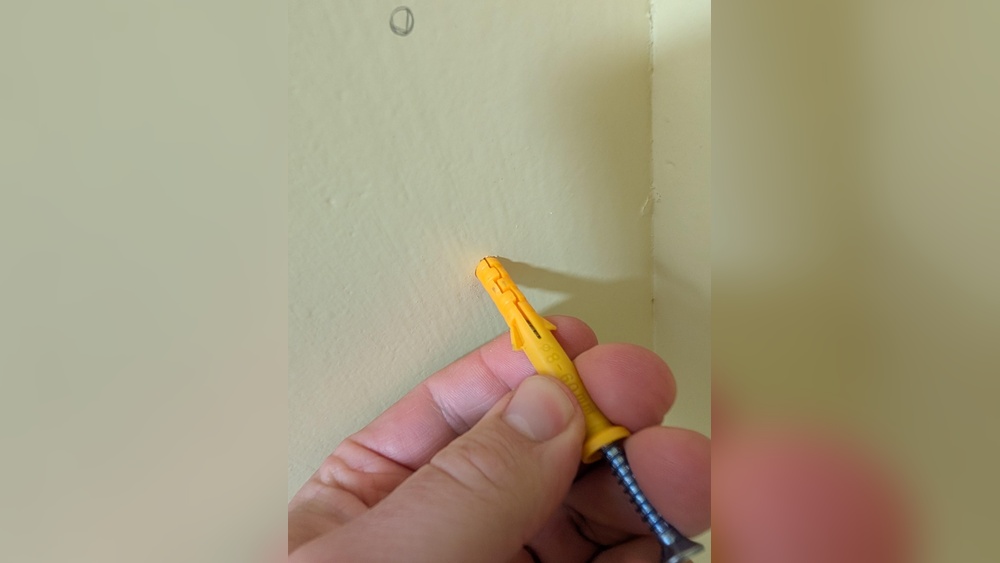
Plastic expansion anchors are common and easy to use. Drill a hole, push the anchor in, then insert a screw. The anchor expands inside the wall, holding tight. Best for light to medium loads in drywall or plaster.
Molly Bolts
Molly bolts are metal anchors with expandable sleeves. Insert into a drilled hole, then tighten the screw. The sleeve spreads behind the wall for strong support. Ideal for medium loads and hollow walls.
Toggle Bolts
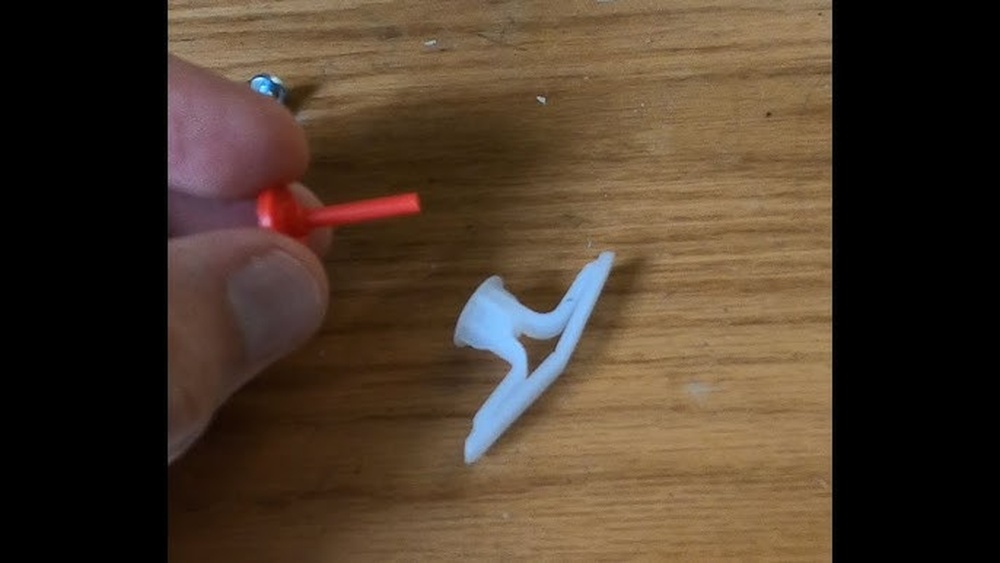
Toggle bolts have spring-loaded wings that open behind the wall. Push the folded wings through a hole, then tighten the screw. The wings brace against the wall’s back for heavy loads. Great for hanging shelves or large frames on drywall.
Self-drilling Anchors
Self-drilling anchors don’t need a pre-drilled hole. Twist them directly into drywall using a screwdriver. Then insert the screw for a secure hold. They work well for light to medium loads and save time.

Credit: www.amazon.com
Choosing The Right Anchor
Choosing the right wall anchor is important for a secure hold. The correct anchor keeps your items safe and prevents damage. It depends on the wall type, weight, and anchor size. This guide helps you pick the best anchor for your needs.
Assessing Wall Material
Start by checking what your wall is made of. Drywall, concrete, brick, or plaster all need different anchors. Drywall needs plastic or metal anchors. Concrete or brick requires heavy-duty anchors like sleeve or wedge types. Knowing the wall material ensures the anchor will hold well.
Weight Capacity Considerations
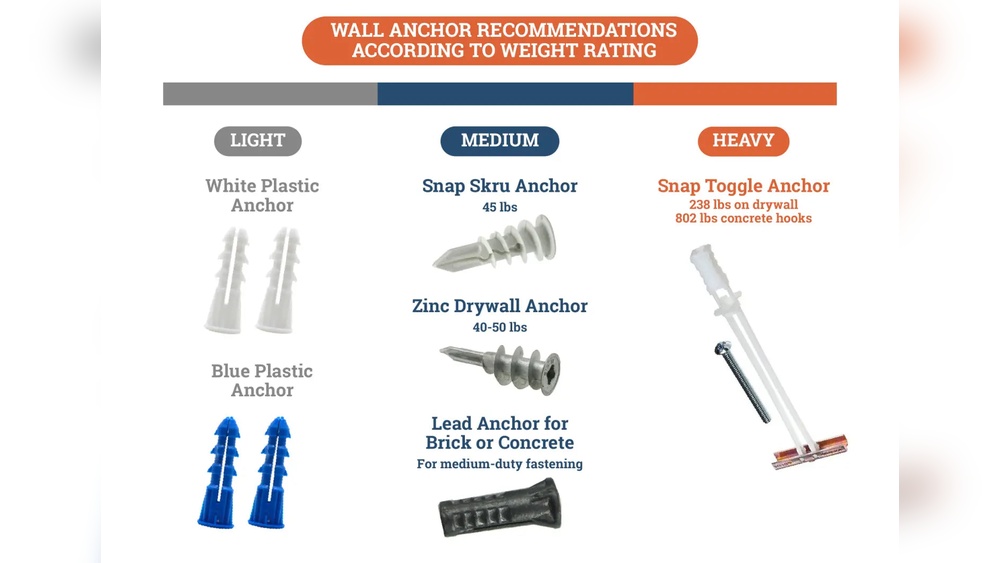
Think about how much weight the anchor must support. Light items need small anchors. Heavy objects like shelves or TVs need strong, heavy-duty anchors. Always choose an anchor with a weight rating higher than your item’s weight. This keeps things safe and secure.
Anchor Size And Length
Pick an anchor size that fits the screw and wall thickness. Too short anchors may not hold well. Too long anchors can damage the wall or not fit properly. Match the anchor length to the wall depth for the best grip. The right size helps the anchor work as it should.
Tools You’ll Need
Installing wall anchors needs the right tools for a strong hold. Using proper tools makes the job easier and safer. Prepare your workspace and gather these essential tools before starting.
Drill And Drill Bits
A drill is key for making holes in walls. Choose drill bits that match the size of your wall anchors. Using the correct drill bit size ensures a tight fit for the anchor. Avoid using bits that are too large or small.
Screwdrivers
Screwdrivers help insert screws into the anchors. Pick the right type: Phillips or flathead. The screwdriver should fit the screw head well. This prevents slipping and damage to the screw or wall.
Measuring Tools
Measure spots carefully before drilling. Use a tape measure or ruler for accuracy. Mark the exact place to avoid mistakes. Proper measurement keeps your project neat and level.
Level
A level ensures your anchors and items hang straight. Place it on the wall to check alignment. This tool avoids crooked installations. A level helps achieve a professional look easily.

Credit: www.wikihow.com
Preparing The Wall
Preparing the wall is the first step to install a wall anchor safely and securely. It ensures the anchor will hold well and support the weight you plan to hang. Taking time to prepare the wall helps avoid damage and gives a neat result.
Locating Studs And Marking Spots
Start by finding the wall studs with a stud finder or tapping the wall. Studs give the strongest support for heavy items. Mark the spots lightly with a pencil where you want to place the anchors. Avoid placing anchors too close to edges or corners.
Drilling Pilot Holes
Use a drill bit smaller than the anchor size. Drill pilot holes on the marked spots slowly and straight. This step makes inserting the anchor easier and prevents the wall from cracking. Keep the hole depth the same as the anchor length.
Cleaning The Area
Clear dust and debris from the drilled holes and surrounding wall area. Use a small brush or a vacuum cleaner for this. Clean surfaces help the anchor stick firmly and improve hold strength. Make sure the area is dry before inserting anchors.
Installing Wall Anchors
Installing wall anchors is key to hanging items securely on walls. Different anchors fit different wall types and weight needs. Knowing how to install each type helps hold shelves, pictures, and mirrors safely. Follow these steps to use common wall anchors properly.
Inserting Plastic Expansion Anchors
Choose a drill bit matching the anchor size. Drill a hole in the wall at the mark. Push the plastic anchor into the hole until flush with the wall. Tap gently with a hammer if needed. Insert the screw into the anchor and tighten slowly. The anchor expands inside the wall, holding the screw firmly.
Setting Molly Bolts
Drill a hole slightly smaller than the molly bolt. Insert the bolt into the hole. Use a screwdriver to turn the screw slowly. The metal sleeve expands behind the wall, gripping tightly. Remove the screw to hang your item or leave it in place. Molly bolts work well in drywall and plaster.
Using Toggle Bolts
Drill a hole large enough for the folded toggle. Thread the screw through your item’s mounting hole. Screw the toggle onto the screw with wings folded. Push the toggle through the hole until it opens inside the wall. Pull gently on the screw to set the toggle tight. Tighten the screw to secure your item firmly.
Placing Self-drilling Anchors
Mark the spot and position the anchor tip on the wall. Use a screwdriver or drill to screw the anchor into drywall. The anchor cuts its own hole as it goes in. Stop when the flange sits flush with the wall. Insert the screw into the anchor and tighten carefully. These anchors hold well and are easy to install.
Mounting Your Item
Mounting your item securely on the wall is important for safety and durability. This part explains how to place your object on the wall anchors correctly. Following the right steps will keep your item stable and prevent damage to your walls.
Aligning With Anchors
First, hold your item close to the wall. Match the holes on your item with the wall anchors you installed. Check that the anchors line up exactly with the mounting points. Misalignment can cause instability or damage.
Securing Screws
Next, insert the screws through your item’s holes. Turn the screws into the anchors slowly. Use a screwdriver or drill to tighten them firmly. Avoid over-tightening to prevent stripping the anchors or breaking the wall.
Checking Stability
After securing the screws, gently shake your item. It should feel solid and not move. If it wobbles, tighten the screws a little more. Ensure your item stays fixed before leaving it unattended.
Common Mistakes To Avoid
Using wall anchors seems simple, but many people make common mistakes. These errors can cause anchors to fail or walls to get damaged. Avoiding these mistakes saves time and keeps your walls safe.
Overloading Anchors
Anchors have weight limits. Putting too much weight on them causes slipping or breaking. Always check the anchor’s weight capacity. Use multiple anchors for heavy items. Do not guess the weight load.
Incorrect Drill Bit Size
Drill bits must match anchor size. Too big holes make anchors loose. Too small holes make inserting hard. Measure the anchor and pick the right drill bit. Clean the hole before placing the anchor.
Skipping Stud Location
Studs give strong support. Anchors alone may not hold heavy things. Use a stud finder to locate studs. Attach heavy items directly into studs if possible. This avoids anchor failure and wall damage.
Tips For Heavy Objects
Heavy objects need strong support to stay safe on walls. Using the right wall anchors helps keep heavy items secure. This section shares easy tips to hold heavy items firmly and avoid damage.
Using Multiple Anchors
Spread the weight across several anchors. Using more than one anchor reduces pressure on each point. This stops the wall from cracking or breaking. Space anchors evenly for better balance. It makes the mounting stronger and safer.
Choosing Heavy-duty Anchors
Pick anchors made for heavy loads. Look for metal anchors or toggle bolts. These types hold more weight than plastic ones. Check the weight limit on the package. Choose anchors that hold more than your object’s weight.
Reinforcing Mounting Points
Strengthen the wall area before anchoring. Use wooden backing or metal plates behind the wall. This helps spread the load over a bigger area. It makes the wall less likely to fail under pressure. Secure the backing tightly before adding anchors.
:max_bytes(150000):strip_icc()/how-to-use-and-discard-anchor-screws-1822671-Final-ec8091ccf65241b1b1f888549f25003a.jpg)
Credit: www.thespruce.com
Frequently Asked Questions
What Is A Wall Anchor Used For?
A wall anchor secures screws in drywall, plaster, or hollow walls. It prevents screws from pulling out and adds stability for hanging objects like shelves or pictures.
How Do You Install A Wall Anchor Correctly?
First, drill a hole matching the anchor size. Insert the anchor flush with the wall surface. Then, screw into the anchor firmly without over-tightening.
Which Wall Anchor Types Are Best For Drywall?
Plastic expansion anchors suit light loads. Metal molly bolts handle medium loads. Toggle bolts work best for heavy objects on drywall.
Can Wall Anchors Damage My Walls?
Improper use can cause holes or cracks. Using the right anchor size and installation method minimizes damage and keeps walls secure.
Conclusion
Wall anchors help secure items safely to walls. Choosing the right type matters a lot. Always check wall material before starting your project. Drill carefully and insert anchors firmly for best results. Proper use prevents damage and keeps things steady.
Now, you can hang shelves, pictures, or mirrors with confidence. Simple steps make your work easier and safer. Try these tips on your next wall project. You’ll see the difference in strength and stability.