If you’ve ever struggled with lowering a hydraulic floor jack smoothly and safely, you’re not alone. Knowing exactly how to lower your jack can save you from accidents and protect your vehicle from damage.
In this guide, you’ll discover simple steps that make the process easy and stress-free. Whether you’re a beginner or just need a quick refresher, mastering this skill will give you confidence every time you work under your car. Keep reading to learn how to lower your hydraulic floor jack like a pro.
Choosing The Right Jack
Choosing the right hydraulic floor jack is important for safe and easy vehicle lifting. The right jack fits your needs and makes lowering the jack smooth and controlled. Consider the type, weight capacity, and safety features before buying. These factors help you find a reliable jack that works well for your tasks.
Types Of Hydraulic Floor Jacks
There are several types of hydraulic floor jacks. The most common are trolley jacks, bottle jacks, and scissor jacks. Trolley jacks have wheels and a long handle for easy movement. Bottle jacks are compact and strong but less stable on soft ground. Scissor jacks are lightweight and simple but need manual effort. Choose the type that suits your vehicle and work area.
Weight Capacity Considerations
Every jack has a weight limit. This limit is the maximum load the jack can lift safely. Choose a jack with a capacity higher than your vehicle’s weight. This ensures the jack can support the vehicle without risk. Using a jack with too low capacity is dangerous and can cause accidents.
Safety Features To Look For
Safety features improve your protection while using a floor jack. Look for a jack with a built-in safety valve. This valve prevents the jack from lifting too high or overloading. A wide base adds stability, reducing the chance of tipping over. Non-slip handles help you control the jack better. These features make lowering the jack safer and easier.
Preparing For Lowering
Before lowering a hydraulic floor jack, preparation is key. Proper steps ensure safety and smooth operation. Preparing helps avoid accidents and damage. Follow simple checks and positioning tips to lower the jack correctly.
Positioning The Jack Properly
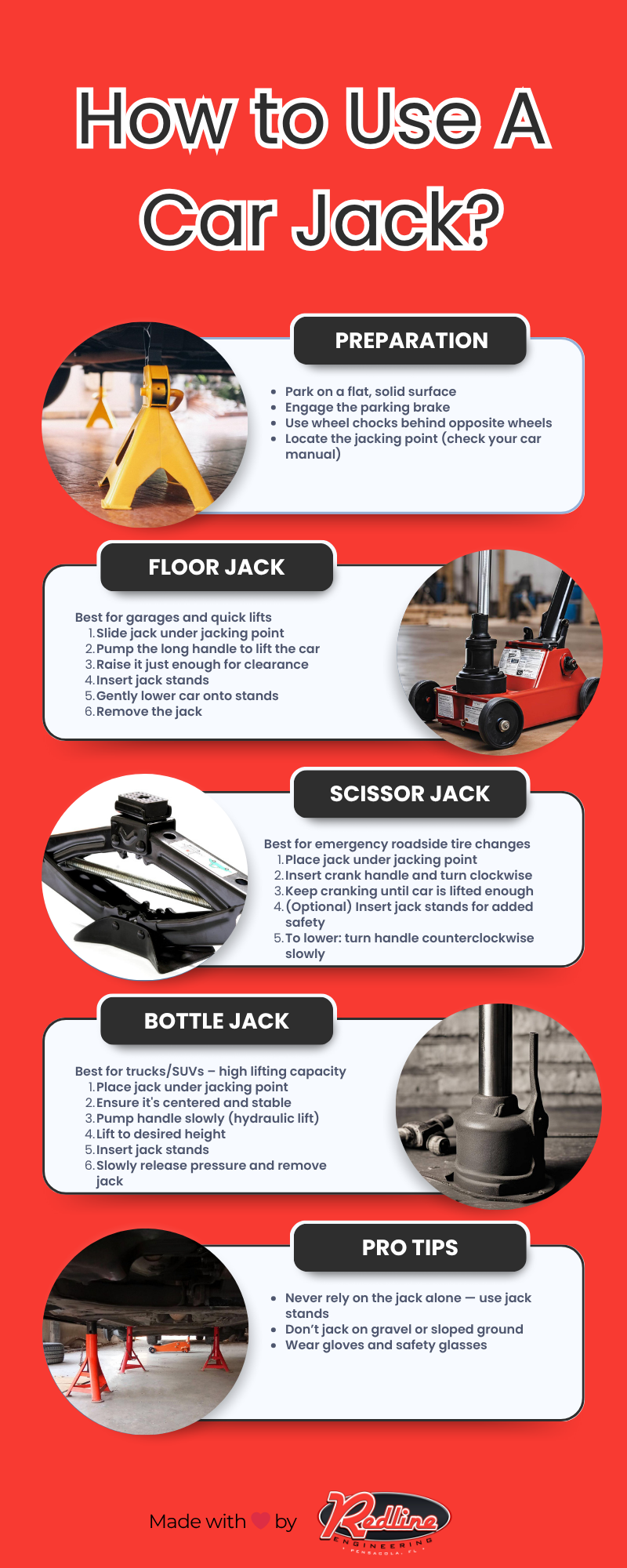
Place the jack on a flat, solid surface. This keeps it steady during lowering. Align the jack under the vehicle’s lifting point. Correct placement prevents slipping or tilting. Check that the jack handle has enough space to move freely.
Securing The Vehicle
Use wheel chocks to block the wheels opposite the lifted side. This stops the vehicle from rolling. Engage the parking brake firmly. Never rely only on the jack to hold the vehicle. Always support the vehicle with jack stands before lowering.
Checking The Jack’s Condition
Inspect the jack for leaks or damage. Look for cracks or worn parts. Test the release valve to ensure smooth operation. Confirm the jack holds pressure without dropping. A well-maintained jack lowers safely and steadily.
Lowering The Jack Safely
Lowering a hydraulic floor jack safely is very important. It keeps you and your vehicle secure. This process requires care and attention. Follow simple steps to avoid accidents or damage.
Locating The Release Valve
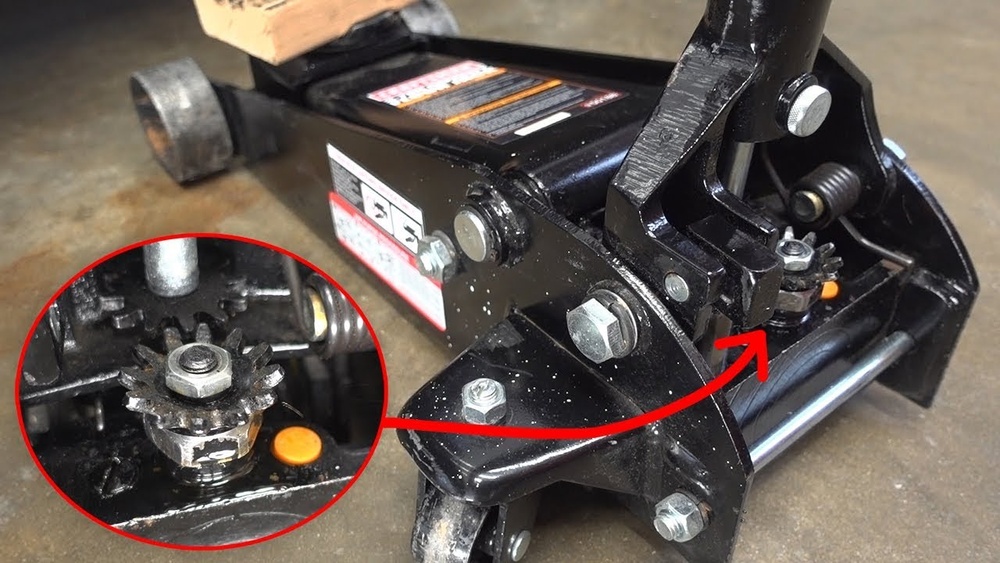
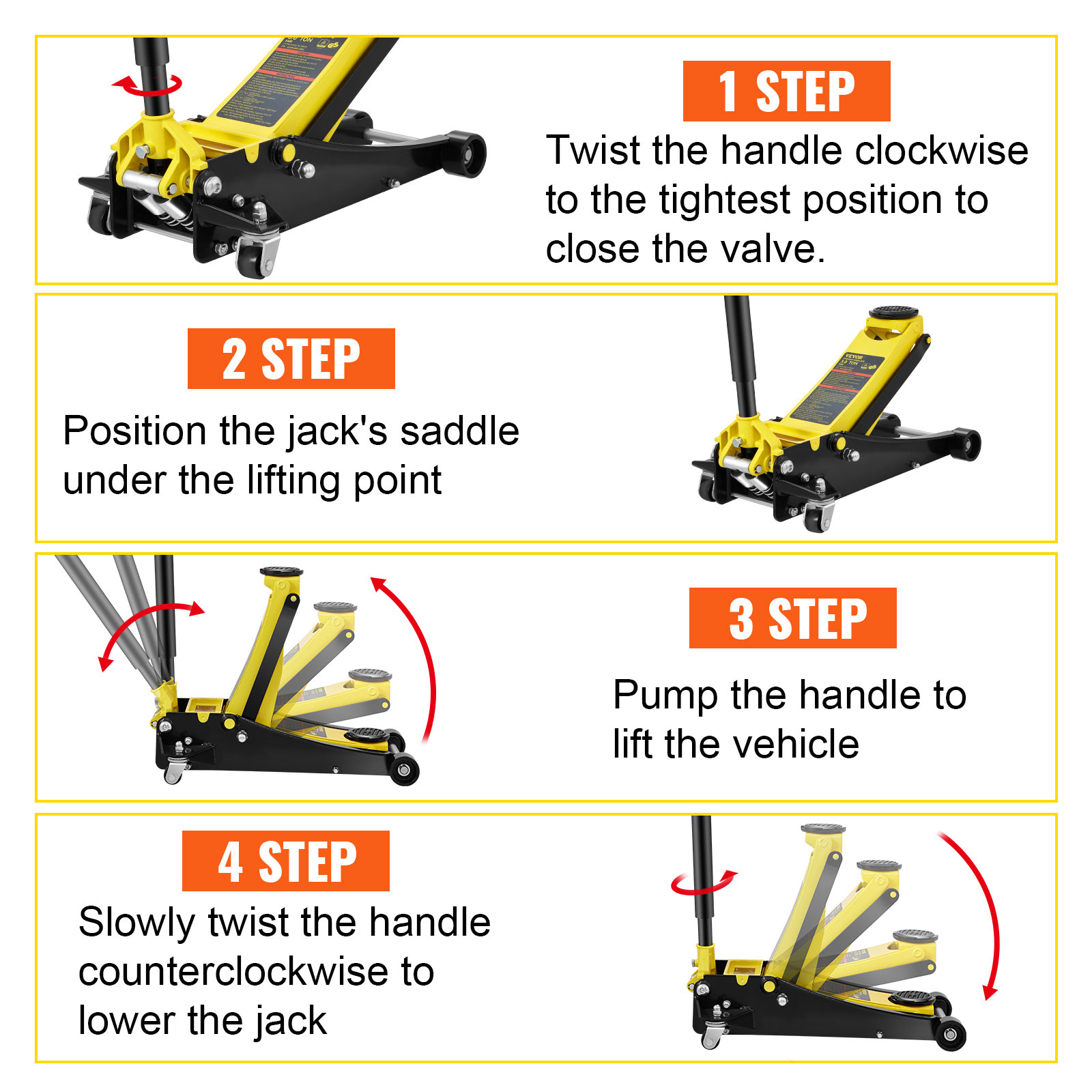
Find the release valve on the jack first. It is usually near the handle or base. The valve controls the flow of hydraulic fluid. Turning it opens or closes the jack’s pressure. Knowing its exact spot helps you lower the jack easily.
Controlling The Release Speed
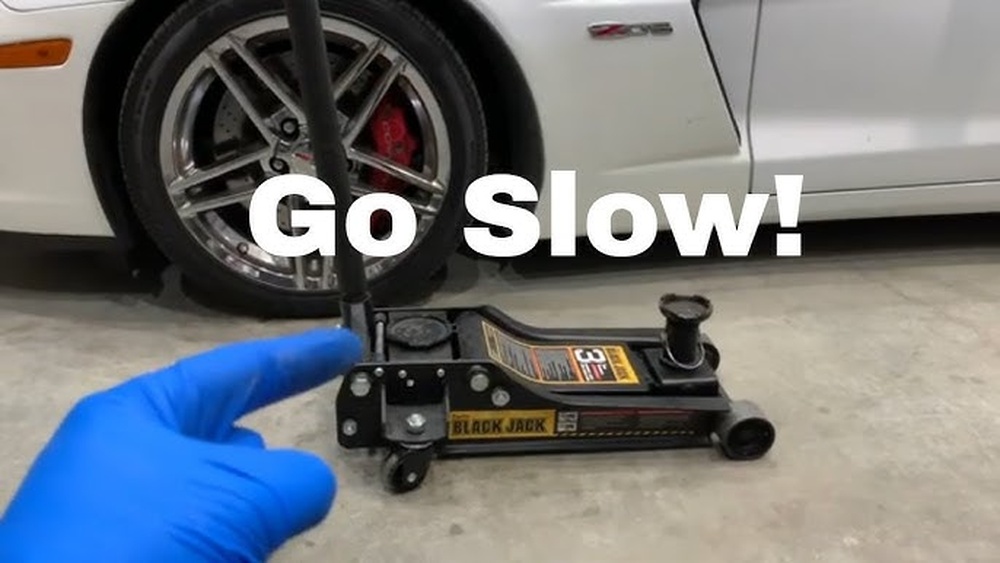
Turn the release valve slowly and carefully. A slow turn lets the jack lower smoothly. Quick turns cause fast drops, which can be dangerous. Controlling speed helps prevent sudden movements. It keeps the vehicle steady on the ground.
Avoiding Sudden Drops
Never open the valve quickly or all at once. Sudden drops can hurt you or damage the vehicle. Make sure the area is clear before lowering. Use both hands to control the valve. Always watch the vehicle as it comes down.
Credit: www.ebay.com
Post-lowering Steps
Lowering a hydraulic floor jack is only part of the process. After the vehicle is safely on the ground, there are important steps to follow. These steps ensure the jack stays in good shape and ready for the next use. Proper care also keeps your workspace safe and organized.
Removing The Jack
Slowly slide the jack out from under the vehicle. Make sure the jack handle is in the lowest position. This prevents any sudden movement. Keep your hands clear of pinch points. Move the jack to a flat, stable surface away from the vehicle. This prevents accidents and damage.
Inspecting For Damage
Check the jack for any signs of wear or damage. Look for cracks in the frame or leaks in the hydraulic system. Test the handle and release valve to ensure they work smoothly. Catching problems early prevents bigger issues later. Replace worn parts before the next use.
Storing The Jack Correctly
Store the jack in a dry, clean place. Keep it away from dirt, moisture, and extreme temperatures. Lower the jack fully before storing to reduce pressure on the hydraulic system. Cover the jack if possible to protect it from dust. Proper storage extends the life of your jack.
Common Mistakes To Avoid
Lowering a hydraulic floor jack might seem easy. But many people make simple mistakes that cause damage or injury. Avoid these common errors to keep safe and protect your tools. Learn what to watch out for and how to lower your jack properly.
Overloading The Jack
Using the jack for more weight than it can hold is dangerous. The jack can fail or collapse suddenly. Always check the maximum weight limit on your jack before use. Never try to lift or lower loads that exceed this limit. Overloading risks serious damage and injury.
Ignoring Safety Precautions
Skipping safety steps leads to accidents. Always use wheel chocks to stop the vehicle from moving. Wear gloves and safety glasses to protect your hands and eyes. Ensure the jack is on a flat, solid surface. Never work under a vehicle supported only by the jack. Use jack stands for extra safety.
Rushing The Lowering Process
Lowering the jack too fast can cause the load to drop suddenly. This may damage the vehicle or cause injury. Turn the release valve slowly and steadily. Control the speed to keep the load stable. Patience prevents accidents and protects your tools.

Credit: www.youtube.com
Maintenance Tips
Proper maintenance keeps your hydraulic floor jack working smoothly and safely. Regular care helps avoid problems when lowering the jack. Simple steps can extend its life and improve performance.
Regular Lubrication
Lubricate all moving parts often. Use light machine oil or grease. Focus on the pivot points and wheels. This reduces friction and prevents rust. Smooth movement makes lowering the jack easier and safer.
Checking Hydraulic Fluid
Check the fluid level regularly. Low fluid can cause slow or jerky lowering. Use the recommended hydraulic oil for your jack. Refill carefully to avoid spills. Clean fluid ensures strong hydraulic pressure.
Routine Inspections
Inspect the jack before each use. Look for leaks, cracks, or worn parts. Test the release valve for smooth operation. Replace damaged components immediately. A well-inspected jack lowers without sudden drops or failures.
Credit: www.redlinestands.com
Frequently Asked Questions
How Do I Safely Lower A Hydraulic Floor Jack?
To safely lower a hydraulic floor jack, slowly turn the release valve counterclockwise. This controls the descent speed. Always keep clear of the load to avoid injury. Lower it gradually until it touches the ground fully. Never release the valve quickly.
What Causes A Hydraulic Jack To Lower Slowly?
A hydraulic jack may lower slowly due to air trapped in the system, low hydraulic fluid, or a faulty release valve. Check fluid levels and bleed air if necessary. Inspect the release valve for proper function. Regular maintenance prevents this issue.
Can I Lower A Hydraulic Jack Without A Handle?
Yes, you can lower a hydraulic jack without a handle by using a wrench or screwdriver. Insert it into the release valve and turn it slowly counterclockwise. Always lower the jack carefully to avoid sudden drops or damage.
Why Won’t My Hydraulic Floor Jack Lower?
If your hydraulic jack won’t lower, the release valve might be stuck or damaged. Check for debris blocking the valve. Also, inspect hydraulic fluid levels. Lack of fluid or valve issues usually cause this problem.
Conclusion
Lowering a hydraulic floor jack safely takes patience and care. Turn the release valve slowly to control the descent. Keep your hands and feet clear to avoid injury. Always check the jack’s condition before use. Following these steps helps protect you and your vehicle.
Practice makes the process easier and safer over time. Stay calm and focused for best results. This simple guide ensures you lower your jack with confidence.