Have you ever tried to remove a wall anchor, only to find it stuck fast, leaving you frustrated and unsure what to do next? You’re not alone.
Stuck wall anchors can be a real headache, damaging your walls and wasting your time. But don’t worry—removing them doesn’t have to be a struggle. You’ll discover simple, effective methods to get that stubborn anchor out smoothly, saving your wall and your sanity.
Keep reading, and you’ll learn exactly how to tackle this common problem with confidence.
Types Of Wall Anchors
Wall anchors hold objects on walls securely. Different types suit various wall materials and weights. Knowing the types helps remove stuck anchors safely and easily.
Each anchor works differently. Some expand inside the wall, while others use wings or screws. Understanding their design makes removal simpler.
Plastic Expansion Anchors
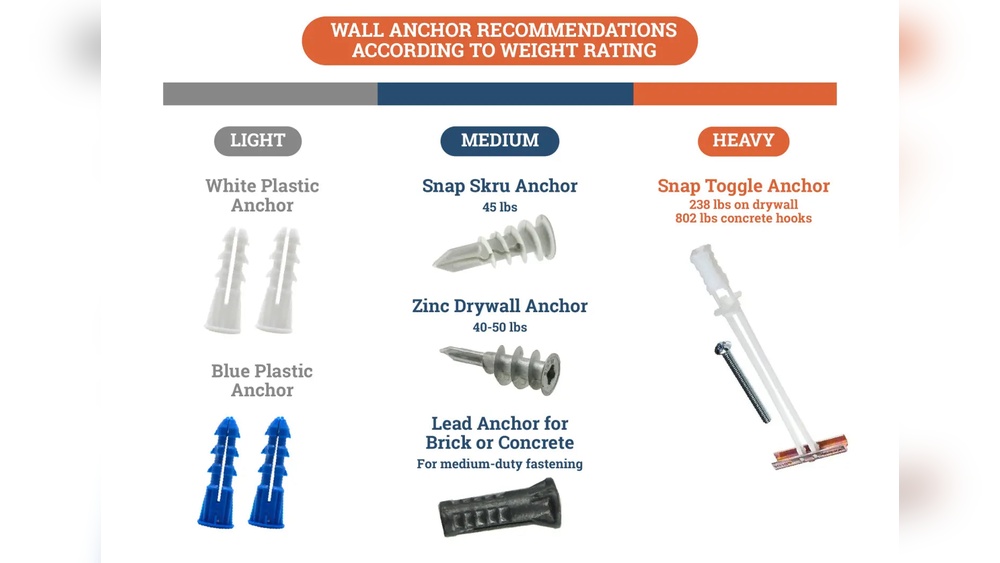
Plastic expansion anchors are common and easy to use. They expand when you insert a screw. This expansion grips the drywall tightly. They work best for light objects. Removing them needs gentle pulling or pushing.
Toggle Bolts
Toggle bolts have metal wings that open inside the wall. These wings hold the anchor firmly. They support heavy objects well. Removing toggle bolts requires unscrewing and careful wing folding.
Molly Bolts
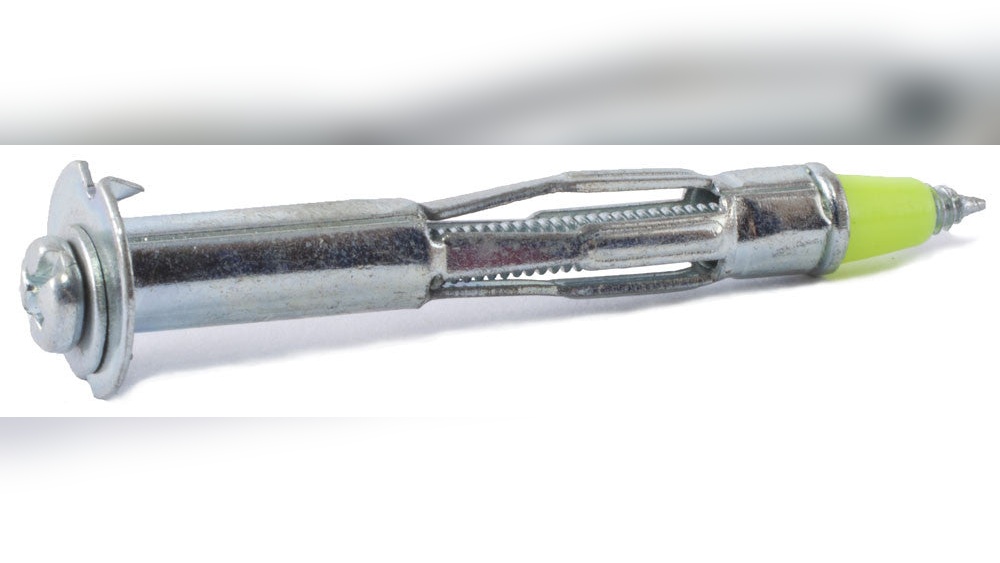
Molly bolts are metal anchors with expandable sleeves. The sleeve spreads inside the wall as you tighten the screw. They provide strong support for medium weights. Removing molly bolts often needs pushing the sleeve through the wall.
Threaded Drywall Anchors
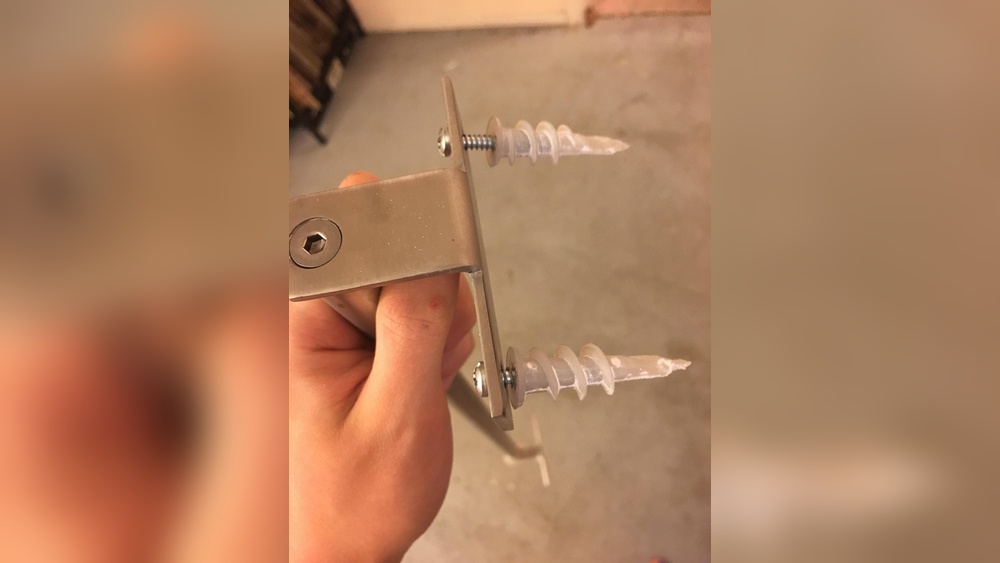
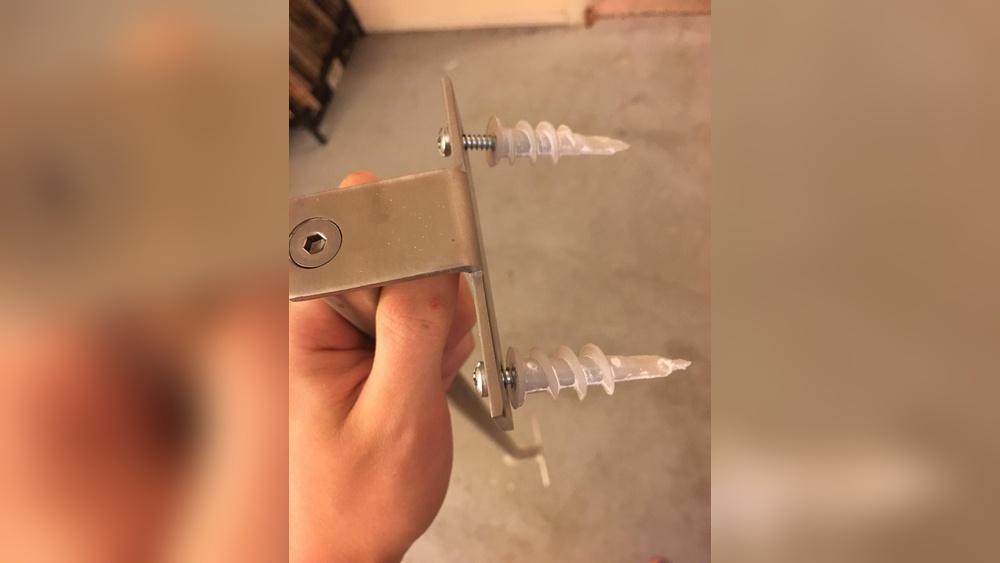
Threaded drywall anchors screw directly into drywall. They have sharp threads for easy installation. They hold moderately heavy items. Removing them involves unscrewing or gently pulling out.

Credit: diy.stackexchange.com
Signs Of A Stuck Wall Anchor
Stuck wall anchors can be frustrating. Knowing the signs helps you handle them properly. Early detection avoids bigger damage. Here are clear signs that show a wall anchor is stuck.
Resistance When Pulling
You will feel strong resistance when trying to pull the anchor out. It won’t budge easily. This tight grip means the anchor is stuck inside the wall. Pulling harder might damage the wall.
Damage To Wall Surface
Look closely at the wall around the anchor. Cracks, dents, or peeled paint are common signs. These damages occur because the anchor is stuck and pulling creates stress. The wall may weaken in that spot.
Anchor Spinning In Place
The anchor may spin without coming out. This happens when the anchor is loose inside but still stuck deep. Spinning means it’s not fully free and needs careful removal to avoid wall harm.
Tools Needed For Removal
Removing a stuck wall anchor needs the right tools. Using proper tools makes the job easier and safer. Here is a list of common tools to keep ready before starting.
Pliers And Screwdrivers
Pliers help grip the anchor firmly. Use needle-nose pliers for small anchors. Regular pliers work well for larger ones.
Screwdrivers assist in loosening or twisting the anchor. Flathead screwdrivers can pry edges gently. Phillips screwdrivers help remove screws holding anchors.
Drill And Bits
A drill speeds up removal of tough anchors. Use a drill bit slightly smaller than the anchor. Drill carefully to avoid wall damage.
Drills work well for plastic anchors stuck deep in drywall. Choose the right speed and pressure to prevent slipping.
Utility Knife
A utility knife cuts around the anchor edges. This helps loosen drywall holding the anchor. Cut gently to avoid tearing the wall.
Use a sharp blade for clean cuts. Replace blades often for safety and better control.
Hammer
A hammer taps anchors loose if they are stuck tight. Use a small hammer for better control. Tap lightly to avoid wall damage.
Sometimes a gentle tap is enough to loosen the anchor. Avoid heavy hits that may cause holes.

Credit: www.reddit.com
Step-by-step Removal Techniques
Removing a stuck wall anchor can be tricky but not impossible. The right technique makes the job easier and protects your wall. Follow these clear steps to remove anchors safely and cleanly. Each method suits different anchor types and wall conditions.
Pulling Out With Pliers
Use needle-nose or regular pliers for this method. Grip the anchor firmly but gently. Pull straight out with steady force. Wiggle slightly to loosen the anchor if needed. Avoid twisting hard to prevent wall damage. This works best for plastic anchors that are not deeply set.
Unscrewing The Anchor
Try turning the anchor counterclockwise with a screwdriver. Many anchors can unscrew like a screw. Apply light pressure to avoid breaking the anchor. If it turns, keep unscrewing until it comes out. This method suits threaded or screw-in anchors.
Drilling Out The Anchor
Use a drill with a bit slightly smaller than the anchor. Drill into the anchor carefully to break it apart. Remove the pieces with pliers or a vacuum. Take care not to drill too deep into the wall. This works well for metal or tough plastic anchors stuck tight.
Cutting And Prying Method
Cut the anchor flush with the wall using a utility knife. Then, use a flathead screwdriver to pry out the remaining part. Work gently to avoid wall damage. This method is good for anchors that cannot be pulled or unscrewed. It leaves a small hole to patch later.
Preventing Wall Damage
Removing a stuck wall anchor can be tricky. The goal is to protect your wall from damage while taking it out. Careful steps help keep your wall smooth and neat.
Small mistakes can cause cracks or holes. Prevention saves time and effort for repairs later. Follow these tips to protect your wall during removal.
Using Protective Tape
Place painter’s tape around the anchor. The tape stops the wall paint from peeling. It also marks the area clearly. This simple step keeps the wall surface safe.
Gentle Pressure Application
Push or pull the anchor slowly. Avoid fast or strong force. Use a tool like pliers with soft grips. Gentle pressure reduces the chance of wall cracks or dents.
Filling And Repairing Holes
Fill small holes with spackling paste or putty. Smooth the surface with a putty knife. Let it dry fully before sanding. Paint over the patch to match the wall color.

Credit: www.reddit.com
Alternative Solutions For Difficult Anchors
Removing stuck wall anchors can be frustrating. Sometimes, standard methods don’t work. Alternative solutions help deal with difficult anchors without damaging your wall. These methods focus on breaking, pulling, or replacing the anchor safely.
Breaking The Anchor Internally
One way is to break the anchor inside the wall. Use a drill bit smaller than the anchor size. Drill slowly to crush the anchor without harming the wall. After breaking, push the pieces deeper or pull out the remnants. This method works well for plastic or metal anchors.
Using A Screw To Extract
Insert a screw slightly bigger than the anchor hole. Screw it in until it grips the anchor tightly. Then pull the screw out slowly with pliers. The anchor will come out with the screw. This method is simple and effective for stuck anchors.
Replacing With Different Anchors
Sometimes, removing is too hard or causes damage. Drill a new hole next to the old one. Choose a different type of anchor for better support. Toggle bolts or molly bolts work well in tough walls. This method avoids unnecessary damage and keeps your wall strong.
Tips For Reinstalling Anchors
Reinstalling wall anchors correctly ensures strong support and avoids damage. Follow these tips to make your anchors secure and easy to remove later if needed.
Choosing The Right Anchor Type
Select anchors based on wall material and weight needs. Plastic anchors suit light loads on drywall. Metal anchors work better for heavy objects. Toggle anchors provide extra grip in hollow walls. Match the anchor size to the screw for a tight fit.
Proper Drilling Techniques
Use a drill bit matching the anchor size. Drill straight into the wall to avoid cracks. Clean dust from the hole before inserting the anchor. Drill slowly to prevent wall damage. Stop drilling once you reach the correct depth.
Avoiding Future Stuck Anchors
Do not force anchors into too small holes. Insert anchors gently and straight. Avoid overtightening screws, which can deform anchors. Use a little soap or wax on anchors to ease removal. Regularly check anchors for looseness and replace if needed.
Frequently Asked Questions
How Do I Safely Remove A Stuck Wall Anchor?
To safely remove a stuck wall anchor, first try unscrewing it gently. If that fails, use pliers to pull it out. Avoid damaging the wall by working slowly and applying steady pressure.
What Tools Are Best For Removing Stuck Wall Anchors?
Pliers, a screwdriver, and a drill are best for removing stuck wall anchors. Pliers help grip the anchor, a screwdriver can unscrew it, and a drill assists with stubborn anchors.
Can I Patch The Hole After Removing A Wall Anchor?
Yes, you can patch the hole after removing a wall anchor. Use spackle or wall filler, smooth it with a putty knife, and sand when dry for a clean finish.
Why Do Wall Anchors Get Stuck Inside Walls?
Wall anchors get stuck due to tight fitting, corrosion, or wall material density. Improper installation can also cause anchors to grip too tightly, making removal difficult.
Conclusion
Removing a stuck wall anchor does not have to be hard. With the right tools and steps, you can fix your wall quickly. Patience and care help avoid damage to your wall. Try using pliers, a screwdriver, or a drill as shown.
Take your time and follow each step carefully. Soon, your wall will look smooth and ready for new anchors. Keep these tips handy for any future wall fixes. Simple solutions work best.