Are you struggling to hang something heavy on a hollow wall without worrying it will fall? Metal hollow wall anchors might be the simple solution you need.
These small but strong tools can hold your shelves, mirrors, or cabinets securely in place. In this guide, you’ll learn exactly how to use metal hollow wall anchors step by step. By the end, you’ll feel confident tackling your next wall project like a pro.
Keep reading to discover easy tips that save you time and prevent costly mistakes.
Choosing The Right Metal Hollow Wall Anchor
Choosing the right metal hollow wall anchor is key to a strong hold. The correct anchor keeps your items safe and secure. It depends on the type, size, and material of the wall. Picking the wrong anchor can cause damage or failure. This guide helps you select the best anchor for your project.
Types Of Metal Anchors
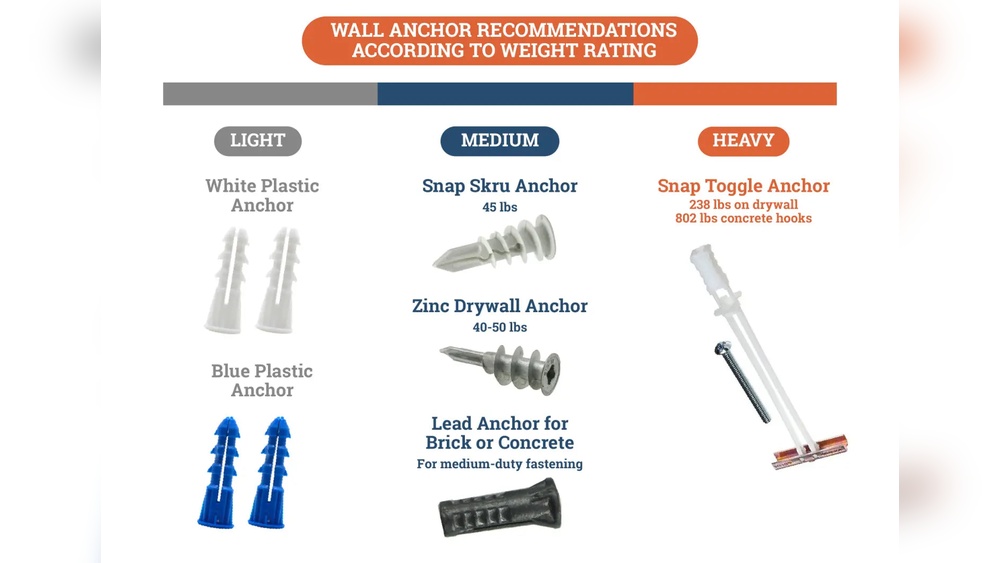
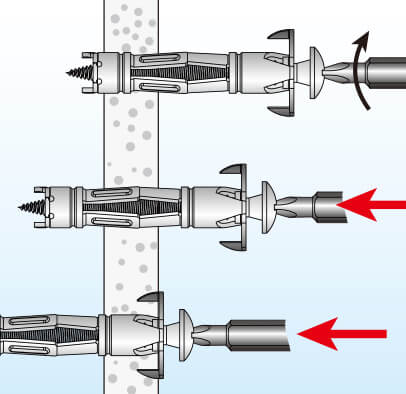
Metal hollow wall anchors come in different types. Some common ones are toggle bolts, molly bolts, and snap toggles. Toggle bolts have wings that open behind the wall for support. Molly bolts expand inside the wall as you tighten the screw. Snap toggles use a metal bar that locks in place. Choose the type based on the wall and weight of the item.
Anchor Size And Weight Capacity
Anchor size matters for strength. Larger anchors hold more weight. Each anchor has a weight limit. Check the packaging for weight capacity. Match the anchor size to the item’s weight. Too small an anchor can pull out or break. Use bigger anchors for heavy shelves or TVs. Use smaller ones for light pictures or decorations.
Material Compatibility
Metal anchors work with drywall, plaster, and hollow blocks. Some metals resist rust better than others. Zinc-plated anchors resist corrosion in dry areas. Stainless steel anchors suit damp or outdoor walls. Choose anchors that fit the wall material. Using the wrong anchor can cause damage or weak support.
Credit: www.jcyscrews.com
Tools Needed For Installation
Installing metal hollow wall anchors requires a few simple tools. These tools help ensure a secure and stable hold in hollow walls like drywall or plaster. Using the right tools makes the process easier and safer.
Drills And Bits
A power drill is essential for making holes in the wall. Use a drill bit that matches the size of the anchor. A sharp drill bit makes clean holes without damaging the wall. Choose a drill with variable speed for better control.
Screwdrivers And Wrenches
Use a screwdriver to tighten the screw in the anchor. Both flathead and Phillips screwdrivers may be needed, depending on the screw type. A wrench can help tighten metal anchors that use nuts. These tools provide the right grip for secure fastening.
Measuring And Marking Tools
Measure carefully before drilling to place anchors in the correct spots. Use a tape measure or ruler for accuracy. Mark the spots with a pencil or marker for easy drilling. Precise marking helps avoid mistakes and ensures strong support.
Preparing The Wall
Preparing the wall is the first step in using metal hollow wall anchors. This step ensures that the anchors hold firmly and safely. Proper preparation helps avoid damage to the wall and keeps your installation strong. Follow these simple steps to get started.
Locating Studs And Hollow Sections
First, find the studs behind the wall. Studs provide solid support for heavy items. Use a stud finder to locate them. If you place anchors in hollow sections, they must be hollow wall anchors. These anchors expand inside the cavity to hold tightly. Knowing where studs and hollow areas are helps you choose the right spot.
Marking Drill Points
Mark the exact points on the wall where you will drill. Use a pencil to make small dots. Measure carefully to keep marks level and spaced correctly. Clear marks guide your drilling and prevent mistakes. Double-check the spots before drilling to avoid holes in the wrong places.
Drilling Accurate Holes
Choose a drill bit size that matches the anchor size. Drill straight into the wall at your marked points. Go slowly to keep the hole clean and neat. Avoid making the hole too big or too small. Accurate holes help the metal anchors fit tightly and work well.
Installing Metal Hollow Wall Anchors
Installing metal hollow wall anchors is a straightforward process. These anchors provide strong support for hanging objects on drywall or hollow walls. Proper installation ensures stability and prevents damage. Follow these steps to install them correctly.
Inserting The Anchor
First, drill a hole in the wall. Make sure the hole matches the anchor size. Insert the metal hollow wall anchor into the hole. Push it gently until it sits flush with the wall surface. Avoid forcing the anchor to prevent wall damage.
Securing The Anchor
Next, tighten the anchor using a screwdriver. Turn the screw slowly to expand the anchor inside the wall. This expansion locks the anchor firmly in place. Stop tightening when the anchor feels secure. Over-tightening can weaken the wall or the anchor.
Avoiding Common Installation Mistakes
Do not drill a hole too large for the anchor. A loose fit reduces holding strength. Avoid over-tightening the screw; it can strip the anchor or damage the wall. Check the anchor size before starting. Using the wrong size leads to poor support.
Testing Anchor Strength
Testing the strength of metal hollow wall anchors is important for safety and durability. It helps confirm if the anchor can hold the expected weight. This step avoids accidents and damage to walls or objects. Always check anchor strength before mounting heavy items.
Load Testing Techniques
Start by applying a small, steady force to the anchor. Use a spring scale or a weight to measure resistance. Increase the load slowly while watching for movement or slipping. Stop if you notice any shift or unusual noise. This test shows if the anchor holds under pressure.
Signs Of Secure Fixings
Look for no movement or loosening when you apply force. The anchor should stay firmly in place without wobbling. No cracks or damage around the hole means good grip. The mounted object should feel stable and safe. These signs confirm the anchor is secure.
When To Reinstall Or Replace
Replace anchors if they slip or move during testing. Reinstall if the hole is damaged or too large for the anchor. Use new anchors after removing old ones to ensure a tight fit. Never use anchors that show rust or wear. Strong anchors keep your items safe on the wall.

Credit: www.fixfirm.com
Maintenance And Removal Tips
Metal hollow wall anchors hold objects securely on walls. Proper care keeps them strong and safe. Removing anchors without damage is also important. Follow these tips for maintenance and removal.
Regular Inspection
Check anchors often for any signs of wear or looseness. Tighten screws if they feel loose. Look for cracks or rust on the metal parts. Early fixes prevent bigger problems later.
Safe Anchor Removal
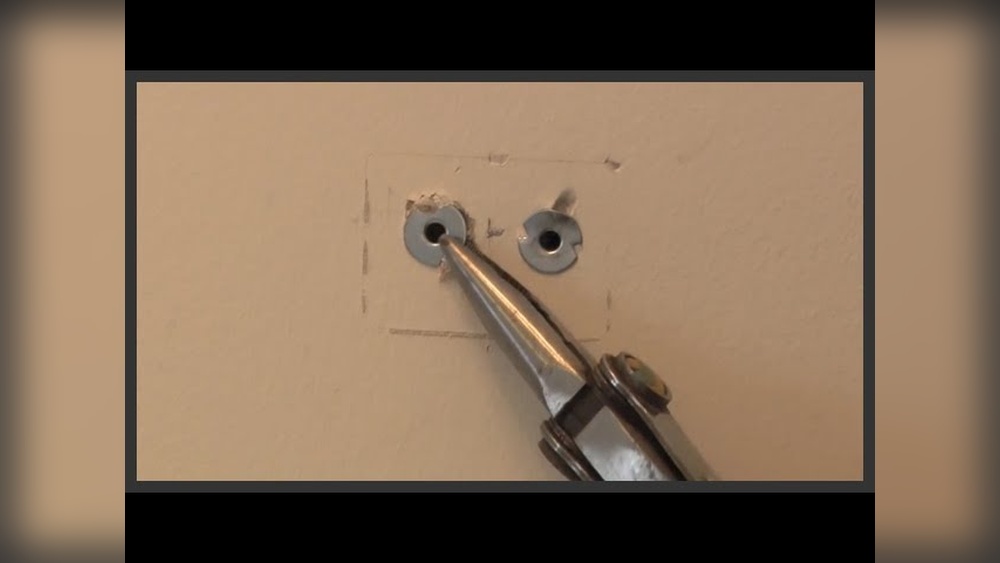
Remove anchors carefully to avoid wall damage. First, unscrew the fastener slowly. Use pliers to pull the anchor straight out if needed. Avoid twisting or forcing the anchor. This reduces the chance of holes or cracks.
Wall Repair After Removal
Fill holes with wall putty or spackle. Smooth the surface with a putty knife. Let the patch dry fully before sanding it smooth. Paint over the repair to match the wall color. This restores a clean, neat finish.

Credit: www.youtube.com
Frequently Asked Questions
What Are Metal Hollow Wall Anchors Used For?
Metal hollow wall anchors secure heavy items to drywall or hollow walls. They provide strong support where studs aren’t available. These anchors expand behind the wall, distributing weight evenly for stability.
How Do You Install Metal Hollow Wall Anchors?
First, drill a hole matching the anchor size. Insert the anchor into the hole. Tighten the screw to expand the anchor behind the wall. Ensure it fits snugly before mounting your item.
Can Metal Hollow Wall Anchors Hold Heavy Objects?
Yes, metal hollow wall anchors are designed for heavy loads. They offer superior strength compared to plastic anchors. Always check the anchor’s weight rating before use to ensure safety.
Are Metal Hollow Wall Anchors Reusable?
Generally, metal hollow wall anchors are not reusable. Removing them can damage the anchor or wall. For best results, use a new anchor when reinstalling to maintain strong support.
Conclusion
Metal hollow wall anchors hold items firmly on drywall or hollow walls. Choose the right size for your project. Drill a hole, insert the anchor, then tighten the screw. This method prevents damage and ensures stability. Using anchors correctly saves time and effort.
Now, you can hang shelves, pictures, or fixtures with confidence. Simple steps, strong results. Give your walls the support they need without hassle.