Are you tired of struggling with loose screws and unstable wall hangings? Knowing how to properly wall anchor and screw can make all the difference in keeping your shelves, pictures, and fixtures secure.
Whether you’re a beginner or just need a quick refresher, this guide will walk you through simple steps that anyone can follow. By the end, you’ll have the confidence to tackle your next project and avoid common mistakes that cause frustration.
Ready to make your walls work for you? Let’s get started!
Types Of Wall Anchors
Wall anchors help hold screws firmly in walls. They stop screws from pulling out easily. Different anchors fit different wall types and weights. Knowing the types of wall anchors helps you pick the right one. This choice keeps your items safe and secure.
Plastic Expansion Anchors
Plastic expansion anchors are common for light loads. They work well in drywall and plaster walls. Push the anchor into a drilled hole. The anchor expands as the screw goes in. This grip holds the screw tightly in place. Best for hanging small pictures and shelves.
Toggle Bolts
Toggle bolts support heavy objects on hollow walls. They have metal wings that open inside the wall. The wings spread the load over a large area. Insert the bolt with wings folded. Tighten the screw to lock the wings. Ideal for heavy mirrors and large shelves.
Molly Bolts
Molly bolts are metal anchors for medium to heavy loads. They expand behind the wall as you tighten the screw. This creates a strong hold in drywall or plaster. Good for mounting cabinets and curtain rods. They stay firmly in place once installed.
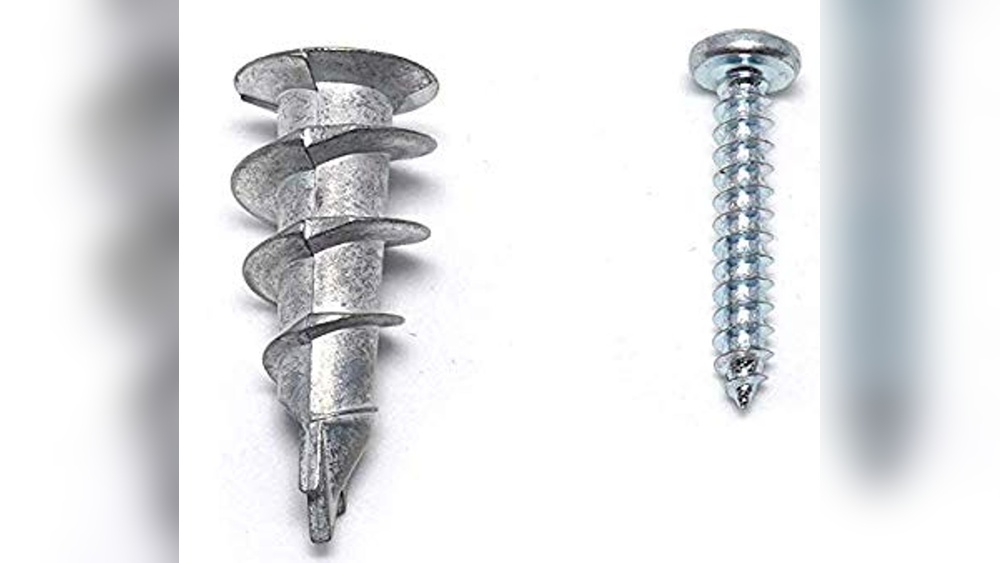
Self-drilling Anchors
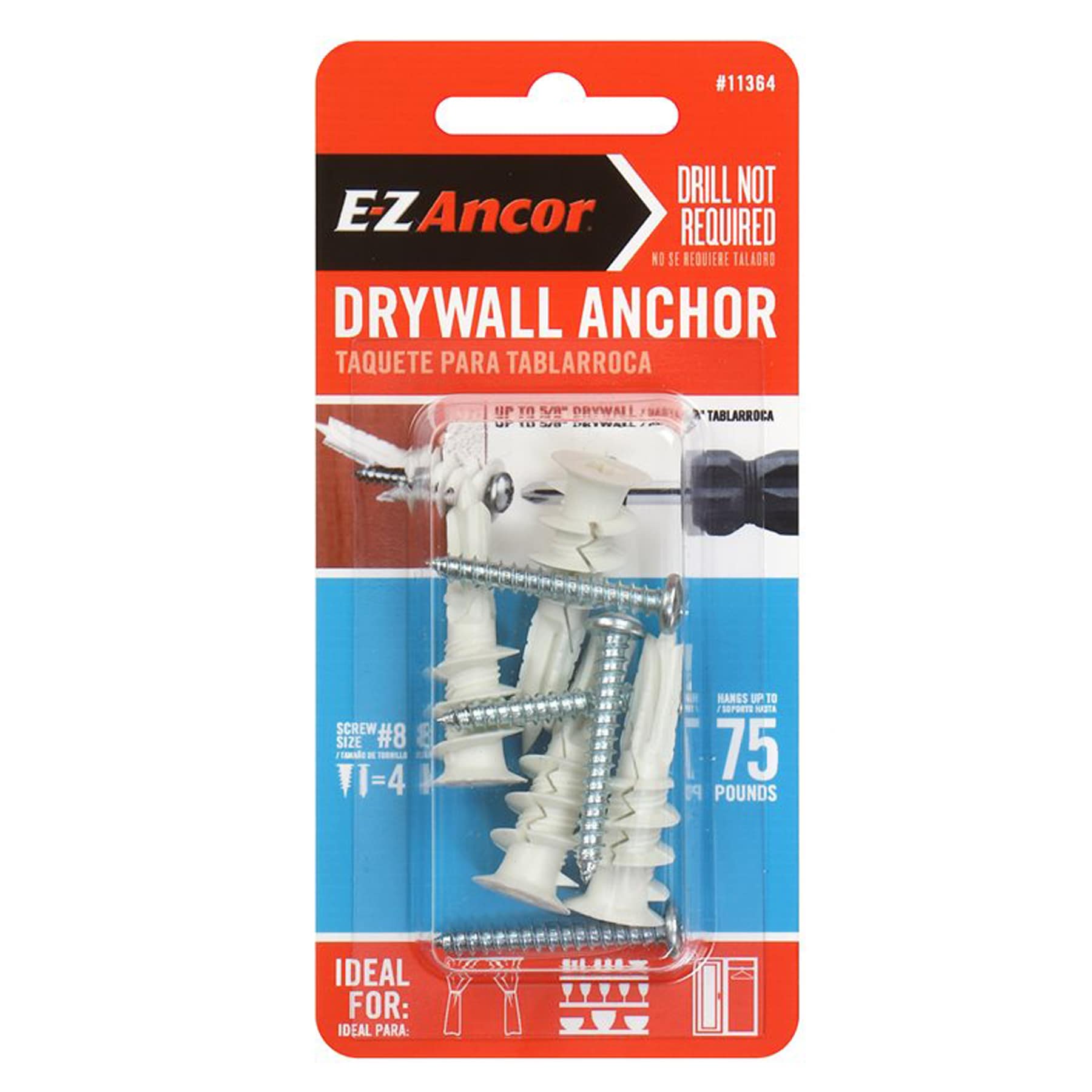
Self-drilling anchors do not need pre-drilling holes. They have sharp tips that cut into drywall easily. Just screw them directly into the wall. These anchors save time and effort. Suitable for light to medium weight items. Perfect for quick repairs and simple wall hangings.
Credit: www.lowes.com
Choosing The Right Anchor
Choosing the right wall anchor is key for a strong hold. The anchor must fit the weight, wall type, and screw size. Picking the wrong anchor can cause damage or a weak fix. This guide helps you select the best anchor for your project.
Weight Capacity Considerations
Check the weight of the item to hang. Each anchor has a weight limit. Use anchors rated higher than your item’s weight. This prevents anchors from pulling out or breaking.
Wall Material Compatibility
Different walls need different anchors. Drywall anchors work best for plasterboard walls. Masonry anchors fit brick or concrete walls. Choose an anchor made for your wall type to ensure a secure hold.
Anchor Size Selection
Match the anchor size to the screw size. A too-small anchor will not hold the screw tightly. A too-large anchor may damage the wall. Use the package instructions to find the right anchor size for your screws.
Tools Needed For Installation
Installing wall anchors and screws needs the right tools. These tools help make the job easier and safer. Using proper tools also gives a strong hold. Here are the main tools you need.
Drill And Bits
A drill makes holes in the wall for anchors. Choose the right drill bit size. Match the bit size to the anchor diameter. This prevents the hole from being too big or small. A cordless drill is easy to use and move around.
Screwdrivers
Screwdrivers help drive screws into anchors. Use the correct type: flathead or Phillips. Using the wrong type can strip the screw head. A screwdriver with a comfortable grip makes work easier. An electric screwdriver can save time on many screws.
Measuring Tools
Measuring tools ensure anchors and screws go in the right spot. A tape measure or ruler works well. Measure twice, drill once. Accurate measurements stop mistakes and wall damage. Mark the spots clearly before drilling.
Level And Pencil
A level keeps screws straight and even. This is important for shelves and frames. A pencil marks drilling points on the wall. Pencil marks are easy to erase later. Use the level to check marks before drilling.
Preparing The Wall
Preparing the wall is the first and most important step in wall anchoring and screwing. A well-prepared wall ensures strong support and prevents damage. Take your time to do it right. This process includes finding the best spots and making accurate markings. Careful preparation makes the rest of the job easier and safer.
Locating Studs
Find the studs behind the wall to secure your screws firmly. Use a stud finder or tap the wall to hear solid sounds. Studs are usually 16 or 24 inches apart. Mark the edges of each stud lightly with a pencil. Avoid drilling in hollow sections to keep your anchor strong.
Marking Drill Points
Mark exact drill points on the wall where the anchors will go. Use a pencil and a level to keep marks straight. Measure twice to avoid mistakes. Clear, visible marks help guide your drilling and keep the anchors aligned. Accurate marks improve the stability of the installation.
Drilling Pilot Holes
Drill small pilot holes at your marked points before inserting anchors. Use a drill bit smaller than your anchor size. Pilot holes help prevent the wall from cracking. Drill slowly and keep the drill straight. This step makes it easier to insert anchors and screws tightly.
Installing Wall Anchors
Installing wall anchors is key to hanging heavy objects safely. Anchors give screws extra grip in drywall, plaster, or hollow walls. Choose the right anchor type for your wall and load. This guide explains how to install different wall anchors step-by-step.
Inserting Plastic Anchors
Start by drilling a hole slightly smaller than the anchor. Push the plastic anchor into the hole until flush with the wall. Tap gently with a hammer if needed. Insert the screw into the anchor and tighten. The anchor expands, holding the screw firmly in place.
Setting Toggle Bolts
Drill a hole wide enough for the toggle. Thread the screw through your item’s mounting hole. Attach the toggle wings to the screw and fold them. Push the toggle through the wall hole. Once inside, the wings open and press against the wall. Tighten the screw to secure the fixture.
Securing Molly Bolts
Drill a hole sized for the molly bolt sleeve. Insert the molly bolt into the hole. Use a screwdriver to turn the screw slightly. This expands the sleeve behind the wall. Pull the screw back out to attach your object. Then, reinsert and tighten the screw fully.
Using Self-drilling Anchors
Mark the spot for the anchor. Place the pointed tip on the wall surface. Twist the anchor with a screwdriver or drill. The anchor drills itself into the drywall. Stop when the flange is flush with the wall. Insert the screw into the anchor and tighten.

Credit: www.youtube.com
Screwing Techniques For Stability
Getting the right screwing technique is key to strong wall anchors and screws. Proper screwing keeps your items secure and prevents damage. The stability depends on the screw type, depth, and how tight you make it.
Choosing The Right Screw
Select screws made for the material you are working with. Wood screws suit wood, while metal screws work better for metal surfaces. The length should match the anchor size. Too short screws can fail to hold, too long may damage the wall.
Proper Screw Depth
Insert screws deep enough to grab the anchor firmly. The screw head should sit flush or slightly below the surface. Too shallow screws can loosen easily. Too deep can break the anchor or wall material.
Avoiding Over-tightening
Tighten screws until they feel snug. Over-tightening can strip the anchor or crack the wall. Stop turning once you meet resistance. This keeps the screw strong and the wall intact.
Common Mistakes To Avoid
Wall anchoring and screwing seem simple but often fail because of common mistakes. Avoiding these errors saves time and effort. It also ensures safety and strong holds.
Ignoring Weight Limits
Each wall anchor has a weight limit. Exceeding this limit causes anchors to pull out. Always check the package for the maximum weight. Use heavier-duty anchors for heavier items. Never guess the weight capacity.
Incorrect Anchor Type
Different walls need different anchors. Drywall, concrete, and plaster require specific types. Using the wrong anchor can lead to weak support. Match the anchor type to your wall material. This ensures a secure fit and lasting hold.
Poor Wall Preparation
Wall surface must be clean and dry before anchoring. Dust, paint, or debris weakens the grip. Drill the correct hole size for the anchor. Avoid making holes too big or small. Proper preparation helps anchors stay firmly in place.

Credit: www.fmwfasteners.com
Maintenance And Safety Tips
Keeping wall anchors and screws in good shape is key for safety. Proper maintenance stops accidents and keeps your walls strong. Small checks can save time and money later. Follow these tips to ensure your anchors and screws work well for a long time.
Regular Inspection
Check anchors and screws often. Look for signs of rust, cracks, or looseness. Use a flashlight to see inside holes clearly. Tighten any screws that feel loose. Early fixes prevent bigger problems. Make inspection part of your routine.
Replacing Damaged Anchors
Damaged anchors cannot hold weight properly. Remove cracked or bent anchors immediately. Choose new anchors that fit your wall type. Insert them carefully to avoid wall damage. Using new anchors keeps your installation safe and strong.
Safe Load Practices
Know the weight limits of your anchors and screws. Do not hang items heavier than recommended. Distribute weight evenly across multiple anchors if needed. Avoid sudden or strong pulls on mounted objects. Safe loading protects your walls and belongings.
Frequently Asked Questions
What Tools Do I Need To Wall Anchor And Screw?
You need a drill, wall anchors, screws, a screwdriver, a pencil, and a level. These tools ensure accurate and secure installation.
How Do I Choose The Right Wall Anchor?
Select anchors based on wall type and weight load. Use plastic anchors for light loads, metal or toggle anchors for heavy items.
Can I Reuse Wall Anchors And Screws?
No, reusing wall anchors reduces their holding power. Always use new anchors and screws for safety and durability.
How Deep Should I Drill For Wall Anchors?
Drill a hole slightly deeper than the anchor length. This ensures the anchor fits fully and secures properly.
Conclusion
Wall anchors and screws hold things firmly on your walls. Choose the right anchor for your wall type. Drill a hole that fits the anchor snugly. Insert the anchor carefully, then screw in slowly. This method keeps shelves, pictures, and hooks secure.
Practice makes the process easier and faster. Use these steps to fix items safely and neatly. Your walls will stay strong and undamaged. Simple tools and clear steps make this task doable. Try it today and see how well it works.