Have you ever found yourself locked out of your own home or room, with no tools in sight? It’s a frustrating situation that can happen to anyone.
But what if you could open a deadbolt lock without needing any special equipment? Knowing how to pick a deadbolt without tools can save you time and stress when you’re stuck. You’ll discover simple, effective techniques that anyone can try.
Keep reading—you might just learn a skill that could turn a locked door into an open one when you need it most.

Credit: www.youtube.com
Basics Of Deadbolt Locks
Deadbolt locks provide strong security for doors. They are common in homes and businesses. Understanding how deadbolts work helps in handling them better. This knowledge is key for anyone interested in lock picking or basic lock maintenance.
Types Of Deadbolts
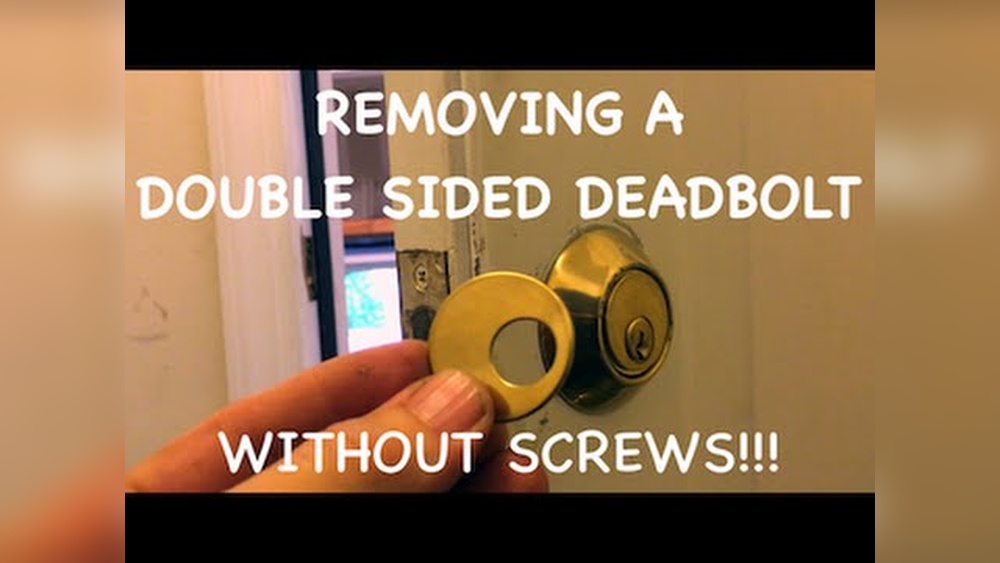
Single-cylinder deadbolts use a key outside and a thumb turn inside. They are easy to use and common in many homes. Double-cylinder deadbolts need a key on both sides. They add security but can be tricky in emergencies. Lockable thumb turn deadbolts let you lock the thumb turn with a key. This type offers flexibility and extra safety.
How Deadbolts Work
Deadbolts use a solid metal bolt that slides into the door frame. The bolt stops the door from opening without the correct key or turn. Turning the key or thumb turn moves the bolt in or out. The bolt fits tightly in the frame to block entry. This simple mechanism makes deadbolts strong and reliable.

Credit: www.youtube.com
Common Lock Picking Techniques
Picking a deadbolt without tools involves simple techniques anyone can try. These methods use basic skills and patience. Understanding common lock picking methods helps in learning how locks work. The two main techniques are the raking method and single pin picking. Each has its own steps and uses.
Raking Method
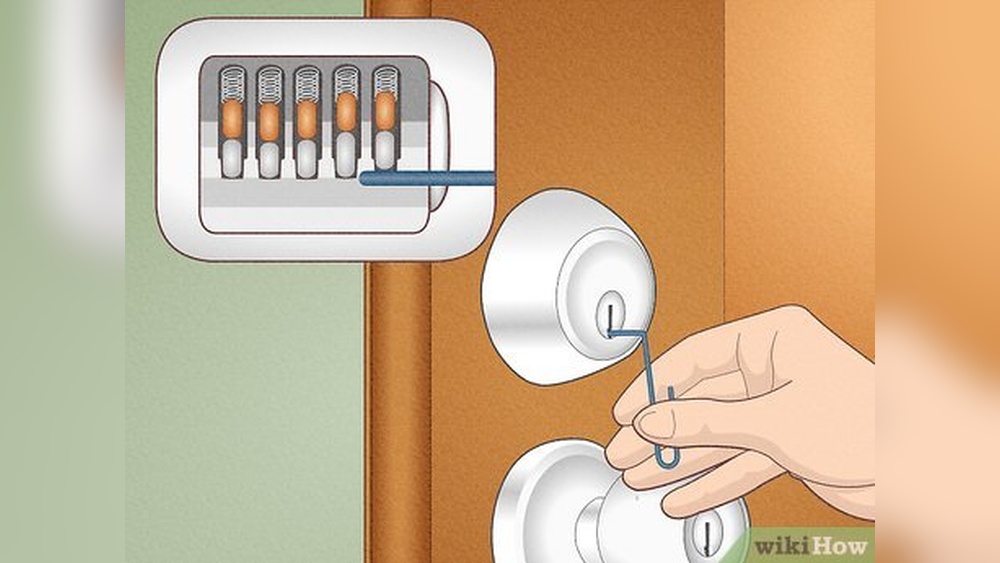
The raking method is fast and easy for beginners. You move a thin object across the pins inside the lock. This motion mimics the key lifting pins at once. The goal is to set all pins to the right height. Once pins align, the lock turns open. This method works best on simpler locks. It requires less precision but some feel for the pins.
Single Pin Picking
Single pin picking is slower but more precise. You lift each pin one at a time using a tool. This lets you feel when a pin sets correctly. It needs patience and a steady hand. This method is better for complex or high-quality locks. It gives control over each pin’s position. Many lock pickers use this technique to open tough locks.
Diy Tools For Lock Picking
Picking a deadbolt without tools might sound hard. Yet, some everyday items can help. You do not need special tools to try simple lock picking. This section shows easy DIY tools you can find at home. These tools can help you practice and understand basic lock mechanics.
Household Items As Picks
Many items in your home can work as lock picks. Paper clips are popular choices. Straighten one end to make a pick. Bobby pins also work well. Bend one end to create a small hook. Thin metal pieces like sewing needles may help. Be careful not to break or hurt yourself. These items are easy to shape and use.
Creating A Tension Wrench
A tension wrench holds the lock pins in place. You can make one from small metal strips. Cut a piece from an old credit card or soda can. Bend it into an L shape for the wrench. The short end fits inside the lock. The long end allows you to twist gently. This tension is key for picking the lock pins.
Step-by-step Guide To Picking A Deadbolt
Picking a deadbolt without tools requires patience and a gentle touch. This guide breaks down the process into simple steps anyone can follow. Each step focuses on feeling the lock’s internal parts carefully. Understanding these steps helps you try without special tools.
Applying Tension
Start by applying light tension on the lock’s keyway. Use a small flat object or your fingernail for pressure. Turning the lock slightly creates resistance inside. Keep the tension steady but not too hard. This step sets the stage for moving the pins.
Manipulating Pins
Next, feel inside the keyway with a thin, pointed object. Push each pin up gently. Listen and feel for small clicks or movements. Each pin must be lifted to the right height. Take your time to avoid pushing pins too far.
Detecting The Shear Line
The shear line is where the lock cylinder turns freely. After lifting the pins, sense when the cylinder slightly moves. This movement means pins are aligned correctly. Keep tension steady to hold pins in place. Once the shear line is found, the deadbolt can open.
Tips To Improve Success Rate
Picking a deadbolt without tools can be tricky. Success depends on your approach and skill. Small changes in how you work the lock can make a big difference. Use these tips to improve your chances.
Focus on learning the lock’s feel and sound. Patience and careful listening help you understand what is happening inside the lock. Practice regularly to build your skill and confidence.
Patience And Practice
Stay calm and take your time. Rushing can cause mistakes and damage the lock. Try the lock gently and slowly to find the right tension. Practice on old locks to build your skill. The more you practice, the easier it becomes.
Listening For Feedback
Pay attention to small clicks and movements inside the lock. These sounds tell you if a pin is set correctly. Use your ears to guide your hands. Quiet surroundings help you hear better. Stop and listen often during the process.

Credit: www.wikihow.com
Legal And Ethical Considerations
Picking a deadbolt without tools raises important legal and ethical questions. Understanding these rules helps you avoid trouble. It also protects others’ rights. Respecting laws keeps everyone safe and fair.
When Picking Is Allowed
Picking a lock is legal only in certain cases. You must own the property or have permission. Emergency situations, like being locked out, may allow it. Doing this without permission is often illegal. Always check local laws before trying.
Respecting Privacy And Property
Respecting others’ privacy is very important. Never pick a lock to enter someone else’s home or office. It can cause harm and break trust. Always ask for permission before trying to open a lock. Protecting property rights is part of being responsible.
Frequently Asked Questions
How Can I Pick A Deadbolt Without Tools Safely?
To pick a deadbolt without tools safely, use simple household items like a credit card or paperclip. Exercise caution to avoid damaging the lock or door. Practice patience and gentle pressure to manipulate the lock pins effectively without force or tools.
Is It Legal To Pick A Deadbolt Without Tools?
Picking a deadbolt without tools is legal only if you own the property or have permission. Unauthorized lock picking can lead to legal consequences. Always ensure you have the right to manipulate the lock before attempting to pick it.
What Household Items Can Help Pick A Deadbolt?
Common household items that help pick deadbolts include paperclips, bobby pins, and plastic cards. These can mimic lock-picking tools by manipulating the pins inside the lock. Proper technique and care are essential to avoid lock damage while using these items.
How Difficult Is It To Pick A Deadbolt Lock?
Picking a deadbolt lock without tools is moderately difficult and requires patience. Deadbolts have complex pins that need precise manipulation. Beginners should practice and learn lock mechanics to improve success rates without causing damage.
Conclusion
Picking a deadbolt without tools takes patience and care. Practice the steps slowly to avoid damage. Always respect others’ property and privacy. Knowing these basics helps in emergencies or when locked out. Stay safe and use this knowledge responsibly. Remember, skill grows with time and effort.
Keep learning and stay prepared for unexpected situations.