Have you ever tried to remove a screw from a wall anchor, only to end up frustrated and stuck? You’re not alone.
Removing screws from wall anchors can be tricky, especially if you don’t know the right steps. But don’t worry—this guide will show you exactly how to get those screws out cleanly and without damaging your walls. Keep reading, and you’ll learn simple, effective methods that save you time and hassle.
By the end, you’ll feel confident tackling this common home repair task on your own.
Types Of Wall Anchors
Wall anchors hold screws securely in drywall or masonry. They provide extra grip when screws alone cannot hold heavy items. Different types of anchors suit different wall materials and weights. Knowing the types helps remove screws safely and correctly. Here are the common types of wall anchors you may find.
Plastic Expansion Anchors
Plastic expansion anchors are simple and common. Inserted into a pre-drilled hole, they expand as the screw goes in. This expansion grips the wall firmly. They work well for light to medium loads. Removing screws from these anchors usually involves unscrewing gently to avoid damage.
Molly Bolts
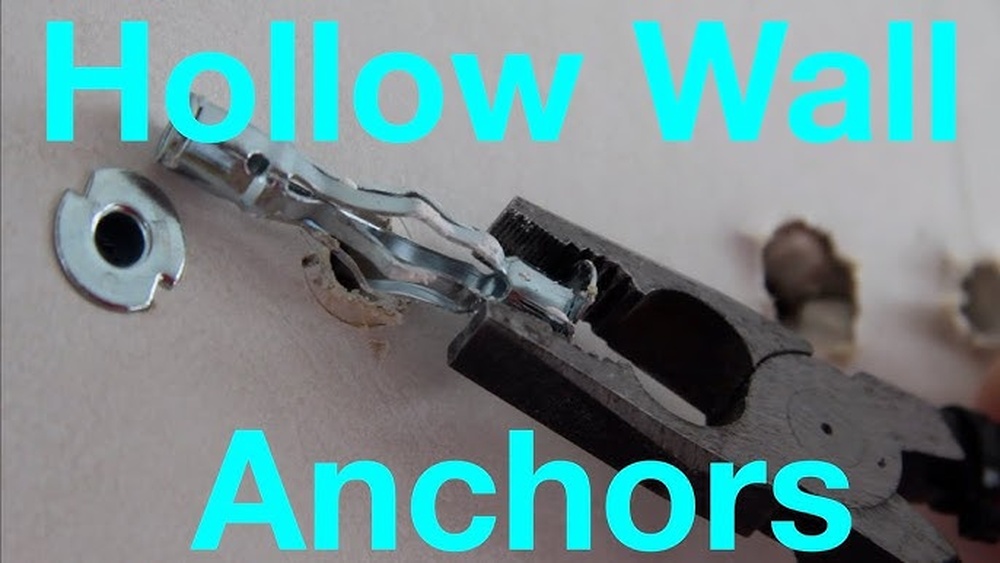
Molly bolts are metal anchors with expandable sleeves. Inserted into drywall, they expand behind the wall as the screw tightens. This creates a strong hold. Molly bolts suit medium to heavy loads. Removing screws from molly bolts may cause the sleeve to stay inside the wall.
Toggle Bolts
Toggle bolts have metal wings that open behind the wall. The wings spread wide to hold heavy objects securely. These anchors need larger holes for insertion. Removing screws from toggle bolts requires careful unscrewing so the wings can fold and come out.
Threaded Drywall Anchors
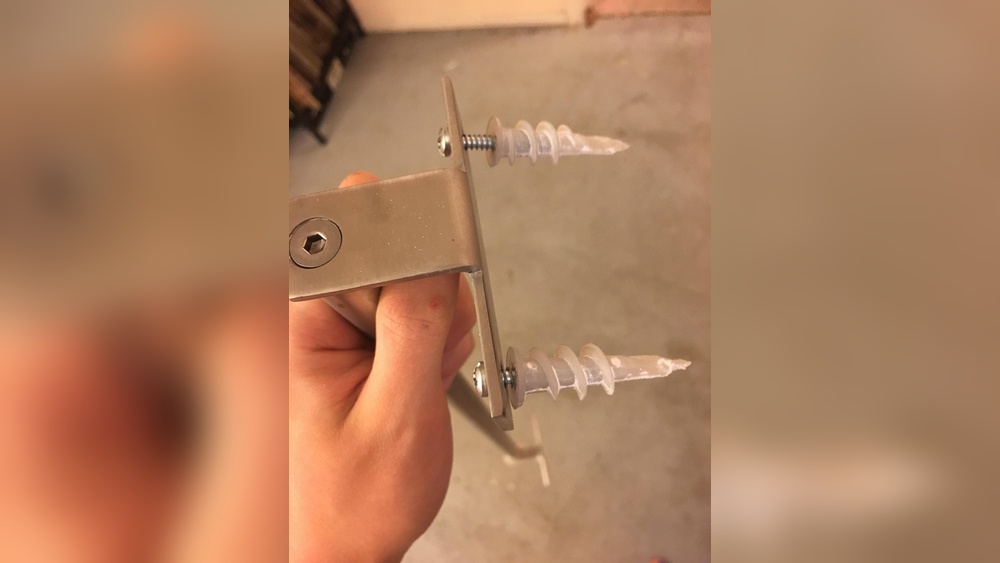
Threaded drywall anchors screw directly into drywall without a pilot hole. Their threads grab the wall tightly. These anchors hold medium weight items well. To remove screws, unscrew slowly to avoid stripping the anchor or damaging drywall.

Credit: www.tjlituo.com
Tools Needed For Removal
Removing screws from wall anchors needs the right tools. Using proper tools makes the job easier and safer. This section covers basic and specialty tools needed for removal. Choose tools based on the screw type and anchor style.
Screwdrivers And Drills
Screwdrivers are essential for removing screws from wall anchors. Use a screwdriver that fits the screw head. A mismatched screwdriver can strip the screw. Power drills with screwdriver bits speed up the process. Set the drill to low torque to avoid damage.
Pliers And Wrenches
Pliers help grip screws or anchors that don’t turn easily. Needle-nose pliers work well in tight spaces. Slip-joint pliers offer a strong hold for stubborn screws. Wrenches can remove bolts or threaded anchors. Use the right size wrench to prevent slipping.
Specialty Removal Tools
Sometimes standard tools don’t work. Specialty tools like screw extractors remove stripped or damaged screws. Wall anchor removal tools pull out anchors without wall damage. These tools save time and reduce repair work. Keep some specialty tools handy for tough jobs.
Removing Screws From Plastic Anchors
Removing screws from plastic anchors can be tricky. Plastic anchors hold screws tightly in drywall or plaster. You need a careful approach to avoid damaging the wall. This section explains how to remove screws from plastic anchors safely and easily.
Loosening The Screw
Start by using the right screwdriver bit for the screw head. Turn the screwdriver counterclockwise to loosen the screw. Do not force it if it feels stuck. Try to wiggle the screw gently while turning. This helps break any grip inside the anchor. Keep your hand steady and apply even pressure.
Pulling Out The Screw And Anchor
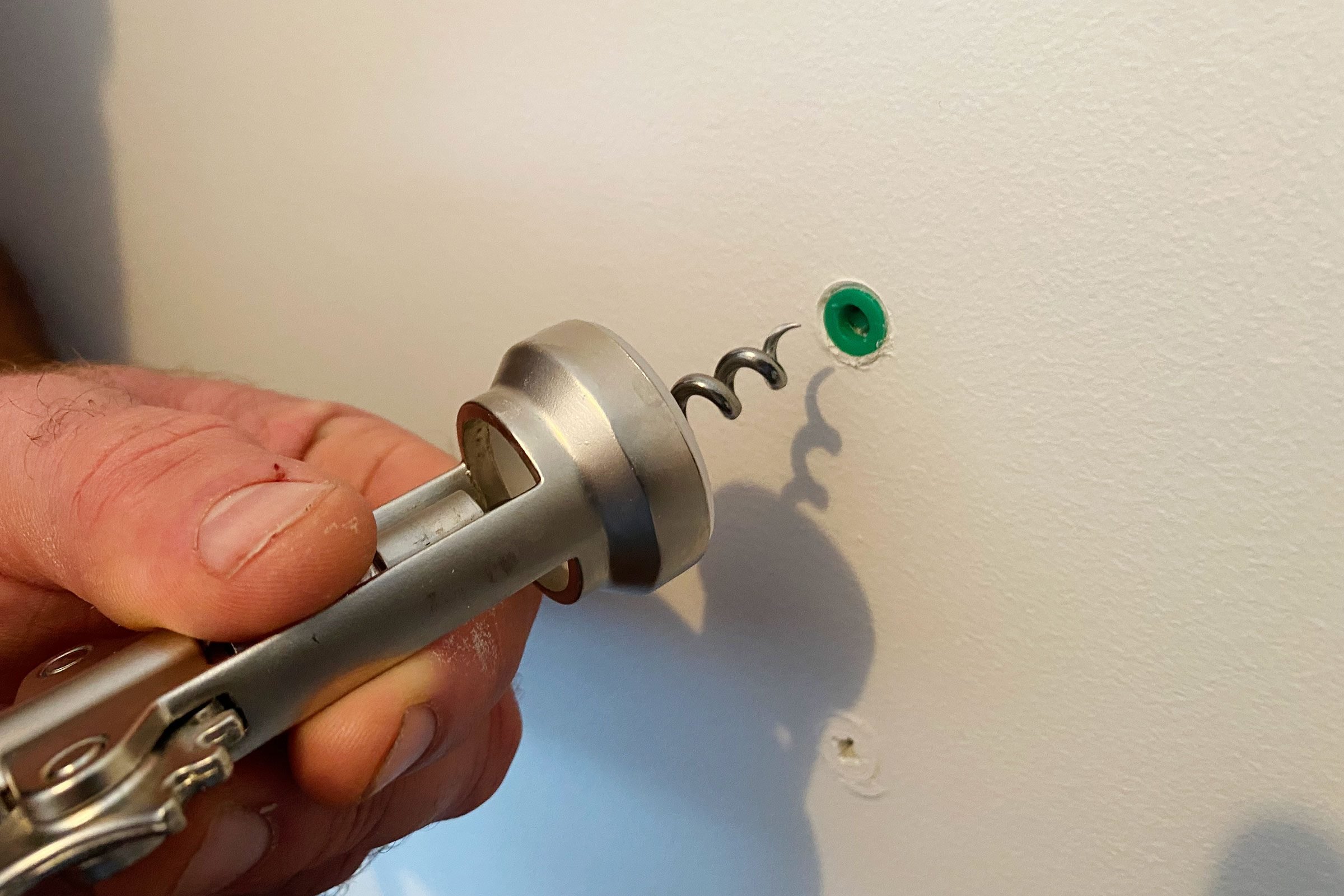
Once the screw is loose, try to pull it out by hand. If it resists, use pliers for a better grip. Pull straight out to avoid wall damage. Sometimes, the plastic anchor comes out with the screw. If the anchor stays inside, try pushing it deeper or twisting it out carefully. Fill the hole after removing the anchor for a smooth finish.
Handling Molly Bolts
Molly bolts are common wall anchors used to hold heavy items. Removing them requires care to avoid damaging the wall. Understanding how to handle these bolts helps keep walls smooth and ready for new fixtures. Follow the steps below to remove molly bolts safely.
Unscrewing The Bolt
Start by turning the screw counterclockwise. Use a screwdriver that fits well to avoid stripping the head. Keep turning until the bolt feels loose. Sometimes, the bolt comes out with the screw. If it does not, stop and try the next step.
Collapsing And Removing The Anchor
Push the anchor inward gently. This action collapses the metal wings behind the wall. Use pliers to grip the bolt and pull it out slowly. If the anchor resists, tap it lightly with a hammer. Once loose, remove the anchor without forcing it. Patch the hole with spackle for a smooth finish.
Extracting Toggle Bolts
Extracting toggle bolts from walls can be tricky. These anchors hold strongly behind the wall. Removing them takes care and the right steps. This guide breaks down the process into easy parts. Follow each step to avoid damage and finish cleanly.
Unscrewing The Bolt
Start by turning the bolt counterclockwise. Use a screwdriver that fits the bolt head well. If the bolt spins freely, the toggle may be loose inside. Pull the bolt gently while unscrewing. Keep steady pressure to avoid stripping the screw.
Removing The Toggle
The toggle expands behind the wall to hold tight. Once the bolt is out, the toggle may stay inside. Push the toggle into the wall cavity. Use needle-nose pliers if it is hard to reach. If it won’t budge, break it carefully with a screwdriver.
Patching The Hole
After removing the toggle, a hole remains in the wall. Clean the area around the hole. Fill the hole with spackle or wall filler. Smooth it with a putty knife and let it dry. Sand lightly for a flat finish. Paint over the patch to match the wall color.

Credit: www.hgtv.com
Dealing With Threaded Drywall Anchors
Threaded drywall anchors hold screws tightly in walls. Removing screws from these anchors needs care to avoid damage. The process can be simple with the right steps. This section shows how to handle threaded drywall anchors safely and cleanly.
Backing Out The Screw
Start by turning the screw counterclockwise. Use a screwdriver that fits the screw head well. Turn slowly to avoid stripping the screw. Pull the screw out gently as it loosens. If the screw resists, do not force it. Forcing can damage the wall or anchor.
Twisting Out The Anchor
If the anchor stays after removing the screw, try twisting it out. Use needle-nose pliers to grip the anchor firmly. Turn the anchor slowly counterclockwise. This loosens it from the drywall. If it slips, try squeezing tighter or adjust your grip. Avoid pulling straight out; twisting reduces wall damage.
Tips For Stubborn Screws
Removing screws from wall anchors can be tricky, especially when the screws get stuck. Stubborn screws may resist turning or come out only halfway. Using the right methods helps save time and avoids damage to the wall.
Try simple techniques before using force. These tips can loosen tight screws carefully and safely.
Applying Lubricants
Lubricants like WD-40 or light oil can ease stuck screws. Spray a small amount where the screw meets the anchor. Let it sit for 5 to 10 minutes. The lubricant seeps inside and reduces friction. Turn the screw slowly after waiting. This method often loosens screws without damage.
Using Heat Or Cold
Applying heat can expand metal parts and break rust bonds. Use a hairdryer or heat gun for about 30 seconds on the screw area. Be careful not to burn the wall. Cold works too. Wrap ice cubes in a cloth and hold it on the screw for a minute. Changes in temperature can loosen tight screws.
Tapping And Gentle Force
Tapping the screw head with a small hammer can help. Use light taps to avoid damage. This action breaks rust or glue holding the screw. Then try turning the screw with steady, gentle force. Avoid strong pushes that can strip the head or damage anchors. Patience and soft taps often free stubborn screws.
Credit: www.familyhandyman.com
Repairing Wall After Anchor Removal
After removing wall anchors, the wall often shows holes or damage. Fixing these spots is important for a clean, smooth surface. Proper repair makes the wall ready for painting or hanging new items. Follow these steps to restore your wall quickly and easily.
Filling Holes
Start by cleaning any dust or debris from the holes. Use a putty knife to apply spackling paste or wall filler. Press the filler firmly into the hole until it is full. Smooth the surface with the knife to avoid bumps. Let the filler dry completely before moving on.
Sanding And Smoothing
Once dry, gently sand the filled area with fine-grit sandpaper. Sand until the surface is even with the wall. Remove any dust with a soft cloth. This step helps the paint stick better and hides the repair. Take care not to sand too much or damage the wall.
Painting And Finishing
Choose paint that matches the wall color for a seamless look. Use a small brush or roller to cover the repaired spot. Apply paint in thin layers to avoid streaks. Allow the paint to dry between coats for best results. The wall will look fresh and like new after this step.
Frequently Asked Questions
How Do I Safely Remove Screws From Wall Anchors?
To safely remove screws, first unscrew them gently with a screwdriver. Avoid forcing to prevent wall damage. If stuck, use pliers to grip and twist slowly, reducing anchor damage.
Can I Reuse Wall Anchors After Removing Screws?
Usually, wall anchors lose their grip after screw removal. It’s best to replace anchors to ensure strong support for new screws and avoid wall damage.
What Tools Are Best For Removing Screws From Anchors?
Use a screwdriver matching the screw head type for easy removal. Pliers help if screws are stripped or stuck. A drill can assist if screws are deeply embedded.
How To Prevent Wall Damage When Removing Screws?
Remove screws slowly and steadily. Avoid prying or forcing. If anchors remain, carefully pull them out with pliers or use a drywall patch for repairs afterward.
Conclusion
Removing screws from wall anchors does not have to be hard. Use the right tools and take your time. Start by turning the screw gently to avoid damage. If the screw is stuck, try a few simple tricks before pulling it out.
Keep the wall safe to fix new items later. Practice makes the process easier with each try. You can handle this task well, even without special skills. Stay patient and follow the steps carefully. Success is just a few turns away.