Have you ever hung a picture or shelf, only to find the wall anchor loose and your item at risk of falling? It’s frustrating and can even cause damage to your walls.
But don’t worry—you don’t need to call a pro or redo the whole wall. In this guide, you’ll learn simple, effective ways to fix a loose wall anchor quickly. Keep reading, and you’ll have your wall secure again in no time.

Credit: www.youtube.com
Signs Of A Loose Wall Anchor
Loose wall anchors can cause trouble in your home. They make your walls weak and can ruin the items you hang. Spotting signs early saves you time and money. Recognizing these signs helps you fix the problem before it gets worse.
Common Symptoms
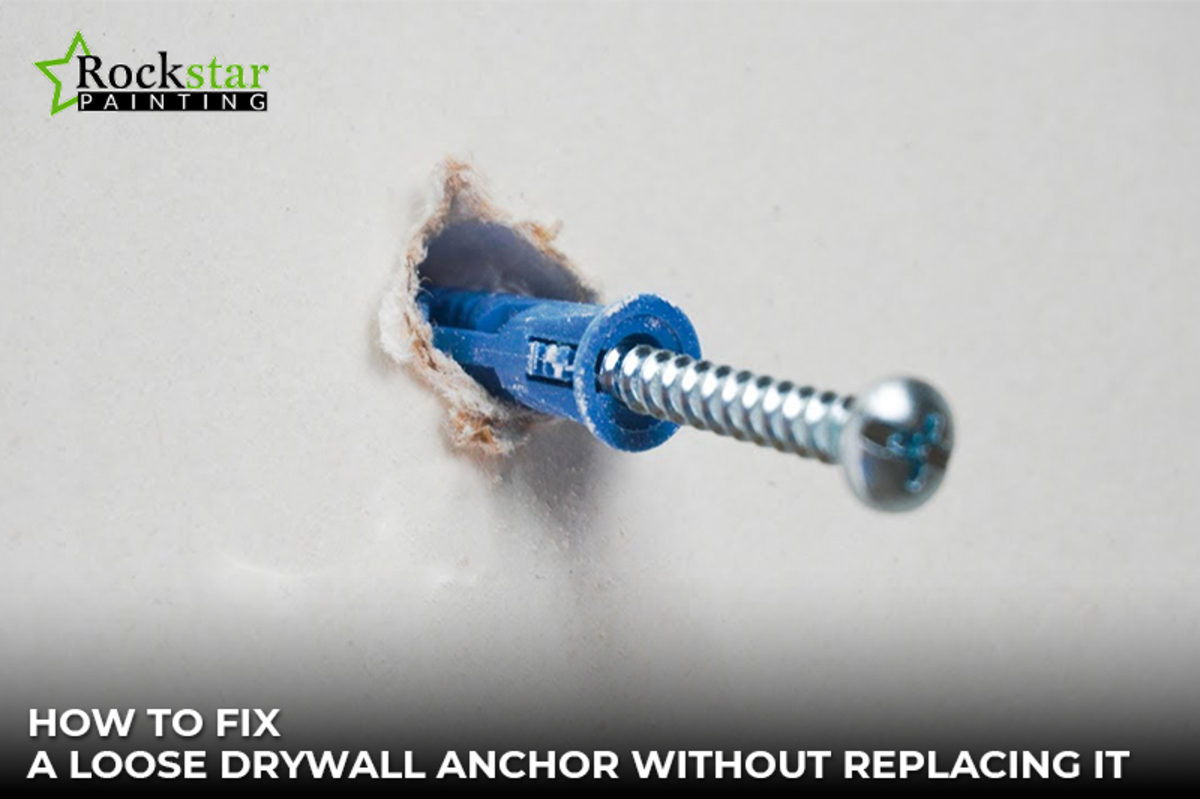
Wobbly hooks or shelves often signal a loose wall anchor. Items may tilt or fall easily. You might hear a slight creak or feel movement when touching the object. Sometimes, small cracks appear around the anchor hole. The wall may show dents or holes near the anchor spot. These signs mean the anchor is not holding well.
Potential Risks
Loose anchors risk dropping heavy items unexpectedly. This can cause injuries or damage to your belongings. Walls can get bigger holes or cracks from the loose fitting. Repeated stress can weaken the wall structure. Ignoring loose anchors may lead to costly repairs later. Safety hazards increase if you hang heavy frames or shelves.
Credit: rockstarpaintingdenver.com
Tools And Materials Needed
Fixing a loose wall anchor needs the right tools and materials. Having these ready makes the repair fast and strong. This section lists what you must have before you start.
Basic Tools
- Screwdriver – to remove or tighten screws.
- Drill – helps create or widen holes.
- Hammer – for tapping anchors gently into place.
- Utility knife – cuts away damaged parts cleanly.
- Measuring tape – ensures holes are in the right spots.
Replacement Anchors
- Plastic anchors – good for light loads and drywall.
- Toggle bolts – strong anchors for heavy objects.
- Metal anchors – offer extra grip in tough walls.
- Self-drilling anchors – easy to install without pre-drilling.
Additional Supplies
- Wall filler or spackle – to fill old holes neatly.
- Sandpaper – smooths the wall surface after filling.
- Paint – matches the wall color for a clean look.
- Cleaning cloth – removes dust before fixing anchors.
Removing The Loose Anchor
Removing a loose wall anchor is the first step to fix it properly. Anchors that do not hold well can cause your items to fall. Carefully taking out the loose anchor prevents damage to the wall. It also helps prepare the spot for a new, secure anchor.
Safe Removal Techniques
Start by checking the type of anchor in your wall. Plastic anchors often pull out easily with pliers. Grip the anchor gently and pull straight out. Avoid twisting or forcing it to prevent wall damage. For metal anchors, use a screwdriver to unscrew them slowly. If the anchor spins freely, try pushing it inward slightly. This can loosen it for easier removal. Always work slowly and carefully to keep the wall intact.
Dealing With Stubborn Anchors
Some anchors stick tightly and resist pulling or unscrewing. Try pushing the anchor deeper into the wall cavity. This hides the hole and lets you patch the wall later. Another option is drilling around the anchor carefully to remove it. Use a drill bit slightly bigger than the anchor. Drill just enough to free the anchor without harming the wall. For tough cases, use a utility knife to cut the anchor flush with the wall. Sand the area smooth before patching and painting.
Repairing The Hole
Repairing the hole left by a loose wall anchor is important. A proper fix ensures a strong hold for new anchors or screws. The repair method depends on the size of the hole. Small holes need simple filling, while larger holes require reinforcement. Both methods restore the wall’s strength and appearance.
Filling Small Holes
Small holes can be filled with spackling paste or lightweight filler. Use a putty knife to apply the filler smoothly. Press it firmly into the hole and spread it evenly. Let the filler dry completely before sanding it flat. Once dry, paint over the spot to match the wall. This method works well for holes less than half an inch wide.
Reinforcing Larger Holes
Larger holes need extra support to hold anchors securely. Start by cleaning loose debris from the hole. Insert a piece of wood or a drywall patch inside the hole. Use construction adhesive or wood glue to fix the patch firmly. After it dries, cover the patch with joint compound. Smooth the surface and let it dry completely. Sand the area flat and paint to finish. This process strengthens the wall for heavy anchors or screws.
Choosing The Right Anchor
Choosing the right wall anchor is key to fixing a loose anchor properly. Each wall type needs a specific anchor for a strong hold. Using the wrong anchor can cause damage or make your item fall. Understanding different anchors helps you pick the best one for your wall and weight needs.
Anchor Types For Different Walls
Drywall, plaster, and concrete each need different anchors. Plastic expansion anchors work well for drywall. Metal anchors fit better in plaster walls. Concrete walls need heavy-duty anchors like sleeve anchors or wedge anchors. Using the right anchor type keeps the fix secure and long-lasting.
Weight Capacity Considerations
Every anchor has a weight limit. Check the weight of the item you want to hang. Choose an anchor that can hold more than that weight. This prevents the anchor from loosening or pulling out. Stronger anchors provide safety and peace of mind.

Credit: www.instructables.com
Installing A New Wall Anchor
Installing a new wall anchor is the best way to fix a loose anchor. It provides a strong hold for shelves, pictures, or other items. The process is simple but needs care to ensure the anchor stays secure. Using the right tools and steps will help you get a firm and lasting fix.
Step-by-step Installation
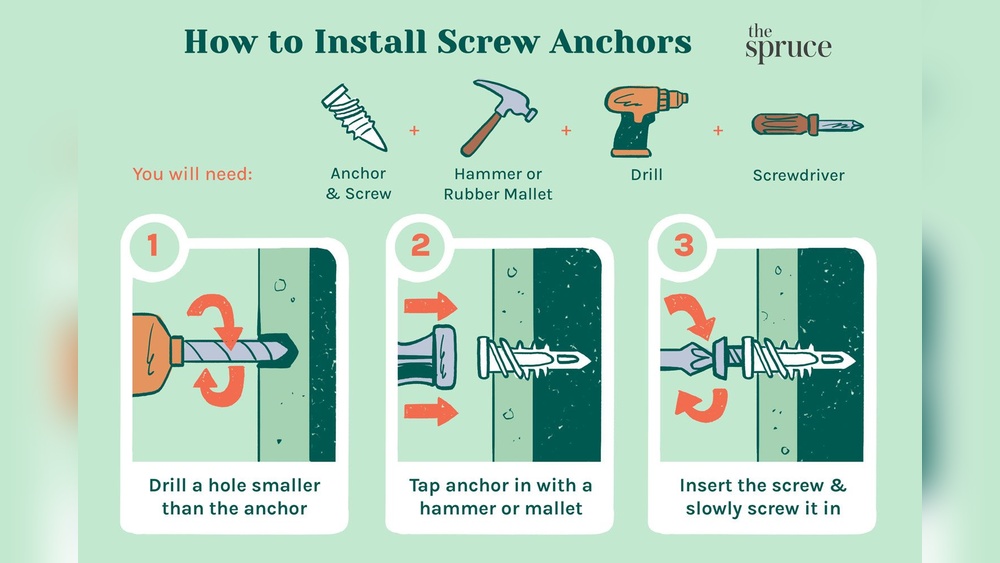
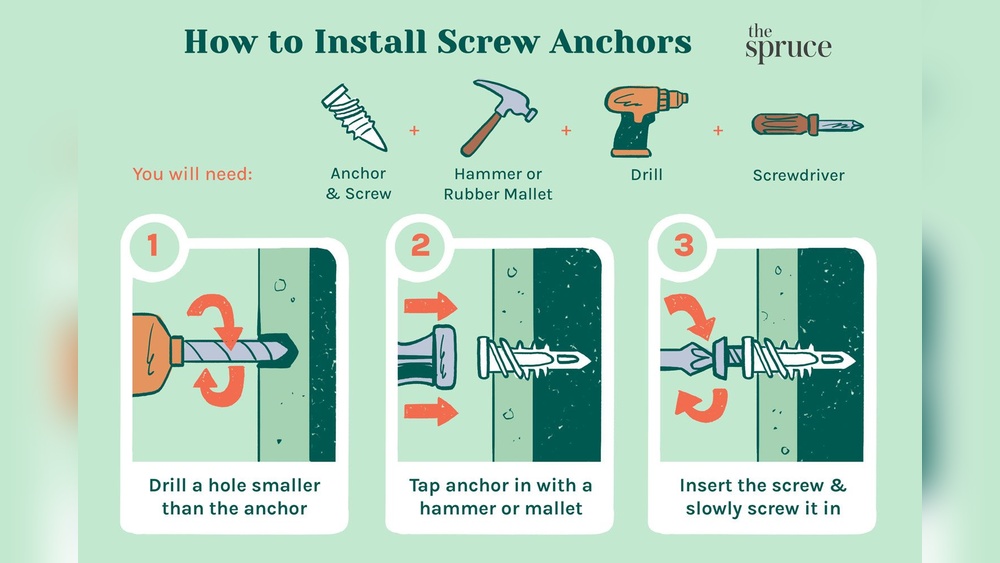
Start by removing the old loose anchor from the wall. Use pliers to pull it out gently. Next, choose a new anchor that fits the hole size. If needed, widen the hole slightly with a drill for a perfect fit. Push the new anchor into the hole until it is flush with the wall. Screw in the matching screw slowly. Stop when the anchor feels tight and secure.
Tips For Secure Placement
Pick an anchor suitable for your wall type, like drywall or plaster. Avoid forcing the anchor into a hole that is too small. Make sure the hole is clean and free of dust before inserting the anchor. Do not over-tighten the screw as it can damage the anchor. Check the anchor’s hold by gently pulling on it before hanging anything heavy.
Alternative Fixes For Loose Anchors
Loose wall anchors can cause frustration and weaken your wall’s hold. Fixing them does not always require removal and replacement. Alternative fixes can save time and effort while restoring strength. These methods reinforce the anchor or improve its grip.
Using Epoxy Or Adhesives
Epoxy or strong adhesives can secure a loose anchor firmly in place. Clean the hole and anchor before applying the glue. Insert the anchor carefully and let the epoxy dry fully. This creates a solid bond between the anchor and wall. It works well for drywall and masonry surfaces.
Make sure to use an adhesive suited for the wall material. Avoid excess glue to prevent messy repairs. This method strengthens the anchor without extra drilling or hardware.
Adding Support With Additional Hardware
Adding extra hardware can improve a loose anchor’s stability. Use washers or larger screws to increase holding power. Insert a longer screw that reaches deeper into the wall cavity. This spreads the load and reduces wobbling.
Another option is adding a toggle bolt or molly bolt beside the loose anchor. These anchors expand inside the wall for strong support. Extra hardware shares the weight, preventing further loosening.
This approach works best when the original hole is too large or damaged. It gives a secure base without patching the wall.
Preventing Future Anchor Problems
Preventing future problems with wall anchors saves time and effort. Proper care and smart habits keep anchors secure longer. Simple steps can stop loose anchors before they start. Focus on how to install and check anchors regularly.
Proper Installation Practices
Choose the right anchor for the wall type. Use anchors made for drywall, plaster, or concrete. Drill holes that match the anchor size exactly. Avoid making holes too big or too small. Insert the anchor straight into the wall. Tighten screws gently to avoid damage. Follow the instructions on the anchor package closely. Proper installation ensures strong hold and less chance of loosening.
Regular Inspection And Maintenance
Check wall anchors every few months. Look for signs of cracks or movement around the anchor. Test the stability by gently wiggling the attached item. Tighten screws if they feel loose. Replace anchors if damage or wear appears. Regular checks catch problems early and keep walls safe. Small fixes prevent big repairs later.
Frequently Asked Questions
How Do I Fix A Loose Wall Anchor?
To fix a loose wall anchor, remove it carefully. Fill the hole with wood filler or epoxy. Let it dry completely. Then, drill a new pilot hole and insert a larger anchor for a secure fit.
Can I Reuse A Wall Anchor If It’s Loose?
Reusing a loose wall anchor is not recommended. The hole usually becomes enlarged, reducing holding power. Instead, fill the hole and use a new, larger anchor for a stronger and safer hold.
What Causes Wall Anchors To Become Loose?
Wall anchors become loose due to improper installation, oversized holes, or heavy loads. Over time, vibrations or wall material deterioration can also weaken the anchor’s grip.
Which Type Of Wall Anchor Is Best For Heavy Items?
Toggle bolts and molly bolts are best for heavy items. They expand behind the wall, offering strong support and reducing the risk of loosening under weight.
Conclusion
Fixing a loose wall anchor is easier than it seems. Start by removing the old anchor carefully. Choose the right size and type for your wall. Drill a new hole if needed, then insert the anchor firmly. Tighten the screw just enough to hold your item securely.
Small steps can make a big difference in your wall’s strength. Take your time and check your work. A solid anchor keeps things safe and steady. This simple fix saves you money and stress. Try it yourself with confidence.