Are you struggling to secure items on your cinder block wall? Knowing how to glue anchors to a cinder block wall can make your project much easier and stronger.
Whether you’re hanging shelves, mounting fixtures, or adding decorations, the right technique ensures your anchors stay put. You’ll discover simple, step-by-step instructions that anyone can follow. Keep reading to learn how to get a reliable hold every time, saving you time and frustration.
Your walls—and your projects—will thank you.

Credit: www.youtube.com
Choosing The Right Glue
Choosing the right glue is key to a strong hold on a cinder block wall. The glue must bond well with the rough, porous surface of the blocks. A wrong choice can cause the anchor to loosen or fall out. Understanding different adhesives and their durability helps you pick the best one.
Types Of Adhesives For Masonry
Epoxy is a popular choice for masonry. It forms a hard, strong bond and fills gaps well. Polyester resins also work but can be less flexible. Construction adhesives made for concrete offer good grip and are easier to use. Polyurethane glues resist moisture and expand slightly to fill cracks.
Each type has pros and cons. Epoxy is very strong but takes longer to cure. Polyurethane cures faster and handles damp conditions better. Choose based on the anchor size and wall condition.
Factors To Consider For Durability
Durability depends on glue strength and environmental factors. Moisture and temperature changes can weaken some adhesives. Look for water-resistant and weatherproof options if the wall is outdoors. The glue must also handle weight and stress from the anchor.
Check the curing time too. Faster curing means quicker project completion. Some glues shrink while drying, reducing bond strength. Pick adhesives with low shrinkage for long-lasting hold.
Preparing The Surface
Preparing the surface is a key step before gluing anchors to a cinder block wall. A clean and dry surface helps the glue stick better. This makes the anchor hold stronger and last longer. Taking time to prepare the wall improves the overall result.
Cleaning The Cinder Block
Start by removing dirt and loose debris from the wall. Use a stiff brush to scrub the surface well. Dirt, dust, and old paint can stop glue from sticking properly. Clean the area around the hole or spot where you want to glue the anchor. This ensures the glue bonds directly with the cinder block.
Drying And Dust Removal
After cleaning, let the wall dry completely. Moisture weakens the glue’s hold. Use a cloth or brush to remove any dust left on the surface. Dust can act as a barrier between the glue and the block. A dry, dust-free surface gives the best grip for the glue and anchor.
Selecting Anchors
Selecting the right anchors is important for a strong hold on cinder block walls. The anchor must fit the wall and support the weight you plan to hang. Choosing the wrong type or size can cause damage or failure. This section guides you on picking anchors for your project.
Anchor Types For Cinder Blocks
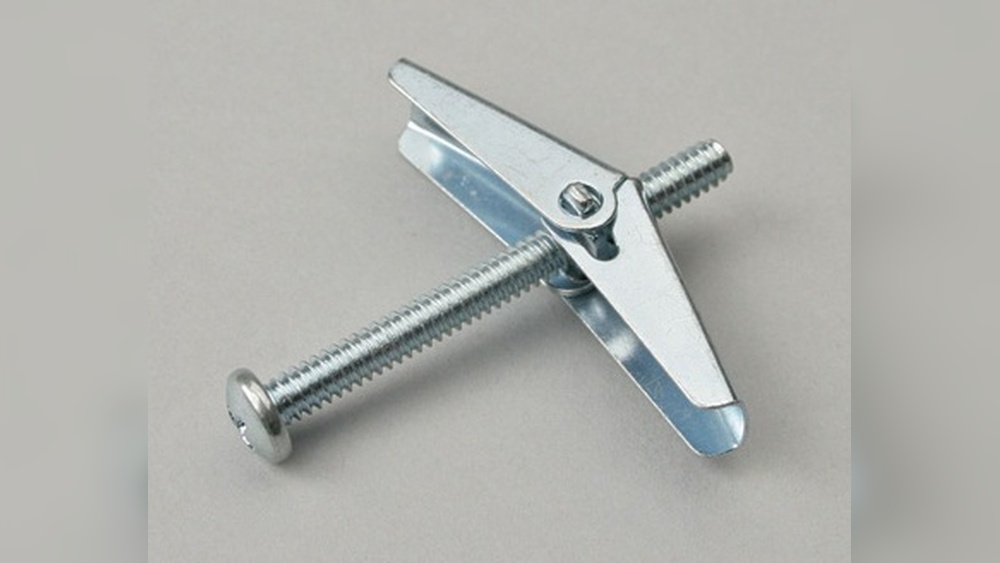
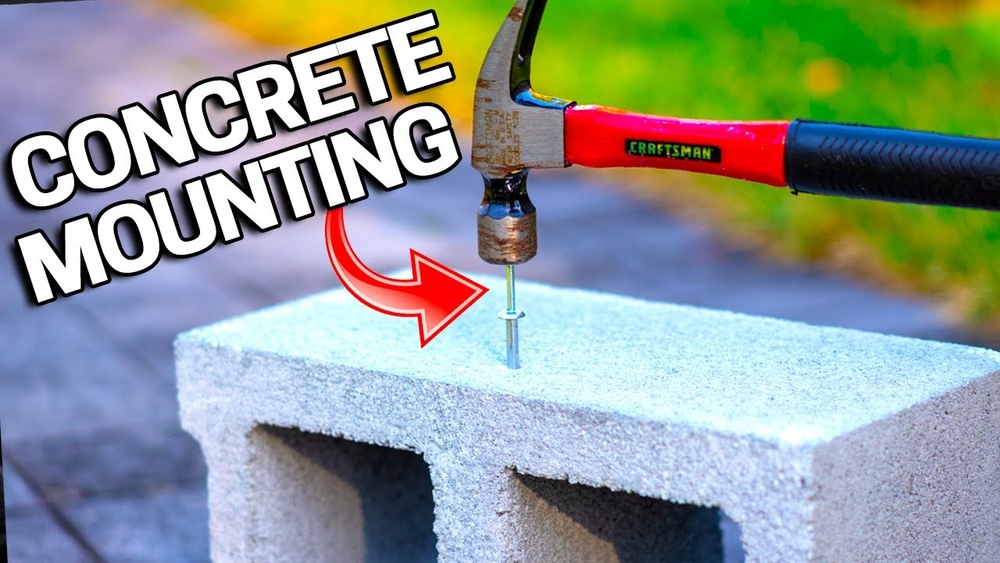
Different anchors work best for cinder block walls. Sleeve anchors are common and expand inside the hole for a tight fit. Wedge anchors also expand but provide extra strength for heavy loads. Plastic anchors are good for light items but may not hold well on their own. Epoxy anchors use glue to secure bolts inside the block, offering strong support. Choose an anchor type that matches your wall and load needs.
Size And Load Capacity
Anchor size affects how much weight it can hold. Bigger anchors fit larger holes and support heavier loads. Small anchors work for light items but can break under pressure. Check the load rating on the anchor package. Match the anchor size to the weight of the object you want to hang. Proper sizing prevents wall damage and keeps your items secure.
Applying The Glue
Applying glue to anchors on a cinder block wall needs care and precision. This step is key to making sure anchors hold tight. Proper glue use helps avoid weak spots and falling anchors. Follow these tips to apply glue correctly and create a strong bond.
Correct Glue Amount
Use just enough glue to cover the anchor surface. Too much glue can drip and make a mess. Too little glue will not hold the anchor well. Apply a thin, even layer on the anchor’s sides. Focus on the parts that touch the cinder block.
Check the product instructions for specific glue amounts. Some adhesives need a small bead, others a light spread. Using the right amount saves glue and improves holding power.
Techniques For Secure Bonding
Press the glue-coated anchor firmly into the hole. Turn it slightly to spread glue evenly inside the hole. Hold the anchor steady for a few seconds to start setting. Avoid moving the anchor until the glue dries fully.
Clean the hole before applying glue. Remove dust and loose debris using a brush or air blower. A clean surface helps glue stick better. Use clamps or tape if the anchor needs extra support during drying.
Setting The Anchors
Setting anchors on a cinder block wall requires careful attention. This step ensures the anchors hold strong and last long. Proper placement and stability during drying are key to success. Follow these tips to set your anchors correctly.
Proper Placement
Place the anchors exactly where you need support. Measure and mark the spots clearly. Avoid placing anchors too close to edges or corners. This prevents cracks and weak holds. Position anchors on solid parts of the cinder block. Keep them level and aligned for even weight distribution.
Ensuring Stability During Drying
Hold the anchors firmly after applying glue. Use tape or clamps to keep them steady. Avoid moving the wall or anchors while drying. Check the drying time on your glue packaging. Wait fully before adding any weight. This step helps the glue bond tightly and keeps anchors secure.
:max_bytes(150000):strip_icc()/ways-to-attach-things-to-cinder-block-walls-5080521_expansion-bolts-7b88082a12c547ffb58efec11542101d.jpg)
Credit: www.thespruce.com
Curing And Drying Time
Curing and drying time is a key step when gluing anchors to cinder block walls. This time allows the adhesive to harden and hold the anchor firmly. Without proper curing, the bond may be weak and unsafe. Patience ensures strength and durability.
Understanding how long to wait before applying weight or stress to the anchor is essential. It helps prevent damage and failure of the fixture. The right waiting time depends on the type of glue and environmental conditions.
Recommended Waiting Period
Most adhesives for cinder block anchors need at least 24 hours to cure fully. Some fast-drying glues may set in 1 to 2 hours but still require a full day for maximum strength. Avoid rushing this step for safety.
Check the instructions on your adhesive product. Follow the manufacturer’s recommended curing time closely. This ensures the best bond and long-lasting results.
Factors Affecting Cure Time
Temperature plays a big role. Warmer conditions speed up curing. Cold or damp areas slow down drying and hardening. Try to work in a dry, warm environment.
Humidity also impacts cure time. High humidity can delay drying. Good ventilation helps the adhesive set faster. Avoid using glue in wet or rainy conditions.
The type of adhesive matters too. Epoxy glues often need longer curing times than construction adhesives. Choose the right glue for your project and plan for its cure time.
Testing Anchor Strength
Testing the strength of glued anchors on a cinder block wall is important. It ensures the anchors hold firmly and safely. Weak anchors can cause accidents and damage. Testing helps confirm the glue and installation are done right. It also shows if the anchors can support the needed weight.
Regular checks prevent future problems and keep structures secure. This section explains simple ways to test anchor strength. It also covers common issues and fixes for weak bonds.
Methods To Check Adhesion
Start with a visual check for cracks or gaps around anchors. Use a gentle pull test by hand or with a tool. Pull slowly to feel if the anchor moves or stays firm. Measure the force applied to compare with recommended strength.
Use a load test by hanging weights on the anchors. Begin with light weights and increase gradually. Watch for any loosening or slipping during the test. A secure anchor will hold the weight without shifting or breaking.
Tap the wall near the anchor with a hammer. A solid sound means good bonding. A hollow sound may indicate poor adhesion or air pockets.
Troubleshooting Weak Bonds
Loose or moving anchors suggest weak glue or poor surface preparation. Check if the cinder block surface was clean and dry before gluing. Dirt or moisture reduces adhesion strength.
Remove the weak anchor and clean the hole thoroughly. Use a wire brush or compressed air to clear dust and debris. Reapply glue and insert a new anchor properly.
Choose a stronger adhesive if the original glue fails. Epoxy-based glues often provide better strength for cinder blocks. Follow product instructions for mixing and curing time.
Avoid heavy loads on weak anchors. Spread weight across multiple anchors to reduce stress. Regularly inspect glued anchors to catch problems early.
Maintenance Tips
Maintaining glued anchors on a cinder block wall keeps them strong and safe. Regular care helps avoid damage and costly repairs. Follow simple steps to keep anchors secure and lasting longer.
Preventing Loosening Over Time
Check the glued anchors for any small movements. Tighten or reapply glue if you see gaps or cracks. Avoid heavy loads that exceed the anchor’s capacity. Keep the wall dry to prevent moisture from weakening the glue. Use quality glue made for masonry for best results.
Inspection Schedule
Inspect glued anchors every three to six months. Look for cracks, rust, or looseness around the anchor points. Test anchors gently by applying light pressure. Write down inspection dates and any problems found. Early detection helps fix issues before they grow bigger.

Credit: gardening.stackexchange.com
Frequently Asked Questions
What Type Of Glue Works Best For Cinder Block Anchors?
Epoxy adhesives and construction-grade polyurethane glue work best for cinder block anchors. These glues provide strong, durable bonding. Avoid standard household glues as they lack strength and durability. Always choose a product designed for masonry applications to ensure a secure hold.
How Long Does Glue Take To Set On Cinder Blocks?
Glue typically takes 24 to 48 hours to fully cure on cinder blocks. Setting times vary by product and environmental conditions. Follow manufacturer instructions for best results. Avoid applying weight or stress before the glue has completely hardened.
Can I Use Glue Instead Of Mechanical Anchors?
Glue can be a strong alternative to mechanical anchors if applied correctly. It works well for lighter loads and indoor use. For heavy loads or outdoor applications, mechanical anchors may be more reliable. Always assess load requirements before choosing glue alone.
How Do I Prepare A Cinder Block For Glue Anchors?
Clean the cinder block surface thoroughly before gluing anchors. Remove dust, dirt, and loose debris using a brush or compressed air. A clean surface ensures better adhesion and a stronger bond. Proper preparation is key to anchor success.
Conclusion
Gluing anchors to a cinder block wall is simple with the right steps. Use quality glue and clean the surface well. Let the glue dry completely for strong hold. Check the anchor’s fit before starting your project. This method saves time and keeps anchors secure.
Try these tips to make your wall projects easier and stronger.