Are you ready to hang shelves, mount a TV, or secure heavy items on your concrete block wall but unsure how to do it safely and firmly? Anchoring into concrete block walls might seem tricky, but with the right steps, you can do it yourself and avoid costly mistakes.
This guide will walk you through simple, clear methods that ensure your anchors hold strong every time. Keep reading, and you’ll gain the confidence to tackle your project like a pro.
Choosing The Right Anchors
Choosing the right anchors is important for strong and safe attachment to concrete block walls. The anchor must fit the job and the wall type. Using the wrong anchor can cause the fixture to fall or damage the wall. Understanding anchor types helps pick the best one.
Types Of Concrete Block Anchors
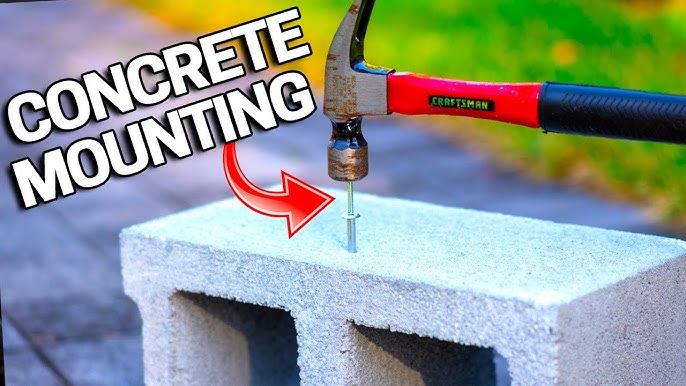
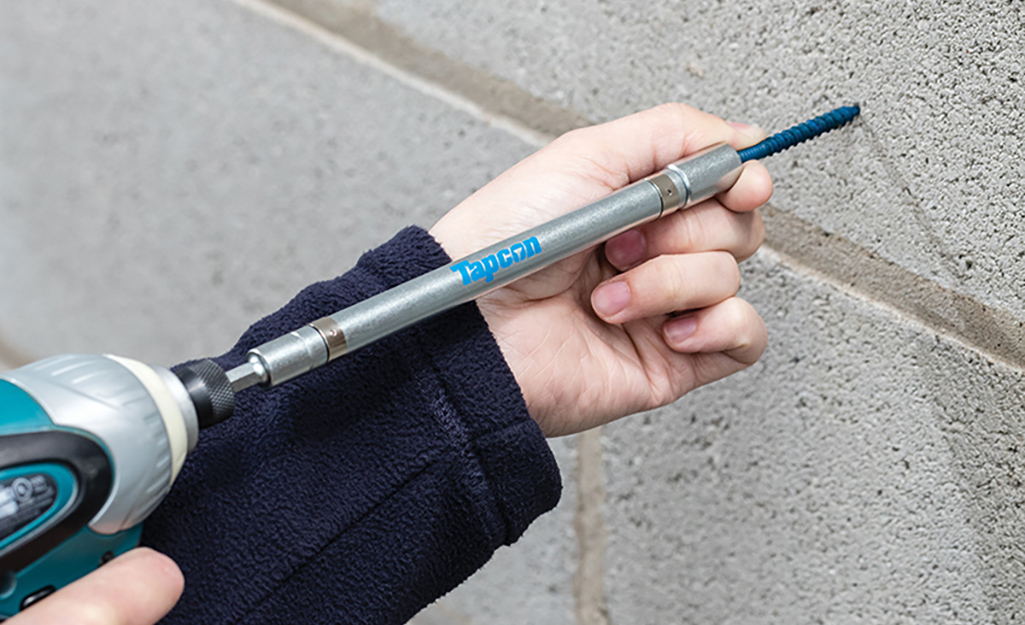
There are several anchors made for concrete block walls. Sleeve anchors expand inside the hole for a tight fit. Wedge anchors use a metal clip that tightens with the bolt. Plastic anchors are simple and cheap, best for light loads. Tapcon screws drill directly into the block for medium strength. Each type suits different weights and tasks.
Factors To Consider For Selection
Consider the weight of the item you want to hang. Heavier items need stronger anchors like wedge or sleeve anchors. Check if the block is hollow or solid. Hollow blocks may need anchors that spread inside the cavity. Wall thickness matters too; thin walls require smaller anchors. Also, think about moisture and weather conditions. Some anchors resist rust better than others.
Credit: www.youtube.com
Preparing The Wall Surface
Preparing the wall surface is a key step before anchoring into a concrete block wall. This step ensures the anchor holds securely. It also prevents damage to the wall. Proper preparation saves time and effort later.
Focus on cleaning and inspecting the area first. A clean surface helps the anchor stay firm. Inspection finds any weak spots or cracks. These issues need fixing before drilling.
Cleaning And Inspecting The Area
Start by removing dirt and dust from the wall. Use a brush or cloth to wipe the surface. Avoid using water as it may weaken the concrete block. Check the wall for cracks, chips, or loose blocks. Small cracks can grow and cause anchor failure. Mark any damaged areas to avoid placing anchors there.
Marking Anchor Points
Decide where to place the anchors carefully. Use a pencil or chalk to mark spots on the wall. Measure twice to ensure correct spacing and alignment. Make sure the marks are on solid parts of the block. Avoid edges or corners of blocks. Clear and accurate marks guide drilling and keep anchors strong.
Drilling Into Concrete Blocks
Drilling into concrete blocks needs care and the right tools. Concrete blocks are strong but can crack if drilled wrongly. Correct drilling makes sure your anchors hold tight and last long.
Selecting The Proper Drill And Bit
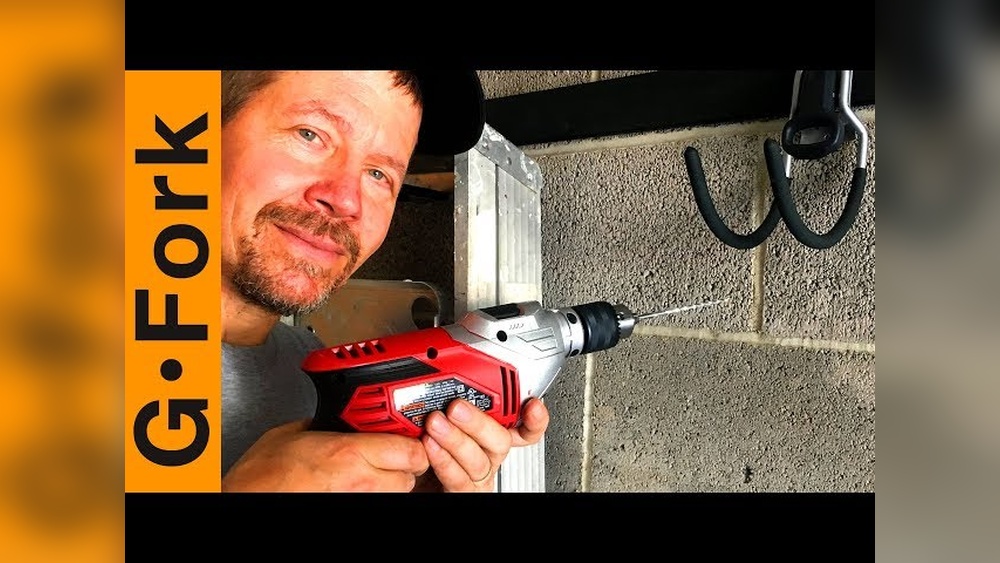
Use a hammer drill for concrete blocks. It helps break the hard surface faster. Choose a carbide-tipped masonry bit. This bit cuts through concrete with less effort. Match the bit size to the anchor size. Too small or too big can cause weak holds.
Drilling Techniques For Stability
Mark the spot before drilling to stay accurate. Start drilling at low speed to avoid slipping. Increase speed as the bit digs in. Drill straight, not at an angle, for a strong hold. Clear dust from the hole often to keep drilling smooth. Stop once the hole is deep enough for the anchor.
Installing Different Anchor Types
Installing anchors into a concrete block wall requires choosing the right type. Different anchors work best for different tasks and wall conditions. Knowing how to install each type helps ensure a strong hold and safety.
Expansion Anchors
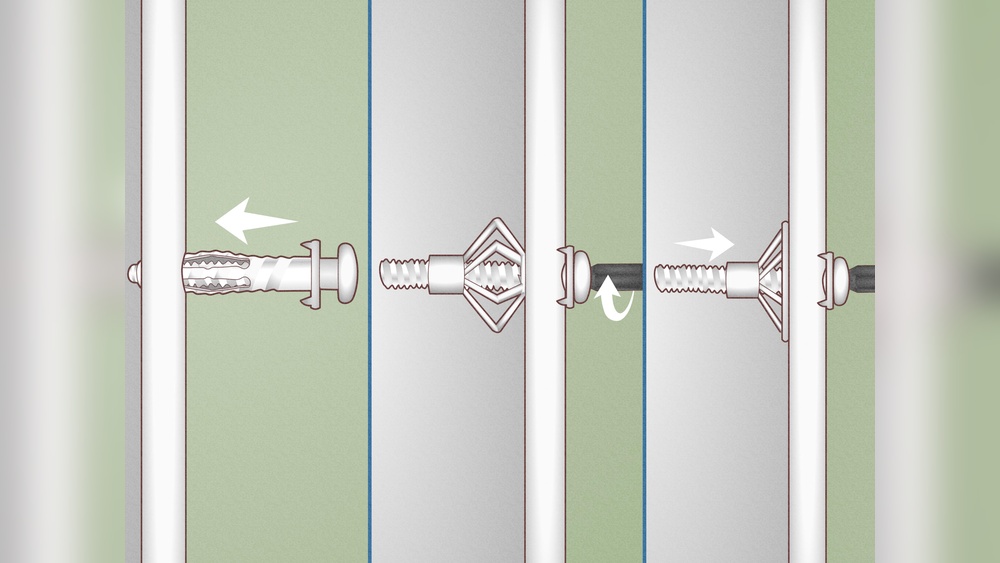
Expansion anchors work by expanding inside the hole drilled in the concrete block. Drill a hole slightly larger than the anchor. Insert the anchor and tighten the bolt or screw. This causes the anchor to expand and grip the wall. They are good for medium loads and simple installations.
Sleeve Anchors
Sleeve anchors are similar to expansion anchors but offer more strength. Drill a hole matching the anchor size. Place the anchor inside and tighten it. The sleeve expands against the hole walls. They hold heavy items well and resist vibration.
Concrete Screws
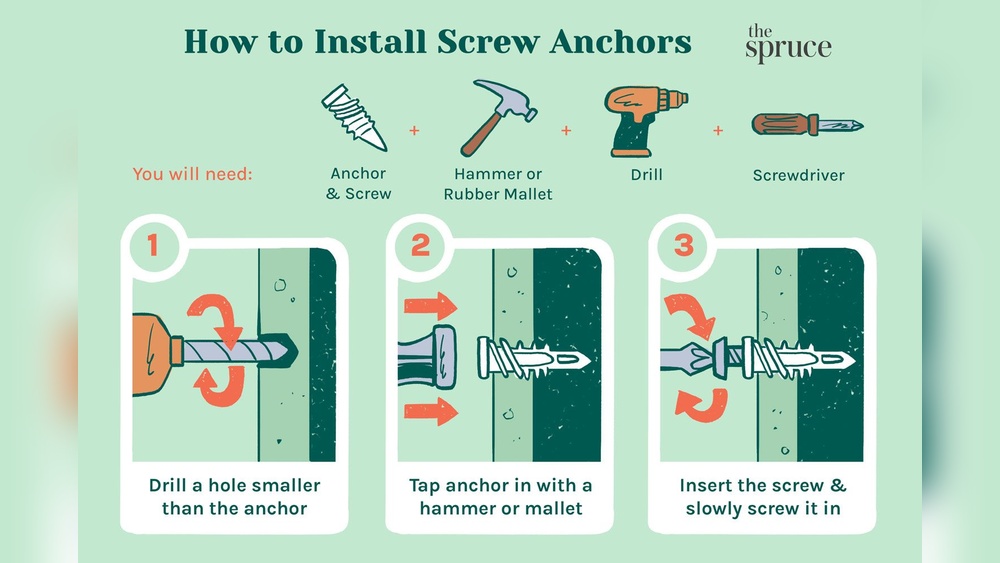
Concrete screws are easy to install and remove. Drill a pilot hole first, then drive the screw into the hole. These screws create their own grip in the concrete block. Use them for light to medium loads. They work well for fixtures and brackets.
Adhesive Anchors
Adhesive anchors use special glue to fix bolts inside the wall. Drill a hole and clean out dust. Inject the adhesive and insert the anchor rod. Wait for the glue to cure before loading. These anchors provide very strong holding power. They suit heavy loads and irregular holes.
Ensuring Secure Attachment
Ensuring a secure attachment is key to strong, lasting anchors in concrete block walls. The right technique stops anchors from loosening or failing over time. Careful tightening and testing help confirm the anchor holds tight.
Follow clear steps to make sure your anchors stay stable and safe. This gives you confidence in your project’s strength and reliability.
Tightening And Setting Anchors
Start by inserting the anchor fully into the drilled hole. Use a wrench or screwdriver to turn the anchor slowly. Tighten it until you feel solid resistance. Avoid over-tightening to prevent damage to the wall or anchor.
Setting the anchor correctly expands it inside the block for a firm grip. Check that the anchor does not move or wiggle after tightening. This step ensures the anchor will hold weight securely.
Testing For Stability
After tightening, test the anchor’s hold with gentle pressure. Push or pull lightly to check for any movement. No wiggle means the anchor is stable and ready to use.
Try adding the load gradually to avoid sudden stress on the anchor. If the anchor holds steady, your attachment is safe. If it shifts, retighten or replace the anchor before continuing.
Credit: www.homedepot.com
Common Mistakes To Avoid
Anchoring into a concrete block wall can be tricky without the right technique. Many beginners make simple mistakes that weaken the hold or damage the wall. Avoiding these errors ensures a strong, lasting anchor.
Overdrilling Or Underdrilling
Drilling too deep or too shallow causes problems. Overdrilling can break the block or make the hole too big. Underdrilling means the anchor won’t fit properly. Use a drill bit that matches the anchor size. Measure the depth carefully before drilling.
Using Incorrect Anchors
Not all anchors work for concrete blocks. Some are made for drywall or wood. Using the wrong type leads to poor grip and failure. Choose anchors designed for masonry. Plastic sleeve anchors or wedge anchors work best in block walls.
Ignoring Weight Limits
Every anchor has a weight limit. Overloading an anchor risks pulling it out of the wall. Check the weight capacity before installation. Always select anchors rated for the object’s weight. Safety depends on proper load handling.
Maintenance And Safety Tips
Anchoring into a concrete block wall is only part of the job. Keeping the anchors safe and strong takes effort. Regular care prevents accidents and extends the life of your anchors. Follow simple steps to maintain and check your anchors often.
Regular Inspection
Check your anchors every few months. Look for cracks or signs of rust. Loose anchors can cause serious problems. Use a flashlight to see inside holes. Make sure anchors stay tight and stable. Early checks help avoid bigger repairs later.
Handling Repairs
Fix small problems quickly. Tighten loose screws or bolts. Replace rusty or damaged anchors right away. Use proper tools and wear safety gear. If the wall shows cracks, do not ignore them. Call a professional if damage is severe or unclear.
:max_bytes(150000):strip_icc()/ways-to-attach-things-to-cinder-block-walls-5080521_expansion-bolts-7b88082a12c547ffb58efec11542101d.jpg)
Credit: www.thespruce.com
Frequently Asked Questions
How Do You Anchor Into A Concrete Block Wall?
To anchor into a concrete block wall, drill a pilot hole first. Use masonry anchors or sleeve anchors for secure fastening. Insert the anchor, then tighten the screw or bolt to ensure a strong hold in the concrete block.
What Tools Are Needed For Anchoring Concrete Blocks?
Essential tools include a hammer drill with a masonry bit, anchors, screws or bolts, a screwdriver or wrench, a measuring tape, and a pencil. These tools help drill precise holes and securely fasten anchors into the concrete block wall.
Can You Anchor Heavy Objects To Concrete Block Walls?
Yes, you can anchor heavy objects using heavy-duty anchors like wedge anchors or sleeve anchors. Ensure the anchor size and type match the weight and wall thickness for maximum strength and safety.
How Deep Should Anchors Go Into Concrete Blocks?
Anchors should penetrate at least 1. 5 to 2 inches into the concrete block for a secure hold. Depth depends on anchor type and load requirements but always follow manufacturer guidelines for best results.
Conclusion
Anchoring into a concrete block wall takes care and the right tools. Choose the right anchor for your project. Drill carefully to avoid cracks and damage. Tighten anchors just enough to hold firmly. Test the strength before hanging anything heavy.
With these steps, your anchor will hold strong and safe. Simple actions lead to lasting results. Now you can hang items with confidence and ease.