If you own a Dodge Ram 1500, knowing how to safely lift it with a floor jack is a skill you can’t afford to miss. Whether you’re changing a tire or working on your truck, the right lifting technique keeps you safe and makes the job easier.
In this guide, you’ll discover simple, step-by-step instructions to jack up your Dodge Ram 1500 without stress or risk. Stick with me, and you’ll gain the confidence to handle this task like a pro every time.
Safety Precautions
Safety is the top priority when jacking up your Dodge Ram 1500. Taking the right steps helps prevent accidents and injuries. It also protects your truck from damage. Follow these important safety precautions to ensure a smooth and secure lifting process.
Choosing A Level Surface
Select a flat, hard surface before you start. Avoid slopes, dirt, or gravel. A level surface keeps your truck stable. It prevents the floor jack from slipping. This step sets a strong foundation for safe lifting.
Engaging The Parking Brake
Always apply the parking brake firmly. This stops the truck from moving. It works as an extra safety layer. Engaging the brake keeps the vehicle steady during the lift. Never skip this simple but crucial step.
Using Wheel Chocks
Place wheel chocks on the wheels opposite to the jack. They block the wheels from rolling. Wheel chocks add more stability to your truck. This reduces the risk of accidental movement. Use them every time you lift your Dodge Ram 1500.
Tools And Equipment Needed
Jacking up a Dodge Ram 1500 safely requires the right tools and equipment. Having the proper gear ensures stability and avoids damage. This section outlines what you need before starting the job.
Selecting The Right Floor Jack
Choose a floor jack that supports the weight of your Dodge Ram 1500. The truck is heavy, so pick a jack with at least a 3-ton capacity. Low-profile jacks fit better under the truck’s frame. A hydraulic floor jack offers smooth lifting and better control. Check the jack’s lifting range to make sure it reaches your truck’s lifting points easily.
Supporting Stands And Accessories
Never rely on the jack alone to hold the truck up. Use sturdy jack stands to support the weight safely. Pick stands rated for at least 3 tons. Position them under solid frame parts, not under suspension or loose parts. Wheel chocks help prevent the truck from rolling. Use them on the wheels that stay on the ground. A flashlight or work light helps you see clearly under the truck.
Locating Jack Points On Dodge Ram 1500
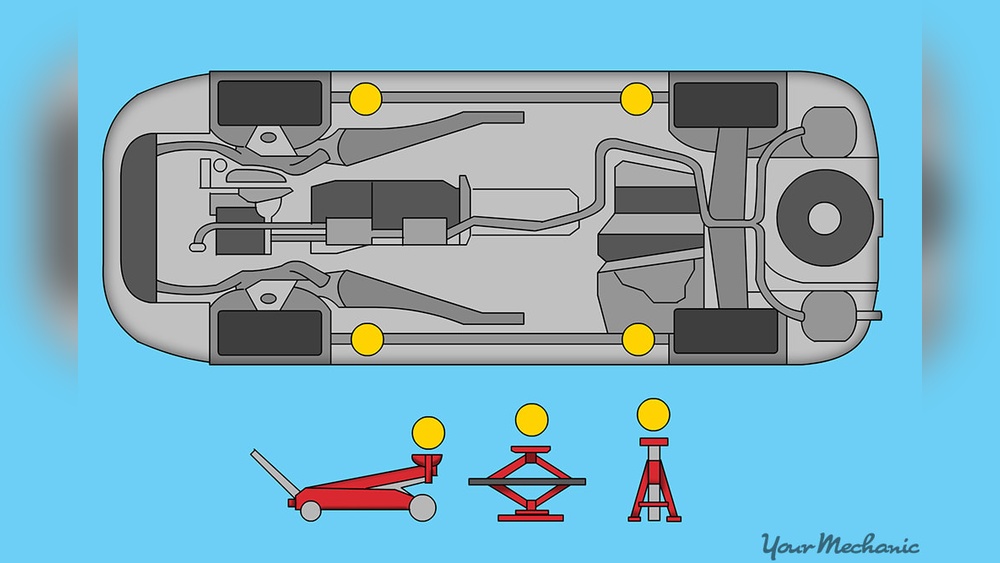
Knowing the correct jack points on your Dodge Ram 1500 is very important. Using the right spots keeps your truck safe and stable. It also protects the frame and other parts from damage. This guide helps you find the front and rear jack points easily. Follow these simple tips to lift your truck with confidence.
Front Jack Points
The front jack points are usually near the frame rails under the truck. Look for solid metal areas behind the front wheels. These spots are strong enough to hold the truck’s weight. Avoid using plastic parts or suspension components. The factory frame rails near the front crossmember are the safest places. Place your floor jack pad under these rails. Make sure the jack sits flat and steady before lifting.
Rear Jack Points
The rear jack points are located on the frame rails near the rear axle. Check under the truck behind the rear wheels. You will see solid metal sections designed for lifting. These points keep the truck balanced when raised. Never lift from the bumper or exhaust parts. Position your floor jack under the rear frame rails. Confirm the jack is secure before raising the truck. This method ensures a safe and stable lift every time.
Preparing The Dodge Ram 1500 For Lifting
Preparing your Dodge Ram 1500 for lifting is a crucial step for safety and efficiency. Proper preparation helps avoid accidents and damage to your truck. Taking time to get everything ready makes the lifting process smoother and safer.
Start by clearing the area around your truck. Make sure you have enough space to work. Also, check that the ground is firm and level. This prevents the jack from slipping or tilting.
Removing Loose Items
Remove all loose items from inside and outside the truck. Loose tools or parts can fall and cause injury. Clear the bed of the truck and the floor inside the cab. Check under seats and in storage compartments for any small objects. Securing or removing these items keeps the work area safe.
Ensuring Vehicle Stability
Park the Dodge Ram 1500 on a flat surface. Engage the parking brake firmly. Place wheel chocks behind the wheels that will stay on the ground. This stops the truck from rolling. Double-check that the truck does not move before lifting. Stable positioning is essential for safe lifting with a floor jack.
Positioning The Floor Jack
Positioning the floor jack correctly is crucial for safety and effectiveness. Proper placement prevents damage to your Dodge Ram 1500. It also ensures the truck lifts steadily without slipping.
Take time to find the right spot before lifting. This reduces risks and makes the process smoother. The floor jack must sit firmly under strong parts of the truck.
Aligning With Jack Points
Locate the factory jack points under your Dodge Ram 1500. These points are designed to hold the truck’s weight safely. Check your owner’s manual for exact locations.
Place the floor jack directly under one of these jack points. Make sure the jack’s lifting arm is centered under the point. This alignment keeps the truck balanced during lifting.
Adjusting Jack Saddle
The jack saddle is the part that contacts your truck. Adjust it to fit snugly against the jack point. Some saddles have grooves or pads to improve grip.
Turn the saddle or raise it slightly to match the truck’s shape. A proper fit prevents slipping and protects the vehicle’s frame. Double-check the saddle before starting to lift.

Credit: www.reddit.com
Lifting The Vehicle Safely
Raising your Dodge Ram 1500 with a floor jack needs care and focus. Safety is the top priority. Follow clear steps to avoid accidents and damage. A steady lift protects both you and the truck.
Use the right tools and check the truck’s balance before lifting. Take your time. Lift the vehicle smoothly and steadily. This helps keep the truck stable and secure.
Pumping The Jack Handle
Place the floor jack under the correct lifting point. This is usually near the truck’s frame. Pump the jack handle slowly and evenly. Watch the truck as it rises. Stop if you see any sudden shifts or sounds. Smooth pumping keeps the vehicle steady and prevents slips.
Checking Vehicle Stability
Once the truck is lifted, check its balance carefully. The truck should not rock or move. Give the truck a gentle push. If it feels unstable, lower it and reposition the jack. Add jack stands for extra support. Never rely only on the floor jack to hold the truck up.
Securing With Jack Stands
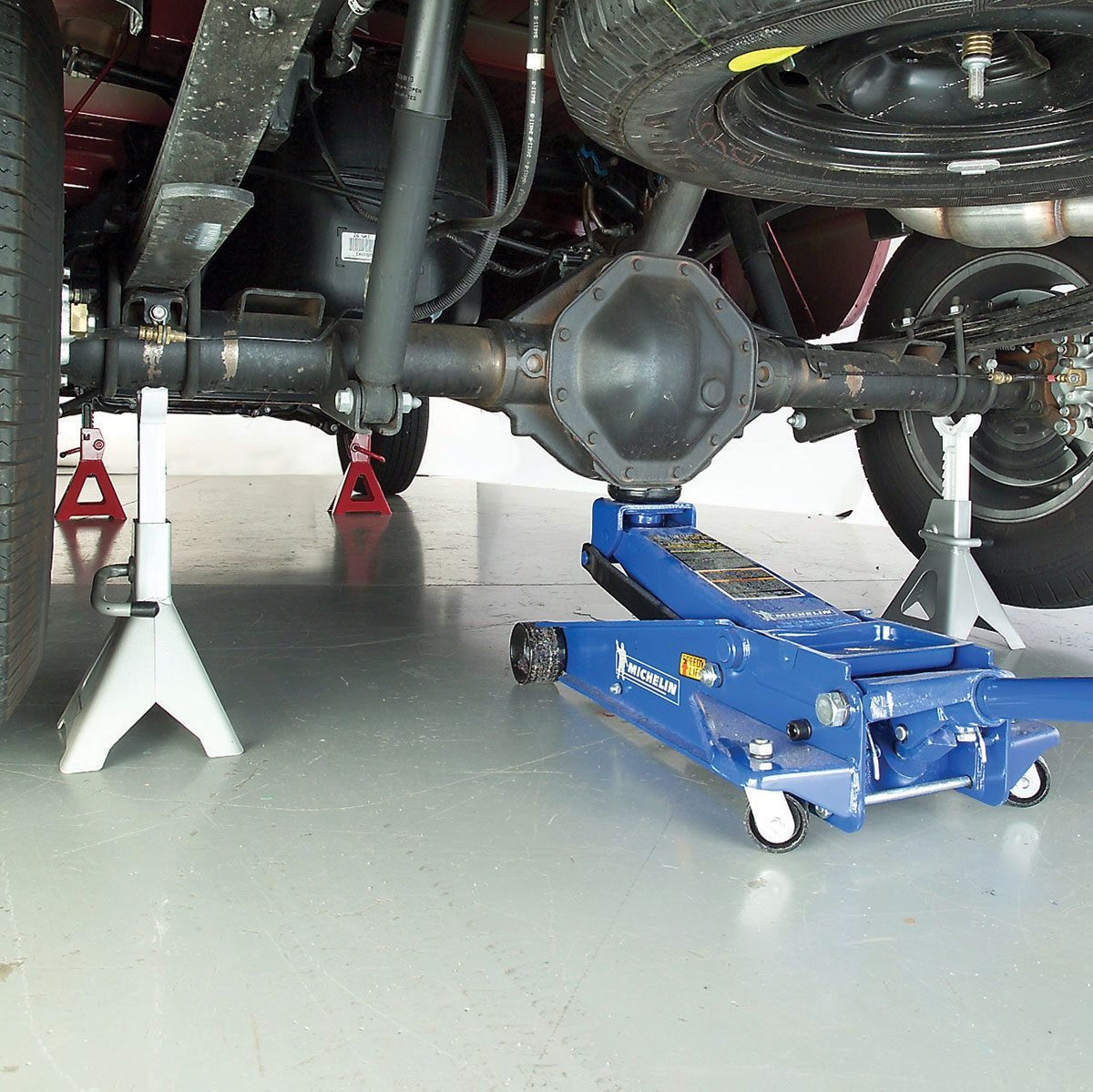
Securing your Dodge Ram 1500 with jack stands is a critical safety step after lifting it with a floor jack. Jack stands hold the vehicle steady and prevent it from falling. This makes working under the truck safer and easier. Always use jack stands on a flat, solid surface to avoid accidents. Never rely on the floor jack alone to support your vehicle.
Placing Stands Under Frame
Locate strong points on the truck’s frame to place the jack stands. The frame rails under the truck’s body are best. Avoid placing stands on the axle or suspension parts. Use the manufacturer’s manual if unsure about stand placement. Position the stands evenly on both sides of the truck. This balance keeps the vehicle stable.
Lowering The Vehicle Onto Stands
Slowly lower the floor jack until the truck rests on the jack stands. Check that each stand fits firmly under the frame. Make sure the vehicle weight is evenly distributed on the stands. Give the truck a slight shake to confirm stability. Only remove the floor jack after the truck is fully supported.
Lowering The Dodge Ram 1500
Lowering your Dodge Ram 1500 safely is a key step after using a floor jack. It needs care and attention to avoid damage or injury. Take your time and follow the right steps.
First, make sure the truck is stable on the jack stands. These supports hold the weight securely while you work. Removing them correctly helps the truck settle smoothly back to the ground.
Removing Jack Stands
Stand clear of the truck’s path. Slowly lift the truck slightly with the floor jack. This action takes weight off the jack stands. Now, carefully pull the jack stands out from under the truck. Keep your hands and feet clear. Double-check the truck is still supported by the floor jack before moving on.
Slowly Releasing The Floor Jack
Turn the release valve on the floor jack very slowly. This lowers the truck gently. Watch the truck as it descends to avoid sudden drops. Stop if anything feels unstable. Once the truck rests firmly on the ground, remove the floor jack. Your Dodge Ram 1500 is now safely lowered and ready to drive.
Common Mistakes To Avoid
Jacking up your Dodge Ram 1500 with a floor jack requires care and attention. Avoiding common mistakes ensures your safety and protects your vehicle. Mistakes can cause accidents or damage. Focus on the right steps for a smooth job.
Here are two major mistakes to avoid when using a floor jack.
Ignoring Safety Measures
Safety comes first. Never skip wearing gloves and eye protection. Make sure the truck is on a flat, firm surface. Use wheel chocks to stop the truck from rolling. Always set the parking brake before jacking. Never get under the truck without jack stands. Relying only on the floor jack is very dangerous. Take your time to secure everything properly.
Incorrect Jack Placement
Placing the jack in the wrong spot can damage your truck or cause it to slip. Locate the jacking points under the Dodge Ram 1500. These points are strong enough to hold the vehicle’s weight. Avoid placing the jack near plastic parts or the exhaust. Position the jack saddle directly under the frame or axle. Check that the jack is stable before lifting. Double-check the jack placement every time.
Credit: www.familyhandyman.com
Maintenance Tips For Floor Jack
Keeping your floor jack in good shape is key to safe and easy lifting. Proper maintenance helps your floor jack last longer and work better. Small checks and good habits prevent breakdowns and accidents.
Regular Inspection
Check your floor jack before each use. Look for leaks around the hydraulic parts. Make sure the wheels roll smoothly. Test the handle for easy movement. Tighten any loose bolts or nuts. Replace worn or damaged parts fast. Regular inspection keeps the jack safe and reliable.
Proper Storage
Store your floor jack in a dry, clean place. Avoid places with moisture to stop rust. Keep it off the ground on a shelf or mat. Lower the jack fully before storing to ease pressure. Cover it to protect from dust and dirt. Proper storage keeps the jack ready for the next use.

Credit: www.reddit.com
Frequently Asked Questions
How Do I Safely Jack Up A Dodge Ram 1500?
Position the floor jack under the truck’s frame or recommended jacking points. Use wheel chocks on opposite wheels. Pump the jack slowly to lift the vehicle evenly. Avoid placing any body parts under the truck during lifting.
What Floor Jack Is Best For Dodge Ram 1500?
Choose a floor jack with a lifting capacity of at least 3 tons. A low-profile jack works best for the Dodge Ram 1500’s ground clearance. Hydraulic floor jacks offer smooth lifting and are highly recommended.
Where Is The Correct Jacking Point On A Dodge Ram 1500?
Use the manufacturer’s manual to locate jacking points. Typically, the frame rails behind the front wheels or just ahead of the rear wheels are safe spots. Avoid lifting from the oil pan or suspension components.
Can I Use A Floor Jack Alone To Lift The Truck?
No, always use jack stands after lifting. Floor jacks are for lifting only, not supporting. Jack stands provide stable support, preventing accidents while you work under the truck.
Conclusion
Jacking up your Dodge Ram 1500 with a floor jack is simple and safe. Follow each step carefully to avoid damage or injury. Always use jack stands for extra support after lifting. Double-check the jack’s position under the frame. Take your time and work on flat ground.
This process helps with tire changes and vehicle inspections. Stay cautious and confident while working on your truck. Practice makes the task easier over time. Now, you are ready to handle your Dodge Ram safely.