Are you struggling to hang heavy items on your walls without worrying about them falling down? Knowing how to install a toggle bolt wall anchor can be a game-changer for your home projects.
These anchors hold strong in drywall and hollow walls, giving you the confidence to mount shelves, mirrors, or even TVs securely. In this guide, you’ll learn simple, step-by-step instructions that anyone can follow, no matter your experience level. Keep reading, and you’ll soon have the skills to make your walls hold up exactly what you need.
Choosing The Right Toggle Bolt
Choosing the right toggle bolt is important for a strong and safe hold on your wall. The wrong bolt can cause damage or fail to support the item. It is essential to match the toggle bolt to your wall type and the weight of the object. This guide helps you find the best toggle bolt for your project.
Types Of Toggle Bolts
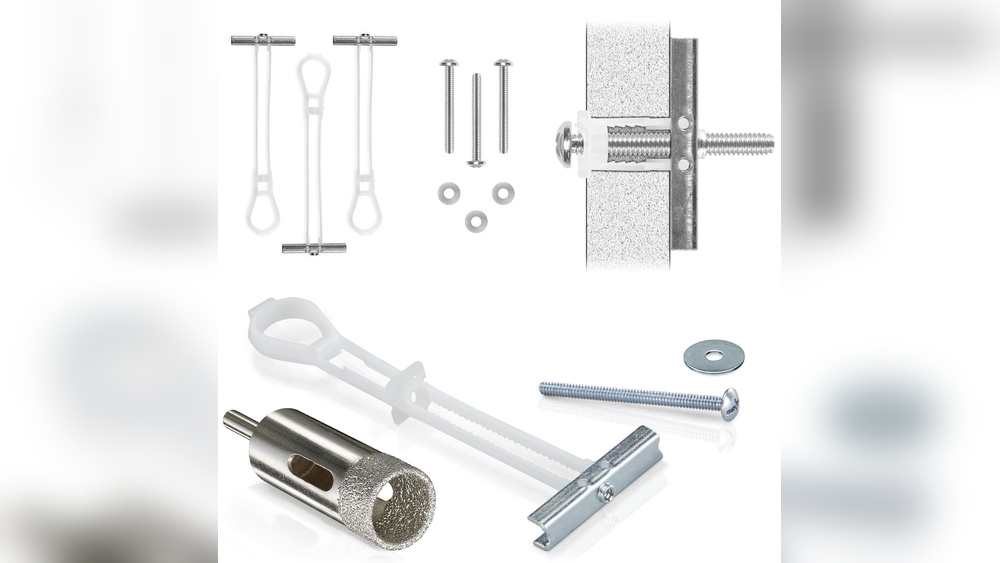
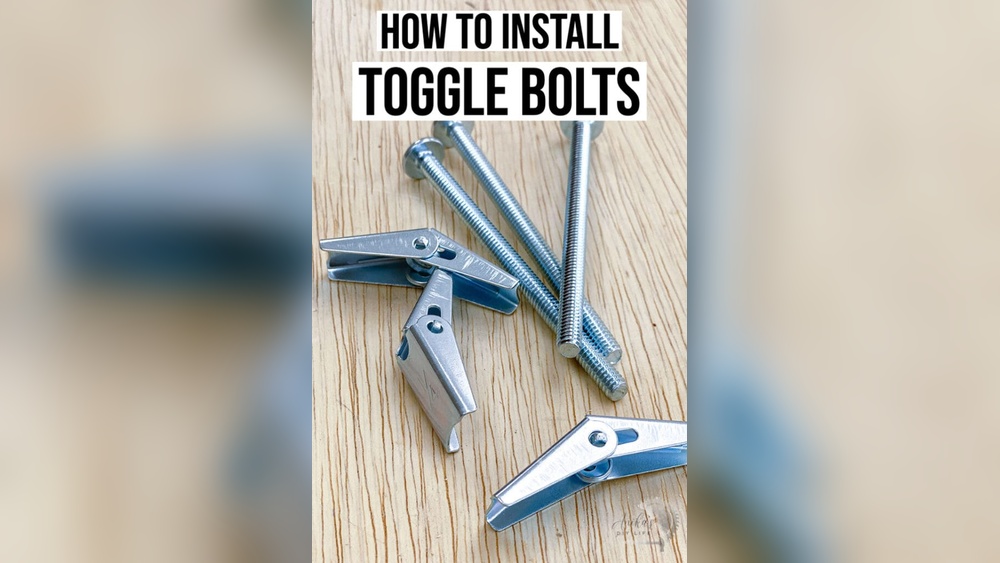
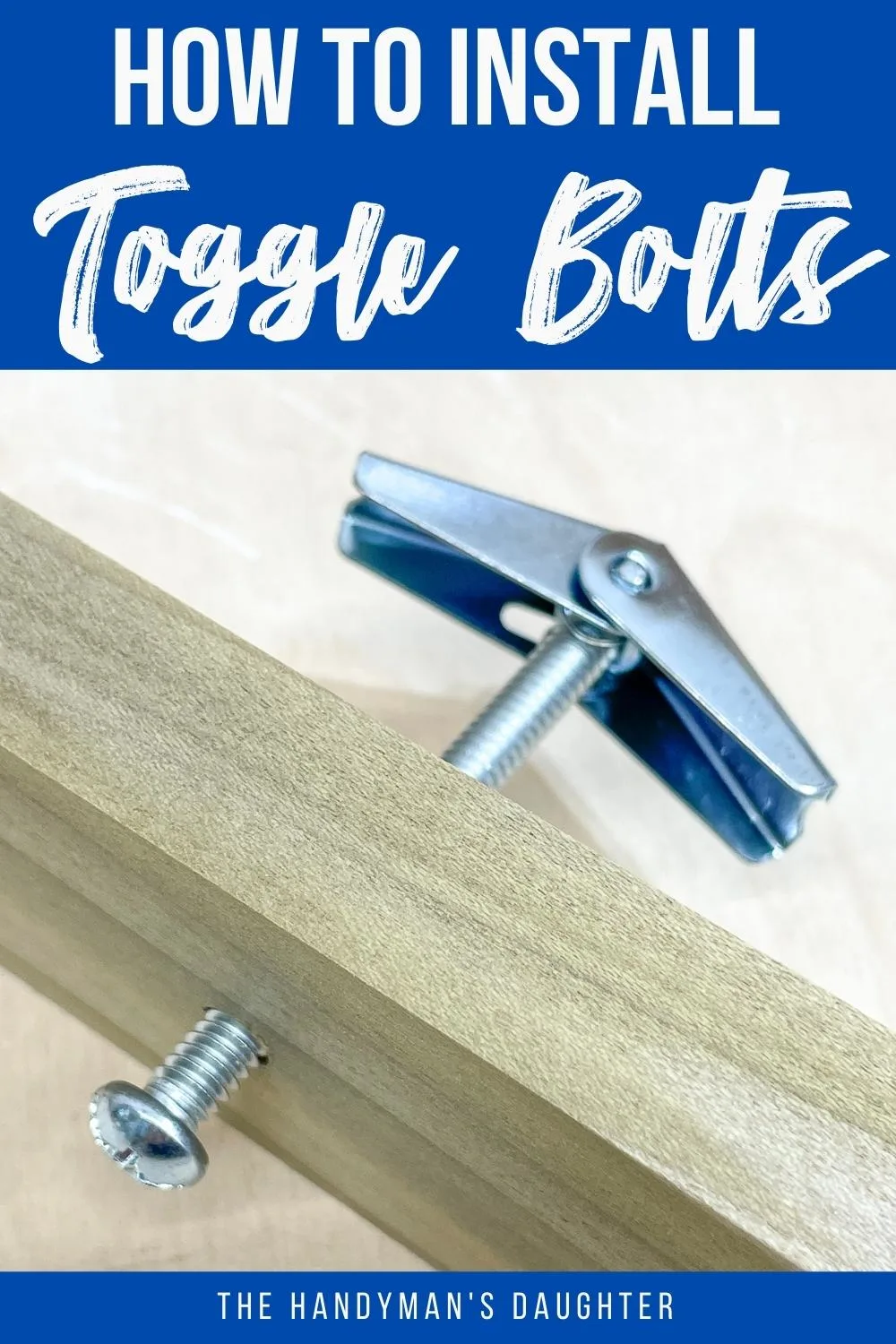
Toggle bolts come in several types. The most common are spring toggle bolts and snap toggle bolts. Spring toggle bolts have wings that open inside the wall. Snap toggle bolts have a metal bar that snaps in place. Choose the type that fits your wall and the hole size.
Weight Capacity Considerations
Each toggle bolt has a weight limit. Check this limit before buying. Choose a bolt that can hold more than the weight of your object. This gives extra safety. Heavy items need strong, larger bolts. Light items can use smaller bolts.
Material And Size Selection
Toggle bolts come in steel, zinc, and other metals. Steel bolts are strong and good for heavy loads. Zinc bolts resist rust and work well indoors. Size matters too. Longer bolts fit thicker walls. Thicker bolts hold more weight. Pick the size that fits your wall and load.
Tools And Materials Needed
Gathering the right tools and materials makes installing toggle bolt anchors easier. You need items that fit the job and keep you safe. Prepare these before starting your project for smooth work.
Essential Tools
- Drill with a bit matching the toggle bolt size
- Screwdriver or drill bit driver
- Measuring tape or ruler
- Pencil for marking drill spots
- Level to ensure straight installation
Safety Equipment
- Safety goggles to protect your eyes from dust
- Work gloves for hand protection
- Dust mask to avoid inhaling particles
Additional Supplies
- Toggle bolts with wings that fit your wall thickness
- Screws that fit the toggle bolts
- Wall anchors for added support if needed
- Drop cloth or old newspaper to catch debris
Preparing The Wall
Preparing the wall is the first step for a strong toggle bolt installation. This step makes sure your anchor holds tight and the item stays secure. Taking time now saves trouble later.
Clear and careful preparation helps avoid damage and ensures safety. Follow these simple steps to get your wall ready.
Locating The Installation Spot
Pick the spot where you want to hang or fix your item. Choose a place that can support weight well. Avoid weak or damaged areas on the wall.
Look for studs or solid wall parts to hold the toggle bolt better. A stud finder tool can help find these strong points quickly.
Marking Drill Points
Use a pencil to mark the exact point where you will drill. Mark the spot clearly so you don’t lose it while working. Double-check the position before drilling to avoid mistakes.
Measure twice to keep your marks level and straight. This step ensures the anchor fits perfectly and your item hangs evenly.
Checking For Obstacles
Before drilling, check inside the wall for wires, pipes, or other obstacles. Use a wire detector or similar tool for safety. Avoid drilling into hidden hazards to prevent damage or injury.
Make sure the wall cavity is clear where the toggle bolt will expand. This prevents the bolt from getting stuck or failing to open fully.
Drilling The Hole
Drilling the hole is a key step in installing a toggle bolt wall anchor. The hole must be the right size and clean for the anchor to hold firmly. Careful drilling prevents damage to the wall and ensures a strong fit. Follow these tips to get the hole just right.
Choosing The Right Drill Bit
Select a drill bit that matches the toggle bolt size. Check the anchor package for the correct diameter. Use a bit made for the wall material, like masonry bits for brick or regular bits for drywall. Using the wrong bit can cause a loose fit or wall damage.
Drilling Techniques
Mark the spot clearly before drilling. Hold the drill steady and start slow. Increase speed gradually to avoid cracking the wall. Drill straight into the wall at a 90-degree angle. Do not force the drill; let it work gently. Stop when you reach the correct depth.
Cleaning The Hole
Remove dust and debris from the drilled hole. Use a small brush or blow air inside the hole. A clean hole helps the toggle bolt anchor hold better. Avoid leaving loose particles that weaken the grip. Check the hole size again after cleaning.
Inserting The Toggle Bolt
Inserting the toggle bolt into the wall is a key step in securing heavy objects. It requires careful handling to ensure the toggle opens correctly behind the wall. The process starts with attaching the bolt to the toggle, followed by compressing the toggle to fit through the hole. Finally, the toggle must be pushed fully through the wall to lock in place.
Attaching The Bolt To The Toggle
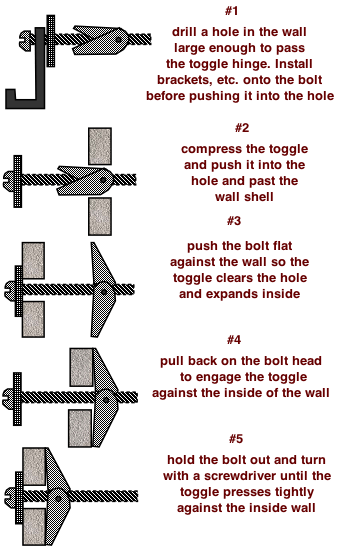
Begin by threading the bolt through the hole in the toggle. Make sure the bolt goes all the way through. The toggle should remain closed at this point. Tighten the bolt slightly to hold the toggle securely. Avoid over-tightening to keep the toggle free to open later.
Compressing The Toggle
Next, squeeze the toggle wings together. Compress the wings so they become narrow. This allows them to fit through the drilled hole in the wall. Use your fingers or pliers for a firm grip. The toggle must stay compressed until it passes inside the wall.
Pushing Through The Wall
Push the compressed toggle into the hole in the wall. Apply steady pressure until the toggle passes through. Once inside, the wings will spring open automatically. Pull back gently on the bolt to feel the toggle lock against the back of the wall. The toggle is now ready to hold weight securely.
Credit: www.do-it-yourself-help.com
Securing The Bolt
Securing the toggle bolt is a key step in the installation process. It ensures your fixture stays firmly attached to the wall. This section explains how to expand the toggle, tighten the bolt, and check the hold strength. Follow these steps carefully for a secure fit.
Expanding The Toggle
Push the toggle wings through the hole in the wall. Once inside, the wings open wide behind the drywall. This expansion stops the bolt from pulling out. Make sure the wings are fully open before tightening.
Tightening The Bolt
Turn the bolt clockwise using a screwdriver. Pull the bolt gently while tightening. This pulls the toggle wings snug against the wall’s backside. Tighten until the fixture feels solid and does not move.
Ensuring A Strong Hold
Check the fixture by giving it a light pull. It should not wiggle or shift. If it moves, tighten the bolt a little more. A strong hold keeps your items safe on the wall.
Testing The Installation
Testing the installation of a toggle bolt wall anchor is a crucial step. It ensures the anchor holds firmly and safely supports weight. This step helps avoid accidents and damage to your walls.
Applying Load Gradually
Start by adding weight slowly to the anchor. Use light objects or tools first. This prevents sudden stress that could loosen the anchor. Watch carefully how the wall and anchor respond.
Checking For Movement
Look closely for any wiggle or shift in the anchor. Try to move the attached item gently. If there is noticeable movement, the anchor might not be secure. A firm hold means the installation is solid.
Adjusting If Necessary
If the anchor moves, tighten the bolt carefully. Remove the item and check if the toggle wings are fully expanded inside the wall. Reinstall the anchor properly for a better grip. Repeat testing until stable.
Credit: www.thehandymansdaughter.com
Common Mistakes To Avoid
Installing toggle bolt wall anchors might seem easy. Yet, many make simple mistakes that can cause problems. Avoiding these common errors saves time and keeps your items secure. Learn what to watch out for to get the best results.
Incorrect Hole Size
Drilling the wrong hole size is a big mistake. A hole too small makes it hard to insert the toggle bolt. A hole too large means the anchor won’t hold tightly. Use the drill bit size recommended on the anchor package. This ensures a proper fit and strong hold.
Overtightening The Bolt
Turning the bolt too much can damage the wall or anchor. Tighten just enough to keep the anchor secure. Over-tightening can strip the bolt threads or break the anchor wings. Stop when you feel resistance and the item is firmly in place.
Ignoring Weight Limits
Each toggle bolt has a weight limit. Exceeding it risks the anchor pulling out. Check the package for the maximum weight the anchor can hold. Use multiple anchors for heavier items. This keeps your wall safe and prevents accidents.
Maintenance Tips
Proper maintenance keeps toggle bolt wall anchors secure and reliable. Simple steps help avoid damage and ensure long-lasting support. Regular checks and timely fixes protect your walls and items.
Periodic Inspection
Check toggle bolts every few months. Look for signs of rust, wear, or movement. Tighten any loose bolts carefully. Early detection stops bigger problems.
Handling Loose Bolts
Loose bolts reduce anchor strength. Use a screwdriver to tighten them gently. Avoid over-tightening to prevent wall damage. If tightening does not help, consider replacement.
Replacing When Needed
Remove anchors that no longer hold well. Choose the right size and type for replacements. Follow installation steps carefully for best results. Proper replacement keeps walls safe and secure.

Credit: www.youtube.com
Frequently Asked Questions
What Tools Are Needed To Install Toggle Bolt Anchors?
You need a drill, drill bit, screwdriver, and toggle bolt anchors. These tools help create holes and secure the anchor firmly. Using the correct size drill bit ensures a tight fit and strong hold for your installation.
How Do Toggle Bolt Anchors Hold Heavy Items?
Toggle bolts have spring-loaded wings that open behind the wall. This spreads the load over a larger area, providing strong support. They are ideal for hanging heavy objects on drywall or hollow walls safely.
Can Toggle Bolts Be Used On Drywall Only?
Toggle bolts work best on drywall and hollow walls. They are not suitable for solid concrete or brick walls. For solid walls, use anchors designed specifically for masonry or concrete to ensure proper support.
What Size Toggle Bolt Should I Choose?
Choose a toggle bolt size based on the weight of the item. Larger bolts hold heavier items securely. Always check the weight rating on the packaging before installation for safety.
Conclusion
Installing a toggle bolt wall anchor is simple and effective. It holds heavy items securely on drywall. Remember to choose the right size for your project. Drill a proper hole and insert the toggle carefully. Tighten the bolt without overdoing it.
This method saves time and effort. It works well for shelves, mirrors, and more. Practice makes perfect, so don’t rush. Try it yourself and see the difference. Strong support is just a few steps away.