Have you ever tried hanging something on your drywall, only to have the screw pull out or the item fall down? It’s frustrating, right?
That’s where wall anchors come in. But how do wall anchors work on drywall to keep your shelves, pictures, and decorations secure? Understanding this simple tool can save you time, money, and hassle. Keep reading, and you’ll discover how to choose and use the right wall anchors so your walls hold strong every time.

Credit: www.picturehangsolutions.com
Types Of Wall Anchors
Wall anchors help secure objects to drywall. They come in different types for different jobs. Each type works in a unique way to hold weight safely. Choosing the right anchor is key for a strong hold.
Plastic Expansion Anchors
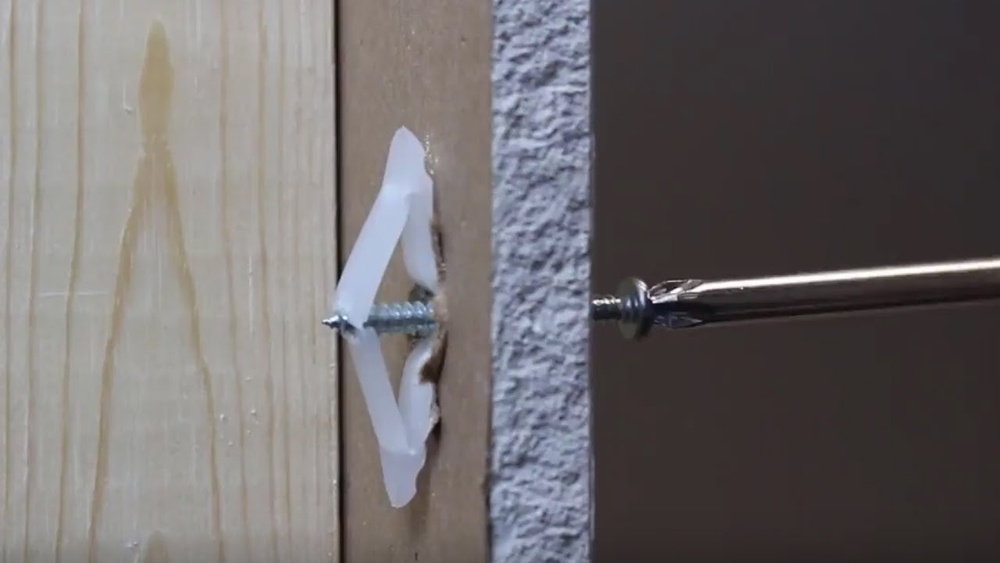
Plastic expansion anchors are common and easy to use. Insert them into a drilled hole in drywall. As you screw in, the anchor expands and grips the wall. Best for light to medium loads like pictures or small shelves.
Self-drilling Anchors
Self-drilling anchors do not need a pre-drilled hole. Screw them directly into drywall with a screwdriver. They create their own path and hold firmly. Good for medium loads and quick installation.
Toggle Bolts
Toggle bolts have metal wings that open inside the wall. Insert them through a drilled hole, then the wings spread out behind drywall. They support heavy objects like shelves or mirrors. Very strong but need a larger hole.
Molly Bolts
Molly bolts are metal anchors that expand inside the wall. Insert into a drilled hole and tighten the screw. The anchor legs spread to hold firmly. Suitable for medium to heavy items, offering a secure grip.
Threaded Drywall Anchors
Threaded drywall anchors screw into drywall without pre-drilling. They have threads that grip the wall tightly. Ideal for medium loads and easy to install. Often used for hanging frames or curtain rods.

Credit: www.wikihow.com
How Drywall Holds Anchors
Understanding how drywall holds anchors is key to hanging items securely. Drywall is a common wall material but it is not very strong by itself. Anchors help spread the weight of objects to avoid damage. This section explains how drywall supports anchors and what makes it work well.
Drywall Composition And Strength
Drywall consists of a soft core made from gypsum. It is covered by paper on both sides. This material is lightweight and easy to cut. However, it is brittle and can break under pressure. Drywall alone does not hold heavy objects well. The strength depends on thickness and quality.
Load Distribution Mechanism
Anchors spread the load over a wider area of drywall. This reduces pressure on one small spot. The load moves from the screw to the anchor. Then, it transfers to the drywall surface. This helps prevent cracks or holes. Proper load distribution keeps the wall intact.
Role Of Anchor Design
Anchor designs vary to match different loads and wall types. Some anchors expand behind the drywall for a stronger grip. Others use wings or flanges to hold in place. The shape helps push against drywall paper and gypsum core. Good design improves holding power and safety.
Installation Steps
Installing wall anchors in drywall requires careful steps for a strong hold. Each step ensures the anchor supports weight properly and stays in place.
Follow these steps to install wall anchors with confidence and safety. The right preparation and tools make the job easier.
Choosing The Right Anchor
Select an anchor based on the wall material and the item’s weight. Plastic anchors work for light items. Metal or toggle anchors hold heavier objects. Check packaging for weight limits.
Preparing The Wall
Clear the wall area of dust and dirt. Mark the exact spot where you want to install the anchor. Use a pencil for a small, clear mark. This helps in precise drilling.
Drilling The Hole
Pick a drill bit size matching the anchor’s diameter. Drill a hole straight into the wall at the marked spot. Keep the drill steady to avoid damage. Clean out dust from the hole afterward.
Inserting The Anchor
Push the anchor gently into the drilled hole. Tap lightly with a hammer if needed. The anchor should fit snugly and flush with the wall surface. Avoid forcing it hard to prevent wall cracks.
Securing The Fastener
Place the screw or fastener into the anchor’s center. Tighten it slowly with a screwdriver. Stop when it feels firm and secure. Do not overtighten, as it can damage the anchor or drywall.
Weight Limits And Safety
Knowing the weight limits and safety of wall anchors is very important. Drywall alone cannot hold heavy items. Wall anchors help spread the load, but each anchor has limits. Using anchors beyond their capacity can cause damage or accidents. Understanding these limits helps keep your walls and belongings safe.
Anchor Weight Ratings
Every wall anchor has a weight rating. This rating shows the maximum load the anchor can hold safely. Weight ratings vary by type and size of anchor. Always check the package or product details before use. Do not guess the strength of an anchor.
Typical plastic anchors hold around 10 to 25 pounds. Metal or toggle anchors can hold much more. Use anchors that match or exceed the weight of your item. This prevents wall damage and falling objects.
Factors Affecting Strength
Several factors affect an anchor’s strength. Drywall thickness plays a big role. Thicker drywall supports more weight. The type of anchor matters too. Some anchors grip the drywall better than others.
Installation method is key. Poorly installed anchors hold less weight. Always follow instructions for drilling and inserting anchors. The weight distribution of the hung item also affects strength. Spread weight evenly to avoid overload.
Tips For Heavy Items
Heavy items need stronger anchors or extra support. Use toggle bolts or molly bolts for better grip. Consider finding a wall stud to screw into. Studs offer the best support for heavy loads.
Use multiple anchors to share the weight. Space anchors apart to reduce stress on one spot. Avoid hanging very heavy items on drywall alone. Use proper anchors or wall reinforcements to keep things safe.
Common Mistakes To Avoid
Wall anchors help hold items on drywall safely. Many people make simple errors that weaken their hold. Avoiding these mistakes keeps your items secure and your walls safe.
Using Wrong Anchor Types
Each anchor fits a different weight and wall type. Using the wrong anchor can cause it to fail. Choose anchors made for drywall, not wood or concrete. Light anchors hold light items. Heavy anchors support heavier objects. Match anchor type to your project needs.
Overtightening Fasteners
Too much pressure can break the drywall or anchor. Tighten screws just enough to hold the item. Stop when you feel resistance. Over-tightening pulls the anchor out or damages the wall. A gentle but firm twist is enough.
Ignoring Wall Condition
Old or damaged drywall may not hold anchors well. Check for cracks, holes, or softness before installing. Repair damaged areas first. Anchors in weak spots can fall out easily. Good wall condition makes anchors more effective and safer.
Maintenance And Removal
Maintaining wall anchors and removing them properly helps keep drywall safe. Anchors can loosen over time. Regular checks stop damage before it starts. Removing anchors carefully prevents holes and cracks.
Checking Anchor Stability
Check anchors by gently wiggling the item they hold. No movement means the anchor is stable. If it feels loose, tighten screws or replace the anchor. Loose anchors can damage drywall or cause falls.
Safe Removal Techniques
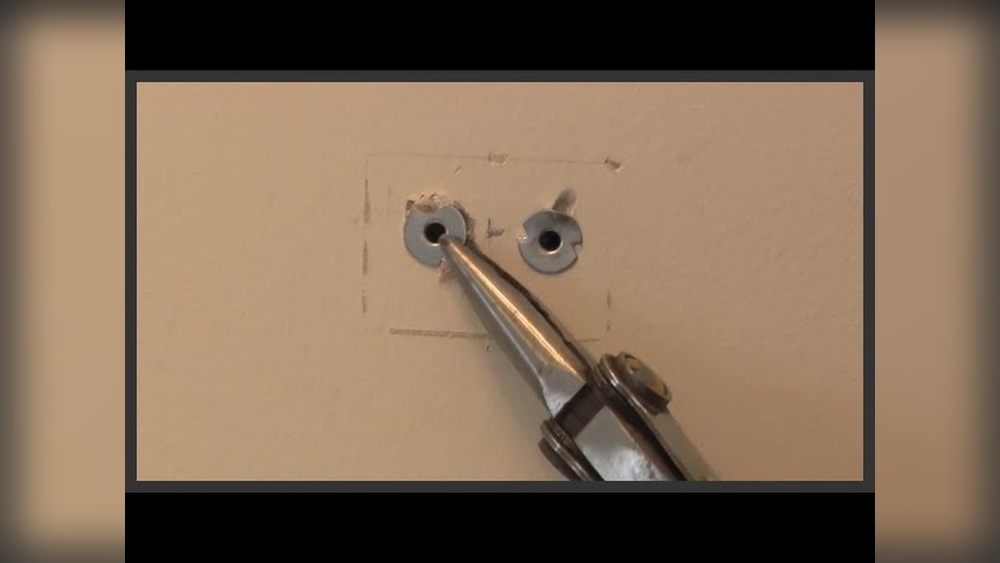
Turn the screw counterclockwise to remove it first. Pull the anchor out slowly with pliers if it is loose. For stubborn anchors, push them into the wall carefully. Avoid pulling hard to stop drywall damage.
Repairing Wall Damage
Fill small holes with spackle or wall filler. Smooth the surface with a putty knife. Let it dry, then sand it gently for a clean finish. Paint over the repair to match the wall color.

Credit: hauslloguer.com
Frequently Asked Questions
What Are Wall Anchors Used For On Drywall?
Wall anchors provide extra support when hanging items on drywall. They prevent screws from pulling out. Anchors distribute weight evenly, ensuring stability. They are essential for heavy or valuable items.
How Do Plastic Wall Anchors Work On Drywall?
Plastic anchors expand inside the drywall when a screw is inserted. This expansion grips the drywall firmly. It creates a secure hold for hanging objects. They are easy to install and suitable for light loads.
Can Wall Anchors Hold Heavy Items On Drywall?
Yes, certain wall anchors like toggle bolts can hold heavy items. They spread the load over a larger area behind the drywall. This prevents damage and ensures strong support. Always choose anchors rated for your item’s weight.
How Do Toggle Bolt Anchors Function On Drywall?
Toggle bolts have spring-loaded wings that open inside the wall cavity. These wings create a wide grip behind the drywall. This design offers superior holding power for heavy objects. They require larger holes but provide excellent stability.
Conclusion
Wall anchors hold screws tightly in drywall. They spread weight to prevent damage. Different types fit different needs and walls. Choosing the right anchor keeps items secure. Always follow instructions for best results. Drywall anchors make hanging easier and safer.
Small effort can protect your walls well. Understanding how anchors work helps you fix things right.