Are you tired of struggling to hang items on your hard walls without leaving damage or holes? Hard wall hooks could be the simple solution you need.
But how do you use them correctly to get the best results? In this guide, you’ll discover easy steps and insider tips to make your walls work for you. Whether it’s for your kitchen, bedroom, or office, you’ll learn how to hang anything securely and neatly.
Keep reading to unlock the secrets of hard wall hooks and transform your space effortlessly.

Credit: www.amazon.com
Types Of Hard Wall Hooks
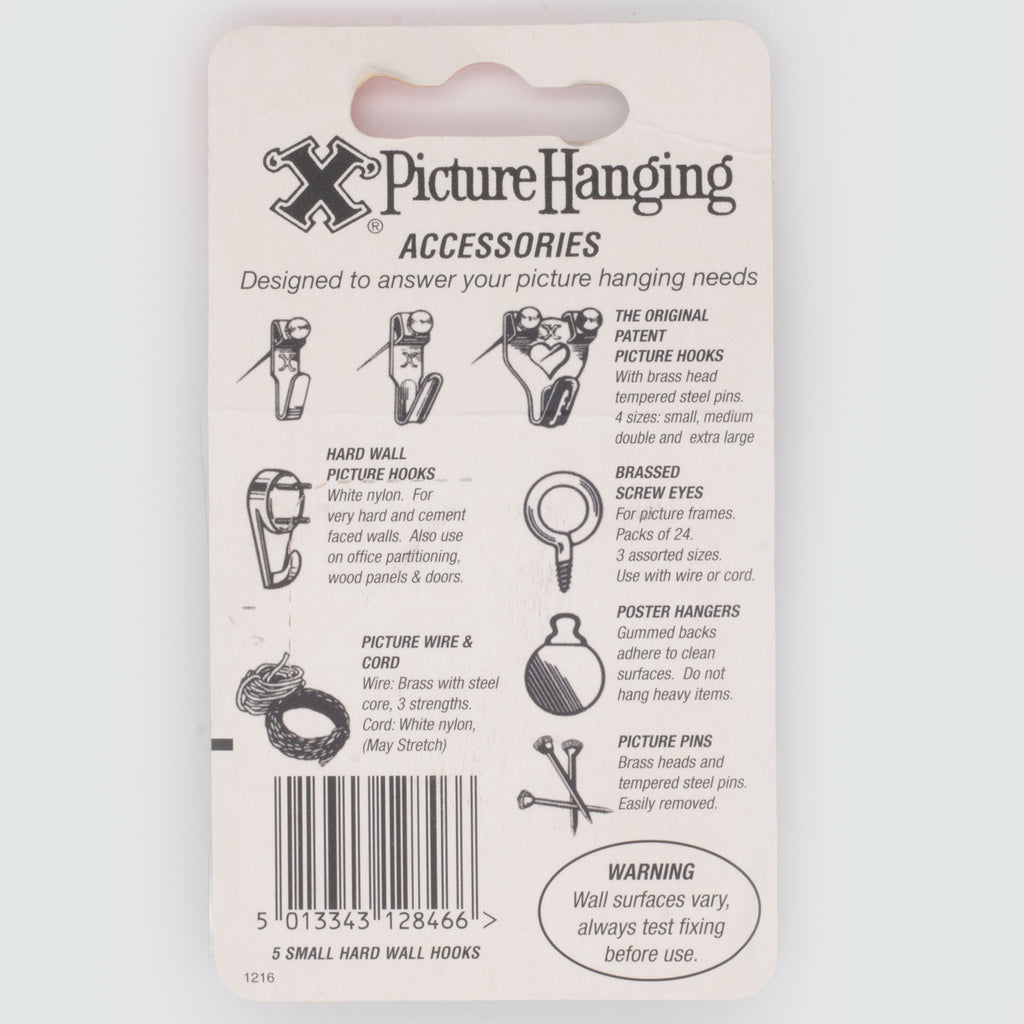
Hard wall hooks are essential for organizing and decorating your space. They hold items securely on solid walls like concrete, brick, or plaster. Different types of hooks suit various needs and wall surfaces. Knowing the right type helps you hang items safely and cleanly.
Adhesive Hooks
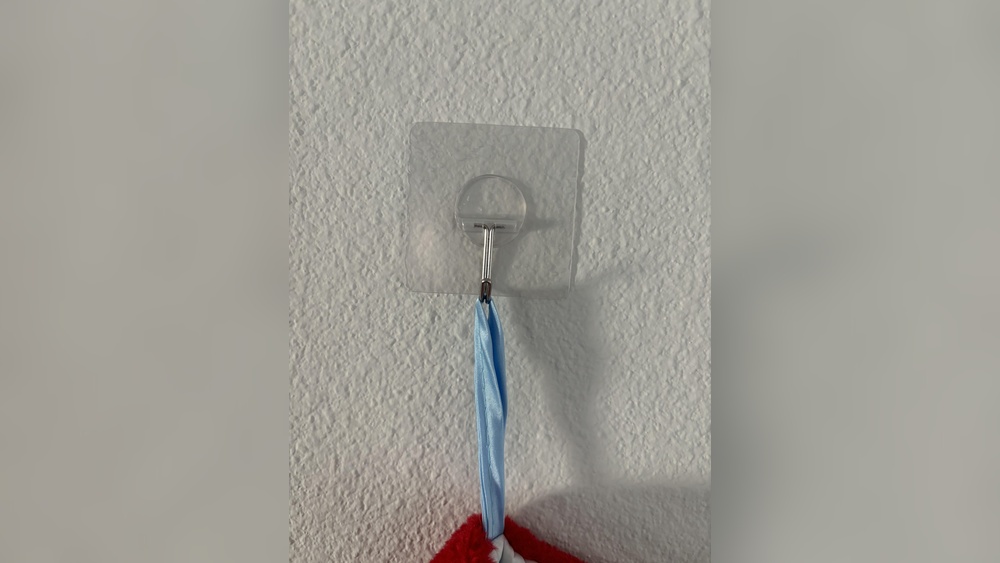
Adhesive hooks use sticky pads to attach to walls. They do not need drilling or screws. These hooks are easy to install and remove. Perfect for lightweight items like keys or small decorations. Avoid using them for heavy objects. Clean the wall surface before applying for best grip.
Screw-in Hooks
Screw-in hooks need a drill or screwdriver for installation. They provide strong support for heavier items. Commonly used for hanging tools, bags, or plants. Choose the right size screw for your wall type. Use wall plugs for extra hold in masonry walls.
Magnetic Hooks
Magnetic hooks stick to metal surfaces only. They are quick to use and remove without damage. Ideal for metal doors, cabinets, or appliances. Not suitable for brick or concrete walls. Check the magnet strength to hold your items safely.
Command Strips
Command strips combine adhesive pads with hooks or clips. They remove cleanly without leaving marks. Great for renters or temporary setups. Suitable for smooth, hard surfaces like painted walls. Follow package instructions to avoid damage and ensure strong hold.
Choosing The Right Hook
Choosing the right hard wall hook matters for strong and safe hanging. The right hook supports your items well. It fits your wall type and looks good too. This helps your space stay neat and organized. Consider three key points before picking a hook.
Weight Capacity
Check the hook’s weight limit. It must hold the items you want to hang. Light hooks break under heavy weight. Heavy-duty hooks suit big items like coats or bags. Always choose a hook that carries more weight than your item.
Wall Material Compatibility
Match the hook to your wall type. Drywall, brick, and concrete need different hooks. Some hooks need anchors for better hold. Using the wrong hook can damage the wall. Know your wall before buying a hook.
Hook Design And Style
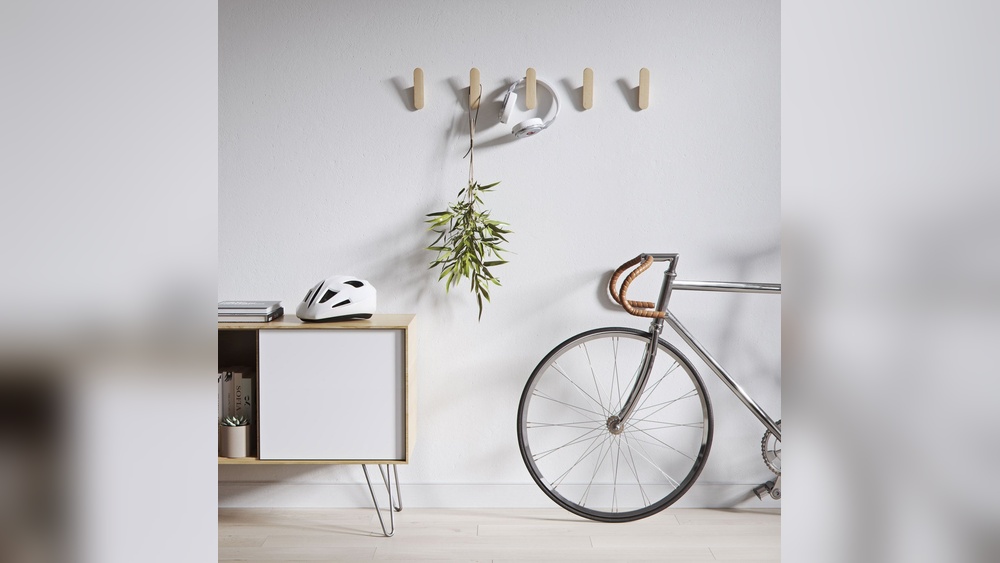
Pick a hook that fits your room’s look. Hooks come in many shapes and colors. Choose one that blends or stands out nicely. Design matters if the hook is visible. A good style makes your space look tidy and nice.
Tools Needed For Installation
Installing hard wall hooks requires some basic tools. These tools help you fix the hooks firmly and safely. Using the right tools makes the job easier and faster.
Gathering these tools before starting saves time. It also helps avoid mistakes during installation.
Drill And Drill Bits
A drill is needed to make holes in the wall. Choose drill bits that match the hook’s screws. Use a smaller bit for a pilot hole. This helps prevent wall damage and keeps screws tight.
Screwdrivers
Screwdrivers are essential to tighten the hook screws. Use the right type: flathead or Phillips. This ensures the screws go in smoothly. Avoid using the wrong screwdriver, which can strip screws.
Measuring Tools
Measuring tools help place hooks at the right height and distance. A tape measure works well for this. Mark the spots clearly before drilling. This keeps hooks aligned and functional.
Level
A level ensures hooks are straight. Hang a level on the wall before drilling. This prevents crooked hooks. Straight hooks look better and hold items safely.
Preparing The Wall Surface
Preparing the wall surface is the first step to hang hard wall hooks properly. A smooth, clean, and secure wall helps the hooks hold better. Take time to get the wall ready. This makes sure the hooks stay in place for a long time.
Cleaning The Area
Start by cleaning the wall where you will place the hook. Use a damp cloth to remove dust, dirt, and grease. Clean walls help the adhesive or screws stick better. Let the wall dry completely before moving on.
Marking Hook Placement
Decide where to put the hooks. Use a pencil to mark the exact spots. Measure carefully to keep hooks level and spaced evenly. Clear marks make the installation easier and more accurate.
Checking For Studs Or Pipes
Use a stud finder to locate wooden studs or metal pipes inside the wall. Hooks hold better when attached to a stud. Avoid drilling into pipes to prevent damage. Knowing what is behind the wall keeps the process safe and secure.
Step-by-step Installation
Installing hard wall hooks can be simple and quick. This guide helps you install different types of hooks safely. Follow each step carefully for the best results.
Installing Adhesive Hooks
Clean the wall surface with rubbing alcohol. Let it dry completely. Peel off the backing from the adhesive. Press the hook firmly against the wall. Hold it for 30 seconds to secure. Wait one hour before hanging items.
Mounting Screw-in Hooks
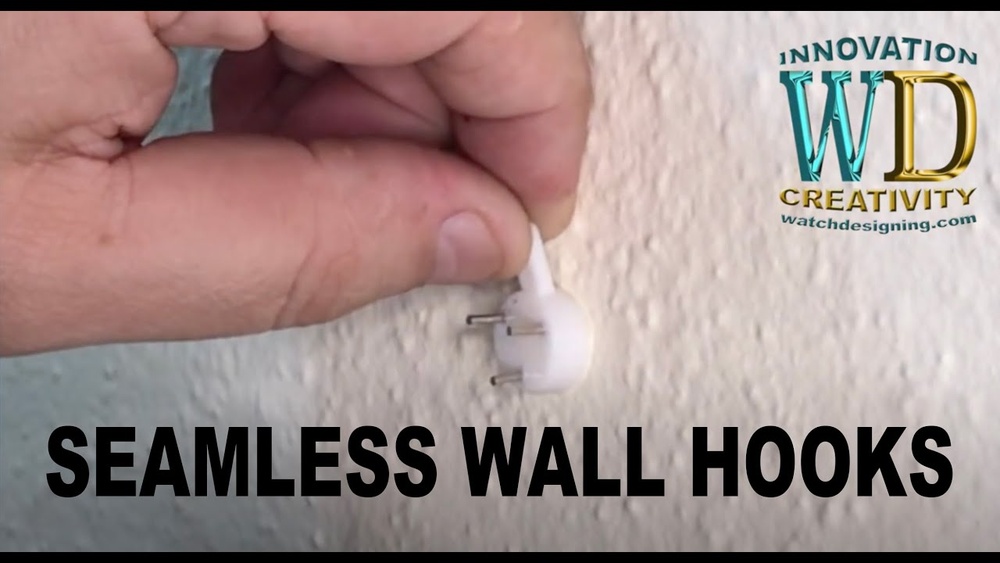
Mark the spot on the wall for the hook. Use a drill to make a small pilot hole. Insert the screw-in hook and twist it clockwise. Turn until the hook is tight and secure. Check if the hook feels stable before use.
Using Magnetic Hooks
Choose a magnetic hook with strong magnets. Place the hook on a metal surface. Adjust the position until it sits firmly. Test by pulling gently to ensure it holds. Avoid using on surfaces with weak metal.
Applying Command Strips
Clean the wall with rubbing alcohol. Let it dry completely. Separate the Command Strip halves and press them together. Stick one half on the hook and the other on the wall. Press both sides firmly for 30 seconds. Wait one hour before hanging anything.
Tips For Secure Hook Placement
Placing hard wall hooks securely matters for long-lasting use. Good placement keeps your walls safe and holds items firmly. Follow these tips to install hooks that stay put and protect your walls.
Avoiding Wall Damage
Use the right tools for your wall type. Drill pilot holes to prevent cracks. Avoid hammering directly on hard walls. Choose hooks with protective pads to reduce marks. Check for wires or pipes behind the wall before drilling.
Even Weight Distribution
Hang items evenly across hooks. Spread heavy items over multiple hooks. Balance weight to stop hooks from pulling out. Use strong hooks for heavier objects. Test the hook strength before full use.
Proper Hook Spacing
Space hooks according to item size. Leave enough room for easy hanging. Avoid crowding hooks too close together. Proper spacing stops items from overlapping or falling. Measure before placing hooks for best results.
Common Installation Mistakes
Installing hard wall hooks might seem easy. Many make common mistakes that cause damage or failure. These errors reduce the hook’s strength and lifespan. Knowing these mistakes helps you avoid problems and get better results.
Ignoring Weight Limits
Each hook has a weight limit. Exceeding this limit can make the hook fall. Heavy items need strong, heavy-duty hooks. Always check the weight limit before hanging anything. Never guess or assume the hook can hold more.
Poor Surface Preparation
Clean and dry the wall before installing hooks. Dust, paint flakes, or grease reduce hook grip. Rough surfaces may need sanding to smooth them. Proper preparation ensures the hook sticks firmly. Skipping this step causes the hook to loosen fast.
Incorrect Tool Use
Use the right tools for drilling or fixing hooks. Wrong tools can damage walls or hooks. A drill bit too large or small causes loose holes. Use a level to keep hooks straight. Proper tools make installation easier and safer.

Credit: www.youtube.com
Maintaining And Removing Hooks
Maintaining and removing hard wall hooks helps keep your walls clean and damage-free. Proper care extends the life of your hooks. It also protects your walls from marks or holes. Follow simple steps for cleaning, safe removal, and repair.
Cleaning Hooks And Walls
Wipe hooks with a damp cloth to remove dust. Use mild soap for stubborn dirt. Avoid harsh chemicals that can damage the hook’s finish. Clean the wall area around the hook gently. This prevents stains and keeps the paint fresh. Regular cleaning keeps hooks looking good and working well.
Safe Removal Techniques
Remove hooks slowly to avoid wall damage. Pull the hook straight out or twist gently. Use dental floss or fishing line to cut behind adhesive hooks. This reduces wall marks. Avoid yanking or forcing hooks off. Take your time. This protects paint and drywall from peeling or holes.
Repairing Wall Damage
Fill small holes with spackling paste or wall filler. Smooth the surface with a putty knife. Let it dry completely before sanding lightly. Touch up with matching paint for a clean look. For larger damage, use a patch kit. Repairing quickly keeps walls neat and ready for new hooks.
Credit: scala-santa.com
Frequently Asked Questions
What Are Hard Wall Hooks Used For?
Hard wall hooks are used to hang heavy items like coats, bags, and tools. They provide strong support on solid surfaces such as brick, concrete, or plaster walls.
How Do I Install Hard Wall Hooks Properly?
To install, drill a hole into the hard wall, insert a wall plug, then screw in the hook securely. This ensures stability and prevents damage.
Can Hard Wall Hooks Hold Heavy Weights?
Yes, hard wall hooks are designed to hold heavy weights. Using the right anchors and screws enhances their load-bearing capacity safely.
Are Hard Wall Hooks Suitable For Outdoor Use?
Many hard wall hooks are rust-resistant and suitable for outdoor use. Check product specifications to ensure durability in weather conditions.
Conclusion
Hard wall hooks offer a simple way to organize and decorate your space. They hold items securely and save room on floors and shelves. Choose the right hook for your wall type and weight needs. Installing hooks correctly ensures they stay strong and last longer.
With a little care, hard wall hooks make your home neat and tidy. Give them a try and enjoy a clutter-free area. Easy, practical, and useful—hard wall hooks fit any home.