Are you struggling to remove a Jinshunfa wall hook without damaging your wall? You’re not alone.
These hooks are designed to hold strong, which can make taking them down tricky. But don’t worry—removing your Jinshunfa wall hook can be simple and damage-free when you know the right steps. Keep reading, and you’ll learn exactly how to get the job done quickly and safely, saving your walls and your time.
Preparing For Removal
Preparing to remove a Jinshunfa wall hook is an important first step. Proper preparation makes the process easier and safer. It helps prevent damage to your wall and keeps your space tidy.
This section covers how to get ready for removal. Follow these steps to prepare well before you start.
Gather Necessary Tools
Collect all tools needed for removal. Common tools include a flathead screwdriver, a putty knife, and pliers. You may also need a cloth to protect the wall. Having everything ready saves time and avoids interruptions.
Clear The Area
Remove any items near the wall hook. Clear furniture or decorations that could get in the way. This prevents accidents and gives you enough room to work. A clean workspace helps you focus on the task safely.

Credit: www.amazon.com
Assessing The Wall Hook
Before removing a Jinshunfa wall hook, start by assessing it carefully. This step helps avoid damage to your wall and makes removal easier. Understanding the hook’s design and how it is attached is key. Take your time to observe every detail of the hook and its fixing.
Proper assessment saves effort and prevents mistakes. It also guides you to use the right tools and methods for removal. Let’s break down the assessment into two parts: identifying the hook type and checking how it is attached.
Identify Hook Type
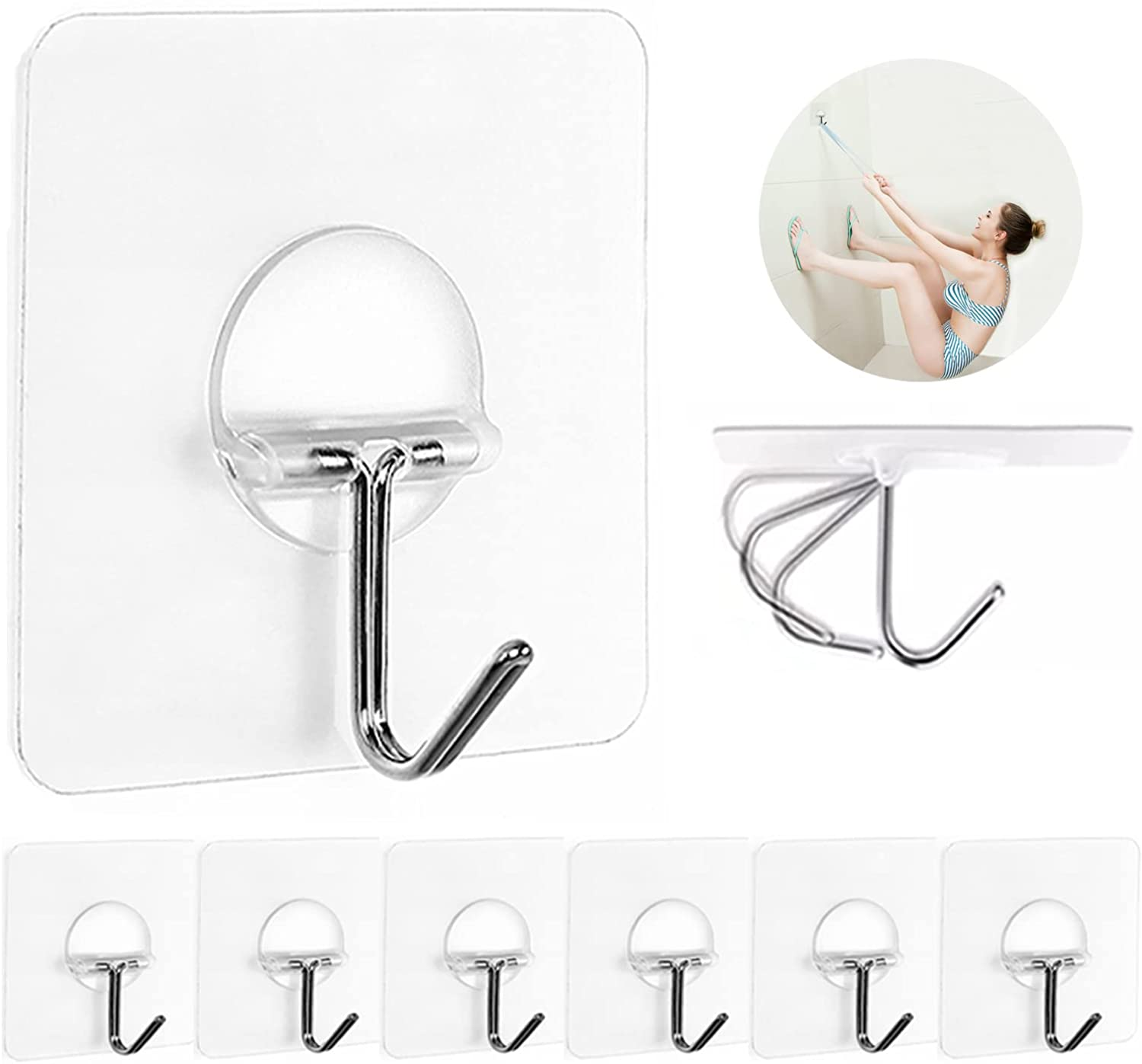
Look closely at the Jinshunfa wall hook shape and size. Some hooks have screws, others use adhesive or nails. Notice if the hook has visible screws or if it looks glued to the wall. The material of the hook might be metal or plastic. Each type needs a different removal approach. Knowing the exact hook type is the first step to remove it safely.
Check Attachment Method
Next, check how the hook is fixed to the wall. Is it screwed in tightly or loosely? Can you see any glue or tape around it? Sometimes, hooks use a combination of screws and adhesive. Gently touch the hook to feel how firm it is. This helps decide if you should unscrew it or pull it off slowly. Careful checking prevents wall damage and makes removal smooth.
Softening Adhesive Or Sealant
Softening the adhesive or sealant is a key step in removing a Jinshunfa wall hook. The glue or sealant holds the hook tightly to the wall. Making it soft helps to remove the hook without damage. There are simple ways to soften it safely at home.
Use Heat Method
Heat can make adhesive soft and easier to peel off. Use a hairdryer on low or medium heat. Hold it close to the hook base for a few minutes. Move the heat source around to warm the entire area. Check if the glue feels softer by gently pressing it. Avoid high heat to prevent wall damage.
Apply Solvent Safely
Some solvents dissolve glue quickly. Rubbing alcohol or vinegar works well for common adhesives. Dab a small amount on a cloth or cotton ball. Gently rub the glue edges around the hook. Let the solvent sit for a few minutes. This softens the adhesive for easy removal. Test solvent on a hidden spot first to avoid wall stains.
Credit: www.ebay.com
Removing The Wall Hook
Removing a Jinshunfa wall hook requires care to avoid wall damage. The hooks stick strongly, so gentle methods work best. Patience helps keep the wall smooth and intact. Follow these steps for safe removal.
Gentle Pulling Techniques
Start by holding the hook firmly. Pull slowly and evenly straight from the wall. Avoid jerking or twisting the hook. Gentle pulling helps loosen the adhesive without tearing paint. If the hook feels stuck, pause. Try pulling from different angles with light force. Keep your hands steady to prevent sudden slips.
Using A Putty Knife Or Card
Slide a thin putty knife or plastic card under the hook’s base. Move it carefully side to side. This action breaks the adhesive bond gently. Work slowly to avoid scratching the wall surface. Use small, controlled movements to ease the hook off. This method helps separate the hook without extra damage.
Cleaning The Wall Surface
After removing a Jinshunfa wall hook, cleaning the wall surface is crucial. This step ensures the wall looks smooth and ready for any next steps. Proper cleaning removes sticky residue and prepares the wall for repainting or repairs. A clean surface helps paint or filler stick well.
Remove Residue
Start by gently scraping off leftover glue or tape. Use a plastic scraper to avoid damaging the wall. Apply a small amount of warm soapy water with a soft cloth. Rub the area carefully to lift sticky spots. For tough residue, try rubbing alcohol on a cotton ball. Wipe the wall dry with a clean cloth.
Prepare For Repainting Or Repair
Check the wall for holes or damage. Fill small holes with spackle or wall filler. Smooth the filler with a putty knife and let it dry. Lightly sand the area to make it even. Wipe away dust with a damp cloth. Now the wall is ready for paint or other repair work.
Preventing Wall Damage
Removing a Jinshunfa wall hook without hurting the wall needs care. Damage like peeling paint or holes can be frustrating. Taking the right steps protects your wall’s look. This keeps your home neat and ready for new hooks or decorations.
Avoiding Common Mistakes
Do not pull the hook too hard. This can rip paint or drywall. Avoid using sharp tools that dig into the wall. Never rush the process. Slow and steady keeps the wall safe. Pulling at the wrong angle can cause damage too.
Tips For Smooth Removal
Heat the hook’s adhesive with a hairdryer. Warm glue becomes soft and easier to remove. Gently twist or slide the hook sideways. Use dental floss or fishing line to cut the glue. Clean leftover glue with warm, soapy water. Pat the wall dry after cleaning. This prevents stains or marks.

Credit: www.ebay.com
Frequently Asked Questions
How Do I Safely Remove A Jinshunfa Wall Hook?
To remove a Jinshunfa wall hook safely, start by loosening any visible screws. Gently pry the hook away using a flat tool. Avoid excessive force to prevent wall damage. Clean the area afterward to remove any residue or marks.
What Tools Are Needed To Remove Jinshunfa Wall Hooks?
You will need a screwdriver, a flat pry tool, and optionally adhesive remover. A soft cloth helps clean the wall after removal. These tools ensure you remove the hook without damaging the wall surface.
Can I Reuse A Jinshunfa Wall Hook After Removal?
Yes, you can reuse a Jinshunfa wall hook if removed carefully. Ensure all adhesive or mounting residue is cleaned. Check for any damage before reinstalling. Proper removal helps maintain the hook’s durability and grip.
How To Avoid Wall Damage When Removing Hooks?
Use gentle prying tools and avoid pulling hooks forcefully. Remove screws or adhesive slowly to prevent paint peeling. If adhesive is used, apply heat to soften it before removal. This preserves your wall’s finish and integrity.
Conclusion
Removing a Jinshunfa wall hook is simple and quick. Use gentle tools to avoid damage. Take your time and follow each step carefully. Clean the wall after removal for best results. Small fixes can make your wall look new again.
Now, you can change or move hooks anytime. Keep these tips handy for future needs. Easy and safe removal saves your wall and effort.