
Have you ever tried to remove a hook from your wall, only to find it stuck tight with no visible adhesive? It can be frustrating when you want to take down hooks without damaging your walls or leaving marks behind.
But don’t worry—you’re about to learn simple, effective ways to remove those hooks safely, even when there’s no adhesive to grab onto. Keep reading, and you’ll discover easy tricks that save your walls and make your space look spotless again.
Types Of Wall Hooks
Wall hooks come in many types. Each type has a different way of attaching to the wall. Knowing these types helps in removing hooks without damage. Some hooks stick with glue, others use nails or screws. Some even use magnets or suction cups. Understanding these will guide you on how to take them off safely.
Adhesive Hooks
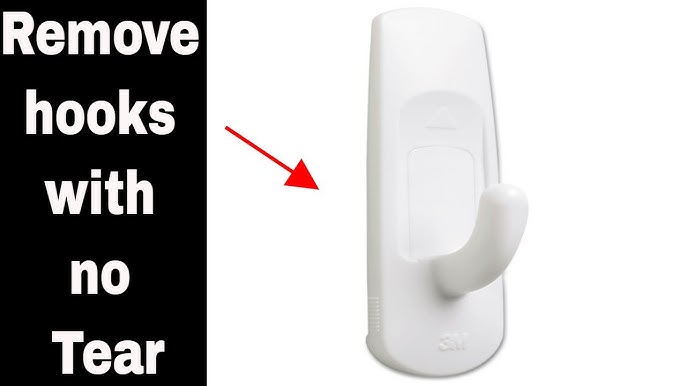
Adhesive hooks stick to the wall using glue. They leave no holes but can be tricky to remove. Pulling them too fast can damage paint or wallpaper. These hooks are popular for light items. They work best on smooth, clean surfaces.
Nail And Screw Hooks
Nail and screw hooks are fixed with hardware. They leave small holes in the wall. Removing these hooks needs tools like a screwdriver or pliers. These hooks hold heavier items well. They work on drywall, wood, and plaster walls.
Magnetic And Suction Hooks
Magnetic hooks stick to metal surfaces. They do not need holes or glue. Suction hooks hold by suction power on smooth surfaces. Both types are easy to remove. They do not harm walls but need flat surfaces to work.

Credit: shayganpharma.com
Signs Of Non-adhesive Hooks
Not all hooks on walls use adhesive to stay in place. Some hooks attach by other methods. Knowing the signs of non-adhesive hooks helps you remove them safely. Avoid damage to your walls and keep surfaces clean.
Visual Inspection Tips
Look closely at the hook and its base. Non-adhesive hooks often have screws, nails, or clips. Check for visible screws at the top or bottom. Hooks with small holes likely use nails or screws. Some hooks have a plastic or metal clip gripping the wall. If you see no sticky residue or tape, the hook is probably non-adhesive.
Testing Hook Attachment
Gently wiggle the hook to feel how it is fixed. A hook that moves slightly may be attached with a screw or nail. Try lifting the hook upwards or sideways. Hooks that slide or lift off easily are not glued. Avoid pulling hard to prevent wall damage. If unsure, use a flashlight to see inside the hook base. This method reveals screws or clips holding the hook.
Tools For Safe Removal
Removing hooks from walls safely requires the right tools. These tools help avoid damage to the wall and make the process easier. Using proper tools ensures the hook comes off cleanly and the wall stays intact.
Basic Household Tools
Many homes have tools that work well for removing hooks. A flathead screwdriver can gently pry the hook away. A butter knife also helps lift the hook without scratching the wall. A pair of pliers offers a strong grip to pull the hook out carefully. Soft cloth or sponge protects the wall surface while you work. These simple tools are easy to find and effective for basic hook removal.
Specialized Removal Tools
Special tools made for wall hook removal can be very useful. A hook removal tool is designed to slide under the hook and lift it gently. A putty knife with a thin edge helps loosen hooks stuck tightly. Wall repair kits often include small tools to remove hooks and fix the holes. These specialized tools reduce the risk of wall damage and make removal quicker.
Credit: www.youtube.com
Step-by-step Removal Methods
Removing hooks from walls without adhesive needs care. Different hooks require different methods for safe removal. This section explains easy steps to take hooks off without damaging the wall. Follow these simple instructions to remove hooks cleanly and quickly.
Removing Nail Or Screw Hooks
Start by checking the hook type. Most nail or screw hooks can be removed with basic tools.
First, hold the hook firmly. Use pliers to grip the hook’s base.
Pull the hook straight out slowly. Avoid twisting to prevent wall damage.
If the hook resists, try using a screwdriver. Unscrew the hook by turning counterclockwise.
Once removed, fill the small hole with spackle. Smooth it to prepare for painting.
Detaching Magnetic Or Suction Hooks
Magnetic hooks detach easily by pulling them away from metal surfaces.
Pull the hook gently but firmly. Avoid jerky movements to protect the wall.
Suction hooks need a different approach. Find the tab or edge of the suction cup.
Lift the tab slowly to break the seal. Pull the hook off gently.
Clean the wall with a damp cloth after removing suction hooks. This clears any leftover marks.
Preventing Wall Damage
Preventing wall damage is important when removing hooks without adhesive. Walls can easily get scratched, chipped, or dented. Taking care during removal saves time and repair costs. It keeps your walls looking neat and clean. Simple steps can help protect your wall’s surface.
Using Protective Pads
Place soft pads between the hook and the wall. Felt or rubber pads work well to avoid scratches. Pads spread the pressure evenly on the wall. This reduces the risk of dents or marks. Protective pads also help if the hook has sharp edges. They create a cushion that keeps the wall safe.
Gentle Removal Techniques
Remove hooks slowly and carefully. Avoid pulling or twisting forcefully. Instead, wiggle the hook gently to loosen it. Use a flat tool like a plastic card to ease it off. This method stops paint from peeling or walls from cracking. Slow and steady is the best way to protect your wall.
Fixing Wall Imperfections
Removing hooks from walls often leaves small holes or marks. Fixing these imperfections helps restore the wall’s smooth look. Simple steps can make your wall look like new again. This section guides you through fixing those small wall flaws easily.
Filling Small Holes
Start by cleaning around the hole. Remove any dust or loose paint. Use a putty knife to apply a small amount of wall filler. Press the filler into the hole gently. Smooth the surface with the knife for an even finish. Let the filler dry fully before moving on. Drying times vary, usually 30 minutes to an hour. For deeper holes, apply filler in layers, letting each dry.
Sanding And Painting Tips
After the filler dries, sand the area gently. Use fine-grit sandpaper for a smooth surface. Sand until the patch matches the wall’s texture. Wipe off dust with a clean cloth. Choose paint that matches your wall color. Use a small brush to cover the patched spot. Apply thin layers for better blending. Let the paint dry between coats. Repeat until the patch looks seamless with the wall.
Alternative Hanging Solutions
Alternative hanging solutions offer smart ways to display items without sticky residues. They help protect your walls from damage and keep things neat. These options also save time and effort when you want to change decorations or move hooks.
Damage-free Hanging Options
Damage-free hangers use special materials that hold firmly but peel off cleanly. They do not leave marks or holes on the wall. These include adhesive strips made for easy removal and small nails designed to minimize wall harm. Using these options keeps your walls smooth and ready for new hooks anytime.
Reusable Hook Types
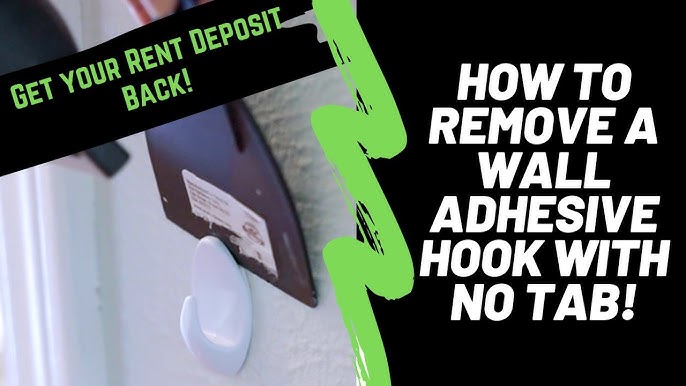
Reusable hooks are perfect for frequent changes. They often have suction cups or magnetic bases that stick without glue. These hooks can be moved and reused many times. They work well on smooth surfaces like glass or metal. Reusable hooks save money and reduce wall damage over time.
Credit: www.youtube.com
Frequently Asked Questions
How Can I Remove Wall Hooks Without Adhesive Damage?
Gently twist or wiggle the hook to loosen it from the wall. Use a flat tool to carefully pry it off. Avoid force to prevent wall damage.
Are There Tools Needed To Take Off Hooks From Walls?
Yes, common tools include a flathead screwdriver or putty knife. These help gently pry hooks off without harming the wall surface.
Can I Remove Hooks Without Leaving Holes Or Marks?
If hooks are mounted without adhesive or screws, careful removal may leave minimal marks. Use gentle pressure and patch any small holes if needed.
What Is The Safest Way To Detach Hooks From Drywall?
Slowly twist or pull the hook while supporting the wall surface. Use a putty knife to ease the hook off without tearing drywall paper.
Conclusion
Removing hooks from walls without adhesive can be simple and safe. Use gentle tools like a plastic card or string to ease them off. Take your time to avoid damage to paint or drywall. Small steps help keep your walls clean and smooth.
This way, you can change your decor without hassle or marks. Try these easy tips next time you need to remove hooks. A careful approach always works best.


