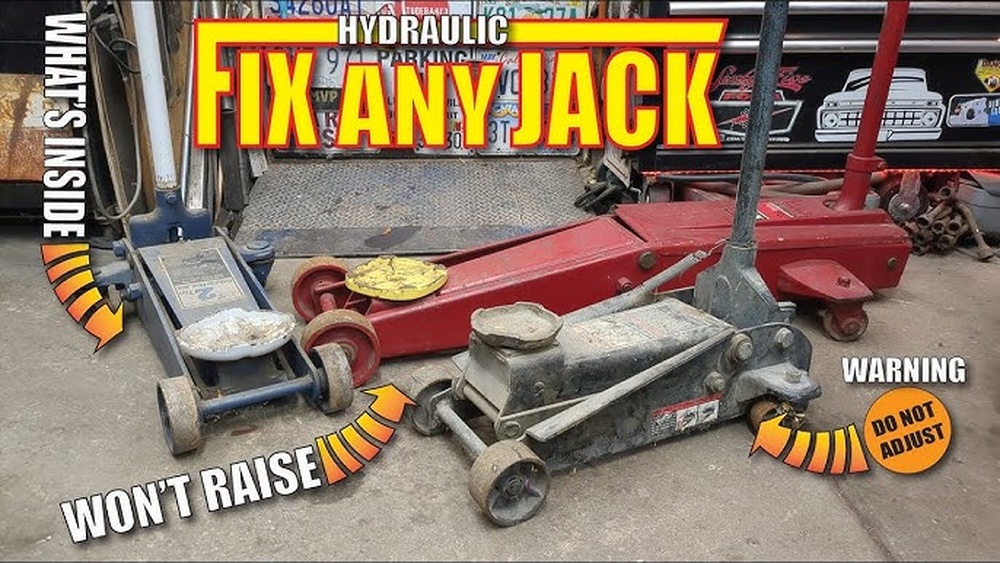
If you use a floor jack, you know how important it is to keep it working smoothly and safely. But did you know that simple maintenance can save you time, money, and even prevent accidents?
You’ll discover easy steps to maintain your floor jack so it stays reliable whenever you need it. Keep reading to learn how small actions can make a big difference in the life of your tool—and your peace of mind.

Credit: www.ebay.com
Choosing The Right Floor Jack
Choosing the right floor jack is important for safety and ease of use. The right jack makes lifting vehicles easier and safer. This section helps you find the best floor jack for your needs. Consider types, materials, and size before buying.
Types Of Floor Jacks
Hydraulic jacks use fluid pressure for lifting heavy loads. They are common and easy to use. Scissor jacks work with a twisting motion and are compact. They suit small jobs and emergencies. Bottle jacks have a vertical design and strong lifting power. Choose a type based on your vehicle and work style.
Materials And Build Quality
Steel jacks are strong and durable. They last longer but can be heavy. Aluminum jacks are lighter and easy to carry. They may cost more but suit mobile use. Check welds and joints for good build quality. A well-built jack keeps you safe during use.
Capacity And Size Considerations
Know your vehicle’s weight before selecting a jack. Choose a jack with a lifting capacity above your vehicle’s weight. Consider the jack’s size for storage and use space. Low-profile jacks fit sports cars with low clearance. Match size and capacity to your vehicle and workspace.

Credit: www.youtube.com
Regular Cleaning Practices
Regular cleaning keeps your floor jack working smoothly and safely. Dirt and dust can cause damage and slow down its parts. Clean your floor jack often to avoid problems and extend its life.
Removing Dirt And Debris
Start by wiping off loose dirt with a dry cloth. Use a brush to clear out debris from small spaces. Pay attention to the wheels and base where dirt gathers most. Avoid using high-pressure air, as it can push dirt deeper.
Cleaning Moving Parts
Focus on the joints and hinges that move the jack. Use a soft brush or cloth to remove grime from these areas. Clean parts allow smooth lifting and lowering. Check for signs of wear while cleaning.
Using Proper Cleaning Agents
Select mild soap and water for cleaning the jack’s surface. Avoid harsh chemicals that can damage metal or paint. Use lubricant on moving parts after cleaning to prevent rust. Always dry the jack completely before storing it.
Lubrication Techniques
Proper lubrication is key to keeping your floor jack working smoothly. It reduces wear and helps parts move without friction. This extends the life of your tool and improves safety. Follow simple lubrication techniques to maintain your floor jack efficiently.
Focus on the moving parts like joints and wheels. Use the right lubricants and apply them regularly. This keeps your jack ready for tough jobs and prevents breakdowns.
Lubricating Joints And Wheels
Joints and wheels face constant movement and pressure. Apply lubricant to these parts to avoid rust and stiffness. Clean dirt and old grease first. Then, add lubricant to all pivot points, hinges, and wheel axles. This ensures smooth lifting and rolling actions.
Recommended Lubricants
Use light machine oil or spray lubricants for joints. Grease works best on wheels and heavy-load parts. Avoid thick oils that attract dust. Choose lubricants that resist water and dirt. Proper lubricant choice keeps your jack clean and efficient.
Frequency Of Lubrication
Lubricate your floor jack every few uses or monthly. Check for squeaks or stiff parts as signs. More frequent lubrication is needed if you use the jack in dusty or wet places. Regular care prevents damage and keeps your jack ready for work.

Credit: www.onallcylinders.com
Inspecting For Wear And Damage
Inspecting your floor jack for wear and damage is key to safe use. Regular checks help spot problems early. This keeps the jack working well and prevents accidents.
Focus on parts that wear out fast or face heavy use. Look closely at the hydraulic system, wheels, and handle. Small issues can turn into big problems if ignored.
Checking Hydraulic Fluid Levels
Hydraulic fluid is the heart of your floor jack. Low fluid can cause poor lifting power. Check the fluid level often, especially before each use. Use the type recommended by the manufacturer. Keep the fluid clean and free of dirt. Replace it if it looks dark or cloudy.
Identifying Leaks And Cracks
Leaks mean the hydraulic system is losing pressure. Check under the jack for fluid puddles. Look around seals and fittings for wet spots. Cracks can appear on the jack body or lifting arm. Small cracks weaken the jack and risk failure. Stop using the jack if you see leaks or cracks. Repair or replace parts as needed.
Assessing Wheel And Handle Condition
Wheels help move the jack smoothly and safely. Check for flat spots, cracks, or stuck wheels. Make sure wheels roll freely without noise. The handle must be strong and secure. Look for bends, cracks, or loose parts. A damaged handle affects control and safety. Fix or replace wheels and handle if damaged.
Proper Storage Tips
Proper storage plays a key role in keeping your floor jack working well for years. Storing the jack correctly protects it from damage and wear. It also helps avoid costly repairs and safety risks. Follow these simple storage tips to keep your floor jack in top shape.
Storing In Dry Environments
Choose a dry place to store your floor jack. Moisture causes rust and weakens metal parts. Avoid damp basements or outdoor areas. A clean, dry garage or shed works best. Use a cover to keep dust and dirt away.
Positioning To Prevent Damage
Keep the jack in a stable position. Lay it flat or keep it upright depending on the model. Avoid placing heavy items on top. This prevents bending or breaking parts. Make sure the jack is secure and won’t tip over easily.
Protecting From Rust And Corrosion
Apply a thin layer of oil on metal surfaces before storage. This stops rust from forming. Check the jack regularly for signs of corrosion. Clean any dirt or grease build-up. Store the jack away from chemicals that can cause damage.
Safe Usage Habits
Using a floor jack safely protects you and your vehicle. It helps avoid accidents and damage. Follow simple habits to keep your work safe and smooth. These habits also keep the floor jack in good shape for a long time.
Avoiding Overloading
Do not lift more weight than the jack can hold. Check the jack’s weight limit before use. Overloading can break the jack or cause it to fail. Always know your vehicle’s weight and the jack’s capacity. This step prevents serious injuries and damage.
Correct Lifting Techniques
Place the jack under the recommended lifting points on the vehicle. Lift the car slowly and steadily. Avoid sudden movements or jerks. Keep your hands and feet clear while lifting. Use blocks or stands to support the vehicle after lifting. This method keeps you safe and avoids damage.
Regular Testing Before Use
Test the jack before lifting heavy loads. Pump it a few times to check smooth operation. Listen for unusual sounds or leaks. Ensure the jack holds pressure without lowering. Testing helps find problems early. Fix or replace faulty jacks to avoid accidents.
When To Seek Professional Maintenance
Knowing when to get professional help with your floor jack is key for safety and durability. Some problems need expert care to avoid accidents or bigger damage. Spotting these issues early saves time and money.
Signs Of Major Hydraulic Issues
Slow lifting or no lift at all signals hydraulic problems. Oil leaks around the pump or cylinder show damage. Strange noises during use may mean worn parts inside. The jack may also fail to hold weight steadily. These are signs you need a pro to check it.
Repair Vs. Replacement Decisions
Deciding between repair and replacement depends on the damage level. Small leaks or part wear can often be fixed. But deep rust, broken frames, or major hydraulic failure may require a new jack. A technician can help decide the safest option based on cost and condition.
Finding Qualified Technicians
Choose technicians with experience in hydraulic tools and floor jacks. Check reviews and ask for certifications or training. Local repair shops specializing in automotive tools are good options. A skilled pro ensures proper repair and safe operation.
Frequently Asked Questions
How Often Should I Maintain My Floor Jack?
Regular maintenance is essential for safety and performance. Inspect and lubricate your floor jack every 3 to 6 months. Check for leaks, clean dirt, and test lifting functions to ensure smooth operation.
What Lubricant Is Best For Floor Jack Maintenance?
Use high-quality hydraulic jack oil or machine oil. Avoid heavy grease, which can attract dirt and clog components. Proper lubrication reduces friction and prevents rust, extending the jack’s lifespan.
How Do I Check For Hydraulic Fluid Leaks?
Inspect the jack’s hydraulic cylinder and connections closely. Look for wet spots or dripping fluid. If you find leaks, replace seals or consult a professional to avoid malfunction or accidents.
Can I Use A Floor Jack On Uneven Surfaces?
No, always use a floor jack on a flat, stable surface. Uneven ground can cause instability and accidents. Proper surface ensures safe lifting and protects the jack from damage.
Conclusion
Maintaining a floor jack keeps it safe and working well. Check oil and clean parts often. Look for damage or leaks to fix early. Store the jack in a dry place to avoid rust. Regular care helps the jack last longer.
Use it properly every time for best results. Small steps make a big difference in jack safety. Keep these tips in mind to protect your tools. Simple care saves money and effort later. Stay safe and keep your floor jack ready to use.