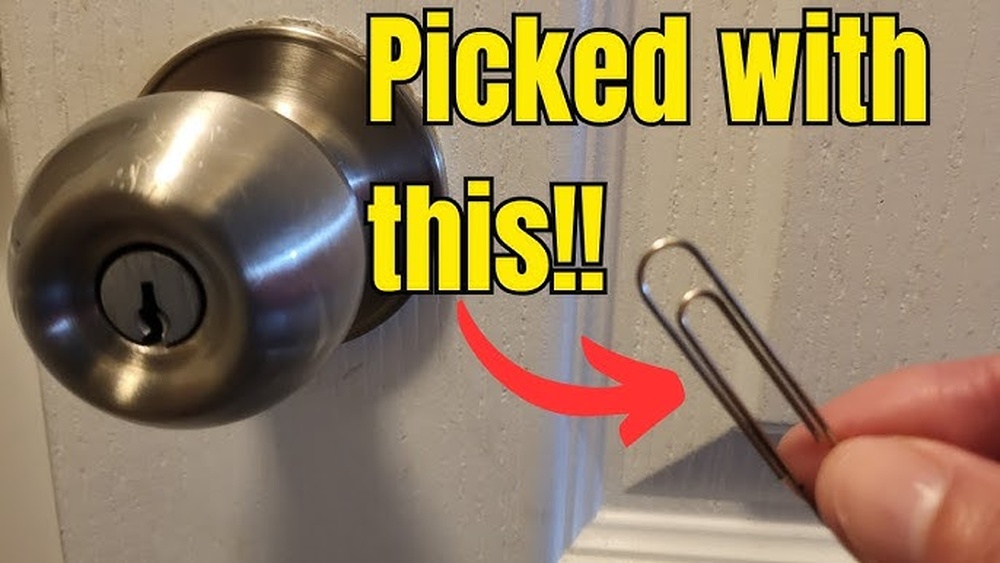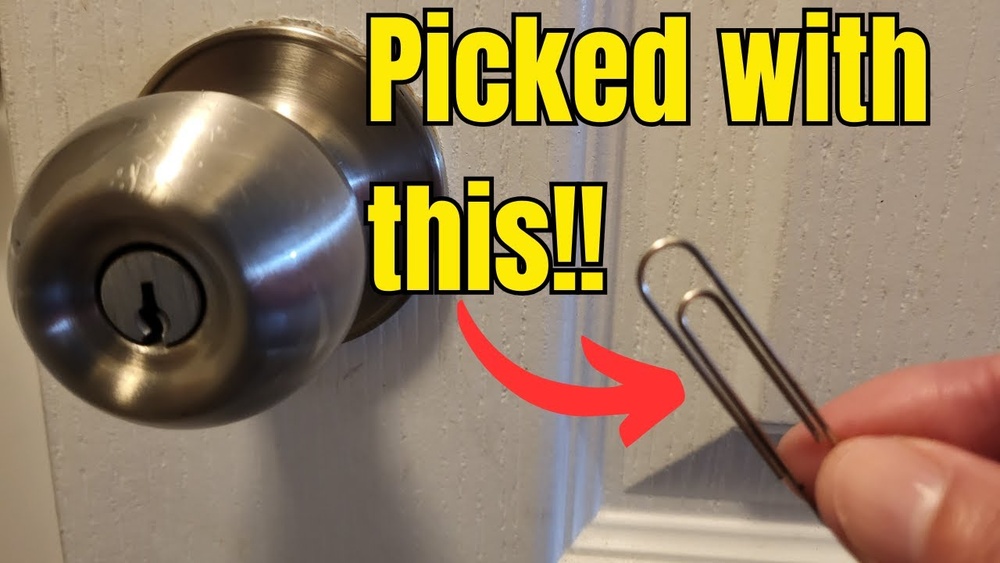
Have you ever found yourself locked out and wished you had a simple way to open a deadbolt without a key? Knowing how to pick a deadbolt lock with just a paperclip might sound like a skill for spies, but it’s actually something you can learn.
Imagine the relief of getting back inside quickly without waiting for a locksmith. You’ll discover easy steps to try this method safely and responsibly. Keep reading—you might never have to feel helpless outside your door again.
Tools Needed
Picking a deadbolt lock with a paperclip requires a few simple tools. Having the right items makes the process easier and faster. This section covers the basic tools needed for this task.
Choosing The Right Paperclip
Not all paperclips work well for picking locks. Use a standard metal paperclip, not a plastic one. The paperclip should be sturdy but easy to bend.
Choose a medium-sized paperclip. Too small or too large can cause problems. Straighten the paperclip before use. This helps create the right shape for picking.
Additional Supplies
Besides the paperclip, other simple tools help. A tension wrench or a small flathead screwdriver adds control. These tools apply pressure to turn the lock cylinder.
A pair of pliers can help bend or hold the paperclip. Also, have good lighting to see the lock clearly. A flashlight or a desk lamp works well.
Deadbolt Lock Basics
Understanding deadbolt locks is important for anyone interested in home security or lock picking. Deadbolts are common locks found on many doors. They offer more protection than simple spring locks. Knowing how they work helps explain how to pick them using tools like a paperclip.
This section covers the basics of deadbolt locks. It explains how deadbolts operate and the common mechanisms inside them. This knowledge makes the process clearer and safer.
How Deadbolts Work
Deadbolts use a solid metal bolt to secure a door. The bolt slides into the door frame. It locks the door tightly, preventing it from opening. Unlike spring locks, deadbolts do not have a spring inside. This makes them harder to force open. Turning the key moves the bolt in or out. The bolt stays in place until the key turns again.
Common Lock Mechanisms
Most deadbolts use either single-cylinder or double-cylinder designs. Single-cylinder deadbolts have a keyhole on one side and a thumb turn on the other. Double-cylinder deadbolts need a key on both sides. Inside, they have pins or wafers that block the bolt. These parts must align to let the bolt move. Picking a deadbolt means moving these pins or wafers carefully.
Preparing The Paperclip
Preparing the paperclip is the first step in picking a deadbolt lock. You need to change its shape carefully. This makes the paperclip work like real lock-picking tools. The process is simple but requires patience and focus.
Straightening The Paperclip
Start by picking a strong paperclip. Unfold it slowly until it is almost straight. Leave a small bend at one end for better grip. Avoid using a paperclip that is too thin. A strong clip will not break easily during the process.
Shaping The Tension Wrench
Bend one end of the paperclip into a small L shape. This part will act as the tension wrench. It applies pressure to the lock cylinder. Make sure the bend is tight and fits inside the keyhole. The tension wrench must turn the lock slightly but not too much.
Forming The Pick
Use the other end of the paperclip to create the pick. Bend it into a slight hook shape. The hook will lift the pins inside the lock. Make the hook small enough to fit inside the keyhole. The pick should be strong but flexible for better control.

Credit: www.wikihow.com
Picking Steps
Picking a deadbolt lock with a paperclip involves a few careful steps. Each step focuses on handling the lock’s pins and cylinder. Patience and a steady hand help a lot. Below are the key steps to follow.
Applying Tension
Bend one paperclip to create a tension wrench. Insert it into the bottom of the keyhole. Gently turn the wrench as if turning a key. Keep slight pressure; too much will block pin movement. This tension holds pins in place once set.
Locating Pins
Bend the second paperclip to make a picking tool. Insert it into the top of the keyhole. Feel for pins inside by moving the tool up and down. Listen and feel for pins that resist movement. These pins need setting before the lock turns.
Setting Pins
Push each pin up slowly with the picking tool. The goal is to lift pins to the shear line. Pins that reach the shear line stay set. If a pin drops, reset tension and try again. Patience is key to finding the right spot.
Turning The Lock
Once all pins are set, apply steady tension. Slowly turn the paperclip tension wrench like a key. The lock cylinder should turn open. Keep steady pressure to avoid pins dropping. The lock opens without a key using this method.
Troubleshooting Tips
Troubles can happen while picking a deadbolt lock with a paperclip. These tips help solve common problems. They make the process easier and less frustrating. Follow these simple steps to improve your chances.
Dealing With Stubborn Pins
Some pins inside the lock may not move easily. Gently push each pin with the paperclip. Do not force it hard. Try lifting pins slowly and carefully. Small movements often work better. Patience helps unlock tough pins.
Adjusting Tension
Applying the right tension is very important. Too much pressure can stop the pins from moving. Too little pressure may cause pins to fall back. Hold the paperclip lightly but firmly. Adjust the pressure until pins start to set.
When To Stop
Know when to stop picking the lock. If pins do not move after many tries, take a break. Forcing the lock may damage it. Trying too long can cause frustration. Stop if the lock feels stuck or broken.

Credit: www.youtube.com
Safety And Legal Notes
Understanding safety and legal notes is important before trying to pick a deadbolt lock with a paperclip. This method can seem simple, but it carries risks. Knowing the rules and how to act responsibly protects you and others. It also helps avoid trouble with the law.
Legal Considerations
Picking locks without permission is illegal in many places. It is important to know local laws before trying any lock picking. Only pick locks that belong to you or where you have clear permission. Using lock picking tools for theft or breaking and entering is a crime. Always respect property rights to avoid legal problems.
Ethical Use
Using lock picking skills should be for good reasons only. Use these skills to help in emergencies or for learning purposes. Never use them to harm others or invade privacy. Being honest and responsible builds trust and respect. Always think about the impact of your actions on others.
Lock Maintenance
Lock picking can damage your deadbolt if done incorrectly. Use gentle pressure and avoid forcing the paperclip. Regularly check your lock for signs of wear or damage. Clean and lubricate your deadbolt to keep it working well. Proper care extends the life of your lock and keeps it secure.

Credit: www.wikihow.com
Frequently Asked Questions
How Can I Pick A Deadbolt Lock With A Paperclip?
To pick a deadbolt with a paperclip, straighten one clip as a tension wrench. Use the other to lift pins inside the lock. Apply slight tension and gently move the pins until the lock turns open.
Is Picking A Deadbolt With A Paperclip Legal?
Picking your own deadbolt lock with a paperclip is legal. However, picking locks you do not own or have permission to open is illegal and punishable by law.
What Tools Besides A Paperclip Help Pick Deadbolt Locks?
Besides paperclips, tension wrenches, lock picks, and bump keys can help pick deadbolt locks. These tools provide better control and precision during lock picking.
How Difficult Is It To Pick A Deadbolt Lock With A Paperclip?
Picking a deadbolt with a paperclip requires skill and patience. It is moderately difficult for beginners and easier with practice and understanding of lock mechanics.
Conclusion
Picking a deadbolt lock with a paperclip takes patience and care. It is not always easy or quick. Practice helps improve your skill over time. Always respect the law and only try this on your own locks. Safety comes first.
Understanding the basic steps can save you in tight spots. Stay calm and focused during the process. Remember, not all locks open this way. Knowing simple tricks can be useful in emergencies. Keep learning and practicing for better results.