Have you ever needed to lift a heavy transmission but didn’t have the right tool? A transmission floor jack can make this tough job much easier and safer.
Imagine saving money by building your own jack, tailored exactly to your needs. In this guide, you’ll discover simple steps to create a reliable transmission floor jack using common materials. Whether you’re a beginner or have some DIY experience, this article will empower you to take control of your repairs and projects.
Ready to learn how to make your work smoother and more efficient? Keep reading, and you’ll have your custom floor jack in no time.

Credit: www.hotrod.com
Materials And Tools Needed
Building a transmission floor jack requires the right materials and tools. Preparing these items before starting saves time and effort. This section lists everything needed for the project. It ensures a smooth and safe build process.
Essential Materials
- Steel plates and bars for the frame
- Heavy-duty hydraulic bottle jack
- Welding rods or wire
- Bolts, nuts, and washers
- Steel tubing for the lifting arm
- Rubber pads for grip and protection
- Paint or rust-resistant coating
Required Tools
- Welding machine for joining metal parts
- Angle grinder with cutting and grinding discs
- Drill with metal drill bits
- Measuring tape and square for accuracy
- Wrenches and sockets for tightening bolts
- Clamps to hold parts during welding
- Safety gear: gloves, goggles, and mask
Preparing The Base
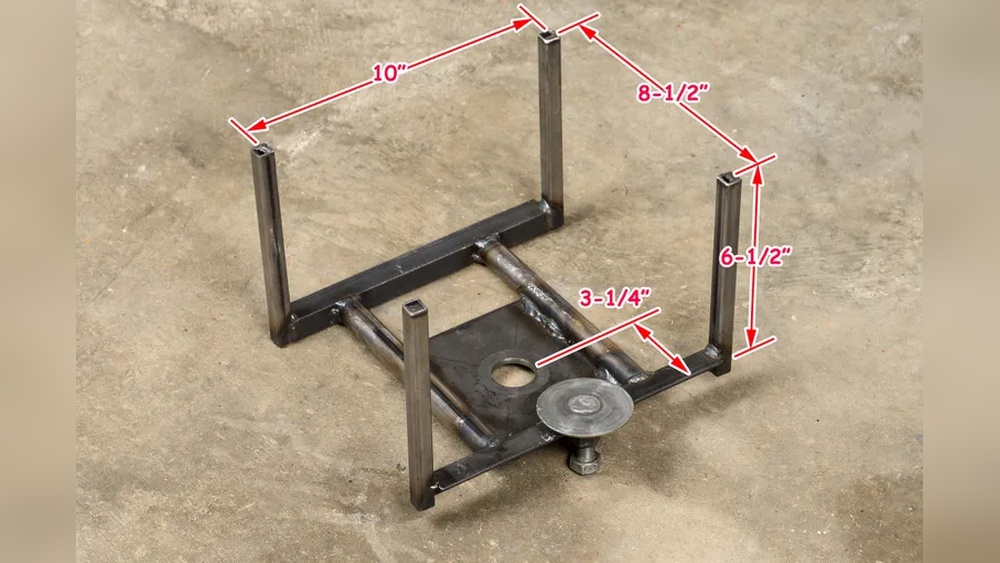
Preparing the base is an important step in making a transmission floor jack. A strong, stable base supports the entire jack and keeps it safe to use. The base must hold the weight and stay steady during lifting. This section explains how to choose and prepare the right base for your project.
Choosing The Right Base Material
Select a material that is strong and durable. Steel plates are a common choice because they handle heavy loads well. Thick plywood can also work but may wear out faster. Avoid materials that bend or crack under pressure.
Consider the size and weight of the transmission you will lift. A bigger, heavier load needs a thicker, wider base. The material should not flex or wobble when you apply force.
Cutting And Shaping The Base
Measure the base size carefully before cutting. Use a metal saw for steel or a wood saw for plywood. Cut straight lines for even edges and balance.
Shape the base to fit the jack parts. Smooth any rough edges to prevent injuries. Check that the base sits flat on the ground without rocking.
Constructing The Lifting Arm
The lifting arm is a key part of your transmission floor jack. It holds the weight and moves up and down smoothly. Building a strong lifting arm ensures your jack works safely and lasts long. Focus on choosing the right material and assembling the parts carefully. This will make your jack reliable and easy to use.
Follow the steps below to create a lifting arm that fits well and lifts heavy loads without bending.
Selecting The Arm Material
Choose metal that is strong and durable. Steel is a good choice because it can hold heavy weight. Look for steel that is thick enough to avoid bending or breaking. Avoid thin or weak metals. Check the metal for any rust or damage before use. Good material helps the arm last longer and work better.
Assembling The Arm Components
Cut the metal to the right size using proper tools. Smooth out the edges to avoid sharp parts. Use bolts and screws to join the pieces tightly. Make sure all parts fit well and move freely. Test the arm by lifting some weight to check its strength. Tighten any loose parts to keep the arm steady.

Credit: www.therangerstation.com
Installing The Hydraulic System
Installing the hydraulic system is a key step in making a transmission floor jack. This system allows the jack to lift heavy loads smoothly and safely. Understanding how to select and fit the right parts helps create a reliable jack.
Choosing A Hydraulic Jack
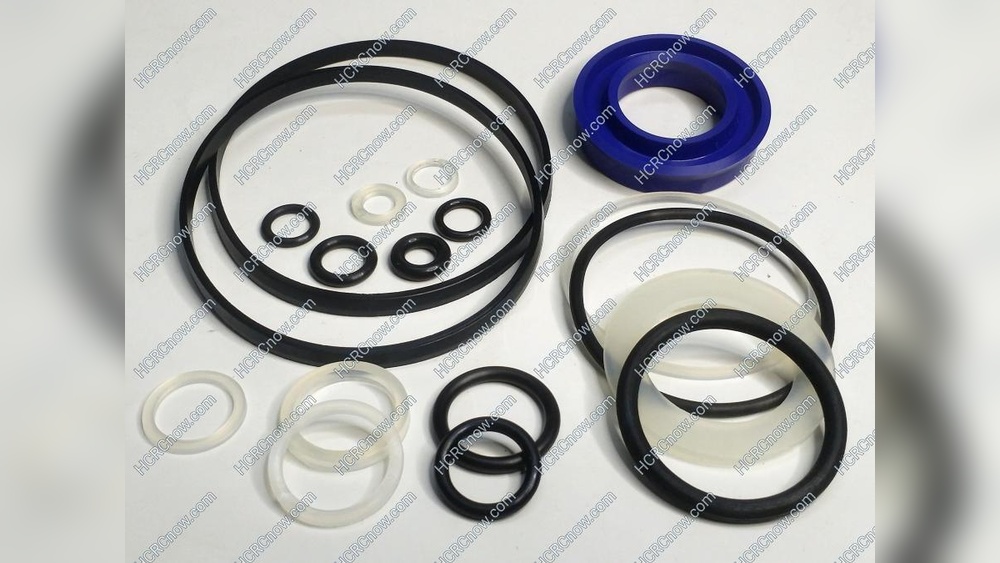
Choose a hydraulic jack with enough lifting capacity for your needs. Check the maximum weight it can lift. Look for a compact design that fits your floor jack frame. A simple, durable model works best. Avoid complex jacks with many parts. Quality seals and a strong cylinder improve performance. Test the jack before buying to ensure it works well.
Mounting The Hydraulic Components
Secure the hydraulic cylinder firmly to the jack frame. Use bolts and brackets that match the jack design. Align the cylinder so the piston moves straight up and down. Connect the hydraulic pump to the cylinder carefully. Ensure all seals are tight to stop leaks. Check the hydraulic fluid level and fill if needed. Test the system by pumping the handle. The jack should lift smoothly without jerks.
Adding Wheels And Casters
Adding wheels and casters to your transmission floor jack makes it easier to move around. Wheels let you roll the jack smoothly across the floor. This saves your back and speeds up your work. Choosing the right wheels and attaching them properly is very important for safety and function.
Types Of Wheels
There are many types of wheels to choose from. Hard plastic wheels work well on smooth floors. They roll easily but can be noisy. Rubber wheels offer better grip and reduce noise. They work better on rough or uneven floors. Swivel casters allow the jack to turn in any direction. Fixed wheels keep it moving straight. Pick wheels based on your floor type and how you want to move the jack.
Attaching Wheels To The Base
Start by cleaning the jack’s base where you will attach wheels. Use bolts or screws that fit your wheel’s mounting holes. Place each wheel in position and tighten the bolts firmly. Make sure the wheels spin freely but do not wobble. Check all wheels after attaching. Proper fitting ensures smooth movement and stability during use.
Safety Features And Testing
Safety is the top priority when making a transmission floor jack. A well-built jack must hold heavy weight without slipping or failing. Testing ensures the jack works safely under real conditions. Adding safety features protects users from accidents during use. These steps help build trust in the tool and prevent injuries.
Adding Safety Locks
Safety locks keep the jack stable during lifting. They stop the jack from lowering suddenly. Use strong metal parts for the lock mechanism. The lock should engage automatically as you raise the jack. Test the lock to make sure it holds firm under load. A reliable lock adds a secure layer of safety.
Performing Load Tests
Load tests show if the jack can handle heavy weight. Start by lifting small loads and increase gradually. Watch for any bending or slipping parts. The jack must hold the maximum weight without any movement. Repeat the test multiple times to check consistency. Proper load testing confirms the jack is safe to use.
Maintenance Tips
Maintaining your transmission floor jack is key for safety and long life. Regular care helps avoid breakdowns and keeps the jack working smoothly. Follow these simple maintenance tips to keep your jack in good shape.
Regular Inspection
Check your floor jack before every use. Look for leaks or cracks in the body. Inspect the wheels for damage or dirt. Make sure the handle moves freely. Tighten any loose bolts or nuts. Early problem detection prevents bigger issues.
Lubrication And Storage
Keep all moving parts well lubricated. Use light machine oil on joints and wheels. Avoid over-lubricating to stop dirt buildup. Store the jack in a dry place to avoid rust. Lower the jack fully before storing. Clean it after use to remove grease and dirt.

Credit: www.youtube.com
Frequently Asked Questions
What Materials Are Needed To Make A Transmission Floor Jack?
You need steel tubing, hydraulic jack components, wheels, bolts, and welding tools. Quality materials ensure durability and safety. Having the right parts is crucial for proper function and stability.
How Do You Assemble A Transmission Floor Jack?
Start by welding the steel frame, then install the hydraulic jack. Attach wheels and test movement. Follow step-by-step instructions to ensure correct assembly and safety.
Is Making A Transmission Floor Jack Cost-effective?
Yes, building your own jack can save money. It avoids buying expensive commercial models. However, consider material costs and time investment before starting.
What Safety Precautions Are Needed When Building A Floor Jack?
Always wear protective gear like gloves and goggles. Ensure proper welding techniques and stable assembly. Test the jack carefully to avoid accidents during use.
Conclusion
Making a transmission floor jack is easier than it seems. You only need basic tools and materials. Follow each step carefully to build a safe and strong jack. This tool saves money and helps with car repairs at home. Always check your jack before use to avoid accidents.
With patience and care, you can create a useful device. Try it yourself and enjoy the satisfaction of building something practical. Safety first, and happy lifting!