Installing a strike plate for your deadbolt lock might sound tricky, but it’s easier than you think. A properly fitted strike plate keeps your door secure and gives you peace of mind.
If you want to make sure your lock works smoothly and strengthens your home’s safety, this guide is just for you. Keep reading, and you’ll learn simple steps that anyone can follow to get the job done right—no special skills needed.
Your door’s security depends on it!
Credit: www.youtube.com
Tools And Materials Needed
Installing a strike plate for a deadbolt lock requires the right tools and materials. Having everything ready makes the job easier and faster. This section covers what tools you need and how to pick the correct strike plate.
Essential Tools
You need a few basic tools for this task. A screwdriver is key to remove and install screws. A drill helps create holes for screws and the strike plate. A chisel is useful to carve out space in the door frame. A tape measure ensures proper placement of the strike plate. A pencil lets you mark spots accurately. A hammer may be needed to tap the chisel gently.
Choosing The Right Strike Plate
Pick a strike plate that fits your deadbolt lock model. Strike plates come in different shapes and sizes. Match the plate to your door frame thickness too. Look for strong metal plates for better security. Some plates have longer screws for extra hold. Choose one that suits your door and lock style well.
Prepare The Door Frame
Preparing the door frame is a key step in installing a strike plate for your deadbolt lock. This process ensures the strike plate fits perfectly and works smoothly with the lock. Taking time to prepare the frame helps avoid problems with locking and unlocking later.
Locate The Strike Plate Position
Start by closing the door and marking where the deadbolt hits the door frame. This spot shows where the strike plate should go. Use a pencil to mark the exact position on the door jamb. Accuracy here is very important for a secure fit.
Mark The Outline
Place the strike plate against the door frame at the marked spot. Trace around the edges with a pencil. This outline shows where you will cut or chisel the wood. Make sure the lines are clear and easy to follow. This helps the strike plate fit flush with the frame.
Check Door Alignment
Check if the door closes smoothly and the deadbolt aligns with the strike plate outline. Adjust the door or frame if the deadbolt misses the marked area. Proper alignment prevents the lock from sticking or jamming. This step ensures the deadbolt will slide into the strike plate easily.
Cut The Mortise
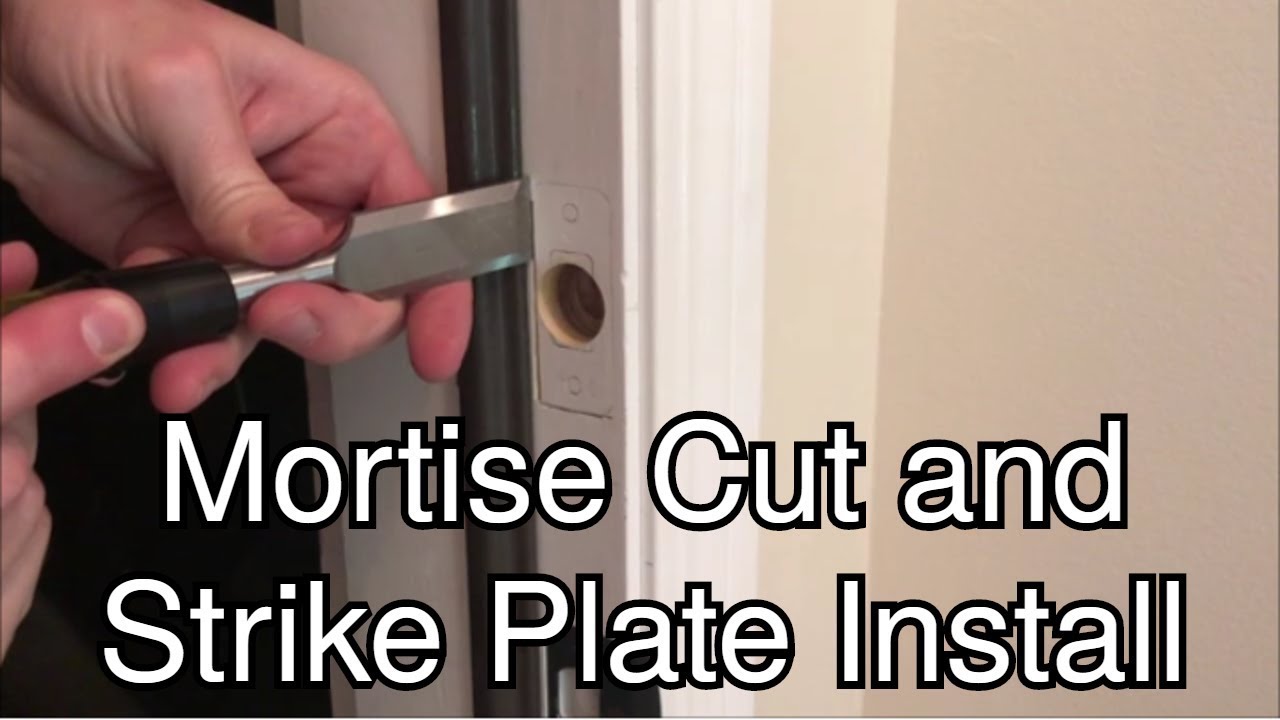
Cutting the mortise is an important step when installing a strike plate for a deadbolt lock. This step creates a shallow recess in the door frame. The recess lets the strike plate sit flush with the surface. This ensures the door closes properly and the deadbolt locks securely.
The process requires careful measuring and precise cutting. Taking time here prevents problems later. Follow each step to cut the mortise cleanly and accurately.
Score The Outline
Start by placing the strike plate on the door frame. Use a pencil to trace around the plate. This marks the exact area to cut. Use a sharp utility knife or a thin saw blade. Score along the pencil lines to create a shallow groove. This helps guide your chisel and keeps cuts straight.
Chisel The Recess
Use a sharp chisel and hammer for this step. Position the chisel inside the scored outline. Tap gently with the hammer to remove thin layers of wood. Work slowly and steadily. Remove wood until the recess matches the strike plate thickness. Keep the bottom flat so the plate fits well.
Smooth The Edges
After chiseling, check the recess edges. Use sandpaper or a file to smooth any rough spots. Smooth edges help the strike plate sit flush. This also prevents splinters and damage to the door frame. Test fit the strike plate. Adjust as needed until it fits perfectly.
Install The Strike Plate
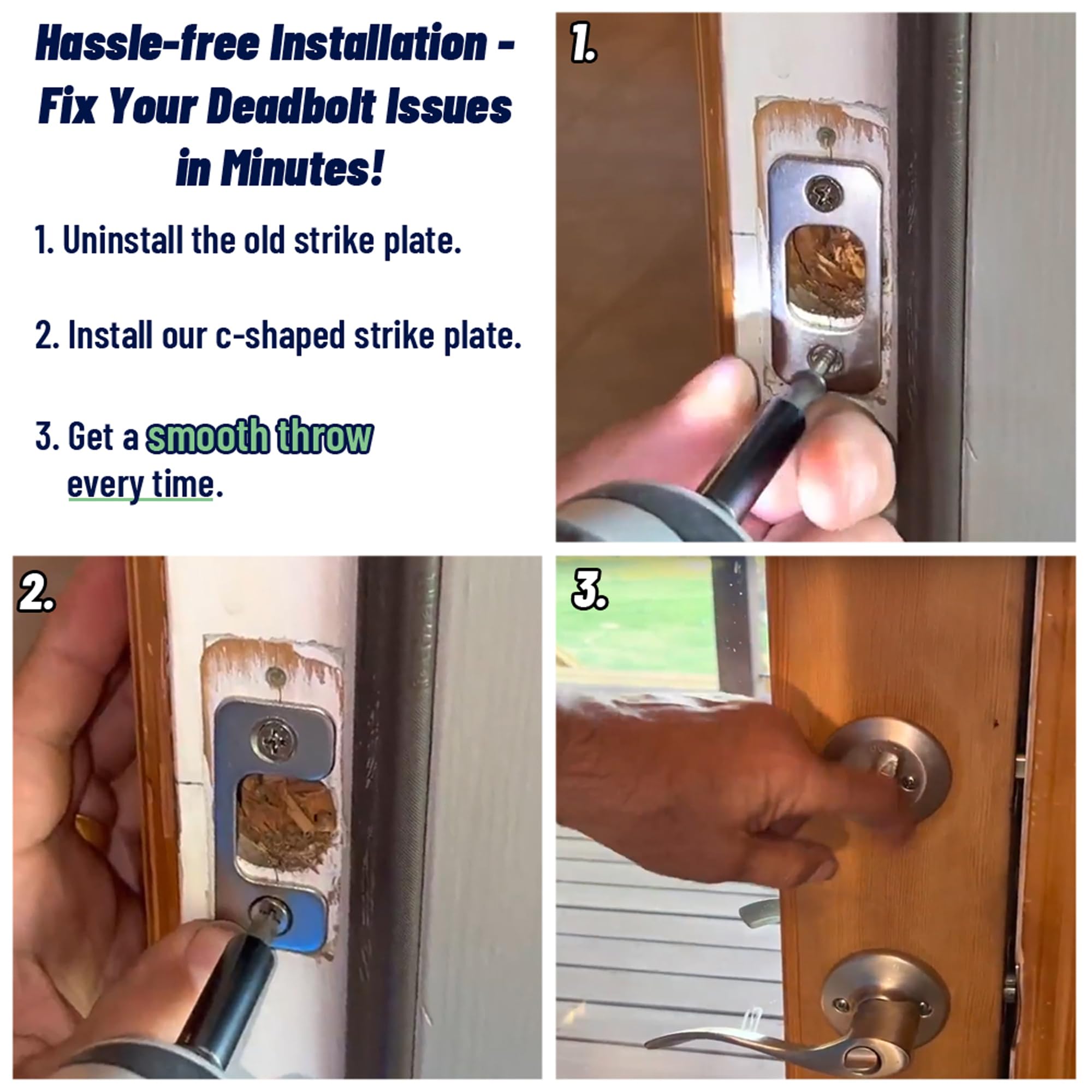
Installing the strike plate is a key step in fitting your deadbolt lock. This small metal plate holds the bolt securely in place when locked. Proper installation ensures your door locks tightly and safely.
Follow the steps carefully to align and secure the strike plate. A well-installed strike plate helps prevent forced entry and keeps your home safe.
Align The Strike Plate
Place the strike plate on the door frame where the bolt will enter. Make sure the holes on the plate match the bolt’s path. Use a pencil to mark screw holes clearly. Check the plate sits flat against the frame without gaps.
Secure With Screws
Use the provided screws or strong wood screws to fix the plate. Drive screws into the marked spots firmly but avoid splitting the wood. Tight screws keep the plate steady and resist force. Replace any short screws with longer ones for better security.
Test The Deadbolt Fit
Close the door and turn the deadbolt key or thumb turn slowly. The bolt should slide smoothly into the strike plate. If it sticks or misses, adjust the plate position slightly. Smooth locking means your strike plate works well.
Adjustments And Tips
Installing a strike plate for a deadbolt lock is not always perfect the first time. Small adjustments can improve security and smooth operation. Simple tips help keep the lock working well for years.
Fixing Misalignment
Misalignment causes the deadbolt to stick or not lock fully. Check if the bolt slides easily into the strike plate hole. Adjust the plate by loosening screws and moving it slightly. Tighten screws and test the lock several times. Use a chisel to enlarge the hole if needed. Proper alignment prevents lock damage and improves security.
Reinforcing The Strike Plate
Reinforce the strike plate to resist forced entry. Use longer screws that reach the wall frame behind the door. This makes the lock stronger and harder to break. Choose heavy-duty strike plates made of solid metal. Add a metal door jamb reinforcement kit for extra strength. Strong reinforcement protects your home better.
Maintenance Advice
Regular maintenance keeps the strike plate and lock in good condition. Clean dust and dirt from the plate and bolt area. Lubricate the bolt with graphite or silicone spray to prevent sticking. Tighten screws if they become loose over time. Inspect the plate for cracks or damage and replace if needed. Routine care extends the life of your deadbolt lock.

Credit: www.reddit.com
Credit: www.amazon.com
Frequently Asked Questions
What Tools Are Needed To Install A Deadbolt Strike Plate?
You need a screwdriver, drill, chisel, measuring tape, pencil, and screws. These tools help align and secure the strike plate properly.
How Do You Align A Strike Plate For A Deadbolt?
Mark the door frame where the bolt hits. Chisel out a recess for the strike plate to fit flush. Secure it with screws.
Can I Install A Strike Plate Without Professional Help?
Yes, installing a strike plate is a simple DIY task. Follow instructions carefully and use proper tools for best results.
Why Is Strike Plate Placement Important For Security?
Correct placement ensures the deadbolt locks firmly, preventing forced entry. Misalignment weakens door security and may damage the lock.
Conclusion
Installing a strike plate for a deadbolt lock improves your door’s security. Follow each step carefully for a strong fit. Use the right tools and measure twice to avoid mistakes. A well-installed strike plate keeps your home safer and your lock working smoothly.
Take your time and check your work as you go. This simple task helps protect what matters most. You can do it yourself with patience and care.