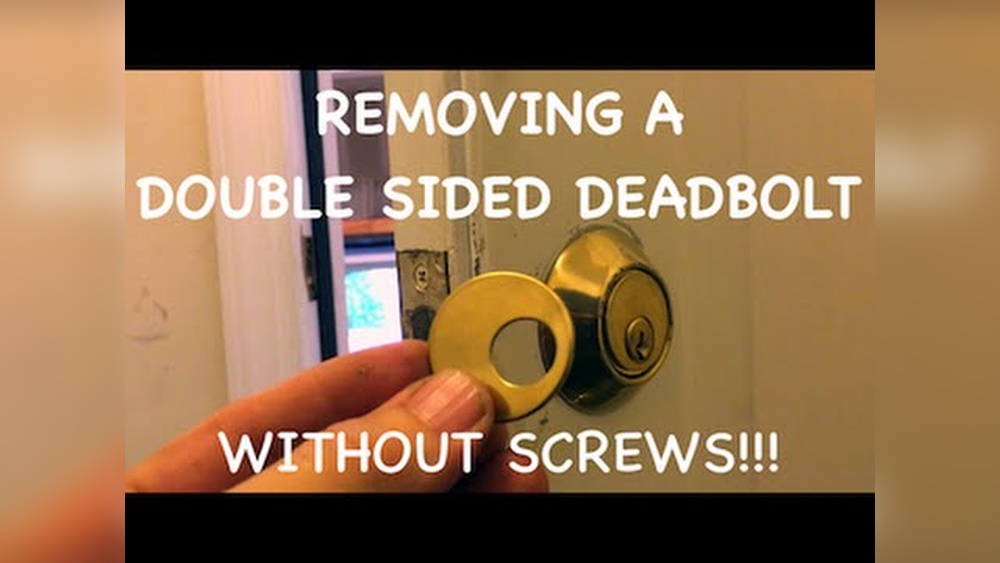
Struggling with a Schlage deadbolt that won’t come apart because you can’t find the screws? You’re not alone, and it can be frustrating when your usual tools don’t work.
What if you could remove that stubborn deadbolt quickly and easily, even without screws? In this guide, you’ll discover simple, step-by-step methods to get the job done right. Keep reading, and you’ll gain the confidence and know-how to handle your lock like a pro—no extra tools or complicated tricks needed.
Tools Needed
Removing a Schlage deadbolt without screws can seem tricky. The right tools make the task easier and faster. Prepare these tools before starting. They help avoid damage and save time.
Flathead Screwdriver
A flathead screwdriver is essential. It helps pry off the faceplate and other parts gently. Use it to create small gaps without scratching the door.
Credit Card Or Plastic Shim
Use a credit card or a plastic shim to slide between the door and the latch. This tool helps push the latch back inside the door. It works without needing to remove screws.
Allen Wrench
An Allen wrench fits the small hex screws inside the deadbolt. It helps loosen hidden fasteners. Keep different sizes ready to match the lock’s screws.
Pliers
Pliers provide a strong grip for stubborn parts. They help pull or twist small pieces carefully. Avoid using too much force to prevent damage.
Flashlight
A flashlight brightens dark areas inside the lock. It helps see hidden parts clearly. Good lighting makes the removal process smoother.

Credit: www.youtube.com
Identify Your Deadbolt Model
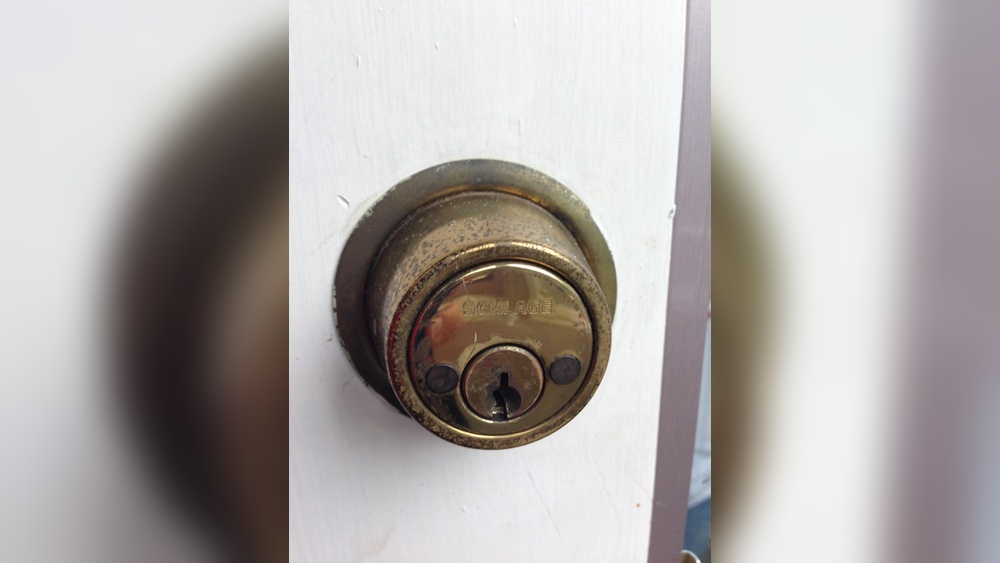
Identifying your Schlage deadbolt model is the first step to remove it without screws. Each model has a unique design and removal method. Knowing your model helps find the right approach and tools. This saves time and avoids damage to your door or lock.
Look carefully at the deadbolt’s shape and features. Some models have visible screws, others do not. The style of the thumb turn, the shape of the faceplate, and the keyhole placement offer clues. A quick inspection can reveal the exact model you have.
Check The Faceplate Design
The faceplate is the metal part on the door edge. Some Schlage deadbolts have a rectangular faceplate with rounded corners. Others might be square or have extra holes. The shape and size of the faceplate help identify the model. Write down or take a photo of the faceplate for reference.
Examine The Thumb Turn
The thumb turn is the small knob inside your door. Its shape varies among Schlage models. Some have a smooth round thumb turn, others a flat or ridged design. This detail narrows down the model type. Note any unique features of your thumb turn.
Look For Model Numbers Or Marks
Many Schlage deadbolts have model numbers stamped on the lock’s interior side. Remove the interior cover carefully to check for these numbers. Model codes often start with letters like “B” or “F.” These codes help identify the exact deadbolt version.
Use Online Resources For Comparison
After noting your deadbolt’s features, compare them with online images and guides. Schlage’s official website and locksmith forums have detailed model pictures. Matching your deadbolt with these images confirms the model. This ensures you follow the correct removal steps.
Locate Hidden Release Mechanisms
Locating hidden release mechanisms is key to removing a Schlage deadbolt without screws. These locks often have small parts that let you take them apart without tools. Finding these parts helps you unlock and remove the deadbolt safely.
Hidden release points are usually small buttons or slots. They are often placed where you least expect. Knowing where to look saves time and avoids damage to the lock or door.
Check The Thumb Turn Side
The thumb turn side often hides the release mechanism. Look closely at the center of the thumb turn. Sometimes a small hole or button is visible. Pressing this can release the lock cylinder.
Inspect The Faceplate Area
Look along the edge of the lock’s faceplate. Some models have a small slot or hole here. This slot can hold a release lever hidden inside. Use a thin tool to push or slide the mechanism.
Use A Credit Card Or Thin Tool
A credit card or flat, thin tool can help find release points. Slide it gently between the lock and door frame. Feel for any catches or buttons that move. This method avoids scratching or damaging the door.
Look For A Small Pin Or Clip
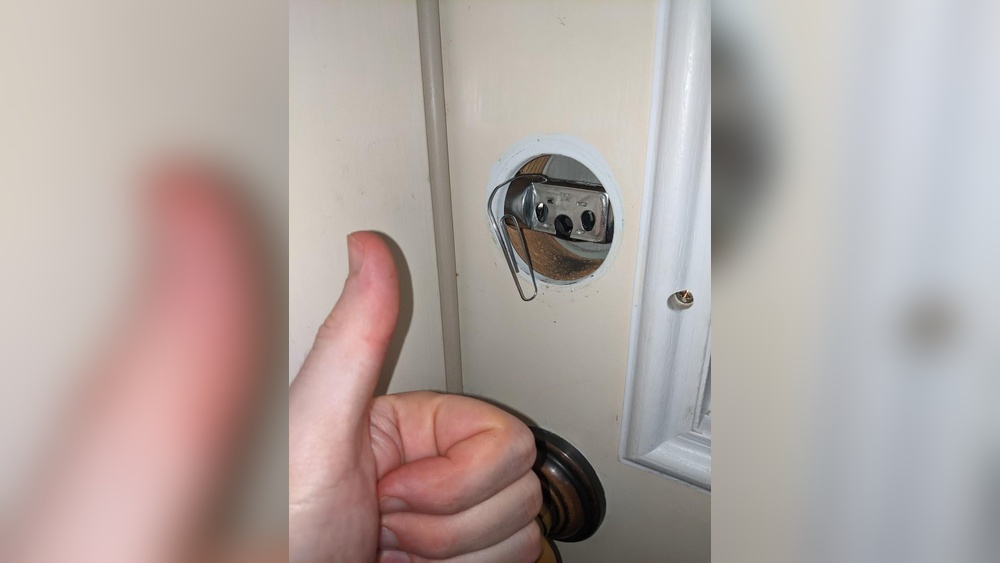
Some Schlage locks use a pin or clip as a release. This may be inside a tiny hole near the lock cylinder. Insert a small tool to push or pull the pin. This action frees the lock from the door.

Credit: www.reddit.com
Remove The Thumb Turn
Removing the thumb turn is the first step to take off a Schlage deadbolt without screws. The thumb turn is the small knob on the inside of the door. It controls the lock from the inside. Removing it allows access to parts inside the lock for further disassembly.
This part is usually held in place by clips or hidden mechanisms. You do not need screws to remove it. Careful handling is important to avoid damage. Follow simple steps to remove the thumb turn safely and easily.
Locate The Thumb Turn
Look at the inside of your door. Find the small knob that turns the lock. This is the thumb turn. Check if it moves freely or feels tight. Knowing its position helps in removal.
Check For A Small Slot Or Hole
Look closely at the base of the thumb turn. Some models have a small slot or hole. This slot holds a clip or pin that keeps the thumb turn in place. Use a thin tool to access this slot carefully.
Use A Flat Tool To Pry Gently
Insert a flathead screwdriver or a plastic pry tool under the edge of the thumb turn. Gently twist or lift it to loosen the thumb turn. Do not force it hard to avoid damage.
Remove The Thumb Turn Carefully
Once loosened, pull the thumb turn straight out from the door. It should come off with light pressure. Keep the thumb turn safe for reassembly or replacement.
Detach The Exterior Lock
Removing a Schlage deadbolt without screws can be tricky. The exterior lock is the first part to remove. It holds the key cylinder and needs careful handling. This step helps expose the internal parts of the lock. Follow these simple instructions for a smooth process.
Locate The Small Slot On The Side
Look closely at the edge of the exterior lock. You will see a small slot or hole. This slot is a release mechanism. It helps detach the lock from the door. Use a flat tool or a thin screwdriver to reach inside.
Insert A Flat Tool Into The Slot
Gently push the flat tool inside the slot. Press firmly but carefully. You want to push a small tab inside to unlock the exterior part. Do not force it too hard to avoid damage. Keep steady pressure until the lock loosens.
Pull The Exterior Lock Away From The Door
Once the tab releases, pull the exterior lock straight out. Hold the lock firmly. Pull slowly to avoid breaking the lock or door finish. If it feels stuck, check the slot again. Repeat pressing the tab if needed. The exterior lock should come free now.
Extract The Deadbolt From The Door
Extracting a Schlage deadbolt from a door without screws can seem hard. The deadbolt fits tightly into the door, making removal tricky. You need to work carefully to avoid damage. This part explains how to pull out the deadbolt safely.
Patience and the right tools make the job easier. Knowing the deadbolt’s parts helps you find where to pull and push. The goal is to free the deadbolt from the door frame cleanly.
Locate The Deadbolt Faceplate
First, find the faceplate on the door edge. It is the metal piece around the bolt. This plate covers the bolt’s housing. Look closely to see if it is loose or stuck.
Use A Thin Pry Tool
Take a thin pry tool or flat screwdriver. Slide it gently between the faceplate and door. Work slowly to avoid scratching the door. Wiggle the tool to loosen the plate.
Push The Bolt Back Into The Door
Try pushing the bolt inside the door. This moves it away from the frame. Use a small hammer or handle to tap it softly. Keep the bolt retracted to release tension.
Pull The Deadbolt Out Carefully
Once loose, grab the deadbolt with your hand or pliers. Pull straight out without twisting. Twisting can damage the lock or door. If stuck, wiggle gently while pulling.
Check For Hidden Clips Or Tabs
Some models have clips holding the bolt in place. Look near the faceplate or bolt edges. Press or slide these clips to free the deadbolt. Use a flashlight to see better.
Handle Common Obstacles
Removing a Schlage deadbolt without screws can be tricky. Common obstacles may slow down the process. Knowing how to handle these problems saves time and frustration. Below are common issues and easy fixes.
Stuck Or Jammed Locks
Deadbolts can get stuck from dirt or rust inside. Try spraying a lubricant into the keyhole. Wait a few minutes to let it work. Gently wiggle the lock while turning the key. Avoid forcing the lock to prevent damage. If it still won’t budge, try tapping around the lock to loosen it. Use light, steady pressure to ease the jam.
Missing Or Broken Parts
Sometimes, parts inside the lock break or go missing. Check the lock carefully for loose or broken pieces. Small springs or screws might fall inside the door. Use a flashlight to look inside the hole. If parts are missing, order replacements from Schlage or a hardware store. Temporary fixes include using tape or glue to hold pieces together while working on removal. Always handle broken parts with care to avoid further damage.

Credit: www.youtube.com
Reinstall Or Replace The Deadbolt
After removing a Schlage deadbolt without screws, the next step is to reinstall or replace it. This process ensures your door stays secure and works properly. Whether you want to put the same lock back or install a new one, following the right steps matters.
Choosing to reinstall saves money and time. Replacing might improve security or match your door style better. Both options require careful handling and proper alignment for smooth operation.
Reinstalling The Same Deadbolt
Start by cleaning the lock and door surface. Remove any dirt or debris for a tight fit. Align the deadbolt with the door holes carefully. Push the lock into place without forcing it. Secure the internal parts by snapping or clipping them back. Test the deadbolt by turning the key or knob. Ensure it moves smoothly and locks firmly.
Choosing A Replacement Deadbolt
Measure the door thickness and backset before buying. Match these sizes with the new deadbolt specs. Pick a lock with similar mounting style for easy fit. Check if the new lock includes all needed parts. Consider the lock type, like single or double cylinder. Choose a finish that complements your door’s look.
Installing A New Deadbolt
Remove any old parts left on the door. Align the new deadbolt with the holes. Insert the latch and bolt mechanism first. Attach the exterior part of the lock. Connect the interior side, making sure wires or rods fit. Secure the lock by tightening screws or using clips. Test the lock several times before finishing.
Frequently Asked Questions
How Can I Remove A Schlage Deadbolt Without Screws?
You can remove a Schlage deadbolt by sliding off the exterior knob or lever. Use a credit card or flat tool to release the latch mechanism carefully.
What Tools Do I Need To Remove A Schlage Deadbolt?
Typically, a flathead screwdriver or credit card is enough. These tools help disengage the latch and separate the lock parts smoothly without screws.
Is It Safe To Remove A Deadbolt Without Screws?
Yes, it is safe if done carefully. Avoid forcing parts to prevent damage. Always follow proper steps to maintain lock integrity.
Can I Reinstall The Schlage Deadbolt After Removal?
Yes, the deadbolt can be reinstalled after removal. Align all components properly and secure the lock to ensure it functions correctly.
Conclusion
Removing a Schlage deadbolt without screws is possible with some care. Use the right tools and follow the steps slowly. This method saves time and avoids damage to your door. Always stay patient and gentle during the process. Now, you can handle this task confidently on your own.
Keep safety in mind and take your time. This simple guide helps you solve the problem easily. No need to call a locksmith every time. Try it yourself and feel the satisfaction.