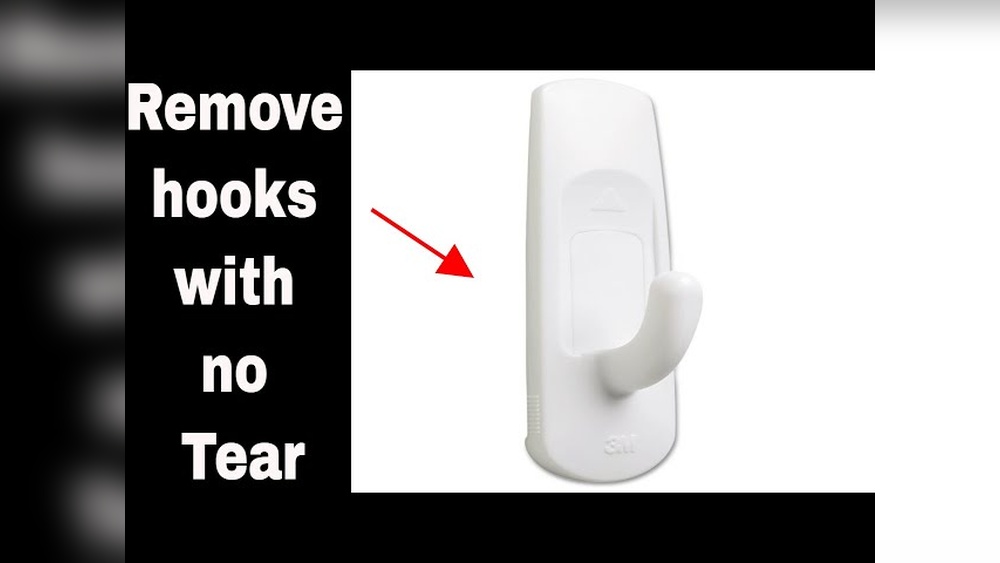
Have you ever tried to remove hooks from your wall, only to end up with marks, holes, or even damaged paint? It can be frustrating when something as simple as taking down a hook turns into a messy problem.
But what if you could take them off quickly and cleanly, without any stress or extra work? You’ll discover easy, effective ways to get hooks off your wall smoothly. Keep reading—you’ll save time, protect your walls, and make your space look just the way you want.
Credit: www.velcro.com
Types Of Wall Hooks
Wall hooks come in various types, each designed for different needs. Understanding these types helps you remove them safely and cleanly. Some hooks stick with adhesives, others use nails or screws, and some use special strips for easy removal.
Adhesive Hooks
Adhesive hooks stick directly to the wall. They use a strong glue or sticky pad. These hooks hold light to medium weight items. Removing them requires care to avoid wall damage. Pulling slowly and using heat can help loosen the adhesive.
Nail And Screw Hooks
Nail and screw hooks are fixed with small nails or screws. They hold heavier items securely. Removing these hooks means pulling out the nails or unscrewing. This can leave small holes that need filling. Be gentle to prevent wall cracks.
Command Strips
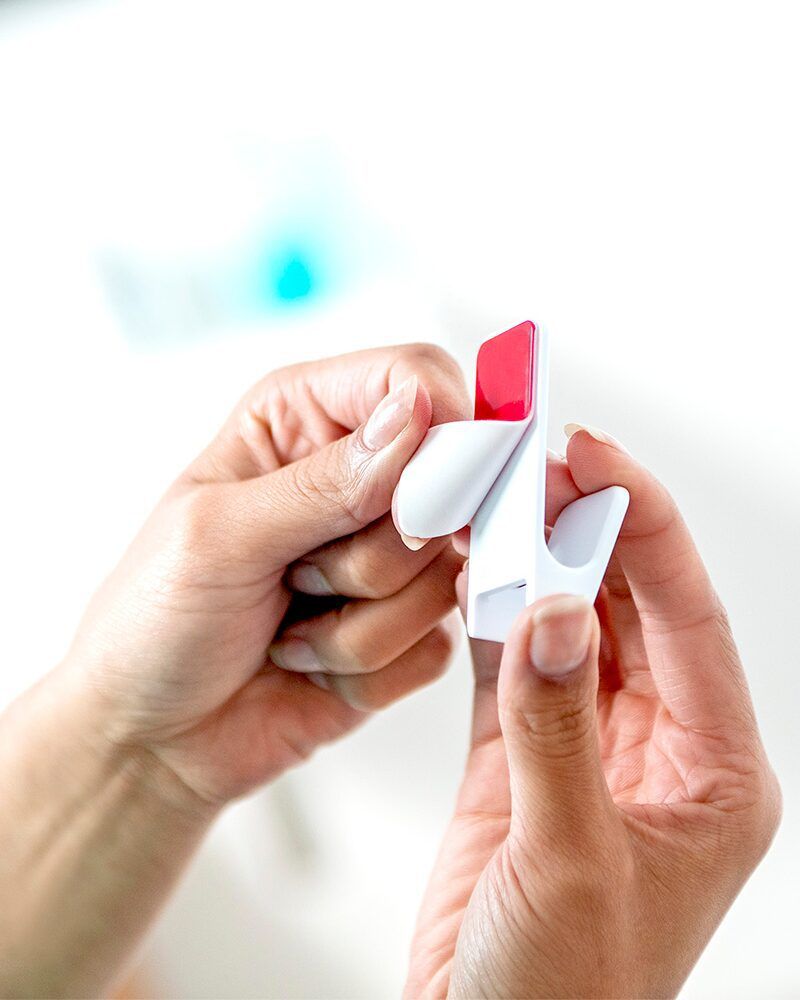
Command strips use a special adhesive that peels off cleanly. They hold various weights and are popular for damage-free hanging. To remove, pull the tab slowly downwards. This stretches the adhesive and releases the hook without marks.
Preparing To Remove Hooks
Removing hooks from walls can damage the paint or surface. Preparing well helps protect your wall. It also makes the process easier and cleaner. Take time to gather the right tools and protect the wall before you start.
Gathering Necessary Tools
Collect a flathead screwdriver, pliers, and a putty knife. Have a sponge and mild soap for cleaning. Use painter’s tape to mark the area. Prepare some spackle or wall filler for holes. Keep a drop cloth or old towel nearby. These tools help you remove hooks safely and fix any damage.
Protecting Wall Surfaces
Cover the floor or furniture under the hook with a drop cloth. Place painter’s tape around the hook base. This shields paint and keeps edges clean. Avoid pressing too hard on the wall. Handle tools gently to stop scratches or dents. Taking these steps keeps your wall smooth and neat.
Removing Adhesive Hooks
Removing adhesive hooks from walls can be tricky. The goal is to take them off without damaging paint or leaving sticky marks. Follow simple steps to make the process smooth and clean. Start by softening the adhesive, then peel the hook carefully. Finally, clean any leftover residue for a fresh look.
Using Heat To Soften Adhesive
Heat makes the adhesive softer and easier to remove. Use a hairdryer on low heat. Hold it a few inches from the hook. Warm the area for about 30 seconds. This loosens the glue without harming the wall.
Peeling Off Gently
Begin peeling the hook slowly from one corner. Pull it back against the wall, not straight out. Go slowly to avoid peeling paint or damaging the surface. If the hook resists, apply more heat and try again. Patience helps keep walls safe.
Cleaning Residue
Adhesive often leaves a sticky residue after removal. Use a soft cloth with warm, soapy water. Gently rub the sticky spots until they disappear. For tougher residue, try rubbing alcohol or vinegar. Test cleaners on a small wall area first.
Taking Down Nail And Screw Hooks
Taking down nail and screw hooks from the wall is a common task. It helps to clear the space for new decorations or repairs. Doing this carefully keeps your walls neat and ready for the next step.
Using The Right Tools
Choose the right tools to remove hooks safely. Use a flathead screwdriver or a pair of pliers. A claw hammer can also help pull out nails gently. Make sure the tools fit well to avoid slipping.
Minimizing Wall Damage
Work slowly to avoid wall damage. Push the hook side to loosen it before pulling. Hold the wall near the hook to support it. This reduces stress and prevents large holes.
Filling Small Holes
Small holes from nails or screws need filling. Use spackling paste or wall filler for best results. Apply with a putty knife and smooth it out. Let it dry before sanding for a clean finish.
Detaching Command Strips Safely
Removing hooks from walls without damage requires care. Command strips stick well but also remove cleanly if handled right. Learning how to detach them safely protects your paint and wall surface. This section explains easy steps to take off Command strips without trouble.
Stretching The Strip Method
Pull the strip slowly straight down. Do not pull outward or at an angle. Keep pulling until the strip stretches and releases from the wall. Stretching loosens the glue gently. This stops the paint from peeling or tearing off.
Use your fingers to grip the tab firmly. Stretch it down along the wall. The strip will stretch several inches before it detaches. Do not rush this step. Slow pulling is key for safe removal.
Avoiding Paint Peeling
Peeling happens when strips pull too hard or too fast. Stretch the strip straight down to reduce pressure on paint. If paint is old or fragile, test on a small area first. Avoid using sharp tools to pry off the strip.
Keep the wall dry and clean before removing the strip. Moisture or dirt weakens paint adhesion. Let the strip stretch fully before lifting it away. These small steps keep your paint intact and smooth.

Credit: www.reddit.com
Repairing Wall Damage
Removing hooks from the wall often leaves small holes and marks behind. Fixing these spots helps your wall look clean and smooth again. Repairing wall damage is simple with the right steps. It keeps your room fresh and ready for new decorations.
Filling Holes And Cracks
Start by cleaning the holes and cracks. Use a putty knife to apply wall filler or spackle. Press the filler firmly into the hole for a tight seal. Let it dry fully before moving to the next step. Small holes need only a thin layer of filler.
Sanding And Smoothing
After the filler dries, sand the area gently. Use fine-grit sandpaper to smooth the surface. Sand in small circles until the patch matches the wall. Wipe away dust with a dry cloth. The goal is a flat, even finish without bumps.
Touching Up Paint
Match the paint color to your wall. Use a small brush to cover the patched area. Apply thin, even coats for the best look. Let each coat dry before adding another. This step blends the repair into the rest of the wall.
Preventing Damage When Hanging Hooks
Hanging hooks on walls can be very useful. They hold keys, coats, or decorations. But putting hooks in the wrong way can damage your wall. Preventing damage keeps your walls clean and strong. It saves money and time on repairs. Small steps during hanging make a big difference.
Choosing The Right Hook Type
Choose hooks based on wall type and weight. Lightweight hooks work well on drywall. Heavy items need stronger hooks with anchors. Adhesive hooks suit smooth surfaces but hold less weight. Metal or plastic hooks fit different uses. Picking the right hook stops wall holes and cracks.
Proper Installation Techniques
Use a level and pencil to mark spots. Drill small pilot holes for screws in hard walls. Insert wall anchors for extra support. Tighten hooks gently without over-screwing. Avoid hammering nails too deep or hard. Check the hook’s strength before hanging items. Correct installation protects your wall and hook.

Credit: www.walmart.com
Frequently Asked Questions
How Do I Safely Remove Hooks From Walls?
To safely remove hooks, gently twist or pull the hook while supporting the wall. Use pliers for stubborn hooks. Avoid force to prevent wall damage.
What Tools Help Remove Wall Hooks Easily?
Common tools include pliers, screwdrivers, and putty knives. Pliers grip hooks, screwdrivers unscrew them, and putty knives help pry hooks carefully.
How To Fix Holes After Removing Hooks?
Fill holes with spackle or wall filler. Smooth with a putty knife, let dry, then sand lightly. Paint over for a seamless finish.
Can Adhesive Hooks Be Removed Without Damage?
Yes, heat the adhesive with a hairdryer to soften it. Slowly peel the hook off to avoid paint peeling or wall damage.
Conclusion
Removing hooks from walls does not have to be hard. Use gentle tools and steady hands. Take your time to avoid damage. Clean the wall after removing the hook. Small holes can be fixed with putty. Paint over the patched area for a smooth look.
These simple steps help keep your walls neat and ready for new decorations. You can do this easily with care and patience. No need to rush or worry. Your walls will look good again soon.