If you’ve ever needed to lift your car for maintenance or repairs, you know how important a reliable floor jack is. But using a manual floor jack might seem tricky if you’re not familiar with it.
Don’t worry—this guide will show you exactly how to use your manual floor jack safely and effectively. By the end, you’ll feel confident tackling tasks like changing a tire or inspecting your vehicle without stress or confusion. Ready to learn the simple steps that can make a big difference?
Let’s dive in.
Credit: www.yumpu.com
Choosing The Right Floor Jack
Choosing the right floor jack is important for safety and ease of use. The right jack makes lifting your vehicle easier and safer. You must know what type fits your needs. Size, weight capacity, and build quality also matter. These factors help you pick a jack that works well and lasts long.
Types Of Manual Floor Jacks
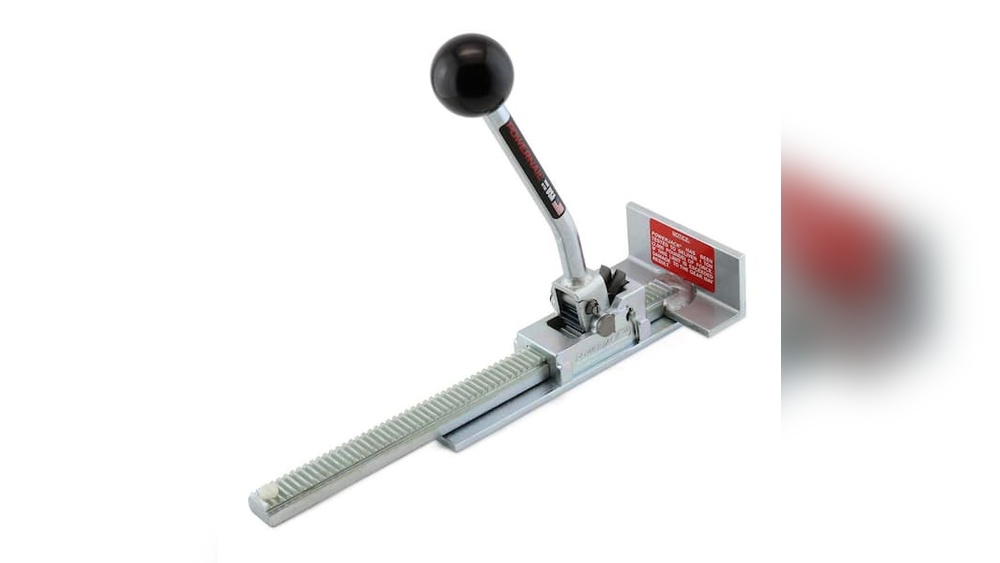
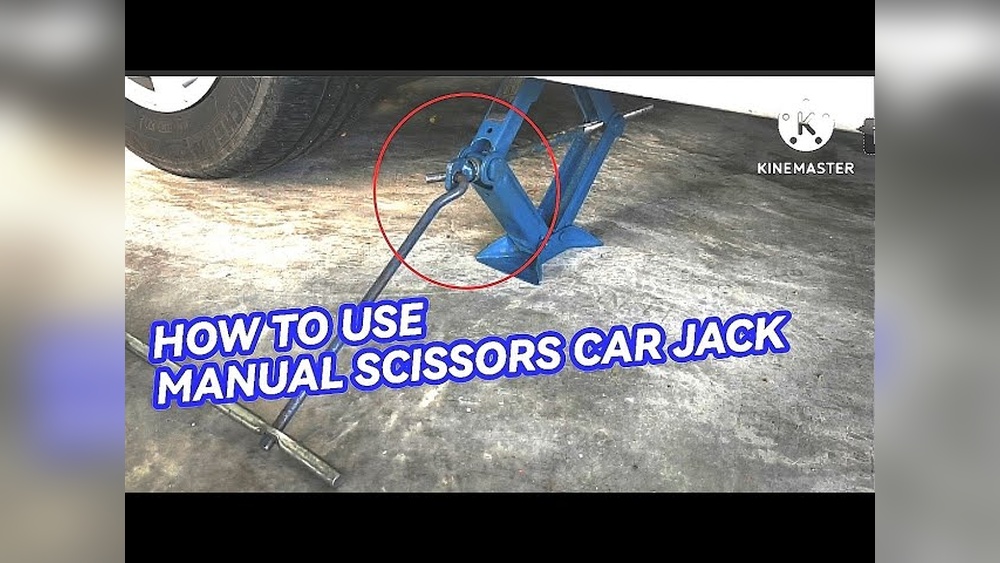
There are several types of manual floor jacks. The most common is the hydraulic jack. It uses fluid pressure to lift heavy loads smoothly. Another type is the scissor jack. It is compact and light but works slower. Bottle jacks are small and strong, good for tight spaces. Choose the type that fits your vehicle and workspace.
Weight Capacity And Size
Check the weight capacity before buying a floor jack. It should handle your vehicle’s weight safely. Too small a jack can be dangerous. Larger jacks lift heavier loads but take more space. Consider the size of your vehicle and garage. Pick a jack that is strong enough and fits your area.
Material And Build Quality
The material affects the jack’s strength and durability. Steel jacks are strong and long-lasting but heavy. Aluminum jacks are lighter and easier to carry. Good build quality means better safety and reliability. Look for solid welds and smooth moving parts. A well-built jack lasts longer and works better.
Preparing Your Workspace
Preparing your workspace is the first step to using a manual floor jack safely and effectively. A clean, stable area helps you work without distractions or accidents. Taking time to set up your space saves effort later and protects you and your vehicle.
Clearing The Area
Remove all items around your work zone. Tools, boxes, and debris can cause trips or block your movements. Keep only what you need nearby. This gives you room to move and reduces risks while operating the jack.
Checking The Surface
Place the jack on a flat, hard surface. Avoid soft ground or uneven floors. These surfaces can cause the jack to slip or sink. Concrete or asphalt floors are best. A stable surface ensures the jack lifts your vehicle safely.
Gathering Safety Equipment
Wear gloves to protect your hands. Safety glasses shield your eyes from dust or debris. Use wheel chocks to stop the vehicle from rolling. These simple tools keep you safe during the lifting process. Never skip safety gear.
Inspecting The Floor Jack
Inspecting the floor jack is the first step before use. It keeps you safe and prevents damage. A careful check finds problems early. Never skip this step.
Checking For Damage
Look for cracks or dents on the jack body. Check the handle for bends or rust. Examine the wheels to ensure they roll smoothly. Broken parts can cause accidents. Replace any damaged parts before use.
Testing The Hydraulic System
Pump the handle slowly to raise the jack. Notice if it lifts smoothly without jerks. Watch for oil leaks around the hydraulic cylinder. The jack must hold pressure when raised. Any drop means the system leaks or fails. Fix leaks before using the jack.
Lubricating Moving Parts
Apply light oil to the pivot points and wheels. This keeps parts moving easily and stops rust. Wipe off old grease and dirt first. Regular lubrication helps the jack last longer. It also makes lifting easier and safer.
Positioning The Floor Jack
Positioning the floor jack correctly is crucial for safety and efficiency. A well-placed jack supports the vehicle firmly. It also prevents damage to your car and injury to yourself. Follow clear steps to position the jack right. This section covers how to find jack points, align the jack, and ensure stability.
Locating The Jack Points On Your Vehicle
Jack points are strong spots on your car’s frame. Use these spots to avoid damage. Check your vehicle’s manual for exact locations. Usually, jack points are near the wheels or under the frame rails. Look for small notches or reinforced areas. Never place the jack on plastic parts or the car’s body panels.
Aligning The Jack Correctly
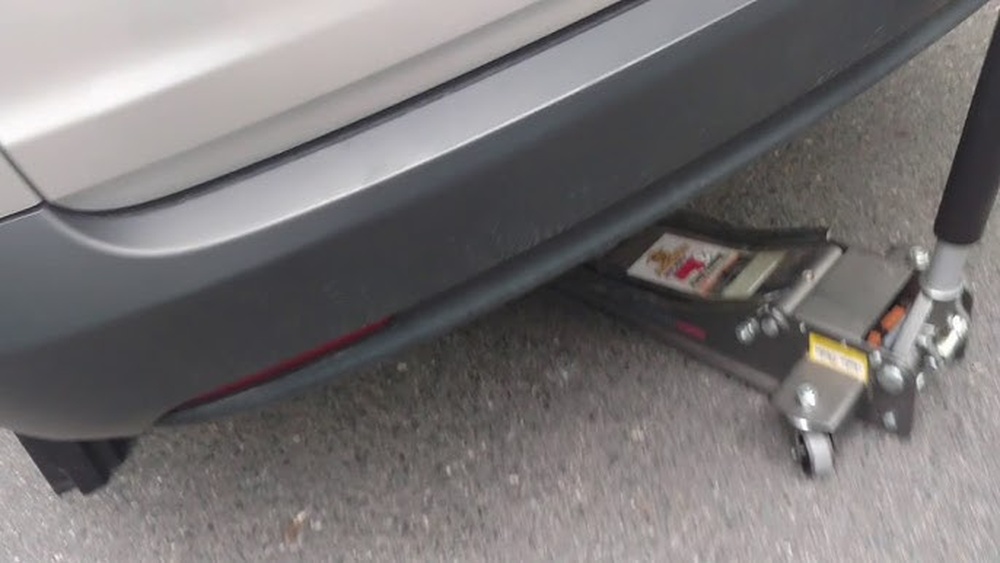
Place the floor jack under the jack point carefully. The jack’s saddle should sit flat against the vehicle. Align it so the lifting pad is centered on the jack point. Avoid tilting the jack or placing it off-center. Proper alignment helps the jack lift evenly and safely.
Ensuring Stability
Before lifting, check that the jack is stable. The jack base must rest on a flat, solid surface. Avoid soft or uneven ground. Use a piece of wood if the ground is soft. Double-check the jack’s position and the car’s balance. Never work under a vehicle supported only by a jack. Use jack stands for extra safety.
Operating The Floor Jack
Operating a manual floor jack safely is key to lifting a vehicle without trouble. Understanding how to control the jack helps avoid accidents. Follow simple steps to handle the jack properly. This section explains how to use the jack smoothly and safely.
Pumping The Handle
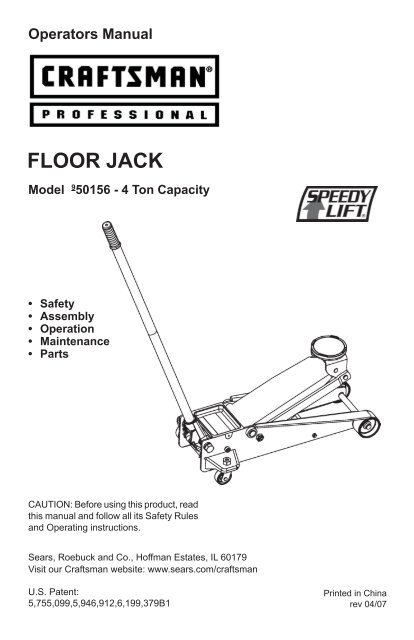
Start by placing the jack’s handle in the pumping position. Pump the handle up and down slowly. Each pump lifts the jack’s arm higher. Keep a steady rhythm for smooth lifting. Do not rush or use too much force. Gentle pumping keeps the jack stable and safe.
Raising The Vehicle Smoothly
Position the jack under the vehicle’s lifting point. Pump the handle slowly to lift the vehicle. Watch the vehicle rise evenly without tilting. Stop pumping once the vehicle is off the ground. Avoid sudden movements to prevent slipping. Smooth lifting protects your vehicle and yourself.
Monitoring The Lift Height
Check the height as you pump the jack. Use the vehicle’s manual for the correct lift height. Do not raise the vehicle higher than needed. Overlifting can cause instability and danger. Always keep an eye on the jack and vehicle’s position. Safe height means safe work beneath the vehicle.
Securing The Vehicle
Securing the vehicle is the most important step before using a manual floor jack. It keeps the car safe and stops it from moving. This step protects you from accidents and injury while working under the vehicle.
Taking time to secure the vehicle properly helps the lifting process. The car must stay steady and strong on the jack. Use tools like jack stands and wheel chocks to make the vehicle firm and stable.
Using Jack Stands
Place jack stands under the car after lifting it with the floor jack. Use the car’s frame or manufacturer’s lifting points for support. Lower the car slowly onto the stands. Never rely only on the jack to hold the vehicle up.
Jack stands add strong, steady support. They keep the vehicle from falling if the jack slips or fails. Choose stands that match the vehicle’s weight for safety.
Chocking The Wheels
Put wheel chocks on the tires that stay on the ground. Chocks stop the car from rolling or moving. Use sturdy blocks or wedges made for this purpose.
Place chocks in front of and behind the wheels. This locks the vehicle in place. Use chocks even if the car is on a flat surface to prevent accidents.
Double-checking Stability
Check the car’s stability before working under it. Push the vehicle gently to see if it moves or wobbles. Make sure the jack stands are tight and secure.
Look under the car to verify the jack and stands hold the weight. Do not start work until the vehicle feels solid and safe. Safety first, always.
Lowering The Vehicle Safely
Lowering a vehicle safely is a key step when using a manual floor jack. This process needs care and slow movements. Safety should be your top priority to avoid accidents or damage to the vehicle. Follow these simple steps to lower the vehicle smoothly and securely.
Releasing The Jack Valve Slowly
Start by finding the jack valve. Turn the valve very slowly. This controls the flow of hydraulic fluid. The jack will begin to lower the vehicle gently. Do not turn the valve too fast. A quick release can cause the vehicle to drop suddenly. Move the valve until the vehicle is close to the ground.
Removing Jack Stands
Once the vehicle is near the ground, remove the jack stands carefully. Make sure the vehicle is stable before lifting the stands. Take out the stands slowly to avoid sudden shifts. Keep your hands clear of any moving parts. Place the stands away from the work area to prevent tripping.
Final Safety Checks
Check that the vehicle rests fully on the ground. Ensure all wheels are touching the surface evenly. Look under the vehicle for any tools or objects left behind. Confirm the jack is fully lowered and can be removed easily. Never leave the vehicle lifted without support during work.
Common Safety Tips
Using a manual floor jack safely is very important. It helps prevent accidents and injuries. Following basic safety tips keeps you and others safe while lifting a vehicle. Always pay close attention to safety rules.
Avoiding Overloading
Never lift more weight than the jack’s limit. Check the jack’s capacity before use. Overloading can cause the jack to break or fail. This might lead to the vehicle falling. Use the right jack for your vehicle size.
Keeping Hands Clear
Keep your hands away from moving parts. Do not place fingers near the lifting arm or under the vehicle. Hands can get pinched or crushed easily. Use tools or handles designed for operating the jack. Stay alert while raising or lowering the vehicle.
Working On Level Ground
Always place the jack on flat, solid ground. Uneven surfaces can cause the jack to tip over. Avoid soft or sloped areas like dirt or grass. Level ground keeps the vehicle stable during lifting. Use wheel chocks to stop the vehicle from rolling.
Maintaining Your Floor Jack
Maintaining your manual floor jack keeps it working safely and well. Regular care stops damage and helps the jack last longer. Small habits make a big difference in its performance and reliability.
Regular Cleaning
Clean your floor jack after each use. Wipe dirt and dust off all surfaces. Use a damp cloth to remove grease and grime. Avoid water near hydraulic parts to stop rust. Keep wheels free from debris for smooth movement.
Replacing Hydraulic Fluid
Check the hydraulic fluid level often. Low fluid makes lifting harder and can cause damage. Drain old fluid and refill with new hydraulic oil. Use the type recommended by the jack’s manual. Bleed air from the system to keep it working properly.
Storing Properly
Store your floor jack in a dry place to prevent rust. Keep it on a flat surface to avoid damage. Lower the jack fully before storing to reduce pressure on parts. Cover it with a cloth or plastic to block dust and moisture.
Credit: www.webstaurantstore.com

Credit: www.scribd.com
Frequently Asked Questions
What Is A Manual Floor Jack Used For?
A manual floor jack lifts vehicles safely for repairs or maintenance. It offers controlled elevation using a hydraulic mechanism. It is ideal for garages and roadside emergencies. It helps avoid manual strain and ensures stability.
How Do I Position A Manual Floor Jack Correctly?
Place the jack under the vehicle’s lifting point, usually near the wheel or frame. Ensure the surface is flat and stable. Align the jack saddle with the lifting point before pumping. This guarantees safe and effective lifting.
How Much Weight Can A Manual Floor Jack Lift?
Most manual floor jacks can lift between 2 to 3 tons. Always check the jack’s maximum capacity before use. Never exceed the weight limit to avoid accidents. Use a jack rated for your vehicle’s weight.
How Do I Safely Lower A Manual Floor Jack?
Turn the release valve slowly to lower the jack gently. Keep clear of the vehicle while lowering. Lowering too fast can cause instability. Always follow the manufacturer’s instructions for safe operation.
Conclusion
Using a manual floor jack is simple with the right steps. Always check the jack’s condition before use. Place it on a flat, solid surface for safety. Lift the vehicle slowly and keep an eye on stability. Never go under the car without proper support stands.
After finishing, lower the jack carefully. Practice makes the process easier and safer. Following these tips helps you work confidently and avoid accidents. A manual floor jack is a useful tool when handled correctly.