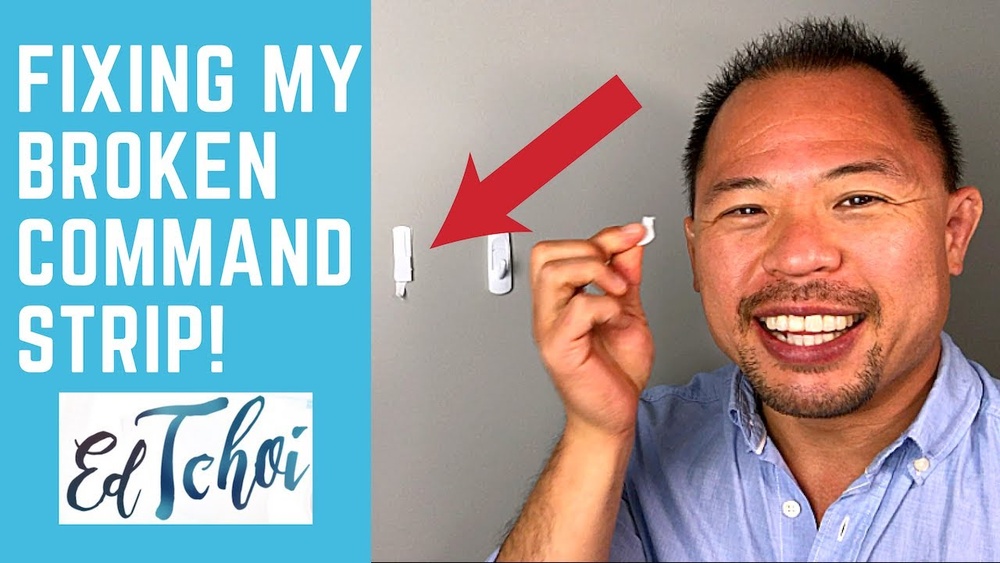
Have you ever tried to remove a Command Hook from your wall, only to have the tab break off in your hand? It’s frustrating, right?
You’re left wondering how to get that stubborn hook off without damaging your paint or drywall. Don’t worry—you’re not alone, and there’s a simple way to fix this. You’ll discover easy, step-by-step tips to safely remove that broken Command Hook and keep your walls looking perfect.
Keep reading, because the solution is easier than you think!
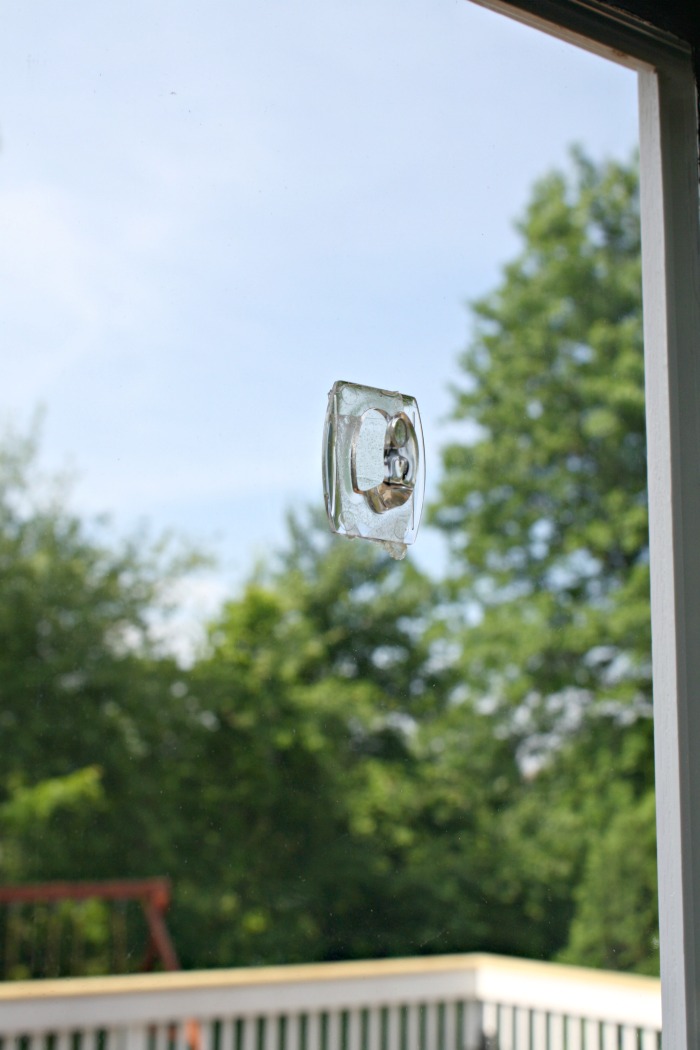
Credit: www.thriftydecorchick.com
Why Command Hooks Stick Strong
Command hooks are popular because they hold items firmly without nails. Many people trust them to hang pictures, keys, or decorations. The secret lies in their strong adhesive. This sticky layer grips walls tightly, yet it can be removed without damage. Understanding why Command hooks stick so well helps with safe removal and reuse.
Adhesive Properties
The adhesive on Command hooks is pressure-sensitive. It becomes stronger as you press it to the wall. This glue is designed to stick to many surfaces without leaving marks. It holds weight by spreading pressure evenly. The adhesive also resists moisture and temperature changes. That is why hooks stay stuck in kitchens or bathrooms.
Common Wall Surfaces
Command hooks work best on smooth surfaces. Painted walls, tiles, glass, and metal are ideal. Rough or porous walls like brick or wallpaper make sticking harder. The adhesive can’t grip well on uneven textures. Clean and dry surfaces improve stickiness. This is important for the hook to hold properly.

Credit: www.thriftydecorchick.com
Risks Of Broken Tabs
Broken tabs on Command Hooks create risks that many do not expect. These small pieces hold the hook firmly to the wall. When they snap, problems can start quickly. Knowing the risks helps you act carefully and avoid damage.
Potential Wall Damage
Broken tabs can cause parts of the wall to peel or chip. The adhesive may pull off paint or drywall paper. This leaves marks that need repair. The harder you pull, the more damage can happen. Walls with old paint or soft surfaces are at higher risk.
Challenges In Removal
Removing a hook with broken tabs is tricky. The usual pull method may no longer work. Tabs inside the adhesive strip are hard to reach. You might need tools or special techniques. This can take more time and effort. Mistakes can cause holes or leftover sticky residue.
Tools You’ll Need
Removing a Command hook when the tab breaks can be tricky. Having the right tools ready will make the task easier and safer for your wall. This list covers common household items and some specialized tools that help you get the job done with less damage.
Household Items
Start with items you likely have at home. A hairdryer can heat the adhesive to soften it. Use dental floss or fishing line to gently saw behind the hook. A plastic card, like an old credit card, helps to pry the hook off slowly. Rubbing alcohol breaks down sticky residue left on the wall. A soft cloth or sponge cleans the surface after removal.
Specialized Tools
Some tools make this task simpler and cleaner. A putty knife with a thin blade slides under the hook to lift it. Adhesive remover solutions target tough glue without harming paint. A heat gun works like a hairdryer but with more power. Precision tweezers help pull small broken pieces from the wall. Use a sanding block lightly to smooth rough spots after removal.
Step-by-step Removal Techniques
Removing a Command Hook from the wall can be tricky, especially if the tab breaks. The key is to use gentle and careful methods. These step-by-step techniques help you remove the hook without damaging the wall. Follow each method slowly and patiently for the best results.
Using Dental Floss Or Fishing Line
Take a piece of dental floss or fishing line. Slide it behind the broken tab and the wall. Use a gentle sawing motion to cut through the adhesive. Keep pulling the floss slowly to avoid tearing the paint. This method works well for stubborn hooks.
Applying Heat For Softening Adhesive
Use a hairdryer on low heat to warm the adhesive. Heat softens the glue, making it easier to remove. Hold the dryer a few inches from the wall. Warm the area for about 30 seconds. Try to peel the hook off gently after heating.
Utilizing Rubbing Alcohol
Apply rubbing alcohol to a cotton ball or cloth. Dab it around the broken tab and adhesive. Alcohol helps dissolve the sticky residue. Let it sit for a few minutes to work. Gently rub the area to loosen the adhesive.
Careful Peeling Method
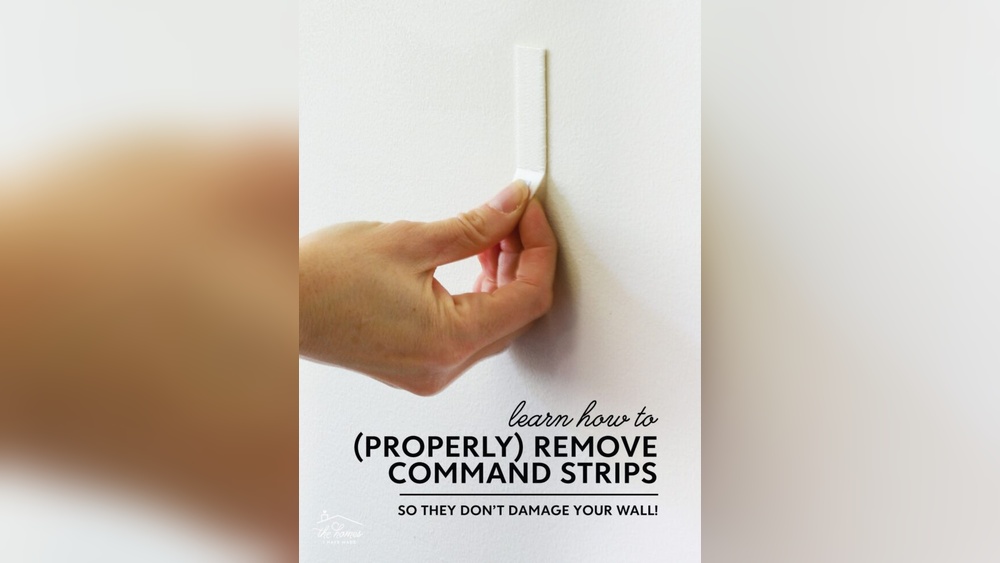
Start peeling the hook slowly from the wall. Use your fingers or a plastic scraper to lift the edges. Pull the hook downwards at a 90-degree angle. Avoid pulling straight out to prevent wall damage. Take your time to keep the surface smooth.
Preventing Damage To Walls
Removing a Command Hook without harming the wall needs care. This is especially true if the tab breaks while pulling. Avoiding wall damage keeps your space neat and saves repair time. Follow these tips to protect your walls and remove hooks cleanly.
Gentle Pressure Tips
Apply slow and steady pressure to the hook’s base. Do not yank or twist hard. Use a soft cloth to hold the hook firmly. Pull the adhesive strip straight down, close to the wall. Keep the motion smooth and even. This reduces the risk of pulling off paint or drywall.
Avoiding Paint Peeling
Heat the adhesive strip gently with a hairdryer for a few seconds. Warmth softens the glue, making it easier to remove. Avoid scraping the wall with sharp objects. Use your fingers or a plastic card to lift edges. Stop if you see paint lifting and try warming again. This prevents peeling and keeps your wall surface intact.

Credit: www.reddit.com
Alternative Fixes If Removal Fails
Sometimes, the tab on a Command Hook breaks during removal. The hook may still stick to the wall. This can leave behind sticky residue or damage. There are ways to handle this if removal fails. These alternative fixes help clean the wall and repair any marks. They make the wall ready for new hooks or decorations.
Using Adhesive Removers
Adhesive removers work well on leftover sticky residue. Use a small amount on a cloth. Gently rub the area with residue. This softens and breaks down the glue. Avoid harsh scrubbing to protect the paint. Choose removers safe for your wall type. Test a small spot first to check for damage. After removal, wipe the area with a damp cloth. Let the wall dry before applying anything new.
Repairing Wall Surface
Sticky residue can sometimes pull paint or leave marks. Use spackle or wall filler to fix small holes. Apply a thin layer with a putty knife. Smooth it out and let it dry completely. Sand the surface gently for an even finish. If needed, touch up with matching paint. This restores a clean, smooth wall surface. The wall looks fresh and ready for new hooks or art.
Tips For Future Command Hook Use
Using Command Hooks correctly helps avoid damage and makes removal easier. Follow simple tips to get the best results every time. Proper use extends the hook’s life and keeps walls safe. These easy steps make hanging and removing items smooth and stress-free.
Proper Application
Clean the wall surface before applying the hook. Use rubbing alcohol, not soap or water. Let the surface dry completely. Press the hook firmly for 30 seconds. Wait one hour before hanging anything. Check the weight limit on the package. Do not overload the hook. Use the right hook size for your item.
Safe Removal Practices
Pull the tab slowly, stretching it straight down. Avoid pulling the tab away from the wall. Do not yank or twist the hook. If the tab breaks, try to gently slide a plastic card behind the adhesive. Use heat from a hairdryer to soften the glue. Remove residue with rubbing alcohol. Take your time to protect the paint. Proper removal keeps walls smooth and clean.
Frequently Asked Questions
How To Safely Remove A Broken Command Hook Tab?
To safely remove a broken Command Hook tab, apply gentle heat with a hairdryer. This softens the adhesive. Slowly stretch the adhesive strip downward, not outward, until it releases from the wall without damage.
Can Rubbing Alcohol Help Remove Command Hook Residue?
Yes, rubbing alcohol can dissolve leftover adhesive residue. Apply a small amount on a cloth and gently rub the area. This cleans the surface without harming paint or wallpaper.
What If The Command Hook Adhesive Sticks Too Tightly?
If the adhesive is too stubborn, heat it with a hairdryer for 30 seconds. Use dental floss or fishing line to saw gently between the hook and wall. This reduces damage risk.
How To Prevent Wall Damage When Removing Command Hooks?
Always pull the adhesive strip slowly and straight down. Avoid pulling outward or twisting. Use heat to soften adhesive. This minimizes paint peeling and wall damage.
Conclusion
Removing a Command Hook with a broken tab can feel tricky. Stay calm and use gentle tools like dental floss or a hairdryer. Take your time to avoid wall damage. Small steps make a big difference. Now, you can keep your walls clean and neat without stress.
Try these tips next time you face this issue. Simple actions lead to great results.