Have you ever wondered how beds stay firmly in place, even when you move around during the night? If your bed shifts or wobbles, it can be frustrating and disrupt your sleep.
Understanding how beds anchor to the wall can help you create a safer, more stable sleeping space. You’ll discover simple techniques and tips to secure your bed, making your bedroom more comfortable and worry-free. Keep reading to find out how you can stop your bed from sliding and enjoy peaceful nights every time.
Credit: navigatepa.com
Types Of Bed Anchors
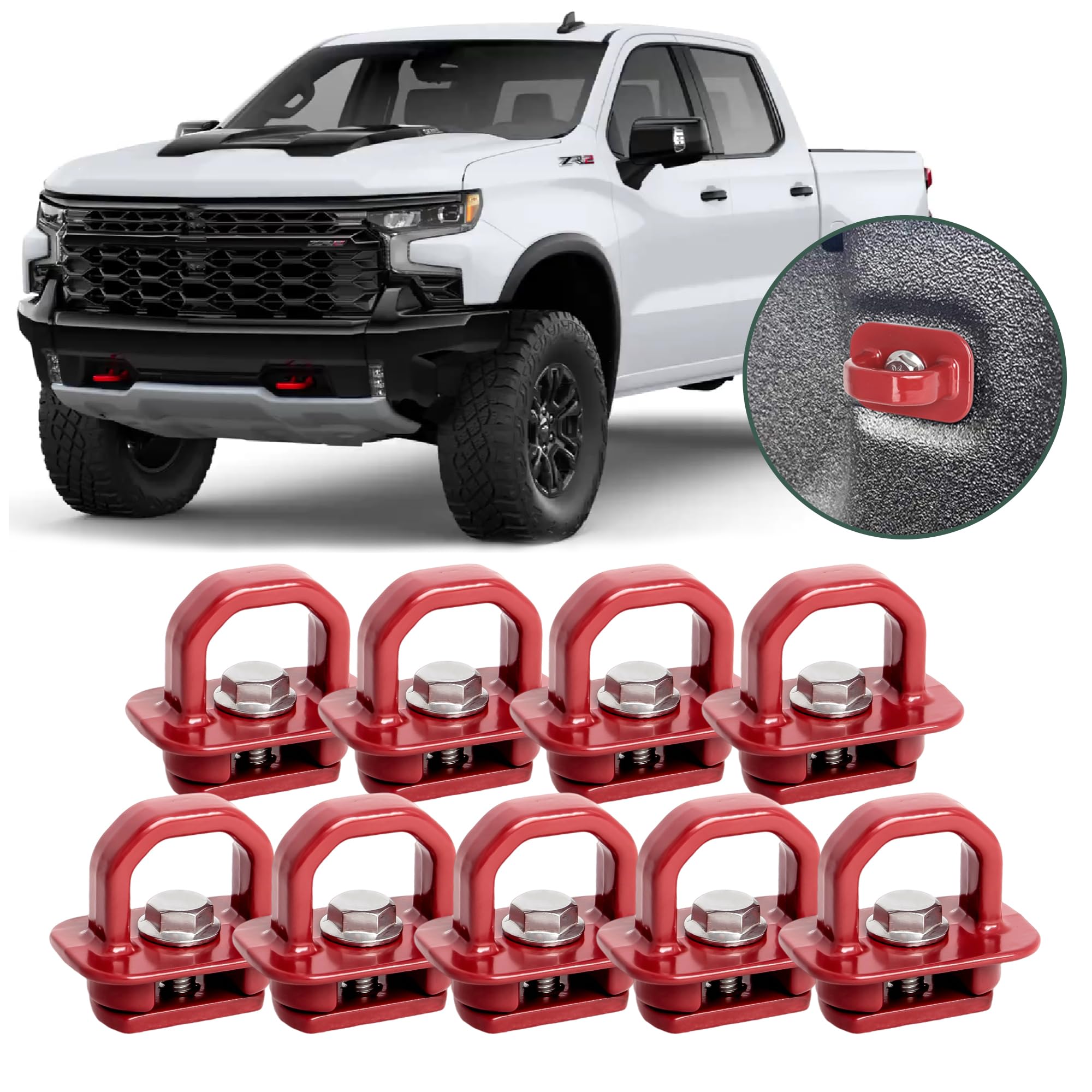
Bed anchors keep your bed stable and safe. They stop beds from moving or tipping over. Different types of bed anchors suit different needs. Choose one based on your bed type and wall material. Here are common types of bed anchors used to fix beds to walls.
Wall-mounted Brackets
Wall-mounted brackets attach directly to the wall. They hold the bed frame firmly in place. Made of metal, they are strong and durable. Installation requires screws and a drill. These brackets fit most bed frames and walls. They prevent the bed from sliding or shaking.
L-brackets
L-brackets are shaped like the letter “L”. One side attaches to the bed frame, the other to the wall. They provide solid support and stability. Easy to install with simple tools. L-brackets work well for wooden and metal beds. They keep the bed steady during use.
Strap Anchors
Strap anchors use strong straps to hold the bed. One end secures to the wall, the other to the bed frame. They are flexible and easy to adjust. Ideal for beds that need gentle anchoring. Straps prevent the bed from tipping forward or sideways. They suit many bed styles and wall types.
Anti-tip Kits
Anti-tip kits are safety devices to stop bed tipping. They often include brackets, screws, and straps. Designed to protect children and elderly users. Kits attach the bed firmly to the wall. They reduce accidents caused by bed movement. Easy to install with clear instructions.
Materials And Tools Needed
Anchoring a bed to the wall keeps it steady and safe. Using the right materials and tools makes the job easier. This section explains what you need to secure your bed properly.
Choosing correct materials and tools helps avoid damage to the wall or bed. Safety gear protects you during the process. Keep reading to learn about each item.
Anchor Materials
Wall anchors are strong supports that hold screws in drywall or plaster. Use metal anchors for heavy beds or wooden anchors for lighter frames. Lag bolts provide extra strength for solid walls.
Brackets connect the bed frame to the wall securely. Choose metal brackets with pre-drilled holes for easy installation. Use washers with screws to prevent damage to the frame.
Required Tools
A drill makes holes in walls for anchors and screws. Choose a drill bit that matches the anchor size. A screwdriver tightens screws and bolts firmly.
A measuring tape ensures accurate placement of anchors on the wall. A pencil marks the drill points clearly. Use a level to keep brackets straight and even.
Safety Gear
Wear safety glasses to protect your eyes from dust and debris. Gloves protect your hands from sharp edges or splinters. Use ear protection if drilling creates loud noise.
Work in a well-lit space to avoid mistakes and accidents. Clear the area of clutter to move freely while anchoring the bed.
Preparing The Wall And Bed
Preparing the wall and bed is the first step to secure a bed to the wall safely. This process makes sure the bed stays stable and prevents accidents. Proper preparation also helps the bed look neat and last longer.
Each step in preparation requires care and attention. Small mistakes can cause problems later. Focus on the wall and bed before starting the anchoring work.
Locating Studs
Studs are wooden beams inside the wall that hold heavy items. Find the studs to attach the bed firmly. Use a stud finder tool or tap the wall to hear solid sounds. Mark the stud spots clearly for easy access.
Measuring And Marking
Measure the bed frame and wall area carefully. Mark where the anchors will go on both the bed and wall. Use a pencil for light, easy-to-erase marks. Double-check measurements to avoid errors during installation.
Cleaning The Surface
Clean the wall and bed surface before attaching anchors. Remove dust and dirt with a cloth or brush. A clean surface helps the anchors stick better. This step improves safety and the overall look.
Step-by-step Installation Process
Installing bed anchors to the wall keeps your bed safe and steady. This step-by-step guide shows the correct way to attach anchors. Follow each step carefully to ensure a secure setup. Safety and stability come first in every installation.
Attaching Anchors To Bed Frame
Start by locating the anchor points on the bed frame. Use a screwdriver to fix the anchors tightly in place. Make sure the anchors are secure and not loose. Tight anchors prevent any movement of the bed frame.
Securing Anchors To Wall
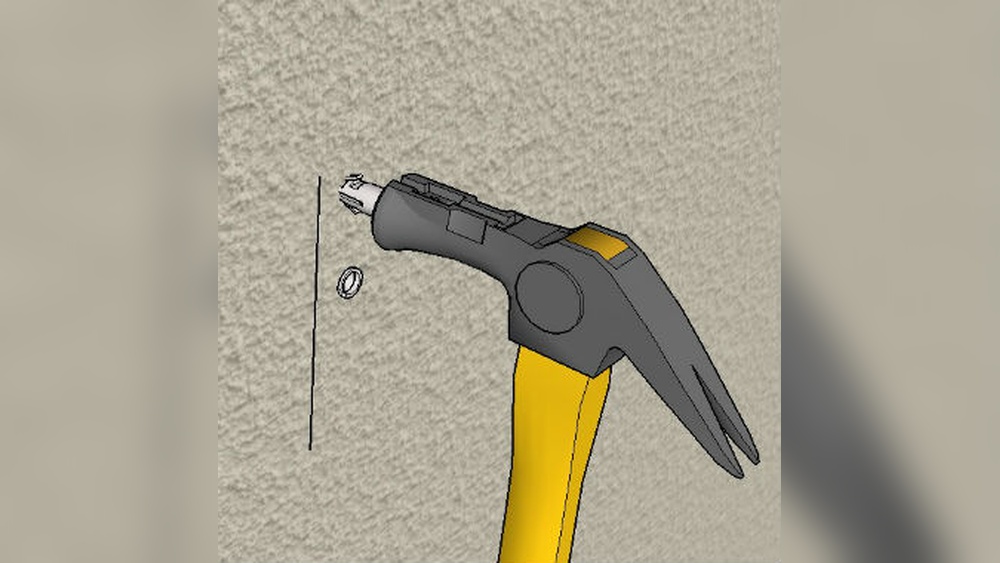
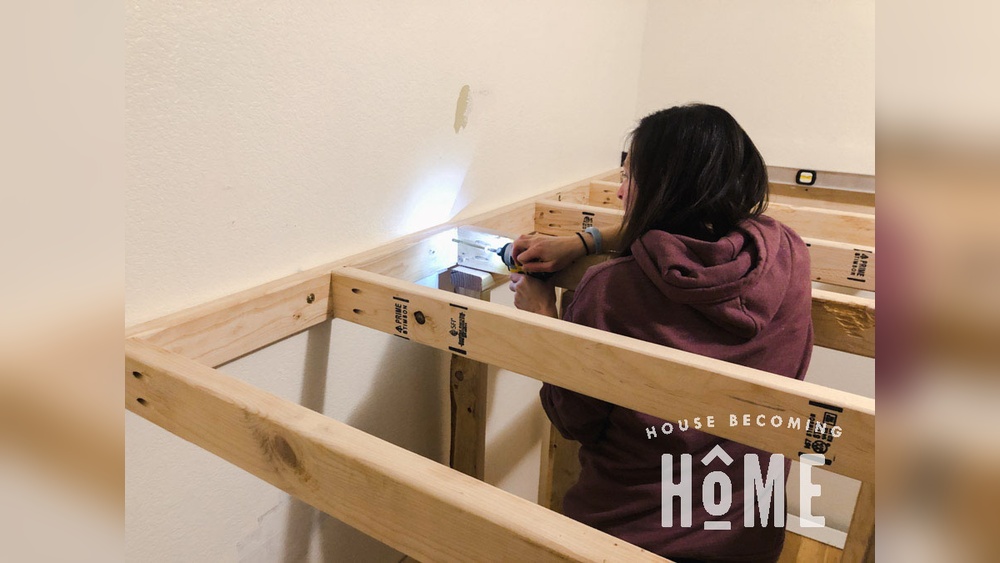
Find the right spot on the wall for the anchors. Use a drill to make holes for the wall anchors. Insert wall anchors firmly into the holes. Attach the bed anchors to the wall anchors with screws. Check that the screws are tight and hold well.
Double-checking Stability
Test the bed by pushing it gently from different sides. The bed should stay firmly in place without wobbling. Tighten any loose screws or anchors if needed. Regularly check the anchors to keep the bed stable over time.
Common Mistakes To Avoid
Anchoring a bed to the wall improves safety and stability. Many people make simple errors that reduce the strength of the anchor. Avoiding these mistakes helps keep the bed firmly in place and prevents damage to your wall or bed frame.
Ignoring Wall Material
Different walls need different anchors. Drywall, brick, and concrete all require specific fasteners. Using the wrong anchor weakens the hold. Always check your wall type before choosing anchors. This step prevents damage and ensures safety.
Using Incorrect Screws
Screws come in many sizes and types. Using screws too short or too thin can cause the bed to loosen. Thick screws may split the bed frame. Choose screws designed for your wall and bed frame. Proper screws hold better and last longer.
Overtightening Fasteners
Too much force can break the wall or damage the bed frame. Overtightening strips the screw holes, making the anchor loose. Tighten screws firmly but gently. Stop turning when you feel resistance. This keeps the anchor strong and secure.
Credit: www.girljustdiy.com
Maintenance And Safety Tips
Keeping bed anchors secure is key to safety and comfort. Regular care helps avoid accidents and damage. Follow these tips to maintain your bed’s anchor system and ensure it stays strong over time.
Regular Inspections
Check anchors every few months. Look for cracks, rust, or wear. Inspect both the wall and bed parts. Early detection stops bigger problems. Use a flashlight to see hidden areas clearly.
Tightening Loose Anchors
Loose anchors cause instability. Use a screwdriver or wrench to tighten bolts and screws. Do not overtighten; this can damage walls. Tight anchors keep the bed steady and safe. Test the bed by gently shaking it.
Upgrading Anchor Systems
Old anchors may weaken over time. Replace them with stronger, modern options. Consider metal anchors for better durability. Choose anchors made for your wall type. Upgrading improves safety and bed support.
When To Seek Professional Help
Knowing when to seek professional help for anchoring a bed to the wall is important. Some situations require expert skills to ensure safety and stability. Avoid risks by understanding when to call a professional.
Complex Wall Types
Walls made of brick, concrete, or plaster need special tools and knowledge. Professionals know how to anchor beds securely without damaging these walls. Handling complex walls alone can cause cracks or weak anchors.
Heavy Or Unusual Beds
Large or uniquely shaped beds need strong support. Experts can suggest the right anchors and installation methods for heavy frames. Incorrect anchoring might lead to accidents or damage to the bed and wall.
Structural Concerns
Some walls support the building’s structure. Drilling or anchoring here requires care to avoid weakening the wall. Professionals assess structural risks and use safe techniques for installation.

Credit: www.reddit.com
Frequently Asked Questions
How Do Beds Anchor To The Wall Safely?
Beds anchor to the wall using brackets or straps fixed to studs. This prevents tipping and enhances stability, especially for tall or heavy beds.
What Tools Are Needed To Anchor A Bed To Wall?
Common tools include a drill, screwdriver, stud finder, level, and mounting brackets or straps. These ensure secure attachment and proper alignment.
Can Any Bed Frame Be Anchored To A Wall?
Most bed frames can be anchored if they have a solid headboard or frame. Adjustable brackets fit various designs but check compatibility first.
Why Should Beds Be Anchored To The Wall?
Anchoring beds prevents tipping accidents, especially in homes with children or pets. It also keeps the bed stable and protects walls from damage.
Conclusion
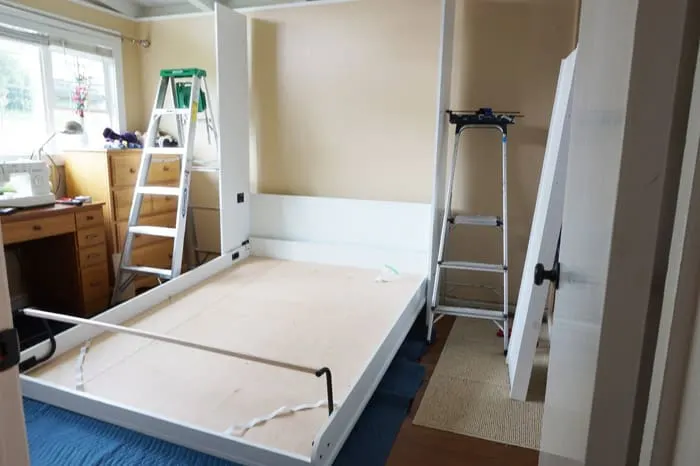
Beds anchor to walls using sturdy brackets or special straps. These keep the bed steady and safe. Anchoring stops the bed from moving or tipping. It also protects you from accidents during sleep. Most anchors attach easily to wall studs for strong support.
Choosing the right anchor depends on your bed type and wall material. Proper installation ensures long-lasting stability. Secure beds help create a peaceful, safe bedroom space. Simple steps make your bed firm and reliable every night.