
Have you ever struggled with a wall anchor that just won’t come out? A stripped wall anchor can be incredibly frustrating, especially when you’re trying to fix or remove something quickly.
But don’t worry—getting it out is easier than you think. In this guide, you’ll learn simple, effective ways to remove a stripped wall anchor without damaging your wall. Keep reading, and you’ll soon have the confidence to tackle this common problem like a pro.
Causes Of Stripped Wall Anchors
Stripped wall anchors happen when the anchor loses its grip inside the wall. This makes it hard to remove or reuse the anchor. Understanding why anchors strip helps prevent damage and saves time during repairs.
Many factors cause stripped anchors. Some relate to how the anchor is installed. Others depend on the type of anchor used. Knowing these causes helps you fix the problem faster.
Common Mistakes
One common mistake is using the wrong drill bit size. A hole too big or too small weakens the anchor’s hold. Another error is overtightening the screw. This strips the anchor’s threads and loosens its grip.
Not following the anchor instructions also leads to problems. Some anchors need special tools or methods. Ignoring these details can cause the anchor to strip quickly.
Anchor Types Prone To Stripping
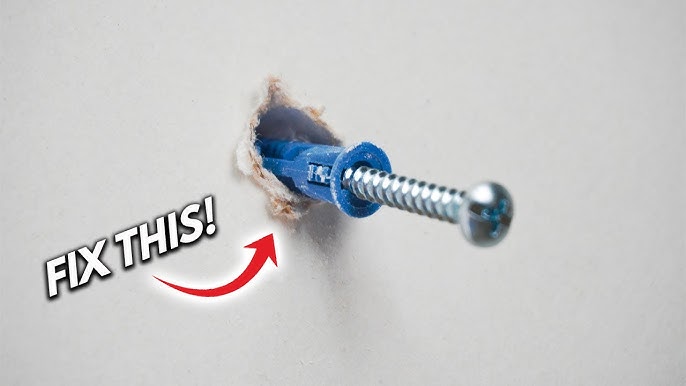
Plastic expansion anchors strip easily if overtightened. Their soft material cannot hold strong pressure. Toggle bolts can strip if the wings do not open fully behind the wall.
Threaded anchors, like self-drilling types, strip if forced too hard. Metal anchors tend to last longer but can still strip with heavy use. Choosing the right anchor type for your wall is key to avoid stripping.
Credit: www.youtube.com
Tools Needed For Removal
Removing a stripped wall anchor needs the right tools. These tools make the job easier and faster. Without them, you might damage your wall or struggle to take the anchor out. Below are common tools you should have ready before starting.
Basic Hand Tools
A screwdriver is essential. Choose one with a good grip and the right size. A pair of pliers helps to pull or twist the anchor. Needle-nose pliers work well for small spaces. A utility knife can cut any surrounding material. A drill with a small bit can loosen stuck anchors.
Specialized Removal Tools
Sometimes, basic tools are not enough. A screw extractor kit is designed to remove stripped screws and anchors. These kits include special bits that grip damaged anchors tightly. An anchor removal tool is made to pull out anchors cleanly. These tools reduce wall damage and save time. Investing in one can make future repairs easier.
Step-by-step Removal Methods
Removing a stripped wall anchor can be tricky. Using the right method helps avoid damage to your wall. This section explains simple, step-by-step ways to remove a stuck anchor. Each method uses common tools you may already have. Follow these steps carefully for the best results.
Using Pliers For Grip
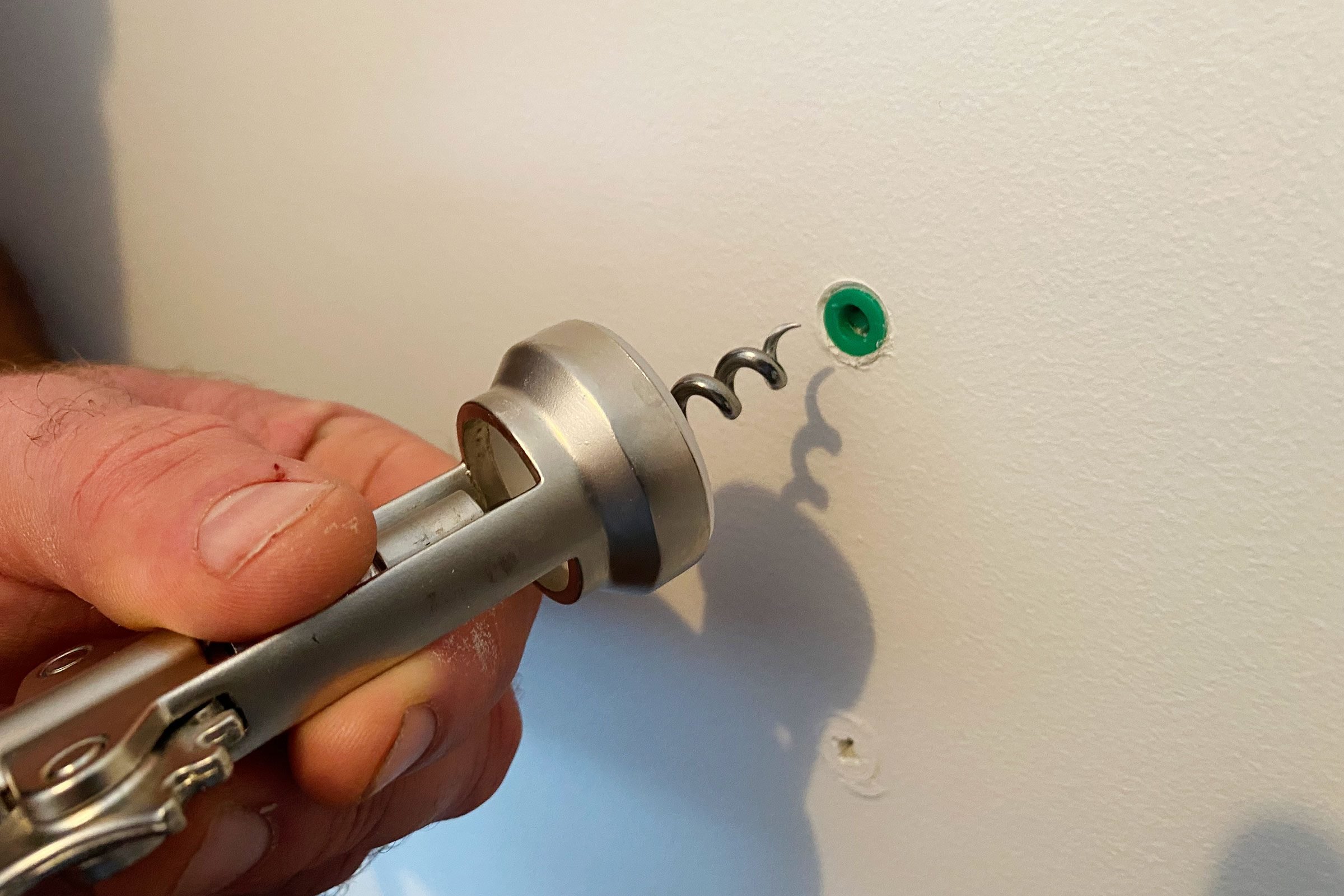
First, try to grip the anchor with pliers. Use needle-nose or locking pliers for better hold. Squeeze the pliers tightly around the anchor’s edge. Pull straight out with steady force. Wiggle the anchor gently if it feels stuck. This method works well if the anchor sticks out slightly.
Twisting With A Screwdriver
Insert a screwdriver into the anchor’s center hole. Turn the screwdriver slowly to twist the anchor. Twist counterclockwise to loosen the anchor’s grip. Apply gentle pressure while twisting. This can help unscrew anchors that are tightly set. Stop if the anchor does not move to avoid wall damage.
Leveraging A Flathead Screwdriver
Place a flathead screwdriver under the anchor’s edge. Use the screwdriver as a lever to pry the anchor out. Push down on the handle to lift the anchor away from the wall. Work carefully to avoid making holes or cracks. This technique suits anchors that sit flush with the wall surface.
Drilling Out The Anchor
Use a drill with a bit slightly smaller than the anchor. Drill slowly into the anchor’s center. The drilling will break the anchor apart inside the wall. Remove the broken pieces with pliers or vacuum. This method is last resort for anchors that won’t come out by hand. Wear safety goggles to protect your eyes.
Quick Fixes For Stubborn Anchors
Stubborn wall anchors can be a real hassle. They get stuck and refuse to come out easily. Luckily, some quick fixes can help loosen these anchors without damaging the wall.
These simple methods use common tools and household items. They save time and reduce frustration. Try these tips for a smoother anchor removal process.
Applying Lubricant
Lubricant can reduce friction between the anchor and the wall. Use a small amount of WD-40 or cooking oil. Apply it carefully around the anchor’s edges. Let it sit for a few minutes to work.
This helps the anchor slide out more easily. Wipe off any excess lubricant afterward to avoid stains.
Using Heat To Loosen
Heat can expand metal anchors and loosen them. Use a hairdryer on medium heat. Hold it close to the anchor for a few minutes.
Warm the area evenly without overheating the wall. The heat softens the anchor’s grip. Try pulling it out gently after heating.
Tapping Gently To Dislodge
Gently tapping around the anchor can help break its hold. Use a small hammer or the back of a screwdriver.
Tap lightly around the anchor’s edges. This vibration may loosen it enough to pull out. Avoid hard hits to prevent wall damage.
Preventing Future Stripping
Preventing future stripping of wall anchors saves time and effort. Proper care during selection and installation stops anchors from failing. Simple steps help keep anchors secure and reliable for holding objects on walls.
Choosing The Right Anchor
Select anchors based on wall material and weight. Drywall, plaster, and concrete need different anchors. Use anchors rated for the load size. Avoid using too small anchors for heavy items. Proper anchor choice reduces the risk of stripping.
Proper Installation Tips
Drill the correct hole size before inserting anchors. Holes too big or small cause poor fit and stripping. Insert anchors straight and flush with the wall. Use tools designed for anchor installation. Follow package instructions carefully for best results.
Avoiding Over-tightening
Tighten screws gently to avoid damaging anchors. Over-tightening strips the anchor’s grip and weakens support. Stop turning screws as soon as resistance is strong. Use a screwdriver with good control or a drill with torque settings. Careful tightening ensures anchors hold firmly without damage.
Credit: www.familyhandyman.com
Repairing The Wall After Removal
Removing a stripped wall anchor can leave your wall looking rough and damaged. Repairing the wall after removal is important to restore its smooth surface. This process includes filling holes, sanding, and repainting. Each step helps to hide any marks and make the wall look like new again.
Filling Holes
Start by cleaning the hole to remove dust and debris. Use a putty knife to apply wall filler or spackle. Press the filler firmly into the hole. Overfill slightly to allow for shrinking. Let it dry completely before moving on. This step creates a solid base for the next steps.
Sanding And Smoothing
Once the filler is dry, sand the area gently with fine-grit sandpaper. Sand until the surface is even with the surrounding wall. Wipe away dust with a damp cloth. Smooth walls help paint stick better and look cleaner. Take your time to avoid scratches or uneven spots.
Repainting Techniques
Choose paint that matches your wall color. Use a small brush or roller for best control. Apply a thin first coat and let it dry. Apply a second coat if needed for full coverage. Paint in light, even strokes for a natural finish. This step hides repairs and refreshes your wall’s look.

Credit: diy.stackexchange.com
Frequently Asked Questions
How Do I Remove A Stripped Wall Anchor Safely?
To remove a stripped wall anchor safely, use pliers to grip and twist it out gently. If it’s stuck, try drilling around the anchor to loosen it. Avoid forcing it to prevent wall damage.
What Tools Are Needed To Extract A Stripped Wall Anchor?
You need needle-nose pliers, a drill with a bit, and a flathead screwdriver. These tools help grip, loosen, and pry out the stripped anchor effectively.
Can I Reuse A Hole After Removing A Stripped Wall Anchor?
Yes, you can reuse the hole if it’s intact. Fill any damage with spackle, let it dry, then drill a new pilot hole for a new anchor.
Why Does A Wall Anchor Get Stripped During Removal?
A wall anchor gets stripped when it spins inside the wall or the screwdriver slips. This often happens if the anchor is plastic or the wall material is weak.
Conclusion
Removing a stripped wall anchor can be tricky but doable. Use the right tools and take your time. Start with simple methods like gripping or twisting the anchor. If that fails, try drilling or pushing it through carefully. Always protect the wall to avoid more damage.
With patience, the anchor will come out cleanly. This helps you fix the wall or add a new anchor. Keep these tips in mind for your next home project.

